

We may earn a commission when you buy through links on this page, at no extra cost to you. Learn more.
Williams Sonoma wine glasses are a strong choice for shoppers seeking attractive crystal stemware, thoughtfully shaped wine bowls and practical dishwasher-safe options for everyday drinking and entertaining. The Estate collection is particularly appealing for varietal-specific glassware, while Reserve offers a refined selection of traditional and stemless designs. Open Kitchen and Pantry are worth considering for more casual settings where versatility and durability matter as much as presentation. The right collection depends on your preferred wines, storage space and how often you entertain.
Williams Sonoma’s glassware selection covers considerably more ground than a single signature wine-glass design. Its collections include clear crystal stemware, oversized red wine bowls, smaller white wine glasses, stemless tumblers and decorative etched pieces. Some are developed specifically for the retailer, while its broader glassware assortment also includes established names such as Riedel and Schott Zwiesel. This review examines the retailer’s principal collections, compares their documented specifications and explains which styles make the most sense for different wine drinkers.
Williams Sonoma Wine Glasses: Specs and Key Features
Williams Sonoma offers several collections with different approaches to wine presentation, bowl proportions and construction. Estate and Reserve are the most relevant starting points for shoppers seeking signature crystal stemware, while Open Kitchen and Pantry offer more practical alternatives for regular use.
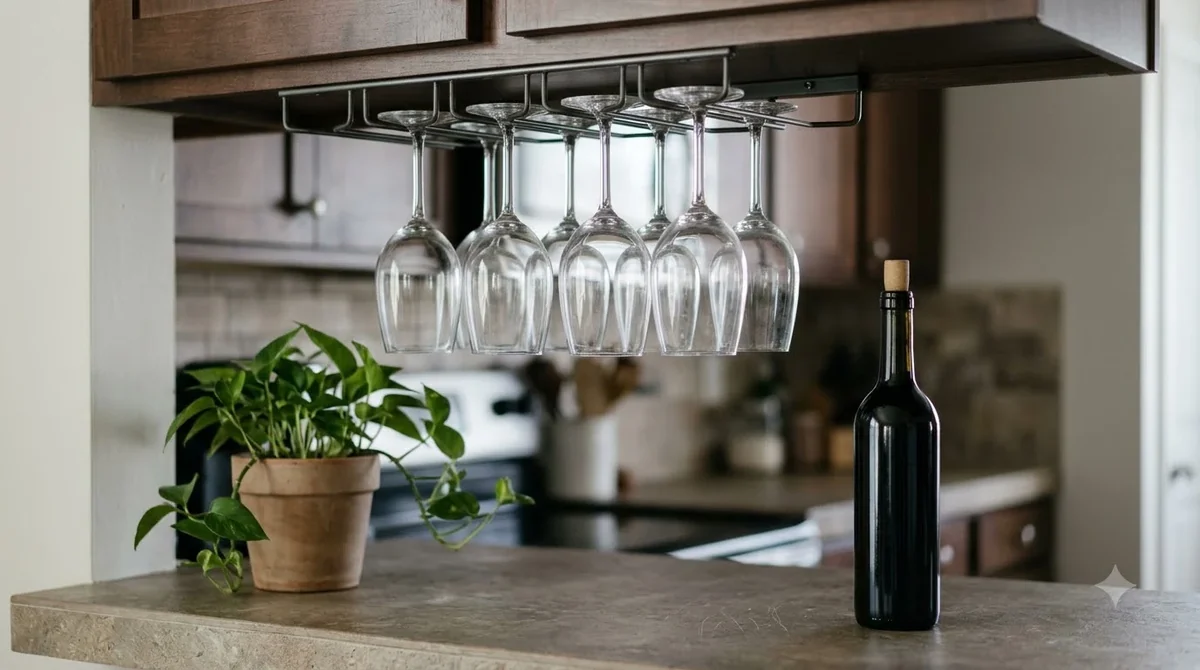
The important distinction is that these collections are not interchangeable. Estate emphasizes varietal-specific proportions and mouth-blown crystal, Reserve combines traditional shapes with a coordinated stemless selection, and Open Kitchen focuses on accessible European crystal designs. The following comparison uses specifications published by Williams Sonoma rather than estimated measurements.
| Collection or glass | Capacity | Height | Material and care |
|---|---|---|---|
| Estate Cabernet | 24.7 oz. | 10 in. | Clear crystal; dishwasher safe |
| Estate Pinot Noir | 20.2 oz. | 9 3/4 in. | Clear crystal; dishwasher safe |
| Estate Grand Cru Burgundy | 32.7 oz. | 9 1/2 in. | Clear crystal; dishwasher safe |
| Estate Sauvignon Blanc | 12.8 oz. | 9 in. | Clear crystal; dishwasher safe |
| Estate Chardonnay | 16.9 oz. | 8 1/2 in. | Clear crystal; dishwasher safe |
| Reserve Cabernet | 23.6 oz. | 9 3/4 in. | Clear crystal; dishwasher safe |
| Reserve Pinot Noir | 23 oz. | 9 1/2 in. | Clear crystal; dishwasher safe |
| Reserve stemless red | 17 oz. | 4 1/2 in. | Clear crystal; dishwasher safe |
| Open Kitchen red | 21.5 oz. | 9 in. | Crystal; dishwasher safe |
| Open Kitchen white | 12.5 oz. | 8 in. | Crystal; dishwasher safe |
| Pantry red | 22.2 oz. | 9 1/3 in. | Durable crystal; dishwasher safe |
| Pantry white | 16.8 oz. | 9 in. | Durable crystal; dishwasher safe |
One particularly useful feature is the availability of multiple bowl shapes within the same collection. Estate, for example, includes Cabernet, Pinot Noir, Grand Cru Burgundy, Sauvignon Blanc and Chardonnay glasses. This makes it easier to build a coordinated set around the wines you actually drink rather than purchasing unrelated pieces from different manufacturers.
The Estate collection is mouth-blown from clear crystal and designed in collaboration with sommeliers, winemakers and chefs. Williams Sonoma also describes the collection as commercial grade, with engineering informed by selected commercial testing. These details make it an interesting option for people who want refined glassware that can serve both household and entertaining purposes.
For additional manufacturer specifications, see the official Williams Sonoma Estate Stemware Collection. The product information also identifies Turkey as the manufacturing country and lists dishwasher-safe care.
What Owners and Buyers May Appreciate
The strongest selling points of Williams Sonoma wine glasses are their range of designs, coordinated collections, crystal construction and combination of formal appearance with everyday practicality. Buyers can choose between specialized wine bowls and simpler all-purpose glasses without leaving the retailer’s glassware assortment.
One appealing feature is the visual consistency of the signature collections. Estate and Reserve provide traditional stemmed designs with clear bowls and slender stems, making them suitable for a coordinated dinner-table arrangement. Their proportions also provide a more intentional presentation than using ordinary drinking tumblers for every wine.
The Estate collection is especially interesting for people who enjoy several grape varieties. A Cabernet glass has a different intended shape from a Sauvignon Blanc glass, and the collection makes those distinctions available within one design family. Instead of mixing unrelated glassware, a household can select complementary pieces for different bottles.
Large red wine bowls are another attraction. The Estate Grand Cru Burgundy glass has a capacity of 32.7 ounces, while its Cabernet glass holds 24.7 ounces. These are generous capacities that provide room for swirling and help release aromatic compounds from the wine. They are particularly relevant to drinkers who regularly serve Pinot Noir, Burgundy-style wines or structured Cabernet Sauvignon.
Crystal clarity and presentation
Clear crystal is useful because it allows the wine’s color and appearance to remain visible. This matters during a tasting, particularly when comparing a pale Pinot Grigio with a deeper Chardonnay or examining the color development of an older red wine.
Williams Sonoma’s historical wineglass guidance also emphasizes clarity, thin rims and comfortable handling as important qualities when choosing stemware. Those considerations are sensible because the glass is the part of the table setting that directly affects how the wine is presented and sipped.
The collections also offer several aesthetic directions. Estate and Reserve suit relatively restrained formal settings, Open Kitchen has a contemporary silhouette, and Vintage Etched provides decorative detailing. This range is useful for people who want their glassware to coordinate with existing dinnerware and table linens.
Practical cleaning options
Dishwasher-safe care is another meaningful advantage across several of the signature collections. Estate, Reserve, Open Kitchen and Pantry are all listed as dishwasher safe in their respective product descriptions. That is convenient for households that entertain regularly and would rather not hand-wash a large quantity of glassware after dinner.
However, dishwasher-safe does not mean every glass is equally resistant to accidental damage. Thin stems, large bowls and contact with other dishes can still create breakage risks. Proper placement and a suitable glassware cycle remain important, especially with delicate crystal pieces.
Buyers should also appreciate the availability of stemless versions in the Estate and Reserve families. These offer a familiar wine-glass bowl in a shorter format, making them more convenient for casual meals, outdoor entertaining and cabinets with limited vertical clearance.
Common Complaints and Potential Drawbacks
The main disadvantages to consider are the height of some stemmed designs, the storage space required by large bowls and the differences between individual collections. A glass that looks impressive on a formal table may be less convenient in a small kitchen or for someone who prefers compact, everyday drinkware.
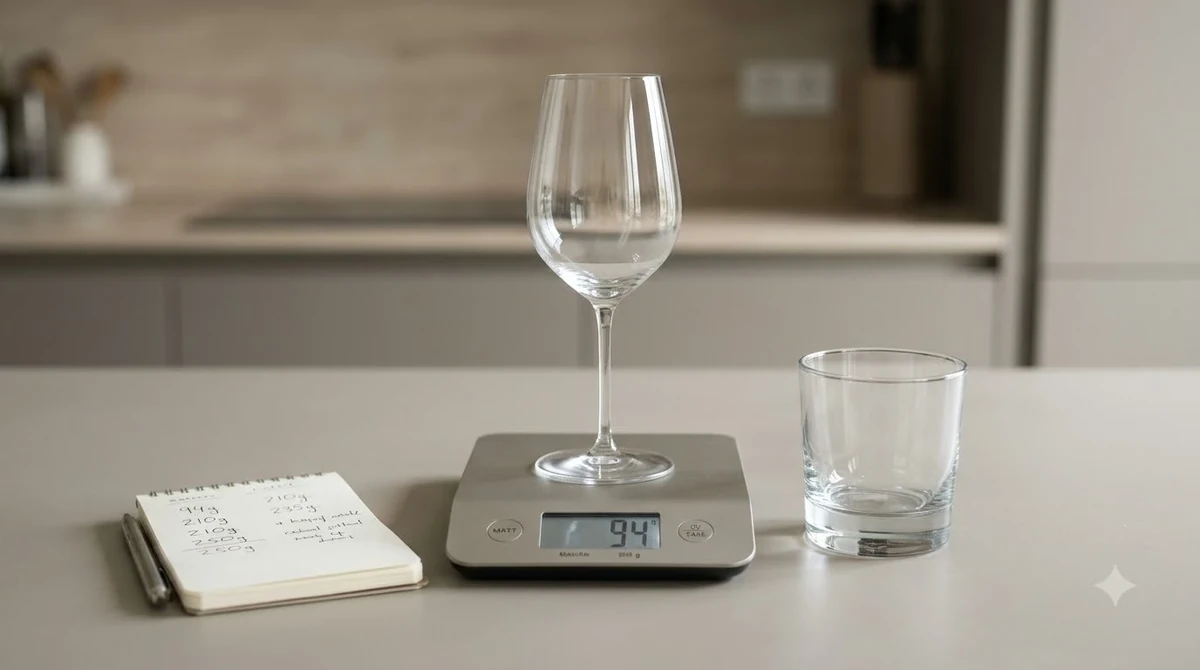
Estate Cabernet glasses measure 10 inches tall, while the Estate Grand Cru Burgundy glass is 9 1/2 inches tall. Those dimensions can create problems with shorter cabinets and dishwasher racks. Before purchasing a complete set, measure the usable height of your storage shelves and dishwasher rather than assuming that every wine glass will fit comfortably.
Large bowls can also be more awkward to handle than smaller universal glasses. A 32.7-ounce Burgundy glass has a substantial footprint, so storing six or eight matching pieces requires considerably more space than storing compact tumblers. The large bowl may be appropriate for aromatic reds, but it is not necessary for every wine-drinking occasion.
Different collections have different specifications
Another potential source of confusion is the similarity of the collection names. Reserve and Estate both have varietal-specific glasses, but their measurements are not identical. The Estate Cabernet holds 24.7 ounces, compared with 23.6 ounces for Reserve Cabernet. Their Burgundy glasses also have different capacities.
These distinctions matter when replacing individual pieces or expanding an existing set. A glass from one collection should not automatically be assumed to match another just because both are sold under the Williams Sonoma name.
Open Kitchen and Pantry also serve different purposes. Open Kitchen uses crystal and offers a more contemporary design, while Pantry emphasizes straightforward versatility and durability. Someone who wants the appearance of specialized stemware may find Pantry less distinctive, even though its specifications are practical.
Fragility and replacement considerations
Crystal glassware is still glassware. A thin stem can break if a glass is knocked against a faucet, another glass or a hard countertop. Large bowls can also be difficult to maneuver when washing by hand because the rim and bowl may extend beyond the comfortable reach of a sink.
Dishwasher-safe labeling should therefore be treated as a care convenience rather than a guarantee against breakage. Buyers who regularly host large gatherings may prefer a more straightforward everyday collection for most guests and reserve more delicate stemware for smaller dinners.
Replacement availability is another consideration. A coordinated collection is attractive, but individual styles and sizes can change within a retailer’s assortment. Anyone purchasing a large set should consider buying enough matching glasses initially rather than relying on finding an identical replacement several years later.
Who Should Buy Williams Sonoma Wine Glasses and Who Should Skip Them
Williams Sonoma’s signature glassware is best suited to people who value presentation, coordinated designs and the ability to choose different bowl shapes for different wines. Its collections also make sense for hosts who want a consistent table setting that can transition from casual dinners to formal entertaining.
Estate is a particularly good candidate for wine enthusiasts who regularly drink several grape varieties. Its Cabernet, Pinot Noir, Burgundy, Sauvignon Blanc and Chardonnay options provide more specialized choices than a single universal wine glass. The collection’s mouth-blown crystal construction is another attraction for buyers who appreciate traditional glassmaking techniques.
Reserve is worth considering for shoppers who want a traditional selection with matching stemless options. Its 23.6-ounce Cabernet and 23-ounce Pinot Noir glasses provide generous bowls, while its 17-ounce stemless red glass gives buyers a shorter alternative within the same collection.
Best buyers for each collection
- Estate: Wine enthusiasts who want varietal-specific bowls, mouth-blown crystal and a coordinated formal presentation.
- Reserve: Buyers who want a traditional crystal collection with both stemmed and stemless options.
- Open Kitchen: Households seeking contemporary European crystal stemware for regular entertaining and everyday meals.
- Pantry: Buyers who prioritize practical, durable crystal glasses and straightforward designs.
- Vintage Etched: People who prefer decorative glassware with a traditional floral appearance.
Open Kitchen is a sensible choice for households that want a more relaxed aesthetic without abandoning crystal construction. Its red glass holds 21.5 ounces, while the white glass holds 12.5 ounces. The collection also includes stemless white glasses with a capacity of 15.7 ounces, which provide an alternative for informal dining.
Pantry is worth considering when a household needs several matching glasses for everyday meals, family gatherings and casual parties. Its wine glasses are sold in sets of six, and the collection includes red and white wine options. The red glass holds 22.2 ounces and the white version holds 16.8 ounces, giving both plenty of room for a conventional serving.
On the other hand, shoppers who need extremely compact glassware may want to skip the taller stemmed Estate and Reserve designs. People who frequently host outdoor events, have young children or expect guests to handle glasses without much care may also prefer a more durable everyday format.
Shoppers seeking a dedicated tasting setup should compare the specialized collections with the broader selection in our guide to wine glasses. Those who primarily drink Cabernet Sauvignon or other structured reds may also benefit from examining dedicated red wine glasses before committing to a complete set.
How Williams Sonoma Compares to Other Glassware Options
Williams Sonoma occupies an interesting position because its assortment combines retailer-designed collections with established specialist glassware brands. That gives shoppers the convenience of comparing different styles in one place, but it also means the Williams Sonoma name does not describe a single manufacturing approach.
The Estate and Reserve collections are signature designs developed for the retailer. Their emphasis is on clear crystal, varietal-specific shapes and coordinated presentation. Open Kitchen and Pantry offer a more practical direction, while the retailer’s broader assortment includes specialist collections from Riedel and Schott Zwiesel.
Williams Sonoma Estate versus Reserve
Estate and Reserve are the closest comparisons because both provide crystal stemware in traditional wine-specific shapes. Estate distinguishes itself through mouth-blown crystal and a collection that includes particularly generous bowl capacities.
For example, the Estate Cabernet glass holds 24.7 ounces, while the Reserve Cabernet holds 23.6 ounces. Estate Pinot Noir holds 20.2 ounces, whereas Reserve Pinot Noir holds 23 ounces. This demonstrates why buyers should compare the individual glass rather than assuming that one collection always has the larger bowl.
Estate is the more natural choice for shoppers interested in the retailer’s mouth-blown signature design. Reserve is attractive for people who want a coordinated selection that includes stemless red and white glasses and a broader barware assortment.
Williams Sonoma versus Open Kitchen
Open Kitchen is positioned as a practical, contemporary alternative. Its wine glasses are made from crystal in Germany, and its red and white options have capacities of 21.5 and 12.5 ounces respectively.
Estate has more clearly differentiated varietal shapes, while Open Kitchen is easier to approach as a coordinated everyday collection. Its straightforward silhouettes can work with both formal and informal table settings, making it a reasonable option for households that do not want separate glasses for every grape variety.
Williams Sonoma versus specialist glassware brands
Williams Sonoma also carries collections from Riedel and Schott Zwiesel. These brands have their own glassware design philosophies and specialized product ranges, so buyers should not assume that every glass sold by Williams Sonoma is a house-designed product.
Williams Sonoma’s own wineglass guidance distinguishes between its relatively versatile stemware approach and Riedel’s more variety-focused philosophy. The guidance identifies Riedel Vinum as a machine-made series and describes the Riedel Sommeliers range as handcrafted lead-crystal stemware.
For a buyer who prefers a specific grape-variety glass, a specialist range may deserve consideration alongside Estate. Someone who values a coordinated household collection, attractive styling and practical care may find the Williams Sonoma signature collections more straightforward.
For a broader look at the retailer’s available labels and glassware manufacturers, see our overview of Glassware Brands. The important comparison is not simply the name printed on the glass, but the combination of bowl shape, rim, weight, construction and intended use.
Care, Cleaning and Everyday Use
Proper care helps preserve the clarity and appearance of crystal wine glasses, regardless of the collection. Williams Sonoma lists Estate, Reserve, Open Kitchen and Pantry as dishwasher safe, but careful handling is still necessary to avoid chipped rims and broken stems.
For dishwasher cleaning, separate glasses from heavy cookware, utensils and other objects that could strike them during a cycle. Place each glass securely in a suitable rack, leaving enough space to prevent contact between neighboring bowls. Avoid forcing a tall stemmed glass into a rack that cannot support it properly.
Hand-washing delicate pieces
Hand-washing is a reasonable precaution for particularly delicate glassware or pieces that do not fit securely in a dishwasher. Use warm water, a small amount of mild dish soap and a soft sponge or cloth. Avoid holding a glass by its stem while twisting the bowl, since this can place unnecessary pressure on the narrow connection between the two sections.
Rinse thoroughly to remove soap residue. Dry the glass with a clean, lint-free microfiber cloth, supporting the bowl rather than gripping the stem tightly. If water spots remain, a clean polishing cloth can help restore a clear appearance.
Storage and organization
Stemmed wine glasses are generally best stored upright on a stable shelf, with enough clearance to prevent contact with other pieces. Avoid overcrowding cabinets, particularly when storing the larger Estate Burgundy and Cabernet glasses.
Stemless glasses are easier to fit into standard cabinets and can be more convenient for everyday meals. They also reduce the risk of accidental stem breakage, although their bowls still require enough space to avoid knocking against one another.
Before purchasing multiple sets, measure the height and depth of the intended storage area. A 10-inch Estate Cabernet glass requires more vertical clearance than a 4 1/2-inch Estate stemless red glass. The difference can determine whether a collection fits comfortably in an existing kitchen cabinet.
Tip: If you are building a new glassware collection, start with four matching glasses in the shapes you use most frequently. Add specialized Cabernet, Pinot Noir or Chardonnay glasses later if your wine preferences justify them. This approach helps avoid filling cabinets with rarely used pieces.
For serving, remember that glass capacity is not the same as a recommended pour. A conventional wine serving is about 5 ounces, even when the bowl holds 20 ounces or more. Leaving space in the bowl gives the wine room to move during swirling and helps reduce accidental spills.
Large red wine glasses can be particularly useful for wines that benefit from contact with air. A young, full-bodied Cabernet Sauvignon, for example, may benefit from 30 to 60 minutes of decanting before serving. A large bowl provides room for swirling, but it does not replace decanting when a wine needs more substantial aeration.
Temperature also matters. Light whites and rosés are generally best served around 45 to 50 degrees Fahrenheit, while fuller-bodied whites are typically served around 50 to 55 degrees. Light reds generally work well around 55 to 60 degrees, and full-bodied reds around 60 to 65 degrees. The right glass makes presentation more enjoyable, but it cannot compensate for serving wine at an unsuitable temperature.
Frequently Asked Questions
Are Williams Sonoma wine glasses made from lead-free crystal?
The Estate collection is described as clear crystal, while the Vintage Etched collection is specifically identified as lead-free glassware. Product descriptions should be considered individually because Williams Sonoma sells several manufacturers and collections with different construction details. Buyers who specifically require confirmation of lead content should seek the exact material specification for the individual glass.
Are Williams Sonoma wine glasses sold individually or in sets?
Availability depends on the collection and glass style. The retailer’s assortment includes individual replacement-style pieces as well as multipiece sets, including Pantry wine glasses sold in sets of six. Check the selected product configuration before ordering if you need an exact quantity for a dinner party or matching household collection.
Can Williams Sonoma wine glasses be used for wine tasting flights?
Yes, the Estate collection is specifically described as suitable for flight tastings. Its different varietal shapes also make it useful for comparing how Cabernet Sauvignon, Pinot Noir and Chardonnay present in different bowls. For a tasting, use consistent pour sizes and serving temperatures so the glass shape is not the only changing variable.
Does Williams Sonoma make matching Champagne glasses?
Yes. The Estate collection includes a Champagne glass with a 5.9-ounce capacity and a height of 10 inches. Reserve also offers a flute with an 8.4-ounce capacity, giving buyers a choice between different coordinated sparkling-wine presentations.
Are oversized Burgundy glasses suitable for white wine?
They can be used for fuller-bodied white wines, especially styles that benefit from a generous bowl. However, the 32.7-ounce Estate Grand Cru Burgundy glass is designed as a varietal-specific red wine glass rather than a universal white wine option. A dedicated Chardonnay glass with a 16.9-ounce capacity offers a more compact alternative within the same collection.
Williams Sonoma wine glasses offer a broad selection for shoppers who want attractive crystal stemware, coordinated designs and practical dishwasher-safe options. Estate is the standout choice for varietal-specific presentation, Reserve provides a versatile formal and stemless selection, and Open Kitchen and Pantry are sensible alternatives for regular household use. Compare bowl capacities, cabinet dimensions and preferred serving styles before choosing a collection, and the right set can become a useful part of your wine-serving routine for years.
More in Wine Glasses
 Zwiesel Glas Champagne Flutes for Durable Everyday Sparkling WineUpdated Nov 20, 2026
 Vera Wang Crystal Wine Glasses: Design, Quality and Buying AdviceUpdated Nov 20, 2026
 West Elm White Wine Glasses: Compare Designs for Better Everyday Wine ServiceUpdated Nov 20, 2026
 Zalto Stemless Wine Glasses: Discover Their Distinctive DesignsUpdated Nov 20, 2026
 Viski Champagne Glasses That Match Your Style and Sparkling WineUpdated Nov 20, 2026
 Vista Alegre Decanter Review: Crystal Style and Wine ServiceUpdated Nov 20, 2026