

We may earn a commission when you buy through links on this page, at no extra cost to you. Learn more.
Riedel white wine glasses are worth considering if you want crystal stemware designed to bring out the aromas and flavors of particular white wine varieties. The brand offers options ranging from versatile everyday glasses to specialized Chardonnay and Sauvignon Blanc shapes. Vinum, Veritas, and Veloce each provide a different balance of refinement, handling, and practicality, so the best choice depends on the wines you drink most often and how carefully you want to maintain your glassware.
Choosing a wine glass is about more than appearance. Bowl width, opening diameter, rim thickness, and overall capacity influence how aromas collect and how wine reaches the palate. RIEDEL has built its glassware range around these differences, offering designs intended for specific grape varieties alongside more flexible everyday options. This review examines the important collections, their strengths and drawbacks, and the considerations that matter before choosing a set for your home.
Specs and Key Features of RIEDEL White Wine Glasses
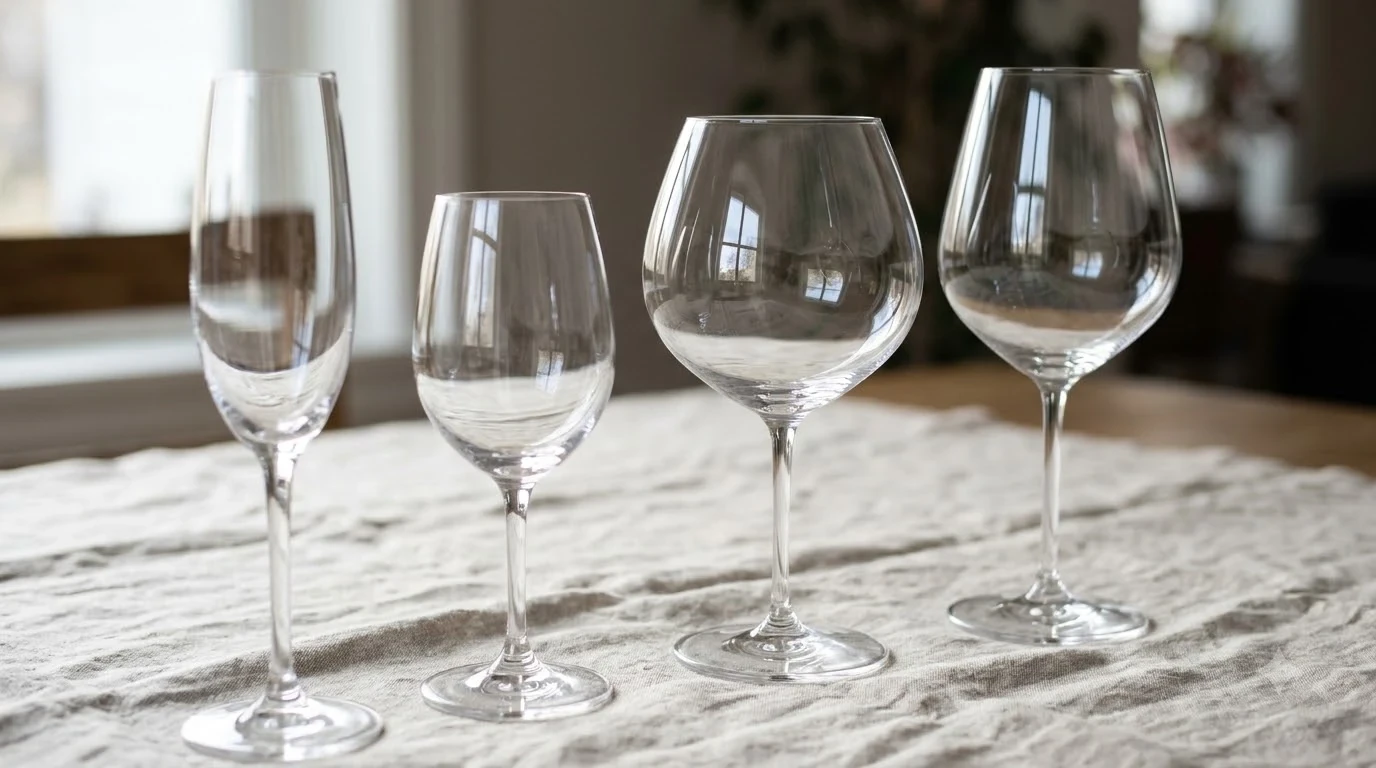
RIEDEL’s main advantage is its range of shapes rather than a single universal design. The brand offers specialized glasses for wines such as Chardonnay and Riesling, while collections such as Wine Friendly provide a more adaptable option for households that serve different styles.
Three collections deserve particular attention: Vinum, Veritas, and Veloce. Vinum is an established varietal-specific range, Veritas combines machine production with lightweight crystal construction, and Veloce emphasizes an especially refined, contemporary profile. The differences matter because a glass intended for an aromatic Riesling does not necessarily provide the same experience as one designed for a richer, oak-aged Chardonnay.
| Collection or glass | Material and construction | Documented specifications | Best application |
|---|---|---|---|
| Vinum Zinfandel/Riesling/Chianti | Crystal, machine-made | 14.11 oz capacity; 8.27 in height | Riesling and aromatic whites |
| Veritas Oaked Chardonnay | Crystal, premium machine-made | 8.54 in height; 4.25 in maximum diameter | Oaked Chardonnay and rich white Burgundy |
| Veloce Sauvignon Blanc | Crystal, machine-made | 12.2 oz capacity; 9.75 in height | Sauvignon Blanc and aromatic whites |
| Wine Friendly White Wine/Champagne | Crystal, machine-made | 8.70 in height; 3.35 in maximum diameter | Mixed white wine and sparkling wine collections |
These measurements come from manufacturer specifications and retailer product listings. They describe different models, not a standardized size across the RIEDEL range. The Vinum capacity is particularly useful for comparison: its 14.11-ounce bowl provides room for swirling without requiring an unusually large glass.
Material and production method also deserve attention. RIEDEL’s crystal glassware is designed to combine clarity with relatively fine construction. Veritas, for example, is described by the manufacturer as premium machine-made crystal, providing a lighter profile than many conventional everyday glasses. Its design aims to deliver a refined drinking experience without relying exclusively on handmade production.
For a closer look at the manufacturer’s specifications, the official Veritas Oaked Chardonnay product information explains the glass’s material, production method, and intended grape varieties.
Another practical consideration is set size. Several RIEDEL glasses are offered in pairs, making them convenient for couples or small households. Buyers furnishing a larger dining table may need multiple sets, while someone building a collection gradually can start with two glasses for a favorite white wine.
What Owners and Wine Professionals Like
The strongest appeal of RIEDEL white wine glasses is their attention to wine-specific shapes. Rather than treating every white wine as interchangeable, the collection recognizes differences between crisp aromatic varieties and fuller-bodied wines such as Chardonnay.
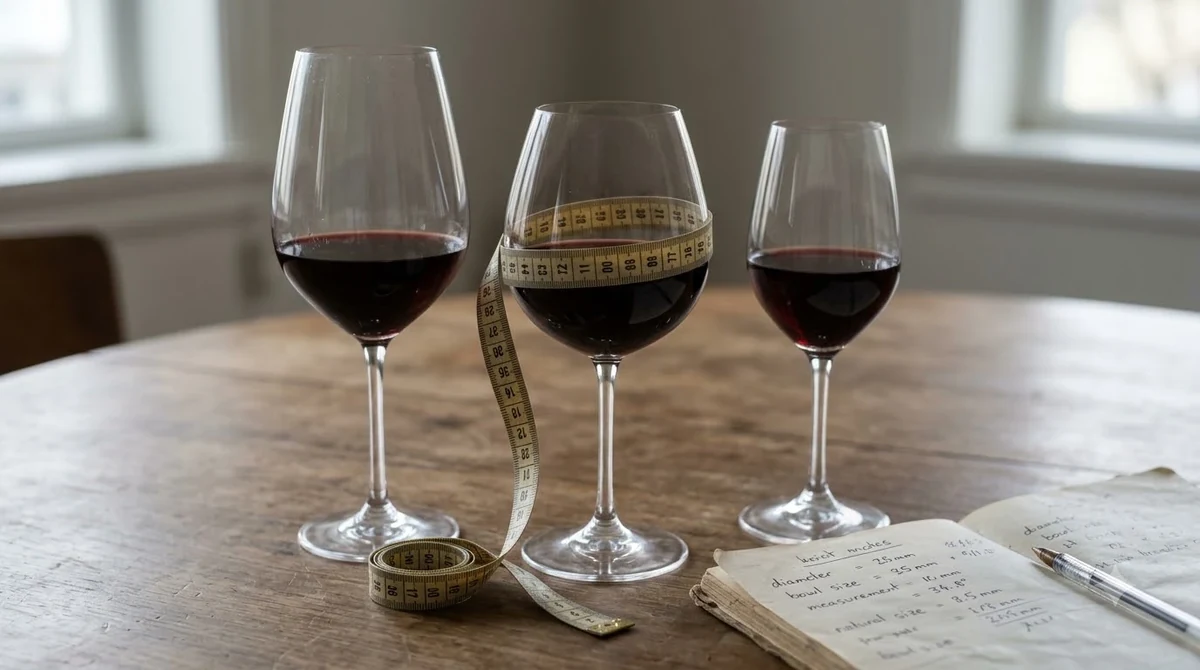
That approach has a practical purpose. Sauvignon Blanc often benefits from a relatively focused bowl that helps retain its fresh citrus, herbal, and floral aromas. Riesling also has pronounced aromatic character, with styles ranging from dry and mineral to sweet and intensely fragrant. A suitably shaped glass helps present these characteristics without requiring an enormous serving vessel.
Chardonnay creates a different challenge. A lightly oaked Chablis and a fuller, barrel-aged California Chardonnay can have very different textures and aromatic profiles. A broader bowl gives richer white wines more room to develop their aromas, making the specialized Chardonnay shapes an attractive choice for drinkers who regularly serve these styles.
Independent editorial coverage also recognizes the appeal of RIEDEL’s varietal-specific designs. Good Housekeeping selected the Vinum Zinfandel/Riesling/Chianti as its best white wine glass, highlighting its narrower bowl and smaller opening. Its review also identifies the shorter stem as a practical advantage for households with limited storage space.
That combination of aroma concentration and manageable proportions makes the Vinum glass especially interesting. Its 14.11-ounce capacity is sufficient for a moderate pour and some swirling room, while its 8.27-inch height is less demanding than some taller premium stemware.
The Veloce range appeals to another type of buyer. Its finer bowl and slimmer stem give it a more delicate appearance, making it an attractive choice for formal dinners and occasions where presentation matters. Good Housekeeping also describes the collection as lighter and more angular than Vinum.
There is also a useful distinction between professional wine glass design and everyday convenience. A specialized shape can make a noticeable difference to the way aromas are presented, but most households do not need a separate glass for every grape. A carefully chosen pair of white wine glasses can serve several purposes, particularly if the collection includes one versatile shape and one specialist design.
RIEDEL’s versatility is also reflected in its Wine Friendly collection. Its White Wine/Champagne model is designed to accommodate several wine styles, making it a reasonable choice for people who prefer fewer glass types in their cabinets.
For additional perspective, VinePair’s interview with Maximilian Riedel discusses the company’s grape-specific approach, production methods, and recommendations for maintaining its glasses. The interview also reinforces an important point: a small, carefully selected home collection can be more useful than buying every available shape.
Common Complaints and Practical Limitations
RIEDEL’s refined construction is also its main practical drawback. Thin crystal rims, delicate stems, and lightweight bowls can feel excellent during use, but they require more care than thick everyday tumblers.
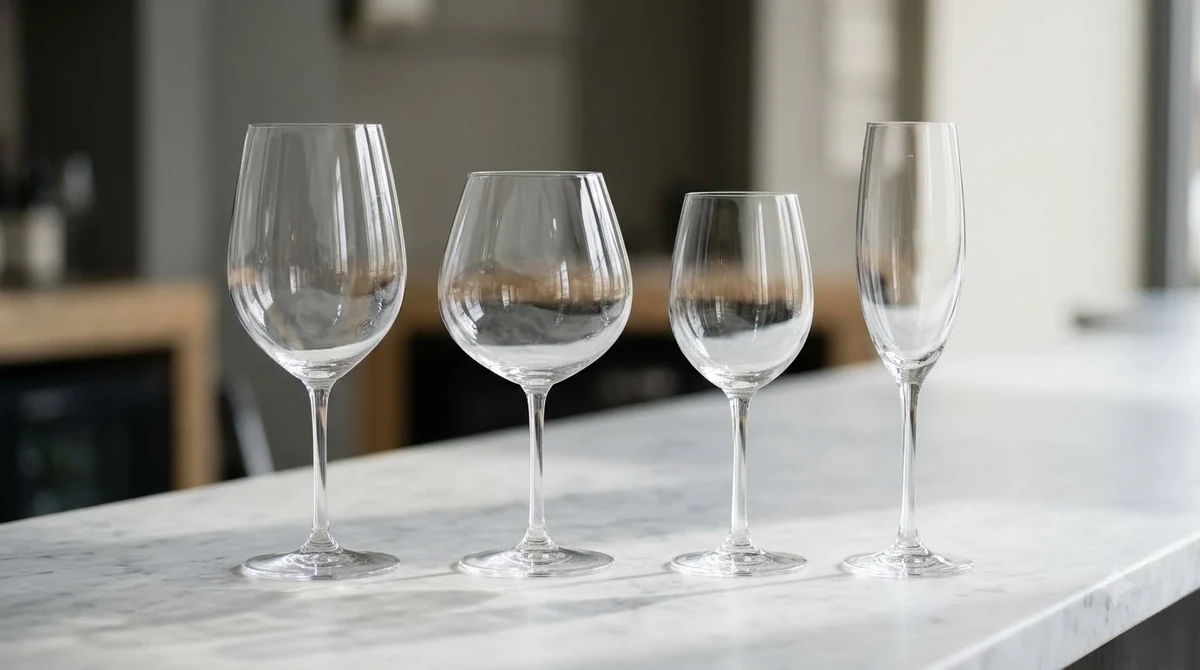
Fragility is particularly relevant to the Veloce range. Wayfair’s customer-review summary identifies lightweight construction and elegant appearance as positive observations, but also highlights reports of breakage during handling and transit. These comments do not establish a failure rate, but they illustrate why buyers should consider their household’s handling habits before choosing especially delicate stemware.
Stemmed glasses are vulnerable to pressure when washed or polished incorrectly. Holding the bowl firmly while twisting the stem can create unnecessary stress at the narrow connection point. This is not a problem exclusive to RIEDEL; it is a general concern with fine stemware.
Storage is another consideration. A tall glass may not fit beneath every cabinet shelf, and wide Chardonnay bowls can take up more room than narrow Riesling glasses. Buyers with limited kitchen storage should measure the available shelf height and cabinet depth before ordering.
Specialized shapes can also create a collection-management problem. Owning separate glasses for Sauvignon Blanc, Riesling, Chardonnay, Champagne, and rosé means storing, washing, and maintaining several different designs. That may suit an enthusiastic collector, but it is unnecessary for someone who usually serves one or two varieties.
There is also the question of whether the difference in glass shape justifies buying multiple models. RIEDEL’s approach is based on the idea that the bowl influences aroma and palate presentation. However, preferences vary, and not every drinker will find a dramatic difference between a specialized glass and a well-designed universal alternative.
Finally, the premium appearance may encourage buyers to reserve their glasses for special occasions. That can defeat the purpose of owning them. A good wine glass should be practical enough to use regularly, provided the household is comfortable with its care requirements.
Who Should Buy RIEDEL White Wine Glasses and Who Should Skip Them
RIEDEL makes the most sense for people who regularly drink white wine and appreciate the differences between varieties. Its specialized shapes are particularly appealing to Chardonnay, Riesling, and Sauvignon Blanc enthusiasts who want glassware that reflects the character of their preferred wines.
Who should consider buying them
Chardonnay drinkers: A dedicated Chardonnay glass is a sensible choice if you regularly serve richer wines from Burgundy, California, or Australia. The Veritas Oaked Chardonnay shape is specifically intended for several fuller white wine styles, including Meursault, Montrachet, and Pouilly-Fuissé.
Riesling enthusiasts: The Vinum Zinfandel/Riesling/Chianti glass offers an aromatic-focused option with a narrower bowl. It is also suitable for people who want a white wine glass that can accommodate several aromatic styles rather than Chardonnay alone.
Frequent dinner hosts: Fine crystal stemware can make a dining table feel more considered. A matched pair of Veloce or Veritas glasses is especially attractive for intimate dinners where presentation is part of the experience.
Wine collectors: People who regularly compare wines from different regions may appreciate owning specialized glassware. A Chardonnay from Burgundy, a Sauvignon Blanc from the Loire Valley, and a dry Riesling from Germany each bring different aromatic characteristics to the table.
Who should look elsewhere
Households with young children, frequent large gatherings, or limited storage may prefer sturdier universal glasses. A delicate stem is less convenient when several people are clearing dishes or loading a dishwasher at once.
Buyers who rarely drink white wine may also find a specialized collection unnecessary. A versatile glass can serve Sauvignon Blanc, Pinot Grigio, Chardonnay, and even some sparkling wines adequately. The difference in performance may not justify maintaining several separate designs.
Likewise, anyone who prefers heavy, thick-rimmed glassware may dislike the delicate feel of premium RIEDEL crystal. The fine construction is part of the appeal, but it is not automatically the best fit for every person’s handling preferences.
For shoppers still comparing different shapes and materials, our guide to white wine glasses provides a broader starting point. Those furnishing a mixed collection can also compare options in our guide to wine glasses.
How RIEDEL Compares to Alternative Glassware
RIEDEL competes in a category where shape, construction, durability, and everyday convenience matter just as much as appearance. Its collections provide several different levels of specialization, but alternatives such as Spiegelau and Schott Zwiesel may suit buyers with different priorities.
RIEDEL versus Spiegelau
Spiegelau is particularly relevant because its Vino Grande range offers a more accessible approach to wine-specific glassware. Epicurious has highlighted the Vino Grande white wine glass for its thin rim, useful bowl shape, and versatility across several wine styles.
For someone primarily interested in practical everyday use, that makes Spiegelau an alternative worth considering. RIEDEL may be preferable for buyers who want a more extensive selection of varietal-specific shapes, particularly in the Veritas and Veloce collections.
The right choice depends on the type of experience desired. Someone who enjoys comparing specific Chardonnay and Riesling styles may appreciate the additional specialization. Someone who wants a straightforward white wine glass for several varieties may be satisfied with a more general-purpose design.
RIEDEL versus Schott Zwiesel
Schott Zwiesel is another alternative for buyers who put durability high on their list. Its Tritan crystal range is often discussed as an option for people who want practical stemware that can handle regular use.
RIEDEL’s appeal is its emphasis on grape-specific shapes and refined proportions. Schott Zwiesel may be more attractive to people who prioritize a sturdy everyday glass and do not need separate bowls for individual white wine varieties.
Neither approach is automatically superior. The best decision depends on whether the household values specialized aroma presentation or more forgiving everyday construction.
Choosing between RIEDEL collections
Even within RIEDEL, the choice is not simply between inexpensive and expensive glassware. Vinum offers a recognizable varietal-specific design, Veritas emphasizes lightweight premium machine-made crystal, and Veloce provides a more contemporary, fine-profile appearance.
Wine Friendly is particularly useful for people who prefer versatility. Its White Wine/Champagne model can reduce the number of separate glass types needed for everyday entertaining.
For a household that serves both white and red wine, it is also sensible to consider the shape of the entire collection. Our guide to red wine glasses explains how larger bowls and different proportions serve fuller-bodied red varieties.
One useful buying strategy is to begin with two glasses for the white wine you drink most frequently. Add a second specialized shape only after you have identified a genuine need. This keeps storage manageable and avoids purchasing several designs that perform similar functions.
Care, Cleaning, and Long-Term Use
Proper care is important because fine crystal glassware depends on maintaining a clear surface and avoiding unnecessary pressure on delicate stems. RIEDEL identifies its machine-made Veritas glasses as dishwasher safe, making them more practical for regular household use than some people might expect.
Maximilian Riedel also recommends dishwashing machine-made RIEDEL glasses in his VinePair interview. However, he distinguishes these from handmade glasses, which he advises washing by hand. The production method therefore matters when deciding how to clean a particular glass.
For dishwasher cleaning, position each glass securely so that it cannot touch another glass, metal utensil, or the dishwasher interior during the cycle. A dedicated stemware rack is useful if your dishwasher includes one. Avoid overcrowding the rack, particularly when washing tall glasses such as Veloce.
Handwashing is another option, especially for particularly delicate pieces or glasses whose production method is uncertain. Use warm water and a mild detergent, rinse carefully, and avoid abrasive sponges. Do not twist the bowl while holding the stem tightly.
Tip: When polishing a RIEDEL wine glass, use two soft, lint-free cloths. Hold the bowl and base separately rather than twisting the stem, which can put unnecessary pressure on its narrowest point.
Storage conditions also affect long-term clarity. Strong cabinet odors can transfer to glassware and interfere with the aroma of wine. Store clean glasses in a dry, odor-free cabinet, and avoid placing them directly beside strongly scented cleaning products or other household materials.
Another useful practice is rotating the glasses in a set. If you own six matching glasses but repeatedly use the same two, the others may remain unused for long periods. Rotating them helps distribute normal wear across the collection.
Over time, repeated washing can cause gradual surface wear. Maximilian Riedel discusses this issue in his interview with VinePair, explaining that repeated dishwasher cycles can eventually reduce brilliance and produce scratches. This is a normal consideration for frequently used glassware rather than a reason to avoid using the glasses altogether.
Temperature management also matters when serving wine. Light whites such as Sauvignon Blanc and Pinot Grigio generally show well at 45–50 degrees Fahrenheit, while fuller-bodied Chardonnay is better served around 50–55 degrees Fahrenheit. Sweet whites are generally best at 43–50 degrees Fahrenheit. A glass designed for the wine cannot compensate for serving it at an unsuitable temperature.
For regular use, RIEDEL machine-made glasses provide a reasonable balance between refinement and convenience. Handmade pieces deserve more cautious handling, while delicate Veloce glasses benefit from careful storage and thoughtful washing practices.
Frequently Asked Questions
Are RIEDEL wine glasses made with lead crystal?
RIEDEL’s modern Veritas and Wine Friendly product descriptions identify their material as crystal glass. Individual collections and product specifications can differ, so buyers should distinguish the material description of a specific glass from assumptions based on the brand name alone. The Veloce Sauvignon Blanc listing also identifies its construction as lead-free crystal.
Can RIEDEL white wine glasses be used for water?
Yes. A white wine glass can also serve chilled water at a dinner table, although its relatively fine construction makes it less suitable for casual everyday handling than a dedicated water tumbler. Using the same glass for nonalcoholic drinks is a practical way to get more use from a smaller collection.
Can RIEDEL white wine glasses be used for rosé?
Yes. Many white wine glasses work well for rosé because they provide room for fresh fruit and floral aromas. A moderately sized bowl is particularly useful for crisp Provence-style rosé, while fuller-bodied rosé wines can benefit from a little additional room for swirling.
Are RIEDEL glasses suitable for sparkling wine?
Some RIEDEL designs are specifically intended for sparkling wine. The Wine Friendly White Wine/Champagne glass is one example of a product marketed for both categories. For traditional sparkling service, flute and tulip shapes remain distinct options, with tulip bowls offering more room for aromatic development.
How much wine should be poured into a RIEDEL white wine glass?
A standard wine serving is approximately 5 ounces, even when the glass has a considerably larger total capacity. Leaving empty space above the wine allows room for swirling and helps collect aromas near the opening. This is particularly useful with aromatic varieties such as Riesling and Sauvignon Blanc.
RIEDEL white wine glasses are a strong choice for drinkers who appreciate thoughtful bowl design, clear crystal, and grape-specific serving options. Vinum offers a practical entry into specialized glassware, Veritas balances refined construction with everyday convenience, and Veloce suits buyers who prioritize a particularly elegant profile. Start with the variety you drink most often, choose a shape that fits your storage and care preferences, and build the rest of your collection gradually.
More in Wine Glasses
 Zwiesel Glas Champagne Flutes for Durable Everyday Sparkling WineUpdated Nov 20, 2026
 Vera Wang Crystal Wine Glasses: Design, Quality and Buying AdviceUpdated Nov 20, 2026
 West Elm White Wine Glasses: Compare Designs for Better Everyday Wine ServiceUpdated Nov 20, 2026
 Zalto Stemless Wine Glasses: Discover Their Distinctive DesignsUpdated Nov 20, 2026
 Viski Champagne Glasses That Match Your Style and Sparkling WineUpdated Nov 20, 2026
 Vista Alegre Decanter Review: Crystal Style and Wine ServiceUpdated Nov 20, 2026