

We may earn a commission when you buy through links on this page, at no extra cost to you. Learn more.
The Vacu Vin Wine Saver is an effective, budget-friendly manual vacuum pump and reusable stopper system for keeping opened still wines fresh for 3 to 7 days, though it falls short of multi-week argon gas preservers. Invented in the Netherlands in 1986, the device removes headspace air from standard 750 ml bottles and signals an optimal seal with an audible click. While independent testing confirms it slows oxidation compared with re-inserting an original cork, bottles must be stored upright and aromatic intensity gradually softens after several days.
Leaving half a bottle of red or white wine on the counter overnight turns bright fruit flavors into flat, sharp vinegar notes as oxygen reacts with alcohol and phenolic compounds. For everyday wine drinkers who pour one or two glasses at dinner rather than finishing a full 750 ml bottle, the Vacu Vin Original Wine Saver offers a battery-free, cartridge-free way to buy extra days of drinkability without complicated hardware.
Specs and Key Features
The Vacu Vin Wine Saver pairs a lightweight, hand-operated ABS plastic vacuum pump with grooved, reusable elastomer rubber stoppers fitted with a one-way air valve. Built in the Netherlands since 1986, the standard Original model weighs roughly 3.4 ounces and uses a patented mechanical click indicator to prevent guesswork during pumping.
Unlike single-use oxygen absorbers or pressurized gas canisters, the Vacu Vin system relies entirely on mechanical suction. When the user places a rubber stopper firmly into the bottle neck, sets the pump collar over the top, and pulls the handle upward, air exits through the stopper’s flexible slits while external atmospheric pressure pushes the flaps closed on each downstroke. According to Vacu Vin product documentation, the Original Wine Saver Black measures 76 by 171 by 39 millimeters and weighs 0.096 kilograms, making it compact enough to fit inside a standard kitchen utensil drawer.
Different retail bundles include one, two, four, or six stoppers alongside pumps finished in black, white, stainless steel, or recycled plastic under the Wine Saver Loop line. Vacu Vin confirms that all traditional grey stoppers and newer colored stoppers remain cross-compatible across older and newer pumps, with the sole exception of the specialized Wine Saver & Server pourer line. Stoppers fit standard 750 ml glass bottles, most 375 ml half bottles, 1.5-liter magnums, and screw-cap glass bottles whose inner neck opening matches the tapered rubber ridges.
| Specification or Feature | Vacu Vin Original Wine Saver | Notes and Operational Limits |
|---|---|---|
| Origin and Release Year | Delft, Netherlands (1986) | Manufactured in the Netherlands by Vacu Vin BV |
| Pump Dimensions and Weight | 76 x 171 x 39 mm; 0.096 kg (3.4 oz) | Compact manual cylinder; requires no batteries or gas |
| Materials | Plastic pump; reusable rubber/silicone stoppers | Stoppers are dishwasher-safe; pump is hand-wipe only |
| Vacuum Indicator | Patented audible “click” valve | Wine Saver Loop omits clicker for full plastic recycling |
| Bottle Compatibility | 750 ml, 375 ml half bottles, 1.5 L magnums, screw-caps | Still wines only; incompatible with sparkling wine or Champagne |
| Storage Orientation | Upright vertical storage only | Horizontal storage causes vacuum leaks and sticky pump valves |
| Preservation Window | Up to 7–10 days (3–5 days peak freshness) | Validated in Meron B.V. 10-day testing; refrigeration advised |
One important mechanical distinction separates the standard Original pump from the eco-focused Wine Saver Loop. While the Original pump houses an internal click mechanism that snaps audibly once target vacuum pressure is reached, Vacu Vin removed that metal-and-plastic clicker from the Loop version so the entire pump body can enter household plastic recycling at the end of its service life. With the Loop pump, users simply pull the handle until firm physical resistance indicates sufficient air extraction.
What Owners Like
Verified buyers and culinary testers consistently praise the Vacu Vin Wine Saver for its low learning curve, durable construction, and noticeable improvement over shoving a swollen cork back into a bottle. Across thousands of owner reviews and independent kitchen trials, the tactile feedback of the seal and the lack of ongoing consumable costs stand out as primary strengths.
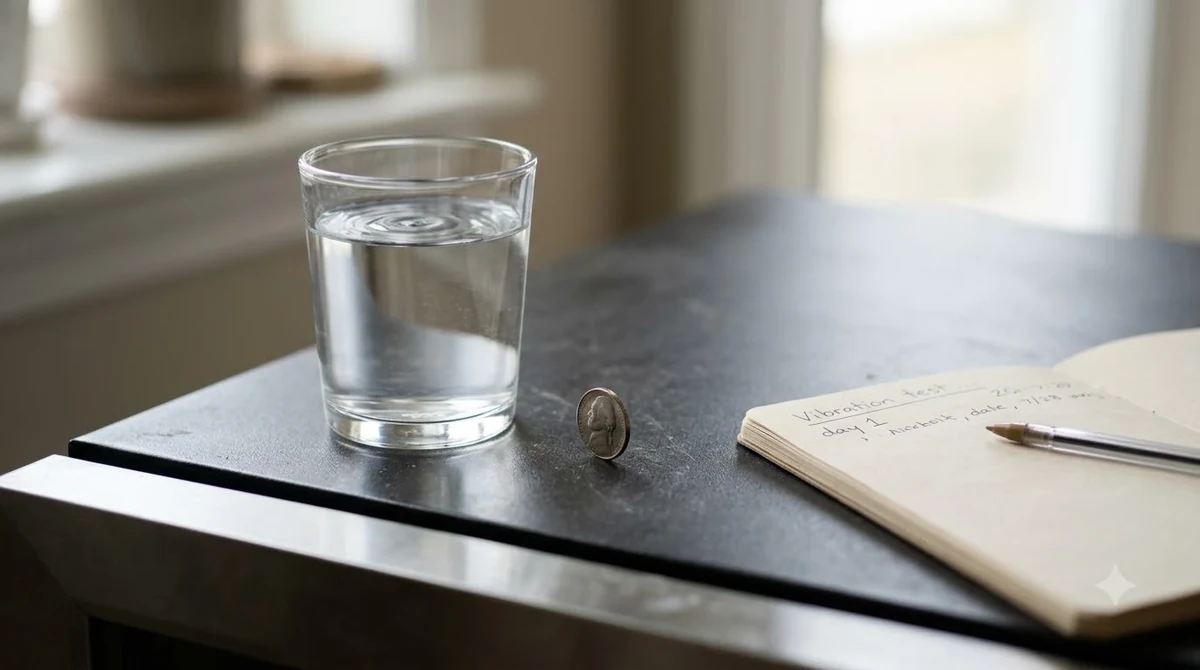
In comparative kitchen testing by Food & Wine, editors named the Vacu Vin Wine Saver Pump their top overall wine stopper after evaluating 11 competing models on Tesoro Pinot Grigio and Flowers Sonoma Coast Pinot Noir. Testers inverted sealed bottles upside down inside a refrigerator for three days without a single drip or vacuum loss, noting that the Pinot Grigio retained its crisp lemon and green apple character on day three. Releasing the seal takes only a gentle sideways press on the stopper’s top tab, producing a distinct hiss as outside air rushes back into the bottle neck.
Independent laboratory research conducted by Meron B.V. in Almere, the Netherlands, reinforces what everyday owners report when pairing vacuum sealing with cold storage. Researchers opened bottles of Pinot Noir, Pinot Grigio, and Grenache Rosé, poured out two 125 ml glasses per bottle, and tracked chemical and sensory changes over 10 days. Vacuum-sealed Pinot Noir scored 15 out of 20 on day 10—just one point below its opening score—while Pinot Grigio and Grenache Rosé scored 14 out of 20, whereas unvacuumed control bottles fell to an unacceptable 12 out of 20 by day five for white and rosé and between days five and seven for Pinot Noir.
For home cooks who open a dry white wine to deglaze a pan or pair with dinner and want to save the remaining three glasses for later in the week, this reliability eliminates rushed drinking. Having multiple stoppers in a four-pack also lets households keep a crisp Sauvignon Blanc in the refrigerator door alongside a medium-bodied Merlot on the counter at the same time. For those exploring other everyday bar tools and appliances, our Model reviews section breaks down additional wine gear built for home use.
Tip: Always chill opened white, rosé, and even red wines in the refrigerator after pumping out the air. Lowering the liquid temperature slows chemical oxidation rates dramatically, working alongside the partial vacuum to protect delicate fruit esters.
Common Complaints
Despite strong overall satisfaction, owner feedback and wine-science critiques point to clear physical limitations: the Vacu Vin cannot store bottles horizontally, demands extra arm effort on nearly empty bottles, and does not achieve a laboratory-grade oxygen-free vacuum. Understanding these trade-offs prevents messy leaks and unrealistic expectations.
The single most frequent user error involves laying a vacuum-sealed bottle on its side inside a standard wine rack or countertop wine fridge. Because the rubber stopper sits in the neck held primarily by friction and atmospheric pressure, horizontal storage allows liquid wine to pool against the underside of the stopper. Wine can seep past the rubber ribs, breaking the vacuum seal, or get sucked up into the pump cylinder during the next pumping session, leaving the internal plunger sticky and sluggish.
Physical effort on low-fill bottles represents a second recurring complaint in owner reviews. When only one 5-ounce glass remains in a 750 ml bottle, the empty headspace accounts for roughly 600 ml of air volume. Clearing that larger air pocket can require 15 to 20 firm upward pulls on the handle, which users with limited grip strength or wrist mobility sometimes find tiring compared with electric vacuum pumps or push-button gas systems.
Finally, wine professionals point out important chemical caveats regarding partial vacuums. Wine Spectator’s Dr. Vinny notes that handheld rubber pumps remove only a portion of the air in the headspace, remain susceptible to gradual air exchange over several days, and can pull volatile aromatic compounds out of the wine into the low-pressure headspace. As a result, delicate aromatic whites like Riesling or aged Pinot Noir may smell slightly muted by day five or six even when they have not turned vinegary.
Who Should Buy and Who Should Skip
The Vacu Vin Wine Saver fits casual and regular wine drinkers who finish an opened bottle within three to seven days and want an inexpensive, reusable tool with zero ongoing refill expenses. Conversely, collectors who sample expensive bottles over several weeks or households with space only for horizontal wine racks should look elsewhere.
Who Should Buy
- Midweek single-glass drinkers. Anyone who pours one 5-ounce glass with dinner on Tuesday and finishes the remaining four glasses by Friday or Saturday gets reliable protection against flat, oxidized flavors without buying disposable gas canisters.
- Insert the stopper firmly. Wipe any wine droplets from the inside rim of the bottle neck, then push the grey or colored rubber stopper straight down until the lower ridges sit snugly inside the glass opening.
- Pump until the audible click. Place the pump cylinder over the stopper, hold the bottle steady on a counter with one hand, and pull the handle upward repeatedly until the patented click sounds—typically 4 to 8 strokes on a nearly full bottle or 15 to 20 strokes on a bottle with one glass left, according to Vacu Vin’s usage instructions.
- Store upright in a cool spot. Place the sealed bottle standing vertically in a standard refrigerator at 38 to 45°F; remove red wines 20 to 30 minutes before serving so they warm back toward cellar serving temperatures.
- Release the vacuum before pouring. Push the small tab on top of the stopper sideways until you hear the hiss of returning air, then lift the stopper straight out of the neck.
How It Compares to Alternatives
When choosing a wine preservation system, the Vacu Vin Wine Saver sits squarely in the budget-friendly, short-term category—outperforming basic corks and silicone stoppers while trailing argon gas systems and chemical oxygen absorbers for multi-week aging. Sommelier evaluations and consumer lab tests highlight distinct trade-offs in preservation length, recurring costs, and aroma retention.
In a comparative guide from Consumer Reports featuring Sommelier Society of America executive director Dylan York and Tria wine director Lauren Harris, experts ranked inert gas systems like Coravin and oxygen-scavenging stoppers like Repour ahead of manual vacuum pumps for preserving open bottles beyond a week. Coravin uses a hollow medical-grade needle to pierce natural cork and pressurize the bottle with pure argon gas, keeping oxygen away from the wine for months without pulling the cork. However, Coravin requires proprietary argon capsules and works poorly on synthetic corks or screw-cap bottles unless paired with specialized screw-cap accessories.
Repour single-use stoppers take a different chemical route by housing a food-safe packet that actively absorbs oxygen from the bottle headspace, keeping wine fresh for several weeks without mechanical pumping. The trade-off is recurring waste and per-bottle expense, because each stopper loses its oxygen-absorbing capacity once exposed to air over an extended cycle. Standard airtight silicone stoppers, meanwhile, cost very little and allow horizontal storage in a wine fridge, yet they trap full atmospheric oxygen inside the bottle neck, typically limiting peak freshness to two or three days.
Half-bottle decanting offers a zero-hardware alternative recommended by Wine Spectator’s Dr. Vinny. Pouring leftover wine from a 750 ml bottle into a clean 375 ml half bottle and screwing on a tight cap reduces the air-to-wine surface area to nearly zero, matching or beating a handheld vacuum pump without subjecting delicate aromatics to negative pressure.
How to Use and Maintain the Vacu Vin Wine Saver
Getting a reliable multi-day seal with the Vacu Vin Wine Saver requires proper stopper seating, upright refrigerator storage, and occasional pump lubrication. Following manufacturer care steps prevents air leaks and keeps the internal rubber plunger gliding smoothly for years.
Step-by-Step Sealing Process
Cleaning and Lubrication
Vacu Vin specifies that the reusable rubber stoppers are top-rack dishwasher-safe, making it easy to sanitize them between red and white bottles. The handheld pump cylinder, however, should not be submerged in water or placed in a dishwasher, as trapped water can interfere with internal components and the vacuum seal.
If wine ever splashes into the pump mechanism or the handle begins sticking during upward strokes, Vacu Vin recommends wiping the interior and exterior cylinder walls with a damp cloth and mild dishwashing soap. After letting the pump air-dry completely, apply a thin smear of plain petroleum jelly such as Vaseline inside the barrel to restore smooth, airtight plunger action.
Frequently Asked Questions
Can I keep pumping the Vacu Vin after I hear the click sound?
Yes, pumping a few extra times after the audible click does not damage the wine or break the stopper. According to Vacu Vin’s product FAQ, the integrated clicker simply signals that the optimum vacuum level has been reached, and the one-way valve prevents excess pressure changes inside the glass bottle.
Why does the Vacu Vin Wine Saver Loop not make a clicking sound?
Vacu Vin intentionally removed the mechanical clicker mechanism from the eco-focused Wine Saver Loop model so the entire pump can be placed directly into household plastic recycling at the end of its life. When using the Loop pump, users pull the handle until they feel clear physical resistance rather than listening for an audio cue.
Are older Vacu Vin stoppers compatible with newer Vacu Vin pumps?
Yes, Vacu Vin confirms that its classic grey and newer colored Wine Stoppers work interchangeably with both Original Wine Saver and Wine Saver Loop pumps. The only exception in the catalog is the Wine Saver & Server pourer-stopper hybrid, which uses a different top collar geometry.
Can I use the Vacu Vin Wine Saver on sparkling wine or Prosecco for cocktails?
No, vacuum suction pulls dissolved carbon dioxide out of sparkling wine, Cava, and Prosecco, leaving the bottle flat before you can mix a batch of brunch drinks like an aperol spritz recipe. Sparkling bottles require a hinged champagne sealer that clamps onto the glass lip to trap internal pressure rather than removing air.
Does the Vacu Vin stopper fit screw-cap wine bottles?
Yes, Vacu Vin states that its tapered rubber stoppers seal screw-cap glass bottles properly as long as the inner neck diameter matches standard 750 ml wine bottle openings. Before pumping, check that the metal screw-cap threads around the outside rim do not block the pump collar from sitting flush over the stopper.
For home drinkers who routinely leave two or three glasses in a bottle over a weeknight dinner, the Vacu Vin Wine Saver offers multi-day preservation—rated by the manufacturer for up to ten days—without batteries, gas refills, or single-use waste. Pairing its reusable stoppers with upright refrigerator storage keeps everyday whites, rosés, and reds bright and drinkable until the final pour.
More in Model Reviews
 Lanbo Dual Zone Wine Fridge Review: Features, Capacity, and DrawbacksUpdated Nov 20, 2026
 Lanbo Beverage Cooler Review: Features, Capacity and ReliabilityUpdated Nov 20, 2026
 Haier Wine And Beverage Center Review: Capacity, Cooling, and FitUpdated Nov 20, 2026
 Haier Countertop Wine Cooler Review: Features and Buying AdviceUpdated Nov 20, 2026
 KitchenAid Built In Wine Fridge Review: Features, Fit and Bottle CapacityUpdated Nov 20, 2026
 KitchenAid 24 Inch Wine Fridge: Features, Capacity, and Buying AdviceUpdated Nov 20, 2026