

We may earn a commission when you buy through links on this page, at no extra cost to you. Learn more.
Baccarat wine glasses are worth considering for buyers who want French crystal craftsmanship, distinctive designs, and elegant wine presentation rather than inexpensive everyday stemware. The Château Baccarat collection is a particularly practical starting point because it includes dedicated red and white wine glasses with carefully shaped bowls. Harcourt, Masséna, Mille Nuits, and Passion offer different aesthetics and capacities, making collection selection just as important as choosing crystal itself. Their main disadvantages are the considerable investment, delicate handling requirements, and the fact that attractive glassware cannot compensate for wine that is poorly served.
Baccarat occupies a distinctive position in luxury tableware. Its wine glasses combine transparent crystal, detailed finishing, and recognizable silhouettes that can make a dinner setting feel more considered. Some designs prioritize wine tasting, while others place greater emphasis on decorative appeal and traditional table presentation.
That distinction matters because a wine glass should suit the wine as well as the occasion. A generous red wine bowl, a smaller white wine glass, and a decorative crystal goblet do not necessarily serve the same purpose. This review examines Baccarat’s principal collections, their practical characteristics, their limitations, and the buyers most likely to appreciate them.
Specs and Key Features of Baccarat Wine Glasses
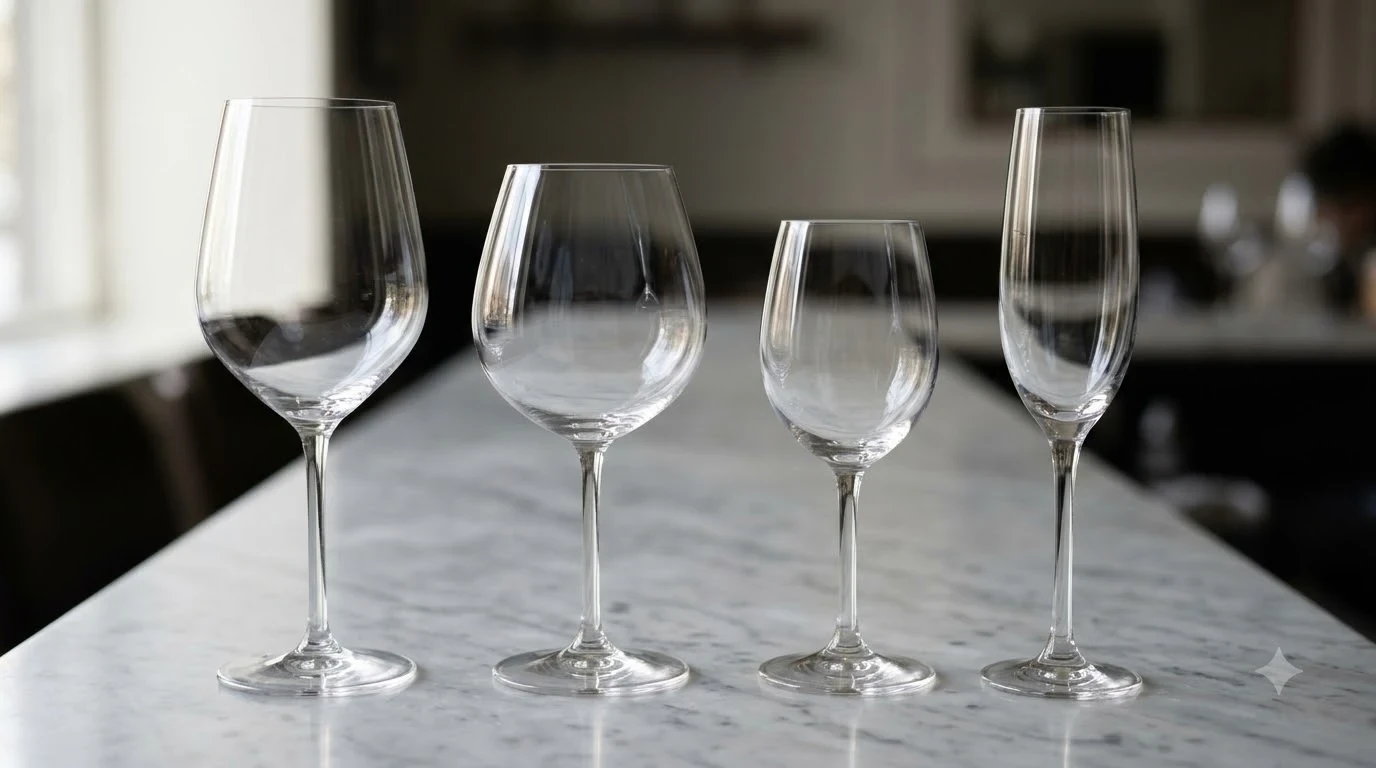
Baccarat wine glasses combine clear crystal construction with collection-specific shapes, proportions, and decorative details. The Château Baccarat range is particularly useful for understanding the brand’s approach because its red and white wine glasses have different capacities and bowl dimensions.
Rather than treating every Baccarat glass as interchangeable, buyers should consider the intended wine style and the dimensions of the individual design. The following specifications come from Baccarat product information and the Harrods Baccarat assortment. Capacities and measurements refer to the particular glasses identified, not every item in a collection.
| Glass or collection | Capacity | Key characteristic | Best use |
|---|---|---|---|
| Château Baccarat red | 45 cl / 450 ml | Wide rounded bowl and tapered lip | Red wine tasting |
| Château Baccarat white | 39 cl / 390 ml | Rounded bowl and tapered lip | White wine tasting |
| Masséna red | 250 ml | Traditional crystal presentation | Smaller red wine pours |
| Masséna white | 200 ml | Smaller wine-specific format | White wine service |
| Mille Nuits white | 170 ml | Compact decorative design | White wine and formal service |
| Mille Nuits high red | 220 ml | Tall decorative silhouette | Red wine presentation |
| Harcourt 1841 | 170 ml | Recognizable traditional design | Formal table settings |
The Château Baccarat red glass has a height of 21.85 cm and a diameter of 9.30 cm. Its white wine counterpart measures 20.40 cm tall and 9.80 cm across. Both are made from clear crystal in France, although their different capacities reflect their separate intended uses.
One important distinction is that capacity describes the entire glass, not the recommended serving size. A 450 ml red wine glass should not automatically receive a 450 ml pour. A standard 5 oz serving leaves room for swirling and allows aromas to collect above the wine.
Crystal construction and visual appeal
Crystal is central to Baccarat’s identity. Its clarity allows the color of a wine to remain visible, while carefully finished surfaces and decorative cuts create reflections when light passes through the glass. This visual quality is particularly appealing with deeply colored Cabernet Sauvignon, ruby Pinot Noir, and pale golden Chardonnay.
However, the visual difference is not the same as a guarantee of superior wine flavor. Bowl shape, opening diameter, wine temperature, and the amount poured all influence the drinking experience. A well-designed conventional glass can also serve wine effectively.
For shoppers comparing the broader market, our guide to wine glasses explains how bowl shape, rim construction, and capacity influence everyday usability.
Buyers can also consult Baccarat’s official Château Baccarat product listing for the manufacturer’s collection information and product specifications.
What Owners and Buyers Are Likely to Appreciate
The strongest reasons to consider Baccarat are its distinctive appearance, collection variety, French crystal construction, and suitability for formal entertaining. Buyers who value presentation alongside practical wine service will find more to appreciate than shoppers simply looking for a functional drinking vessel.
There is an important difference between manufacturer specifications and independently verified owner experiences. The available product information establishes construction, dimensions, and intended uses, but it does not establish universal customer satisfaction or prove that every drinker notices a measurable improvement in aroma or flavor. The following advantages are therefore grounded in documented design features rather than unsupported claims about customer reviews.
Distinctive designs for different dining styles
Baccarat offers several recognizable design directions. Harcourt is associated with a traditional, architectural appearance, while Château Baccarat takes a more contemporary approach to wine tasting. Masséna and Mille Nuits provide additional choices for shoppers who want different proportions and decorative details.
This variety makes it possible to choose glassware that suits an existing dinner service rather than purchasing a completely unrelated design. Someone with traditional silverware and formal porcelain might prefer Harcourt, while a contemporary dining room may work better with Château Baccarat.
Dedicated wine shapes
The Château Baccarat range deserves particular attention because its red and white wine glasses are not simply identical vessels with different names. Their capacities, dimensions, and intended applications differ. The rounded bowl is designed to provide space for aeration, while the tapered lip is intended to guide aromatic expression.
That approach is useful for drinkers who regularly serve several wine styles. Cabernet Sauvignon, Syrah, and other structured reds can benefit from additional bowl space, while aromatic whites such as Sauvignon Blanc and Riesling are best served in glasses that preserve their freshness and make their aromas accessible.
Suitable for meaningful gifts
Luxury crystal is a natural consideration for weddings, anniversaries, milestone birthdays, and formal housewarming gifts. Baccarat’s recognizable branding and presentation make its glassware particularly appropriate when the recipient appreciates established tableware collections.
The Passion Collection offers another interesting option. Its collaboration with Jean-Charles Boisset includes a wine glass designed for red, white, and rosé wines, alongside Champagne glasses and decanters. The collection’s diamond-shaped detail in the stem provides a recognizable decorative feature inspired by the transformation of grapes into wine.
For a gift, consider whether the recipient prefers matching sets or a mixture of designs. A coordinated pair of Château Baccarat glasses is a more focused present, while a varied collection provides a broader introduction to different Baccarat silhouettes.
Common Complaints and Practical Limitations
Baccarat wine glasses are not ideal for every household because luxury crystal requires a larger financial commitment and more careful handling than ordinary glassware. Their decorative qualities also do not automatically make them the most practical option for casual dinners, busy kitchens, or frequent outdoor entertaining.
The most important limitations concern fragility, cleaning, storage, and the difference between visual luxury and functional wine performance. Buyers should consider these factors before selecting a complete set rather than discovering the inconvenience after bringing the glasses home.
Delicate handling is part of ownership
Crystal wine glasses can break if knocked against a countertop, another glass, or a hard sink surface. Thin stems and carefully shaped bowls require attention during washing, drying, and serving. Even a small collision can result in a chipped rim or broken stem.
This is particularly relevant when hosting large groups. Carrying several glasses together or placing them close together on a crowded table increases the possibility of accidental contact. Households with young children, energetic pets, or limited storage space may find everyday use less convenient.
Luxury appearance does not guarantee better wine
A Baccarat glass can contribute to an enjoyable tasting experience, but the wine itself remains the primary factor. A mature Pinot Noir served too warm will not suddenly become balanced because it is poured into an expensive crystal vessel.
Likewise, an inexpensive Sauvignon Blanc does not need an elaborate crystal presentation to show its acidity and citrus aromas. Proper serving temperatures and appropriate glass shapes remain more important than a prestigious name.
Matching replacements may require planning
Buyers who collect several Baccarat designs should keep track of collection names and product references. A replacement glass from another range may look similar at first but have a different capacity, height, or decorative profile.
Older designs and particular variations may also become difficult to find through ordinary retail channels. This matters when building a six-person or eight-person matching set gradually. Purchasing the intended quantity together is often a more straightforward way to maintain a consistent table setting.
Cost and everyday practicality
Baccarat occupies the luxury end of the glassware market. The difference between its crystal pieces and more accessible wine glasses is not limited to appearance, but the additional expense is not necessary for satisfactory wine enjoyment.
Some households will prefer a practical division: conventional glassware for everyday meals and Baccarat for special occasions. This approach protects delicate pieces from unnecessary handling while allowing owners to enjoy their decorative and presentation qualities regularly enough to justify keeping them.
Who Should Buy Baccarat Wine Glasses and Who Should Skip Them
Baccarat is best suited to buyers who appreciate fine crystal, formal dining, distinctive design, and carefully maintained tableware. It is less suitable for people who prioritize affordability, dishwasher convenience, or replacement availability above appearance and craftsmanship.
The right decision depends on how frequently the glasses will be used and what role they will play in the home. A person who regularly hosts wine dinners has different priorities from someone who needs inexpensive glasses for a large household.
Buyers who should consider Baccarat
Wine enthusiasts with a formal entertaining space: Baccarat can be a fitting addition to a dedicated dining room, wine cellar, or home tasting area. The Château Baccarat red and white wine glasses provide a more wine-focused option than selecting purely decorative crystal goblets.
Collectors of luxury tableware: Those who already own Baccarat decorative pieces, serving accessories, or other crystal collections may appreciate the opportunity to coordinate their dining arrangements. Harcourt and Mille Nuits are particularly recognizable choices for collectors interested in different visual styles.
Gift buyers: A matching pair or carefully selected gift set can make a memorable wedding or anniversary present. The Passion Collection may appeal to someone who enjoys wine and appreciates the connection between glass design and winemaking.
People who value presentation: If the appearance of the dining table matters as much as the menu, Baccarat offers an assortment of designs that can make a formal meal feel more complete.
Buyers who should skip Baccarat
Budget-conscious wine drinkers: There are many functional wine glasses that offer suitable bowl shapes without requiring a luxury crystal purchase. Spending more on the wine itself, appropriate storage, or a practical collection of glassware may provide greater value.
Large households with frequent breakage: Crystal is not the most forgiving choice for a busy kitchen where glasses are regularly stacked, handled quickly, or washed alongside heavy dishes.
Casual outdoor entertainers: Picnics, poolside gatherings, barbecues, and camping trips are better served by durable glassware or suitable reusable alternatives. Baccarat is better reserved for controlled dining environments.
Buyers who dislike hand washing: Anyone who wants to place every drinking glass into an ordinary dishwasher cycle should consider a more convenient alternative. Baccarat’s own cleaning recommendations emphasize gentle handling, making careful maintenance part of ownership.
Tip: If you are purchasing your first luxury crystal wine glasses, start with two matching pieces rather than a large assortment. Use them for several different wines and occasions before deciding whether a complete matching set is worthwhile.
Buyers comparing dedicated red wine designs can also consult our guide to red wine glasses. It explains why generous bowls, opening diameter, and overall capacity matter for Cabernet Sauvignon, Merlot, Pinot Noir, and other red wine styles.
How Baccarat Compares to Alternative Glassware Collections
Baccarat stands out through its French crystal identity, decorative heritage, and range of formal designs. Its main distinction is the combination of visual craftsmanship and wine-oriented shapes, although other glassware collections may provide better value or greater convenience for everyday drinking.

Comparison should focus on the intended purpose rather than treating all luxury glassware as equivalent. A collector may prioritize recognizable design and matching tableware, while a regular wine drinker may place greater importance on bowl proportions, replacement availability, and ease of maintenance.
Château Baccarat versus Harcourt
These two collections represent different approaches within the Baccarat assortment. Château Baccarat has a more contemporary wine-tasting orientation, with dedicated red and white designs and a wide rounded bowl intended to support aromatic development.
Harcourt is a more traditional choice for people who appreciate architectural crystal styling and formal table presentation. The Harcourt 1841 glass listed by Harrods has a capacity of 170 ml, making it important to distinguish that particular glass from larger dedicated red wine designs.
Choose Château Baccarat when wine-specific bowl design is a leading consideration. Choose Harcourt when the traditional visual character is more important to the overall table setting.
Masséna versus Mille Nuits
Masséna offers another approach to traditional crystal wine service. The listed red wine version has a capacity of 250 ml, while its white wine counterpart is listed at 200 ml. These are comparatively compact capacities against the 390 ml and 450 ml Château Baccarat examples.
Mille Nuits has a more decorative assortment, with a listed 170 ml white wine glass and a 220 ml high red wine glass in the Harrods assortment. These differences make the collection worth considering for buyers who appreciate smaller, more compact wine vessels.
Neither collection should be selected by capacity alone. The overall bowl geometry, rim, and intended use matter just as much. Buyers who enjoy larger pours for swirling may prefer a more generous tasting glass, while those who want compact formal service may appreciate the smaller formats.
Passion Collection versus traditional Baccarat designs
The Passion Collection is an interesting alternative because it was developed through a collaboration between Baccarat and winemaker Jean-Charles Boisset. The wine glass was conceived as a versatile vessel for red, white, and rosé wines rather than a separate glass for each color.
Its diamond-shaped stem detail provides a different visual identity from the traditional Baccarat collections. It may therefore suit people who want a distinctive contemporary piece with a connection to wine culture.
For buyers who prefer dedicated red and white glasses, Château Baccarat provides a clearer division of purposes. Passion is worth considering when versatility and collaborative design are more important than maintaining separate glass shapes.
Stemmed versus stemless alternatives
Baccarat’s wine glass assortment emphasizes formal stemmed presentation, which has practical advantages. Holding a glass by its stem reduces direct contact with the bowl and helps avoid warming chilled white wine or rosé with the hand.
Stemless glasses are generally easier to store and can be more convenient for informal meals. However, they lack the traditional presentation and handling advantages of stemmed wine glasses. For a broader comparison, see our guide to stemless wine glasses.
The most useful approach is to match the glass to the occasion. Baccarat is a compelling option for formal dinners, wine-focused gatherings, and collections where presentation matters. More practical everyday glasses remain a sensible choice for casual service.
Frequently Asked Questions
These answers cover additional purchasing and ownership considerations, including authenticity, collecting, and serving details that are useful when choosing luxury crystal.
How can you identify an authentic Baccarat wine glass?
Start by checking the engraved or signed Baccarat identification and comparing the design with the manufacturer’s official product information. Packaging, documentation, dimensions, and the seller’s provenance can provide additional evidence. For older pieces, a specialist appraisal may be useful because identifying a particular pattern or production period can require more than visual inspection.
Can Baccarat wine glasses be used for sparkling wine?
Some Baccarat designs are intended specifically for Champagne, including flute and coupe formats. A regular red wine glass can also be used to serve sparkling wine, although its wider opening generally allows carbonation to dissipate more quickly than a narrow flute. Serve sparkling wine at approximately 40 to 50 degrees Fahrenheit for a refreshing presentation.
Do Baccarat wine glasses make good heirloom gifts?
They can be suitable heirloom gifts because crystal tableware can remain in use across generations when handled and stored carefully. Keeping original packaging, purchase documentation, and collection information helps future owners identify and maintain matching pieces. A coordinated pair is also easier to preserve as a complete gift than a collection assembled from unrelated designs.
Can crystal wine glasses develop cloudiness even when cleaned correctly?
Yes. Mineral deposits from hard water and chemical damage from unsuitable cleaning conditions can affect the appearance of crystal. Cloudiness should be distinguished from permanent surface damage, and aggressive household abrasives should not be used to remove it. Baccarat provides dedicated care guidance and customer support for questions about restoring affected pieces.
How many Baccarat wine glasses should a household own?
A household that usually entertains two people may find a matching pair sufficient, while a family that regularly hosts four guests may prefer four matching glasses for its principal wine style. Formal dinner hosts can build a larger collection gradually, keeping in mind that different glass shapes may require separate storage space. The ideal quantity depends more on entertaining habits than on the number of designs available.
Baccarat wine glasses make the most sense for people who appreciate fine crystal, thoughtful wine presentation, and distinctive French design. Château Baccarat is a strong starting point for wine-focused buyers, while Harcourt, Masséna, Mille Nuits, and Passion offer different approaches to style and service. Choose the collection that suits your wines and dining habits, and treat careful cleaning and storage as part of the purchase.
More in Wine Glasses
 Zwiesel Glas Champagne Flutes for Durable Everyday Sparkling WineUpdated Nov 20, 2026
 Vera Wang Crystal Wine Glasses: Design, Quality and Buying AdviceUpdated Nov 20, 2026
 West Elm White Wine Glasses: Compare Designs for Better Everyday Wine ServiceUpdated Nov 20, 2026
 Zalto Stemless Wine Glasses: Discover Their Distinctive DesignsUpdated Nov 20, 2026
 Viski Champagne Glasses That Match Your Style and Sparkling WineUpdated Nov 20, 2026
 Vista Alegre Decanter Review: Crystal Style and Wine ServiceUpdated Nov 20, 2026