

We may earn a commission when you buy through links on this page, at no extra cost to you. Learn more.
A non-vintage Brut from a respected house or grower is the safest champagne gift because its balanced dryness, crisp acidity, and consistent flavor profile appeal to both casual drinkers and seasoned collectors. Matching the bottle to the recipient works best when the label cues—sweetness level, grape blend, aging tier, and producer code—align with the occasion. Standard 750 ml bottles fit dinners and thank-you gestures, while vintage cuvées and 1.5-liter magnums lift milestone celebrations.
Walking into a wine shop without a plan often leads shoppers to buy the most recognizable label on the shelf, even when a different style would suit the recipient far better. Understanding how French appellation rules, grape blends, and dosage levels shape what is inside the glass turns a rushed purchase into a thoughtful best wine for gift choice.
Who a Champagne Gift Is For
A bottle from Champagne fits milestone celebrations, host thank-you gestures, corporate appreciation, and collector birthdays, provided the style matches the drinker’s experience level. Because sparkling wine from France’s Champagne appellation carries strict production rules and unmistakable celebratory associations, it removes guesswork when gifting to hosts, colleagues, or couples.
Casual sparkling wine drinkers usually enjoy approachable, fruit-forward bottles that balance brisk acidity with subtle toasted brioche notes. According to Wine Folly’s Champagne selection guide, most Champagne is finished at the Brut sweetness level precisely because that touch of dosage softens the region’s naturally sharp base wine acidity. Giving an entry-level Brut cuvée to a friend celebrating a new job or a housewarming guarantees immediate drinkability without requiring cellar aging or specialized wine knowledge.
Experienced wine collectors and adventurous diners appreciate bottles that highlight a single harvest year, a specific village terroir, or an independent winemaker’s signature. For weddings and major anniversaries, Wine Enthusiast Tasting Director Anna-Christina Cabrales notes that seeking out a vintage Champagne from the year a couple met or married adds personal meaning while delivering deeper, age-developed complexity. Meanwhile, hosts who love dessert or savory, umami-rich takeout benefit from off-dry styles that pair easily at the dinner table.
Key Factors to Compare Before Buying
Comparing five label details—aging tier, sweetness dosage, grape composition, producer classification, and bottle format—prevents mismatches between the bottle and the occasion. Every bottle legally labeled Champagne must come from the Champagne region of France and undergo secondary fermentation inside the bottle, yet producer choices create dramatic differences in weight, aroma, and longevity.
| Label Factor | Common Options | Minimum Aging / Measure | Flavor & Structure | Best Gift Occasion |
|---|---|---|---|---|
| Aging Tier | Non-Vintage (NV) vs. Vintage | 15 months (NV) vs. 36 months (Vintage) | NV is crisp and fruity; Vintage is creamy, nutty, and complex | NV for casual hosting; Vintage for weddings and milestone years |
| Sweetness Level | Brut Nature, Extra Brut, Brut, Extra Dry, Demi-Sec | 0 to 50+ grams per liter residual sugar | Brut is dry and balanced; Demi-Sec is noticeably sweet | Brut for universal gifting; Demi-Sec for cake and dessert tables |
| Grape Style | Classic Blend, Blanc de Blancs, Blanc de Noirs, Rosé | Chardonnay, Pinot Noir, and Pinot Meunier | Blanc de Blancs is citrusy; Blanc de Noirs is fuller and berry-toned | Blanc de Blancs for seafood lovers; Rosé for thank-you gifts |
| Producer Code | NM (Maison), RM (Grower), CM (Cooperative) | RM uses at least 95 percent estate-grown grapes | NM delivers consistent house style; RM shows single-village character | NM for corporate recognition; RM for curious wine enthusiasts |
| Bottle Size | Standard (750 ml) vs. Magnum (1.5 L) | 5 glasses (750 ml) vs. 10 glasses (1.5 L) | Magnums age more slowly and hold finer effervescence | 750 ml for couples; Magnum for group parties and cellaring |
Aging requirements separate everyday celebratory bottles from cellar-worthy keepsakes. Non-vintage Champagne blends base wines from multiple harvests and ages on its yeast lees for at least 15 months, creating a reliable house signature year after year. Vintage Champagne comes exclusively from a single exceptional harvest and must age for at least three years before release—though top houses often cellar their vintage cuvées for seven to ten years to build roasted almond, pastry, and honeyed depth.
Bottle format also shapes both presentation and aging potential. A standard 750 ml bottle pours roughly five 5-ounce glasses, making it ideal for an intimate dinner for two or a small toast. Stepping up to a 1.5-liter magnum doubles the volume to around 10 glasses while reducing the ratio of oxygen to wine inside the bottle, which allows the Champagne to mature more gracefully if the recipient decides to cellar it.
Tip: Look at the tiny two-letter registration code printed near the bottom of the front or back label—NM signals a famous Champagne house that blends grapes from across the region, while RM identifies a grower-producer crafting wine from at least 95 percent estate vineyards.
Step-by-Step Guide to Choosing the Right Bottle
Following a four-step selection process narrows thousands of Champagne labels down to one confident choice in less than five minutes. Rather than guessing based on foil color or box design, work from the recipient’s habits backward to the specific bottle format.
- Define the occasion and timeline. Decide whether the bottle will be popped immediately at a party or tucked away for a future anniversary. Immediate toasts favor bright non-vintage cuvées, whereas milestone dates call for vintage releases or prestige cuvées that reward cellaring.
- Match sweetness to the recipient’s palate. Choose Brut when preferences are unknown, as it delivers dry refreshment without austere sharpness. Reserve zero-dosage Brut Nature for dedicated acid lovers, and pick sweet champagne styles like Demi-Sec only when the gift accompanies wedding cake, fruit tarts, or spicy takeout.
- Select the grape style and producer type. Pick a classic three-grape blend from a well-known Maison (NM) when brand recognition matters for a client or boss. Opt for a single-variety Blanc de Blancs or an estate-grown Récoltant Manipulant (RM) bottle when shopping for a friend who enjoys comparing regional wine styles.
- Choose the bottle format and check storage conditions. Buy a 750 ml bottle for individuals or couples, or upgrade to a 1.5-liter magnum for engagement parties and large family gatherings. Inspect the retail shelf before paying to confirm the bottle has been stored away from direct spotlights and heat sources.
Adding a brief handwritten card with serving temperature notes—40 to 50°F for most sparkling wines—turns the bottle into a complete experience. Even experienced hosts appreciate knowing whether a vintage bottle benefits from being served slightly warmer around 50°F so its brioche and orchard fruit aromatics open fully in the glass.
Champagne Styles and Label Terms Explained
Champagne labels rely on French terminology to communicate grape varieties, vineyard prestige, and residual sweetness, and learning four core style categories opens the entire shelf. While seven grape varieties are legally permitted in the appellation—Chardonnay, Pinot Noir, Pinot Meunier, Arbane, Pinot Blanc, Petite Meslier, and Fromenteau—almost every bottle relies on the first three.
Classic Cuvée, Blanc de Blancs, and Blanc de Noirs
A standard Brut cuvée without a grape-specific subtitle blends Chardonnay, Pinot Noir, and Pinot Meunier to balance citrus brightness, red-fruit structure, and mid-palate roundness. Blanc de Blancs translates to “white of whites” and is crafted exclusively from white grapes, almost always 100 percent Chardonnay. Grown heavily in the chalky slopes of the Côte des Blancs, Blanc de Blancs delivers crisp lemon zest, green apple, and chalky minerality that pair easily with oysters, sushi, and holiday appetizers.
Blanc de Noirs means “white of blacks” and is pressed gently from dark-skinned Pinot Noir and Pinot Meunier without letting the skins stain the juice. Sourced frequently from the Montagne de Reims, Vallée de la Marne, or Côte des Bar, these bottles offer broader texture, deeper body, and notes of white raspberry, red apple, and toasted spice. Gifting a Blanc de Noirs works remarkably well for recipients who normally prefer rich red wines like Pinot Noir or Cabernet Sauvignon.
Rosé Champagne and Prestige Cuvées
Common Mistakes When Buying a Champagne Gift
Even thoughtful buyers frequently fall into four avoidable traps—misreading French sweetness terms, confusing generic sparkling wine with true Champagne, buying heat-damaged retail bottles, or choosing styles too extreme for a group toast. Avoiding these errors ensures the bottle tastes fresh and matches the celebration.
The single most common label error happens with the term “Extra Dry.” Despite the word “dry” in its name, Extra Dry is noticeably sweeter than Brut on the official Champagne dosage scale, which progresses from Brut Nature and Extra Brut through Brut, Extra Dry, Dry, Demi-Sec, and Doux. Shoppers looking for a crisp, bone-dry aperitif should stick strictly to Brut, Extra Brut, or Brut Nature, whereas Extra Dry suits brunch dishes and lightly sweet pastries. Exploring dedicated dry champagne options helps clarify exact residual sugar ranges before heading to the register.
Another frequent mistake is searching for “non-alcoholic Champagne” for an expectant parent or sober colleague. As Wine Enthusiast notes, true alcohol-free Champagne cannot legally exist because French appellation rules restrict the Champagne name exclusively to fermented alcoholic wines made in the Champagne region. When gifting to someone avoiding alcohol, choose a high-quality dealcoholized sparkling wine from another wine region—or select sparkling tea or verjus—rather than wasting time looking for an impossible label.
Retail storage conditions also make or break a bottle before it is ever gifted. Clear glass bottles—often used for rosé Champagne—allow ultraviolet light to trigger “lightstrike,” a chemical reaction that creates flat, cabbage-like aromas within weeks under bright fluorescent store lights. Look for a bottle stored inside its original cardboard gift box, pulled from a cool lower shelf away from overhead spotlights, or sourced from a temperature-controlled wine shop.
Care, Storage, and Serving Tips to Share with the Recipient
Including practical storage and chilling instructions on a gift tag helps the recipient enjoy the bottle at peak condition, whether they open it tonight or save it for next year. Because Champagne bottles hold roughly 6 bars of internal pressure—three times the pressure inside a car tire, according to Veuve Clicquot—proper temperature control and gentle opening matter for both safety and flavor.
For short- or medium-term keeping at home, Comité Champagne’s storage and serving guidelines recommend a dark, odor-free, well-ventilated spot held between 50 and 59°F (10 to 15°C) with 60 to 80 percent relative humidity. Unlike still wines that require horizontal racking to keep corks moist, Champagne bottles can rest either upright or lying down without harming wine quality because internal carbon dioxide pressure keeps the cork hydrated from inside. Keep bottles out of standard kitchen refrigerators for long-term storage, as household fridges run too cold and dry and expose corks to vibration and food odors.
When it is time to celebrate, chill the bottle slowly rather than shocking it in a freezer, which Veuve Clicquot explicitly warns against due to glass-shattering risk and flattened aromatics. Submerging the bottle in a bucket filled with equal parts ice and cold water chills it evenly in about 30 minutes, while placing it in the bottom section of a refrigerator takes three to four hours. Serve non-vintage bottles at 46 to 50°F (8 to 10°C) and older vintage cuvées slightly warmer at 50 to 54°F (10 to 12°C) so their toasted brioche and dried fruit aromas unfold.
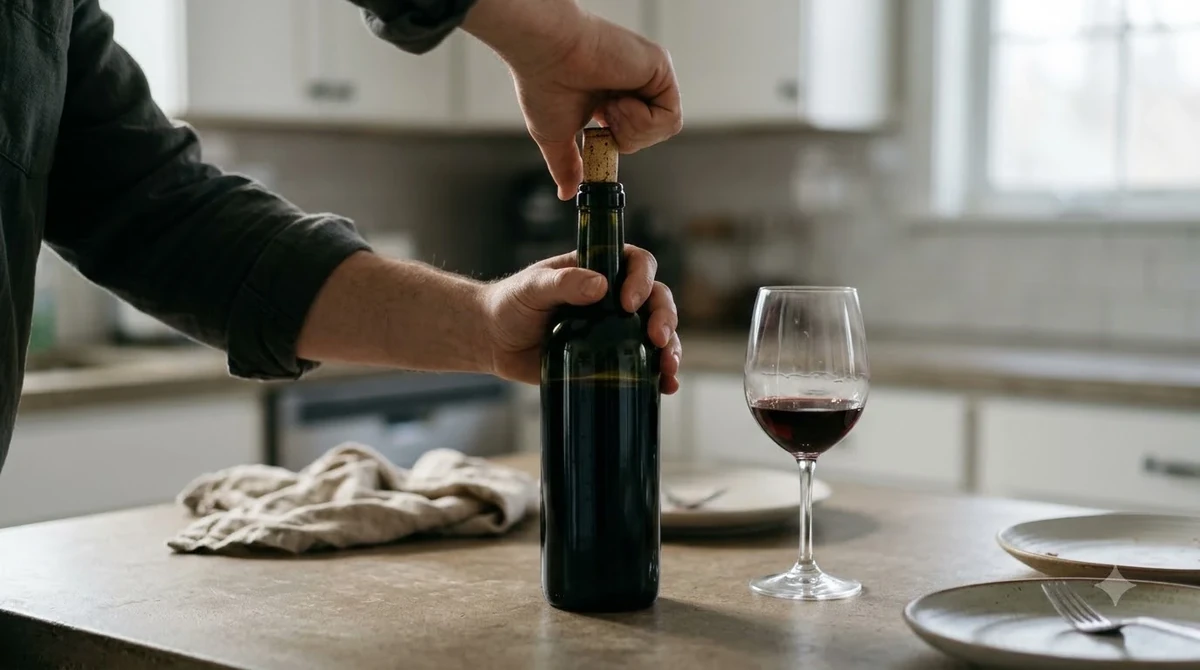
Glassware and opening technique preserve the fine stream of bubbles inside the glass. Tilt the bottle at a 30- to 45-degree angle, keep one thumb firmly over the cork after loosening the wire cage, and twist the base of the bottle—not the cork—until the stopper eases out with a quiet sigh rather than a loud pop. Pour into tall tulip-shaped glasses with a generous bowl and tapered rim, and advise hosts to rinse Champagne glasses in hot water without dish soap, since detergent residue breaks surface tension and kills the mousse. For broader foundational guidance across wine styles, consult the Wine Buying Guides hub.
Frequently Asked Questions
What do the Champagne subregions on a label tell you about flavor?
Champagne spans five distinct subregions—Montagne de Reims, Vallée de la Marne, Côte des Blancs, Côte de Sézanne, and Côte des Bar—each shaped by different soils and dominant grapes. Wines from the chalky Côte des Blancs emphasize zesty Chardonnay precision, while bottles sourced from the Kimmeridgian limestone soils of the southern Côte des Bar highlight riper, rounder Pinot Noir fruit.
How long should a large-format Jeroboam bottle stand upright before opening?
According to Veuve Clicquot’s cellaring guidance, a 3-liter Jeroboam should stand upright for at least 24 hours before opening and remain resting on a flat surface while the cork is removed. Allowing the bottle to settle stabilizes internal pressure across the larger volume of wine and makes handling the heavy glass much safer.
Does putting a silver spoon in the neck of an opened Champagne bottle keep it fizzy?
No, placing a metal teaspoon in the neck of an opened bottle is a myth and does nothing to trap carbonation. Comité Champagne notes that only a dedicated airtight sparkling wine stopper clamped onto the bottle rim will preserve bubbles and freshness for one to three days in the refrigerator.
What does the CM code on a Champagne label mean?
The letters CM stand for Coopérative Manipulant, indicating a grower cooperative where local vineyard owners pool their harvested grapes to make and bottle Champagne under a shared brand name. Cooperatives combine vineyard holdings across specific villages, often offering strong value and classic regional typicity compared to larger commercial houses.
Is sabering a Champagne bottle safe for a party toast?
According to Veuve Clicquot, Champagne bottles hold roughly 6 bars of internal pressure, and the house strongly advises against sabering because striking the glass collar can cause dangerous shattering or leave tiny glass splinters near the rim. Opening the bottle by tilting it at an angle and turning the base while holding the cork securely prevents injury and preserves every drop of wine.
Choosing the right champagne gift comes down to reading four clear cues on the bottle: Brut dosage for universal appeal, non-vintage or vintage aging to match the milestone, grape blend to suit the meal, and standard or magnum sizing for the guest list. Pairing that bottle with a quick note on proper chilling and tulip glassware turns a classic celebratory gesture into a memorable pour from the first glass to the last.
More in Wine Buying Guides
 Cheap Red Blend: How to Find a Flavorful Bottle for LessUpdated Nov 20, 2026
 Pinot Grigio Gift: How to Choose a Bottle They’ll EnjoyUpdated Nov 20, 2026
 Best White Wine at Total Wine for Every MealUpdated Nov 20, 2026
 Wine Fridge Replacement Shelves: Find the Right FitUpdated Nov 20, 2026
 Best Sparkling Wine Under 20: Find Bubbles Worth BuyingUpdated Nov 20, 2026
 Best Wine For Birthday Celebrations With Perfect Party PairingsUpdated Nov 20, 2026