

We may earn a commission when you buy through links on this page, at no extra cost to you. Learn more.
The best wine glass paint is a paint specifically formulated for glass, such as Pébéo Vitrea 160, because it offers decorative finishes and a defined curing process for better adhesion and durability. The right choice depends on whether you want transparent color, solid coverage, metallic accents, or precise lettering. For a dishwasher-resistant finish, compare the manufacturer’s drying and baking instructions before purchasing. Always keep painted designs away from the rim and other surfaces that contact drinks.
Painting wine glasses is a practical way to personalize glassware for weddings, holiday dinners, birthdays, tasting parties, and handmade gifts. The challenge is choosing a paint that actually suits smooth glass rather than assuming any acrylic craft paint will adhere permanently. Some formulas create translucent stained-glass effects, others provide opaque coverage, and specialized markers make names and small illustrations easier to control. This roundup compares five useful paint types, explains what each does best, and covers the curing and handling details that matter when decorating drinkware.
Quick Comparison of the Best Wine Glass Paint Types
The best starting point is to match the paint formula to the design you want. Transparent brush-on paint suits colorful glass effects, opaque glass paint creates solid designs, and markers are particularly useful for names and fine details.
| Paint type | Best use | Typical finish | Application | Care consideration |
|---|---|---|---|---|
| Transparent glass paint | Colored glass effects | Glossy and see-through | Brush | Follow the specified curing schedule |
| Opaque glass paint | Bold decorations | Satin or metallic | Brush or sponge | Some formulas require oven curing |
| Glass paint markers | Names and lettering | Fine lines and controlled color | Marker tip | Check the marker-specific cure time |
| Stained-glass paint | Translucent artwork | Glossy and transparent | Brush | Some formulas require hand washing |
| Glass enamel paint | Decorative patterns and accents | Glossy and colorful | Brush | Use the exact product’s curing directions |
These categories are more useful than choosing paint by color alone. A beautiful transparent blue might disappear against a complicated background, while a solid satin white can create a much more visible design. The application method also changes the experience: markers offer control over lettering, while brush-on paints cover larger areas more efficiently.
One important distinction is that dishwasher resistance is not the same as food safety. A manufacturer may approve a cured decoration for the top dishwasher rack while still prohibiting direct contact with food or a person’s mouth. Wine glasses require particular care because the rim is in direct contact with the drinker’s lips.
Best Transparent Brush-On Paint for Colored Glass Designs
Pébéo Vitrea 160 is a strong choice for transparent wine glass decorations because its water-based formula is designed specifically for glass and crystal. Its glossy, frosted, and iridescent finishes make it suitable for designs that preserve the appearance of the glass rather than covering the entire surface.
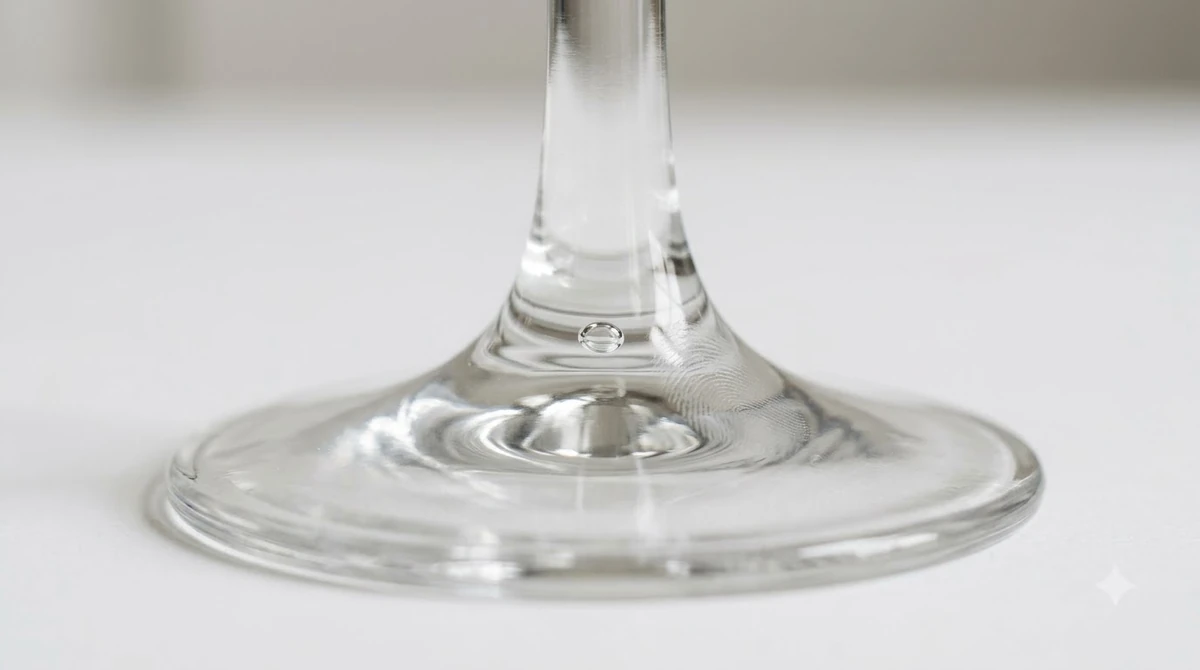
The transparent finish is especially attractive for simple decorative patterns. You can paint small leaves, colored bands, geometric shapes, or floral details while allowing light to pass through the design. This makes the paint a good option for stemware intended for a coordinated dinner setting, where a completely opaque design might feel too heavy.
Pébéo offers Vitrea 160 in liquid paint and marker formats, giving decorators flexibility with the same general product family. Its 10-bottle assortment contains 10 transparent glossy colors in 45 ml bottles. Individual colors, including emerald, are also available in the range. The emerald option has a transparent glossy finish that works particularly well for botanical details and restrained decorative patterns.
Preparation matters with this paint. Pébéo recommends removing grease with alcohol or soapy water before application. Allow the decoration to dry for at least 24 hours, then place the glass in a cold oven. Once the oven reaches 160°C (325°F), bake for 40 minutes. Leave the glass inside while the oven cools to reduce the risk of thermal shock.
That process takes patience, but it provides a clearly defined route toward a more durable decoration. Pébéo recommends an ECO dishwasher cycle and placement in the top basket for better durability after baking. The manufacturer also warns against using the product on surfaces intended for direct food contact. Its official Vitrea 160 instructions provide the specific preparation, curing, and care guidance.
For anyone planning a set of coordinated wine glasses, transparent brush-on paint is a particularly versatile choice. It provides more control over the intensity of larger colored areas than a marker, and different finishes can create contrasting effects without changing the underlying glassware.
Choose this type if your design depends on light passing through colored glass, rather than on a solid painted background.
Best Opaque Glass Paint for Bold Decorative Patterns
DecoArt Glass Paint is a good option for opaque wine glass artwork when the goal is visible color rather than a transparent stained-glass appearance. Its satin finish and metallic options suit larger motifs, decorative bands, and contrasting designs.
The manufacturer describes this water-based formula as suitable for glass and glazed ceramics. Its self-leveling properties help produce a smoother appearance with fewer visible brushstrokes. This is useful when painting larger sections of a glass, where uneven brush marks can otherwise distract from the design.
DecoArt recommends shaking the paint well and applying one or two coats with a soft brush or sponge. A sponge can be useful for creating repeated dots or softly textured patterns, while a brush provides better control over curved lines and defined shapes. The opaque finish is particularly effective for white, black, and colored accents against clear glass.
There is an important curing requirement. DecoArt specifies a four-day curing period before its optional oven treatment. For its top-rack dishwasher-resistant finish, the manufacturer instructs users to put the piece in a cool oven, heat it to 275°F, and bake for 30 minutes. The piece should cool inside the oven.
Do not confuse these instructions with those for other glass paints. The 275°F process is specific to the relevant DecoArt Glass Paint formula, not a universal temperature for every paint marketed for glass. The decorated glass must also be suitable for the specified heating process.
DecoArt explicitly states that its Glass Paint is not intended for direct food contact. Keep the artwork on the exterior, well below the rim, and avoid painting the interior of the bowl. For a glass that will be used regularly, this placement is more important than choosing an elaborate pattern.
Opaque glass paint is also useful for event decorations. For example, a small metallic motif or a solid-colored accent can distinguish different glasses at a dinner party without covering the entire bowl. Repeating the same pattern across several glasses creates a coordinated collection.
Choose this type when visibility and coverage matter more than transparency.
Best Glass Paint Markers for Names and Fine Details
Glass paint markers are the most convenient option for controlled lettering and small decorative details. They are particularly useful for writing names, dates, initials, and short messages on wine glasses without having to load a brush with paint.
Markers also make repeated designs easier to reproduce. For a wedding reception, for example, you might write a guest’s name beneath a small heart or draw a simple outline around a floral motif. For a wine-tasting event, a short label or initial can help distinguish decorative glasses without covering the bowl.
Two useful product directions are Pébéo Vitrea 160 markers and DecoArt Transparent Glass Paint Markers. They are not interchangeable, however, because their curing instructions differ. Pébéo includes markers in the Vitrea 160 family, while DecoArt describes its transparent markers as a separate option for lettering, outlines, and small illustrations.
With Pébéo markers, shake the marker well before use. The manufacturer advises storing them flat and protecting them from freezing. To prime a new marker, shake it briskly and press the tip continuously for approximately 30 to 60 seconds until the color reaches the nib.
DecoArt’s transparent markers have a different curing schedule. Its instructions specify approximately eight hours of air curing followed by 30 minutes at 325°F on suitable oven-safe surfaces. The glass should cool with the oven door partially open. These directions should not be substituted for Pébéo’s 160°C process.
Marker tips are especially useful for thin lines, but they are not necessarily the best choice for large filled-in areas. A brush-on paint generally gives more flexibility for wider color blocks, while a marker is easier to control for handwriting and small illustrations.
Another consideration is the shape of the glass. A curved bowl can make lettering difficult because the surface changes direction as you move the marker. Practice on a spare glass or another suitable glass surface before decorating the final set.
Keep the writing on the outside of the glass, below the drinking rim. Even a small design should not interfere with cleaning or drinking. For the neatest appearance, use short words and simple lettering rather than trying to fit a long message onto a narrow section of glass.
Choose markers when precision and convenience matter more than broad color coverage.
Best Stained-Glass Paint for Light-Through Color Effects
Stained-glass paint is the best category to consider for translucent, light-catching wine glass artwork. It is designed to let the underlying glass remain visible, creating a different appearance from the opaque coverage of conventional glass paint.
DecoArt Stained Glass Paint is one example of this category. Its glossy translucent finish is suitable for decorative projects where light passing through the painted areas is part of the intended effect. This makes it useful for colored panels, decorative bottles, and selected glassware designs.
On wine glasses, translucent paint can work well for small floral details, colored sections, and designs inspired by traditional stained glass. A few carefully positioned colors can create an interesting appearance without obscuring the entire bowl. Red, blue, green, and yellow are natural choices for a colorful decorative theme.
The application process is different from that of opaque paint. DecoArt recommends cleaning the glass surface and using a soft brush to distribute the color into the intended sections. Avoid repeatedly brushing an area as the paint begins to settle. Overworking the surface can interfere with an even finish.
There is also an important care limitation. DecoArt describes its Stained Glass Paint as hand-wash safe rather than dishwasher safe. Its guidance calls for four days of curing before baking on suitable oven-safe glass, or 21 days for full air drying. Even with those instructions, the finished decoration should be treated as a hand-wash project rather than assumed to be dishwasher resistant.
This distinction makes stained-glass paint less appropriate for glasses that will be washed frequently in a dishwasher. It is better suited to decorative glassware, occasional-use pieces, or a collection where gentle hand washing is acceptable.
It also makes sense to keep stained-glass designs relatively simple. Translucent colors can overlap visually when applied too heavily, and large painted areas can change the appearance of the wine inside the bowl. Small patterns near the lower part of the glass provide a more restrained result.
Before starting, consider how the finished glass will be used. If you want a colorful decorative object for a shelf or special occasion, stained-glass paint can be appealing. If you need a frequently washed everyday wine glass, a product with a suitable manufacturer-approved dishwasher-resistant process is a more practical direction.
Choose stained-glass paint for transparency and visual effects, not for the assumption that every translucent formula can withstand dishwasher cleaning.
Best Glass Enamel Paint for Glossy Handmade Decorations
Glass enamel paint is a useful choice for traditional painted patterns and glossy decorative accents. It is worth considering when you want the appearance of painted artwork rather than the transparent effect of stained-glass paint or the narrow lines of a marker.
FolkArt Enamel Paint is one recognizable option in this category. The manufacturer describes its enamel paint as a durable, glossy finish for glass and ceramic decoration. Its Gloss Enamel Paint Set includes 16 colors in individual 2 oz bottles, making a coordinated selection useful for people planning several different designs.
Enamel paint is particularly suited to decorative motifs that use multiple colors. You might paint small flowers, alternating dots, leaves, stars, or simple geometric shapes. A limited palette of three or four colors usually creates a more consistent appearance than using every available shade on the same glass.
For example, a white and gold design can suit formal table settings, while a combination of blue, green, and white can create a more relaxed decorative theme. A small repeating motif also makes it easier to decorate a matching group of glasses without requiring identical freehand artwork.
The application method depends on the product’s consistency and the detail involved. A small soft brush works well for petals and curved lines, while a rounded brush can create dots of relatively consistent size. For a more controlled result, sketch the arrangement on paper before painting the glass.
Do not assume that every enamel product has the same curing or dishwasher instructions. Some glass enamels require air curing, others specify oven curing, and the instructions may differ even between products from the same manufacturer. FolkArt’s general description of a glossy glass-and-ceramic finish does not establish a universal curing schedule for every enamel paint.
Read the directions for the exact enamel product before decorating a wine glass that will be washed or used regularly. If the manufacturer does not explicitly approve a particular dishwasher or oven-curing process, do not assume that adding a household clear coat will make the decoration permanent or food safe.
As with other glass paints, keep the artwork away from the rim and interior. A decorative glass can still be functional, but the drinking surface should remain clear. This is particularly important for gifts because the recipient may not know which areas are safe to touch or how the glass should be cleaned.
Choose glass enamel for colorful, glossy, hand-painted designs, particularly when the finished glasses will receive gentle care.
How to Choose Wine Glass Paint for Your Project
The right paint depends on three practical questions: what appearance you want, how you plan to apply the design, and how the finished glass will be cleaned. Answering these questions before buying can prevent a mismatch between the paint and the intended use.
1. Decide between transparent and opaque color
Transparent paints allow light to pass through the design, making them useful for colored glass effects and delicate motifs. Opaque paints provide more noticeable coverage, especially when you want a design that stands out against a clear bowl.
Markers offer another option when the design consists mainly of lettering or narrow outlines. If the glass needs a large colored section and several small details, using a compatible brush-on paint alongside a suitable marker may be more practical than expecting one application method to do everything.
2. Match the paint to your application technique
Brush-on paint provides control over larger areas, while markers make writing and fine illustrations easier. Sponges are useful for repeated dots and textured patterns, especially with opaque paint that can be distributed evenly across a small section of glass.
Beginners should start with simple designs. A single band, small flower, or repeated dot pattern is easier to reproduce than a complicated illustration covering the entire bowl. Once the basic technique is familiar, additional colors and details can be introduced.
3. Check the curing instructions before purchasing
Drying and curing are different stages. A surface that feels dry to the touch may not yet be ready for handling, washing, or oven treatment. The manufacturer’s specified waiting period is part of the application process, not an optional suggestion.
The differences between the paint types are significant. Pébéo Vitrea 160 requires at least 24 hours of drying followed by 40 minutes at 160°C. DecoArt Glass Paint requires four days of curing before its specified 30-minute process at 275°F. DecoArt Transparent Glass Paint Markers use approximately eight hours of air curing followed by 30 minutes at 325°F.
4. Consider the intended cleaning routine
If the wine glasses will be washed after every use, prioritize a formula whose manufacturer provides a suitable dishwasher-resistant curing process. If you are decorating glasses for a display, special event, or occasional use, a hand-wash formula may be sufficient.
Never assume that a product is dishwasher safe just because it is labeled permanent or suitable for glass. Those descriptions do not necessarily mean that the cured finish can withstand hot water, detergent, and repeated dishwasher cycles.
5. Keep the design away from the drinking surface
The rim is the most important area to leave undecorated. Pébéo advises stopping its Vitrea 160 decoration approximately 1 cm below the rim, and DecoArt explicitly excludes direct food contact for its glass-paint products.
Keeping the interior clear also makes cleaning easier. A decorative design on the lower outside of the bowl or the stem can provide plenty of visual interest without interfering with drinking.
6. Buy enough paint for a consistent set
When decorating several glasses for an event, plan the color scheme before purchasing. A limited selection of complementary colors is generally easier to manage than a large assortment of unrelated shades.
Consider making one sample glass first. This helps establish how transparent or opaque the color looks, how much paint is needed, and whether the design is comfortable to reproduce. It also gives you an opportunity to check the curing process before decorating the complete set.
Tip: Make one sample wine glass before decorating an entire collection. Test the design placement, paint coverage, and exact manufacturer curing instructions. Keep every painted area below the rim, and do not put a decorated glass through a dishwasher unless the specific paint and glass are approved for that process.
Finally, think about the finished presentation. A painted glass can be paired with wine glass charms for a coordinated party setting, particularly when several guests receive similar designs. If the glasses will be displayed between occasions, a wine glass holder can provide a practical storage solution.
Frequently Asked Questions
Can you paint crystal wine glasses instead of ordinary glass?
Some glass paints are specifically formulated for both glass and crystal. Pébéo lists glass and crystal as suitable surfaces for Vitrea 160. However, crystal composition and construction can vary, so confirm that the individual glass can tolerate the manufacturer’s specified curing temperature before using an oven-curable product.
Can painted wine glasses be used for sparkling wine?
Yes, a decorative design on the exterior does not prevent a glass from holding sparkling wine if the drinking surface remains undecorated. A flute or tulip-shaped glass also offers a different decorating area from a broad-bowled red wine glass. Avoid placing paint where it could interfere with the rim or contact the drink.
Can you remove glass paint if you change your design?
Removal depends on the specific paint and whether it has already cured. Pébéo says Vitrea 160 can be corrected with water or alcohol before baking, including by using a cotton swab for small mistakes. Once a design has undergone its specified curing process, removal may be considerably more difficult.
Does painting the stem affect the appearance of a wine glass?
Painting the stem can create a distinctive decorative effect without covering the bowl. It is a useful option for color-coding a set or adding a small metallic accent. Leave areas that are frequently gripped or handled as simple as possible, and follow the paint manufacturer’s instructions for cleaning and handling.
Can painted wine glasses be wrapped immediately after decorating?
It is better to wait until the complete drying and curing process has finished before wrapping the glasses. Tissue paper, protective sleeves, and packaging can rub against a fresh design and leave marks or transfer paint. Allow the glass to cool completely after any oven treatment before placing it into storage or gift packaging.
For most people looking for the best wine glass paint, a purpose-made glass formula is a better starting point than ordinary acrylic craft paint. Pébéo Vitrea 160 is particularly appealing for transparent designs, while DecoArt Glass Paint suits opaque decorations and glass markers are useful for personalized lettering. Choose according to the finish you want, follow the exact curing instructions, and keep the drinking rim free of paint for attractive, practical glassware.
More in Wine Accessories
 Coravin Vs Vacu Vin: Choose the Right Wine Saver for Your BottlesUpdated Nov 21, 2026
 Zwilling Wine Stopper Review: Preserve Open Bottles LongerUpdated Nov 21, 2026
 Wine Enthusiast Wine Preserver Review: Features, Benefits and LimitationsUpdated Nov 21, 2026
 Wine Enthusiast Wine Stopper: An Easier Way to Reseal Open BottlesUpdated Nov 21, 2026
 Vintorio Wine Opener: Two-Step Cork RemovalUpdated Nov 21, 2026
 Zwilling Wine Aerator Review: Aerate, Pour, and Seal With One ToolUpdated Nov 21, 2026