

We may earn a commission when you buy through links on this page, at no extra cost to you. Learn more.
Cheap white wine can taste fresh, balanced and enjoyable without costing much, especially when you choose reliable varieties such as Sauvignon Blanc, Pinot Grigio, Chardonnay and Chenin Blanc. Portugal’s Vinho Verde, Italy’s Soave and France’s Touraine are particularly useful regions to explore. The best purchase depends on whether you prefer crisp, fruity, creamy or slightly sweet wine, rather than simply choosing the lowest-priced bottle.
Finding an enjoyable everyday white wine is easier when you know which grapes and regions offer consistent value. Some inexpensive bottles deliver refreshing acidity and expressive fruit, while others provide a softer texture or a touch of sweetness that works particularly well with casual meals. This guide explains what to look for, how to compare bottles, and how to get the most enjoyment from an affordable white wine.
Who Should Buy Cheap White Wine
Affordable white wine is a practical choice for casual drinkers, beginners, dinner hosts and anyone who enjoys having a bottle ready for an ordinary evening. You do not need a prestigious appellation or an elaborate production story to find a pleasant wine for a weeknight dinner, backyard gathering or relaxed lunch. The key is matching the wine’s style to your preferences and intended occasion.
For beginners, inexpensive white wine offers an accessible way to discover different grapes without committing to expensive bottles. Try Sauvignon Blanc if you enjoy citrus and herbal aromas, Pinot Grigio if you prefer light apple and pear flavors, or Chardonnay if you like a rounder texture. Riesling is another useful starting point because it comes in both dry and sweeter expressions. Comparing these styles can help identify the characteristics you enjoy most.
Everyday wine drinkers can also benefit from exploring less familiar regions. Portugal, Greece, Austria and Spain produce white wines that receive less mainstream attention in the American market than famous French appellations. Sommeliers interviewed by VinePair have recommended options including Vinho Verde, Muscadet, Grüner Veltliner, Moschofilero and wines from Italy’s Marche region. These recommendations demonstrate that good value is not limited to internationally famous grapes.
Hosts planning a casual meal may want a versatile bottle that works with several dishes. A crisp Portuguese white can accompany seafood, salads and light appetizers, while a fuller Chardonnay is useful with roasted chicken, creamy pasta and grilled vegetables. If guests have different preferences, a dry aromatic wine and a slightly sweet Riesling provide two contrasting options without requiring a large collection.
There is also a difference between inexpensive wine for immediate enjoyment and bottles intended for aging. Most everyday whites are purchased to drink while their fruit and freshness are prominent. Spending more on extended maturation or a famous vineyard is unnecessary if the goal is simply an enjoyable glass with dinner. For shoppers comparing everyday choices, the broader collection of Wine Buying Guides can help explain labels, grapes and regional differences.
Key Factors to Compare When Buying Affordable White Wine
The most useful comparison points are grape variety, sweetness, acidity, body, origin and alcohol level. Looking at these characteristics together gives a better indication of what is inside the bottle than choosing based on a low shelf price alone.
Start with the style you enjoy. Crisp whites generally emphasize acidity and refreshing fruit, whereas fuller whites offer more weight and sometimes creamy or buttery textures. Sweetness is a separate characteristic: a light-bodied wine can be sweet, and a full-bodied wine can be completely dry. Understanding these distinctions makes it easier to choose something that suits your taste.
| Comparison factor | What to look for | Typical examples |
|---|---|---|
| Acidity | Refreshing, lively finish | Sauvignon Blanc, Riesling |
| Body | Light, medium or full texture | Pinot Grigio, Chenin Blanc, Chardonnay |
| Sweetness | Dry, off-dry or sweet | Dry Sauvignon Blanc, off-dry Riesling, Moscato |
| Alcohol | Often around 9% to 14% ABV across everyday styles | Vinho Verde, Pinot Grigio, Chardonnay |
| Serving temperature | Approximately 45 to 55 degrees F for most still whites | 45-50 F for light whites; 50-55 F for fuller whites |
| Bottle volume | Standard 750 ml bottle | Approximately 5 glasses at 5 oz each |
| Origin | Explore less famous wine regions | Minho, Touraine, Soave, Marche |
Grape variety is a useful starting point, but it does not guarantee one exact flavor. Sauvignon Blanc is generally known for high acidity and citrus or green-fruit character. Chardonnay has medium acidity and can range from lean and crisp to fuller and creamy depending on its production. Pinot Grigio commonly delivers a lighter profile, while Chenin Blanc can show apple, citrus, honey and floral notes across different sweetness levels.
Sweetness deserves particular attention because labels can sometimes be confusing. Dry means that little residual sugar remains, although ripe fruit aromas may make a dry wine seem fruity. Off-dry wines have a noticeable but restrained sweetness, while dessert-style whites are considerably sweeter. If you prefer a wine with more noticeable sugar, explore the options in this sweet white wine guide.
Alcohol content can provide another clue about style. Many lighter white wines fall around 9% to 12% ABV, while fuller expressions may reach approximately 13% to 14%. These are broad patterns rather than strict rules. Climate, grape ripeness and winemaking decisions all influence the final alcohol level, so compare the stated percentage alongside the grape and region.
Finally, consider where the wine comes from. A bottle from an established producer in a lesser-known region may offer more character than an inexpensive bottle carrying a famous regional name. A good value purchase is one that delivers the style and quality you want consistently, not simply one with the lowest shelf price.
Step-by-Step: How to Choose an Inexpensive White Wine
A simple buying process can narrow a large wine selection to a few suitable choices. Start with your preferred flavor, identify a matching grape or region, and then compare the bottle’s details before purchasing.
- Decide whether you want dry or sweet wine. This is the most important first decision. Choose dry Sauvignon Blanc, Pinot Grigio or Soave for a crisp, less-sweet experience. Consider off-dry Riesling or Moscato if you prefer noticeable fruit sweetness.
- Choose your preferred body. Light-bodied wines generally feel delicate and refreshing. Medium-bodied options such as many Chenin Blanc wines provide more texture, while fuller Chardonnay can feel rounder and richer. Think about whether you want something refreshing before dinner or substantial enough to accompany a creamy main course.
- Explore value-oriented regions. Look for Vinho Verde from Portugal, Touraine from France, Soave from Italy and affordable Austrian whites. These regions and styles offer alternatives to more expensive, internationally famous appellations.
- Compare the producer and grape. A recognizable grape variety makes it easier to anticipate the wine’s general character. Also consider the producer’s other offerings and whether the label clearly identifies the origin and style. A winery’s entry-level wine can be a sensible introduction to its approach.
- Consider the meal. High-acidity Sauvignon Blanc works well with lemon-seasoned seafood, while a fuller Chardonnay can accompany roast chicken. Slightly sweet Riesling is a useful option for dishes with chili heat because its sweetness can balance some of the spice.
- Check the alcohol percentage and bottle size. Compare the ABV with your preferred style and make sure you are comparing equivalent bottle volumes. A 750 ml bottle provides approximately five standard 5 oz servings, while a 1-liter bottle provides approximately 6.8 such servings.
- Buy a single bottle before stocking up. Even wines made from the same grape can differ in sweetness, acidity and texture. Try one bottle first, then purchase additional bottles if the style and producer suit your preferences.
This approach helps prevent a common shopping problem: purchasing a bottle because it looks familiar, then discovering that its sweetness or texture is not what you wanted. A little attention to grape, region and intended use can make the selection process considerably easier.
Tip: If you normally buy expensive Sauvignon Blanc, try Touraine Sauvignon Blanc from France or a Portuguese white made with Alvarinho. These less familiar choices can provide crisp citrus flavors and refreshing acidity without relying on the prestige of a famous appellation.
Another useful strategy is to compare two wines with similar characteristics rather than buying completely different styles at random. For example, try a Pinot Grigio from Italy alongside a Portuguese Vinho Verde. Both can offer refreshing drinking, but their aromas, textures and regional character may be noticeably different. Keeping a short note of what you liked makes future purchases easier.
Types of Cheap White Wine Worth Exploring
Several white wine styles are particularly useful for shoppers who want quality and variety without concentrating on prestigious labels. The best starting choices include crisp European whites, familiar international grapes and aromatic wines with varying sweetness levels.
1. Sauvignon Blanc
Sauvignon Blanc is a reliable option for people who enjoy freshness, citrus and herbal aromas. It typically has high acidity and can show flavors of lime, grapefruit, green apple and fresh herbs. New Zealand is famous for expressive Sauvignon Blanc, while France’s Loire Valley offers a different style that often emphasizes citrus, mineral notes and restrained fruit.
For better value, explore Touraine rather than focusing exclusively on Sancerre. Both are Loire Valley appellations, but Touraine often provides an accessible alternative for shoppers who want a crisp regional Sauvignon Blanc. It is particularly suitable with grilled fish, goat cheese, salads and seafood dishes prepared with lemon.
2. Pinot Grigio
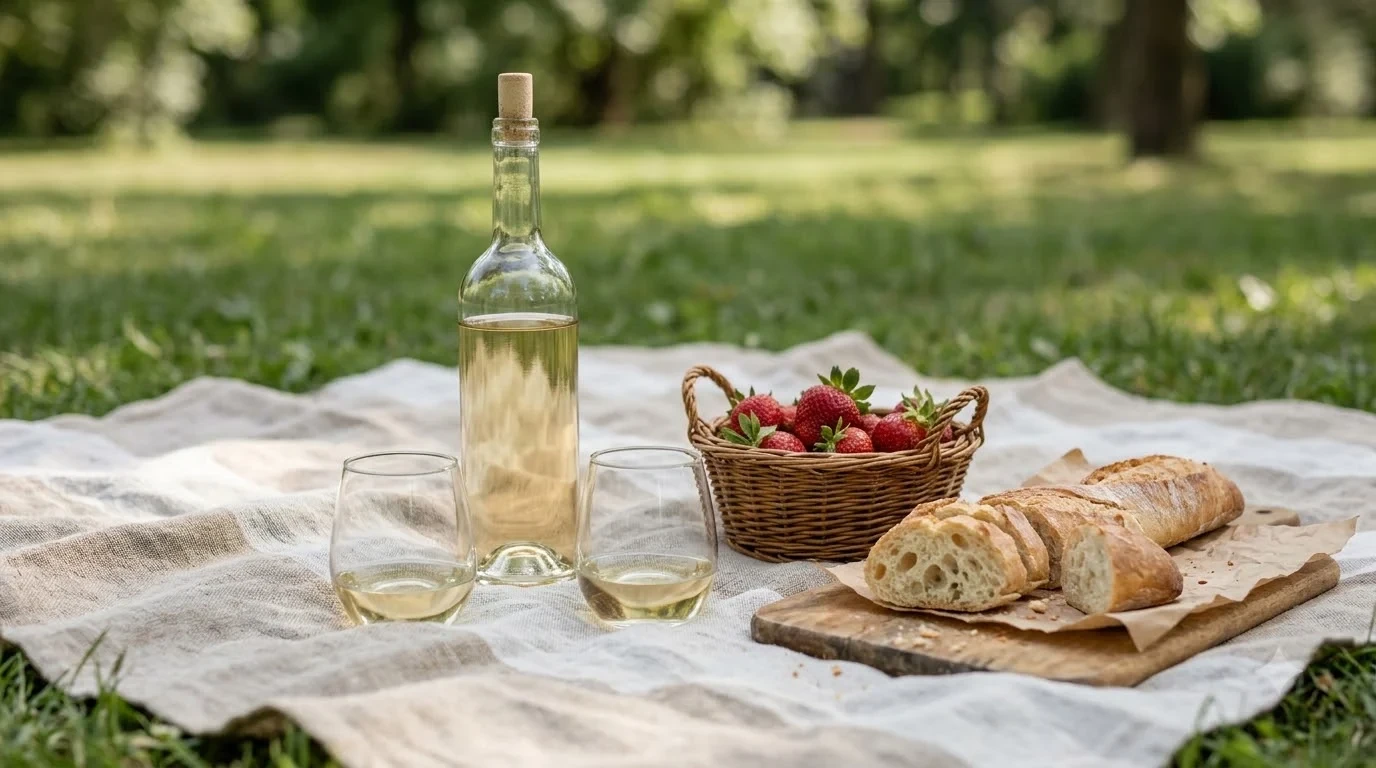
Italian Pinot Grigio is a familiar choice for drinkers who prefer light-bodied, uncomplicated white wine. Typical examples offer pear, green apple, lemon and subtle floral notes. The style is generally refreshing and straightforward, making it useful for casual lunches, picnics and gatherings.
Look for bottles from established Italian growing areas rather than assuming that every bottle labeled Pinot Grigio will taste the same. Some examples are very light and neutral, while others offer greater concentration and mineral character. Serve the wine at approximately 45 to 50 degrees F, and pair it with grilled vegetables, shrimp, mild cheeses or simple pasta dishes.
3. Vinho Verde
Vinho Verde is one of the strongest choices for shoppers looking for refreshing Portuguese white wine. It comes from the Minho region in northwestern Portugal and commonly features grape varieties such as Loureiro, Arinto and Alvarinho. The wines are generally light, crisp and aromatic, with citrus, green fruit and sometimes a gentle spritz.
Vinho Verde is especially useful for warm-weather occasions and casual seafood meals. Its lively acidity complements shellfish, grilled shrimp and salads, while its refreshing profile makes it enjoyable without food. Some bottles are made to be consumed young, while more substantial Alvarinho-based examples can provide additional texture and complexity. VinePair’s sommelier recommendations for bargain white wines also highlight Vinho Verde and other Portuguese whites as worthwhile value choices.
4. Chardonnay
Chardonnay is a versatile grape that can produce several different styles. Unoaked examples are often crisp and citrus-driven, with apple and pear notes, while oak-aged wines may have a fuller texture and flavors associated with vanilla, toast and ripe stone fruit. Its medium acidity makes it suitable for people who prefer less sharpness than Sauvignon Blanc typically provides.
Affordable Chardonnay can come from California, Chile, Australia and other established wine-producing areas. For a lighter style, look for descriptions emphasizing fresh fruit and restrained oak. For a richer dinner wine, choose a rounder expression to accompany roast chicken, grilled corn, creamy pasta or baked fish with butter-based sauce.
5. Chenin Blanc
Chenin Blanc is an excellent grape for shoppers who want versatility. Loire Valley examples from Vouvray, Montlouis and Anjou can range from bone-dry to off-dry, with high acidity and flavors of apple, pear, citrus, honey and flowers. This combination makes the grape useful for different meals and personal preferences.
A dry Chenin Blanc can replace Sauvignon Blanc when you want freshness with a little more texture. Off-dry versions are useful with spicy Asian dishes, pork and mildly sweet sauces. Because the grape has naturally high acidity, it can retain freshness even when a wine has some residual sugar.
6. Riesling
Riesling is a good choice for anyone who wants an aromatic white with distinctive fruit. It can be dry, off-dry or sweet, and frequently shows lime, green apple, peach and floral aromas. German Riesling is particularly useful for exploring different sweetness levels, while Austrian examples often lean toward drier expressions.
For affordable options, look beyond the most prestigious vineyards and explore entry-level regional bottlings. Riesling works especially well with Thai food, spicy noodles, ginger-seasoned dishes and aromatic vegetables. Its high acidity keeps the wine lively, while a little residual sweetness can balance chili heat.
7. Soave and Other Italian Whites
Soave is an Italian white wine primarily associated with the Garganega grape. It can deliver citrus, pear, white flowers and subtle almond notes, often with refreshing acidity. It is a useful alternative for drinkers who enjoy Pinot Grigio but want something with a little more character.
Verdicchio from the Marche region is another style worth exploring. It commonly combines bright acidity with citrus, mineral notes and a slightly bitter almond finish. Sommeliers have specifically highlighted Verdicchio as an attractive everyday value. These Italian whites work with seafood, risotto, grilled vegetables and simple chicken dishes.
Common Mistakes When Buying Cheap White Wine
Low-priced wine shopping becomes easier when you avoid a few assumptions about quality, sweetness and origin. The biggest mistake is treating the shelf price as a reliable measure of how much you will enjoy the wine.
First, do not automatically assume that the cheapest bottle is the best bargain. A small difference in shelf price can sometimes mean a noticeable difference in balance, fruit character or finish. However, a higher price is not a guarantee of better quality either. Consumer Reports explains in its wine buying guide that some relatively inexpensive wines can perform well, while more expensive bottles are not automatically superior.
Another common mistake is buying by grape name alone. Chardonnay can be lean and citrus-driven or full and creamy. Riesling can be bone-dry or distinctly sweet. Sauvignon Blanc from one region may emphasize grassy herbs, while another can show ripe tropical fruit. The grape provides a starting point, but region and winemaking influence the finished style.
Confusing fruitiness with sweetness can also lead to disappointing purchases. A dry wine can smell strongly of peach, pineapple or ripe pear without containing much residual sugar. If you specifically want sweetness, seek a wine described as off-dry, medium-sweet or sweet rather than relying on fruity tasting notes.
Some shoppers also overlook lesser-known regions because they recognize names such as Burgundy, Sancerre or Napa Valley. Regional reputation can influence what shoppers are willing to pay, but unfamiliar origins can provide excellent everyday options. Try Minho in Portugal, Touraine in France, Marche in Italy or Austria’s Kamptal and Kremstal before assuming that a famous region is the only source of quality.
Another mistake is choosing a wine that does not suit the food. A highly acidic white can work beautifully with lemon-dressed seafood, but a very delicate wine may disappear beside a rich cream sauce. Similarly, a sweet wine may feel unbalanced with an already sugary dessert if it is less sweet than the food. Consider the seasoning and preparation rather than relying only on whether the meal contains fish, poultry or vegetables.
Finally, avoid purchasing a large quantity based on one successful bottle from a particular vintage. White wine can vary between harvests, and different bottlings from the same producer may also have different styles. Try a new wine first and build a larger purchase around bottles you genuinely enjoy.
Care and Storage Tips for Affordable White Wine
Proper serving and storage help preserve the freshness that makes everyday white wine enjoyable. Most affordable still whites are intended for relatively early consumption, so careful refrigeration and sensible serving temperatures matter more than elaborate cellaring arrangements.
For lighter white wines such as Pinot Grigio, Vinho Verde and Sauvignon Blanc, aim for approximately 45 to 50 degrees F. Fuller-bodied whites such as Chardonnay are generally more expressive around 50 to 55 degrees F. Sweet whites can be served around 43 to 50 degrees F, depending on their body and sweetness. Extremely cold wine can hide aromas and make it harder to appreciate the fruit.
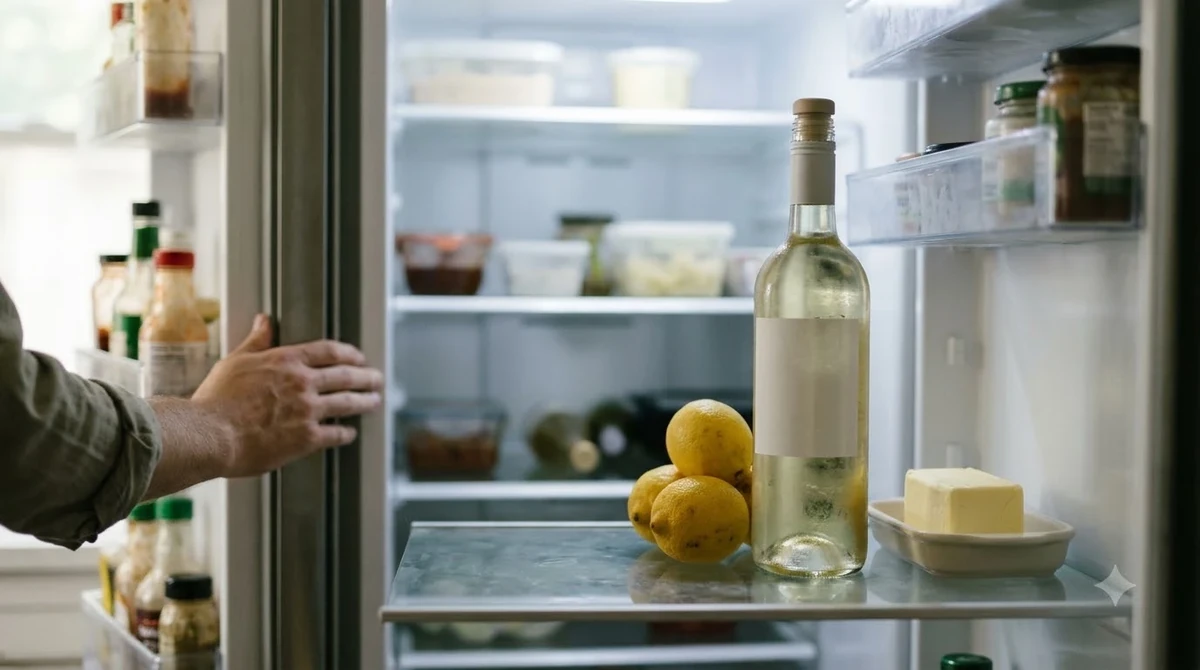
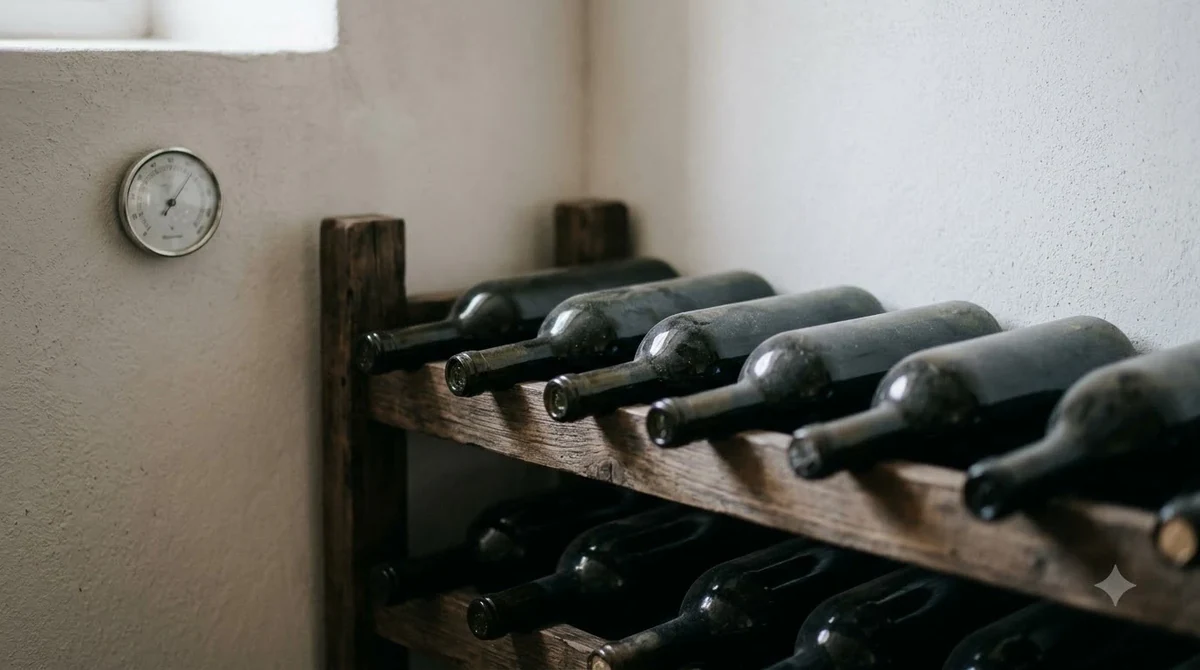
A refrigerator is convenient for short-term storage after purchase. For bottles intended to be kept longer, choose a cool, dark and relatively stable location. A temperature near 55 degrees F is a useful storage target. Keep bottles away from direct sunlight, kitchen heat and repeated temperature changes. Bottles sealed with natural cork are generally stored on their sides to keep the cork from drying out.
Once opened, reseal still white wine and place it in the refrigerator. Most opened still wines remain enjoyable for approximately 3 to 5 days, although the exact period depends on the wine, storage conditions and amount of oxygen exposure. A bottle with only a small amount remaining may lose freshness faster because more air is present inside the container.
Use a proper stopper if the original closure cannot be replaced securely. Pouring the remaining wine into a smaller airtight bottle can also reduce the amount of air inside the container. Avoid leaving an opened white wine on the kitchen counter overnight, particularly in a warm room.
For serving, a standard 750 ml bottle provides approximately five 5 oz glasses. This makes it easier to estimate quantities when hosting a dinner or informal gathering. Use clean white wine glasses with enough space to swirl the wine gently and release its aromas. Special glassware is not essential for enjoying an affordable bottle.
White wine generally does not need extensive decanting. Opening a bottle shortly before serving is usually sufficient, and swirling a glass helps release aromas more effectively than leaving the bottle open for a long time. If a wine seems too cold, allow it to warm slightly in the glass before deciding whether you enjoy its texture and flavor.
Frequently Asked Questions
Can inexpensive white wine be suitable for a dinner party?
Yes. A well-chosen bottle can be entirely appropriate for entertaining, particularly when the menu is casual or seasonal. Consider offering two styles, such as a dry Sauvignon Blanc and an off-dry Riesling, so guests can choose according to their preferences. For a larger gathering, chilled bottles in an ice bucket also make serving easier.
Does screw-cap white wine mean lower quality?
No. Screw caps are widely used for white wines intended to preserve fresh fruit character. They provide a consistent closure and are convenient for everyday drinking. The closure type alone does not determine the quality of the wine or the skill of its producer.
What does the term sur lie mean on a white wine label?
Sur lie refers to aging wine on its lees, which are the spent yeast cells left after fermentation. This process can contribute a rounder texture and additional complexity. Muscadet from France is particularly associated with this traditional approach, making the term useful for shoppers exploring textured, seafood-friendly whites.
Can white wine be frozen to chill it quickly?
A freezer can cool a bottle quickly, but prolonged freezing can cause the liquid to expand and potentially push out the closure or break the bottle. A safer alternative is an ice-water bath, which can chill a bottle more efficiently than ice alone. Keep track of the bottle so it is removed before becoming excessively cold.
What is the difference between Pinot Grigio and Pinot Gris?
They are names for the same grape variety, but the regional traditions often produce different expressions. Italian Pinot Grigio is commonly light, crisp and restrained, while Alsatian Pinot Gris can be fuller and more aromatic, sometimes with noticeable richness or sweetness. These are general stylistic tendencies rather than fixed rules.
Choosing an enjoyable affordable white wine is mainly about understanding the style you like and exploring producers and regions that offer good value. Start with dependable choices such as Vinho Verde, Sauvignon Blanc, Pinot Grigio, Chenin Blanc or Soave, then experiment with less familiar grapes as your preferences develop. With a little attention to sweetness, acidity, serving temperature and food pairing, an everyday bottle can be a rewarding part of almost any casual meal.
More in Wine Buying Guides
 Cheap Red Blend: How to Find a Flavorful Bottle for LessUpdated Nov 20, 2026
 Pinot Grigio Gift: How to Choose a Bottle They’ll EnjoyUpdated Nov 20, 2026
 Best White Wine at Total Wine for Every MealUpdated Nov 20, 2026
 Wine Fridge Replacement Shelves: Find the Right FitUpdated Nov 20, 2026
 Best Sparkling Wine Under 20: Find Bubbles Worth BuyingUpdated Nov 20, 2026
 Best Wine For Birthday Celebrations With Perfect Party PairingsUpdated Nov 20, 2026