

We may earn a commission when you buy through links on this page, at no extra cost to you. Learn more.
Cheap champagne can be genuinely enjoyable when you choose non-vintage Brut from a reliable producer, compare cooperative and grower bottlings, and understand what the label tells you. Affordable Champagne is still real Champagne if it comes from the protected French appellation and follows its production requirements. The smartest purchase is usually a straightforward non-vintage bottle rather than an expensive vintage or prestige cuvée. If authenticity matters less than getting the most sparkling wine for your money, Cava and Crémant are also excellent alternatives.
Champagne has a reputation for luxury, elaborate celebrations, and premium packaging, but buying a bottle does not have to involve chasing famous labels. There are practical ways to find approachable Champagne without sacrificing its characteristic acidity, fine bubbles, and layered flavors. The key is understanding where production costs come from, which producer categories offer value, and which details deserve attention when comparing bottles.
Who Should Buy Affordable Champagne
Affordable Champagne is a sensible choice for shoppers who want the genuine French appellation for birthdays, holiday gatherings, dinner parties, and smaller celebrations. A non-vintage Brut from an established house or cooperative generally offers the most straightforward combination of familiar flavor, dependable production, and everyday versatility.
It is particularly useful for people who enjoy sparkling wine but do not need a prestigious vintage or a rare single-vineyard bottling. Non-vintage Champagne combines wines from different harvests to create a recognizable house style. This blending approach gives producers more flexibility than making a wine from one particular harvest, which can help keep an introductory bottle accessible.
Budget-conscious hosts should also consider bottle size. A standard 750 ml bottle provides approximately five servings when poured at the customary 5 oz per glass. A 375 ml half-bottle provides approximately two to three smaller servings, making it useful for a quiet dinner or a celebration involving only a couple of people. Smaller formats can have a higher cost per ounce, so compare the actual amount of wine rather than assuming the smallest bottle is the cheapest option.
Affordable Champagne also suits people who prefer crisp, food-friendly sparkling wine. Its naturally high acidity works particularly well with fried appetizers, salty snacks, seafood, and creamy dishes. The bubbles and freshness provide contrast to rich textures without requiring a complicated food menu.
However, shoppers primarily interested in inexpensive party bubbles may be better served by sparkling wine from outside France’s Champagne region. Cava from Spain, Crémant from other French regions, and domestic traditional-method sparkling wines can offer attractive alternatives. Wine Folly’s guide to sparkling wine at different budgets explains why looking beyond Champagne can make a substantial difference to the selection available.
The distinction comes down to priorities. If the Champagne appellation is important, concentrate on entry-level non-vintage bottles and less familiar producers. If the priority is simply fresh, enjoyable bubbles, compare other sparkling-wine regions before making a decision. Both approaches can produce a satisfying bottle, but they are not interchangeable in terms of origin or labeling.
Key Factors to Compare Before Buying Cheap Champagne
The best value comes from comparing production details, sweetness, producer type, bottle size, and the wine’s intended drinking occasion. A few minutes spent reading the front and back labels can help distinguish a useful everyday bottle from one that relies mainly on presentation.
| Buying factor | What to look for | Why it matters |
|---|---|---|
| Production category | Non-vintage | Blends multiple harvests for consistency |
| Sweetness | Brut, under 12 g/L sugar | Provides a versatile dry style |
| Producer classification | NM, RM, or CM | Identifies the producer’s operating category |
| Bottle volume | 375 ml or 750 ml | Helps compare servings and overall value |
| Minimum cellar aging | 15 months for non-vintage | Reflects the appellation’s production requirements |
| Serving temperature | 40–50°F | Preserves freshness and controlled effervescence |
| Serving quantity | 5 oz per glass | Provides approximately five servings per 750 ml bottle |
Start with the word Champagne itself. It is a protected geographical designation, not a general name for every French sparkling wine. The wine must come from the defined Champagne region in northeastern France and meet the appellation’s production rules. A bottle labeled French sparkling wine, sparkling Chardonnay, or méthode traditionnelle may be made using a similar technique, but that does not make it Champagne.
Next, consider the producer. Large houses commonly purchase grapes and base wines from multiple growers, allowing them to blend consistently across harvests. Cooperatives pool grapes from their members and produce wine collectively. Independent growers may make Champagne from grapes grown on their own vineyards. Each approach has different production economics and a different relationship between the producer and the vineyard.
Finally, examine the sweetness category and bottle format. Brut is a reliable starting point for shoppers who want a dry, adaptable wine. A 750 ml bottle is generally more practical for a group, while a 375 ml bottle can reduce the amount left over after a small gathering. Comparing these details is more useful than choosing a bottle solely because its packaging resembles a luxury gift.
Step-by-Step: How to Choose a Good Value Bottle
A simple buying process helps narrow the selection without requiring extensive knowledge of Champagne producers. Start by confirming the appellation, then work through the style, producer, format, and storage conditions.
-
Confirm that the bottle is genuine Champagne.
Look for the word Champagne on the label and confirm that France is identified as the country of origin. Do not confuse a traditional-method sparkling wine from another French region with Champagne. Crémant, for example, can be excellent but comes from a different appellation.
-
Start with a non-vintage bottling.
Look for NV or a bottle without a harvest year. Non-vintage Champagne blends wines from multiple harvests, giving the producer flexibility to maintain a consistent style. This is generally the most practical category for everyday purchasing.
-
Choose Brut for a versatile dry style.
Brut contains less than 12 grams of sugar per liter under the Champagne classification. It offers a useful middle ground between very dry Brut Nature and sweeter Demi-Sec. If you prefer more pronounced dryness, compare Extra Brut and Brut Nature instead.
-
Compare the producer classification.
Look for NM, RM, or CM near the label information. NM indicates a négociant-manipulant, RM identifies a grower-producer, and CM indicates a cooperative producer. These abbreviations explain the production structure, although none guarantees that a particular bottle will taste better than another.
-
Consider the grapes and style.
Chardonnay generally contributes freshness and citrus character, Pinot Noir adds body and structure, and Pinot Meunier can contribute generous fruit. A blend can provide balance, while Blanc de Blancs identifies Champagne made exclusively from white grapes, commonly Chardonnay.
-
Compare bottle sizes and intended servings.
A 750 ml bottle gives approximately five 5 oz pours. A 375 ml half-bottle offers around two to three smaller servings. For a gathering of ten adults, two standard bottles provide approximately ten conventional pours.
-
Buy from a retailer with suitable storage.
Choose a wine merchant that stores bottles away from excessive heat and direct sunlight. Proper storage protects freshness, especially if the bottle has been sitting in retail inventory for an extended period.
Tip: If you are uncertain which bottle to choose, start with a non-vintage Brut from an established house or cooperative. It is generally a more dependable introduction to authentic Champagne than an unfamiliar bottle selected solely because its packaging looks expensive.
These steps also help prevent unnecessary spending on features that may not matter to your occasion. A vintage declaration, prestige packaging, or a specialized vineyard designation can be interesting, but none is essential for a successful aperitif or dinner-party bottle. A well-made non-vintage Champagne can be exactly the right purchase.
For additional background on choosing bottles across different wine categories, explore the site’s Wine Buying Guides. Understanding the relationship between grape varieties, production methods, and label terminology makes it easier to compare Champagne with other sparkling wines.
Types and Styles of Champagne Worth Comparing
Affordable Champagne is available in several styles, but non-vintage Brut is usually the easiest place to begin. Blanc de Blancs, Blanc de Noirs, rosé, and different dosage categories offer alternatives for shoppers who want a particular flavor profile or food pairing.
Non-Vintage Brut
Non-vintage Brut is the most practical starting point for a budget-conscious buyer. It combines wines from different harvests, and producers use blending to maintain a recognizable house character. Its dryness and acidity make it suitable for a wide range of occasions, from casual appetizers to seafood dinners.
The Champagne appellation requires at least 15 months of cellar aging for non-vintage wine. That minimum production requirement distinguishes authentic Champagne from many inexpensive sparkling wines made using faster production methods. The additional bottle aging can contribute texture and subtle flavors of bread, pastry, and nuts.
Blanc de Blancs
Blanc de Blancs means white wine made from white grapes. Chardonnay is the most familiar grape in this category, and its naturally bright acidity can produce Champagne with lemon, green apple, white flowers, and chalk-like mineral impressions.
It is a useful option for shoppers who prefer a lighter, fresher style. Blanc de Blancs can pair especially well with oysters, shellfish, delicate white fish, and light appetizers. However, a Blanc de Blancs designation does not automatically indicate that a bottle is inexpensive or superior to a blended Brut.
Blanc de Noirs
Blanc de Noirs is white Champagne made from dark-skinned grapes, particularly Pinot Noir and Pinot Meunier. The juice is separated from the skins during production to prevent the wine from taking on a red color.
This style can offer more body, ripe orchard-fruit character, and a broader mouthfeel than some Chardonnay-led Champagnes. It can work particularly well with roast chicken, mushroom appetizers, and savory pastries. It is worth comparing when a standard Brut seems too light for the food being served.
Rosé Champagne
Rosé Champagne offers a pink color and often includes strawberry, raspberry, cherry, or red-currant notes. Producers can make it using different permitted techniques, including blending red wine into the base wine or allowing controlled skin contact.
Rosé is attractive for celebrations and pairs well with smoked salmon, roast poultry, and dishes featuring red berries. It is not automatically sweeter than white Brut Champagne. The dosage category remains important, so a Brut Rosé can still be a dry wine.
Understanding Sweetness Categories
Dosage is an important buying detail because two bottles with similar packaging and grape varieties can taste noticeably different. The following classifications describe the permitted sugar levels associated with Champagne labeling.
| Champagne category | Residual sugar | General style |
|---|---|---|
| Brut Nature | Under 3 g/L | Very dry |
| Extra Brut | Under 6 g/L | Very dry and crisp |
| Brut | Under 12 g/L | Dry and versatile |
| Extra Dry | 12–17 g/L | Noticeably softer |
| Sec | 17–32 g/L | Medium sweetness |
| Demi-Sec | 32–50 g/L | Sweet |
| Doux | Over 50 g/L | Very sweet |
One common source of confusion is Extra Dry. Despite its name, Extra Dry is sweeter than Brut. Shoppers who want a crisp, dry wine should generally look for Brut, Extra Brut, or Brut Nature. Those who enjoy a softer sparkling wine may prefer Extra Dry or Demi-Sec.
For more detail about choosing sweetness levels, compare the site’s guides to dry Champagne and sweet Champagne. Matching sweetness to personal preference is often more important than choosing a prestigious label.
Common Mistakes When Shopping for Inexpensive Champagne
The biggest mistakes involve confusing sparkling wine with Champagne, assuming that vintage always means better quality, and choosing by packaging instead of production details. Understanding a few common misconceptions can make a significant difference to the purchase.
Assuming Every French Sparkling Wine Is Champagne
France produces sparkling wines in several regions. Crémant d’Alsace, Crémant de Bourgogne, and Crémant de Loire are examples of wines that can offer excellent quality through traditional bottle fermentation. However, they are not Champagne because they come from different geographical appellations.
This distinction is important when comparing bottles. If you specifically want Champagne, confirm the protected regional designation. If your goal is an affordable traditional-method sparkling wine, Crémant deserves consideration even though it cannot carry the Champagne name.
Believing Vintage Automatically Means Better Value
A vintage Champagne is made from grapes harvested in a single declared year. It must undergo at least 36 months of cellar aging under appellation rules, compared with the 15-month minimum for non-vintage Champagne.
That longer minimum aging requirement and the use of a particular harvest can contribute to higher production costs. Vintage wine can be excellent, but the additional expense may not provide a meaningful benefit if you simply need a fresh, enjoyable bottle for a casual gathering.
Choosing the Sweetest Bottle Without Checking Its Classification
Sweetness terms can be misleading to shoppers unfamiliar with French wine terminology. Extra Dry is actually sweeter than Brut, while Demi-Sec is considerably sweeter than both. Choosing a bottle without understanding dosage can lead to an unexpected pairing, especially when serving dry appetizers or seafood.
If the wine is intended for dessert, the sweetness of the Champagne should generally match or exceed the sweetness of the food. A very dry Brut may taste sharp beside a sweet cake or fruit tart, whereas a Demi-Sec can be a more suitable match.
Overpaying for Packaging and Famous Names
A recognizable label can provide reassurance, but a prestigious appearance is not a reliable measure of the wine’s actual quality. Large Champagne houses, independent growers, and cooperatives all produce different styles, and lesser-known producers can offer appealing bottles without the same level of brand recognition.
Instead of choosing the heaviest bottle, decorative gift box, or most elaborate label, compare the producer classification, dosage, and style. A simple bottle with clear production information can be a more sensible purchase than a heavily marketed alternative.
Expecting Champagne at Every Very Low Price Point
Authentic Champagne involves hand harvesting, regulated yields, bottle fermentation, and extended cellar aging. These production requirements place limits on how inexpensive a finished bottle can realistically become.
When the budget is extremely tight, a well-made Cava, Crémant, or domestic sparkling wine may provide a better overall experience. The mistake is not choosing an alternative; it is paying Champagne-level expectations for a product that does not actually come from Champagne.
Care, Storage, and Serving Tips for Better Value
Good storage and serving practices protect the flavor and bubbles of Champagne regardless of the bottle’s price. Keep unopened bottles away from heat and strong light, chill them properly before serving, and use an appropriate sparkling-wine glass.
Store Unopened Bottles Correctly
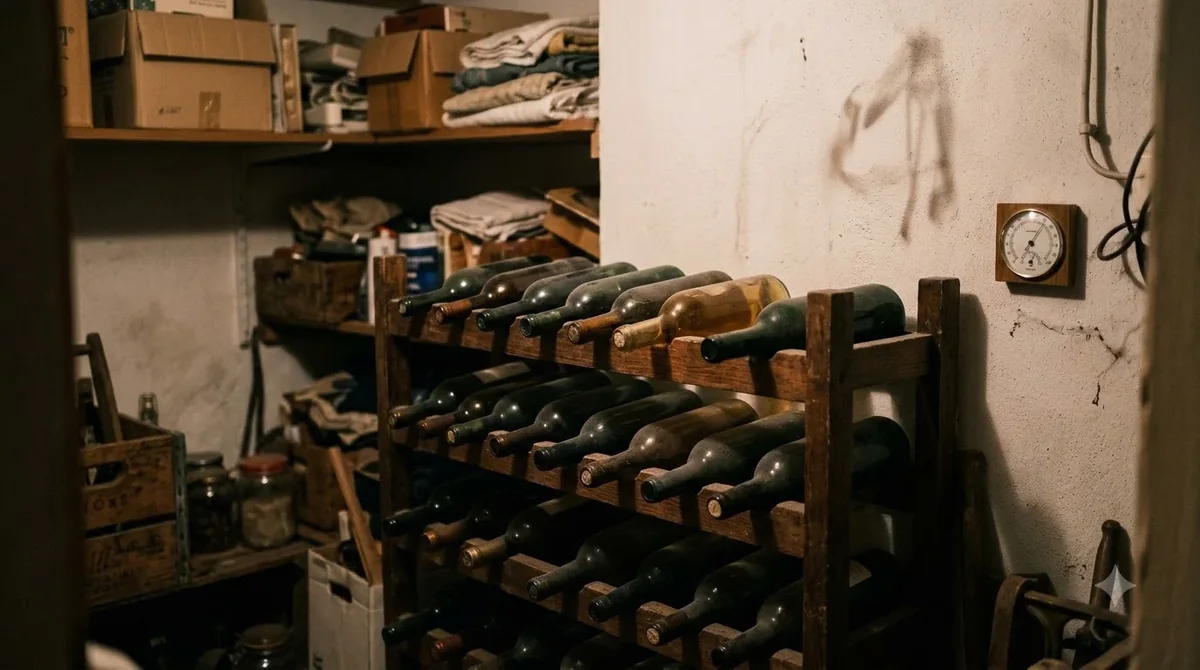
For longer storage, keep Champagne in a cool, dark location at approximately 55°F. A relatively stable temperature is more important than frequent movement between warm and cold environments. Avoid storing bottles near ovens, radiators, sunny windows, or other heat sources.
Bottles with traditional cork closures can be stored on their sides in suitable conditions to help keep the cork from drying out. Short-term refrigerator storage is also practical, but Champagne is generally best kept away from strong food odors and frequent temperature fluctuations.
Most non-vintage Champagne is intended to be enjoyed relatively young rather than stored for many years. It can be perfectly enjoyable without additional cellaring, so buying an entry-level bottle does not require a complicated aging plan.
Chill Before Opening
Champagne is best served between 40°F and 50°F. This temperature range helps maintain refreshing acidity while keeping the bubbles controlled. If the wine is too warm, it can release foam too quickly and become harder to pour neatly.
Allow approximately three hours in the refrigerator for a bottle that starts at room temperature. For faster chilling, place the bottle in an ice bucket filled with ice and water for around 20 minutes. Avoid putting a bottle in the freezer for an extended period because freezing can damage the wine or cause the bottle to break.
Open and Pour Carefully
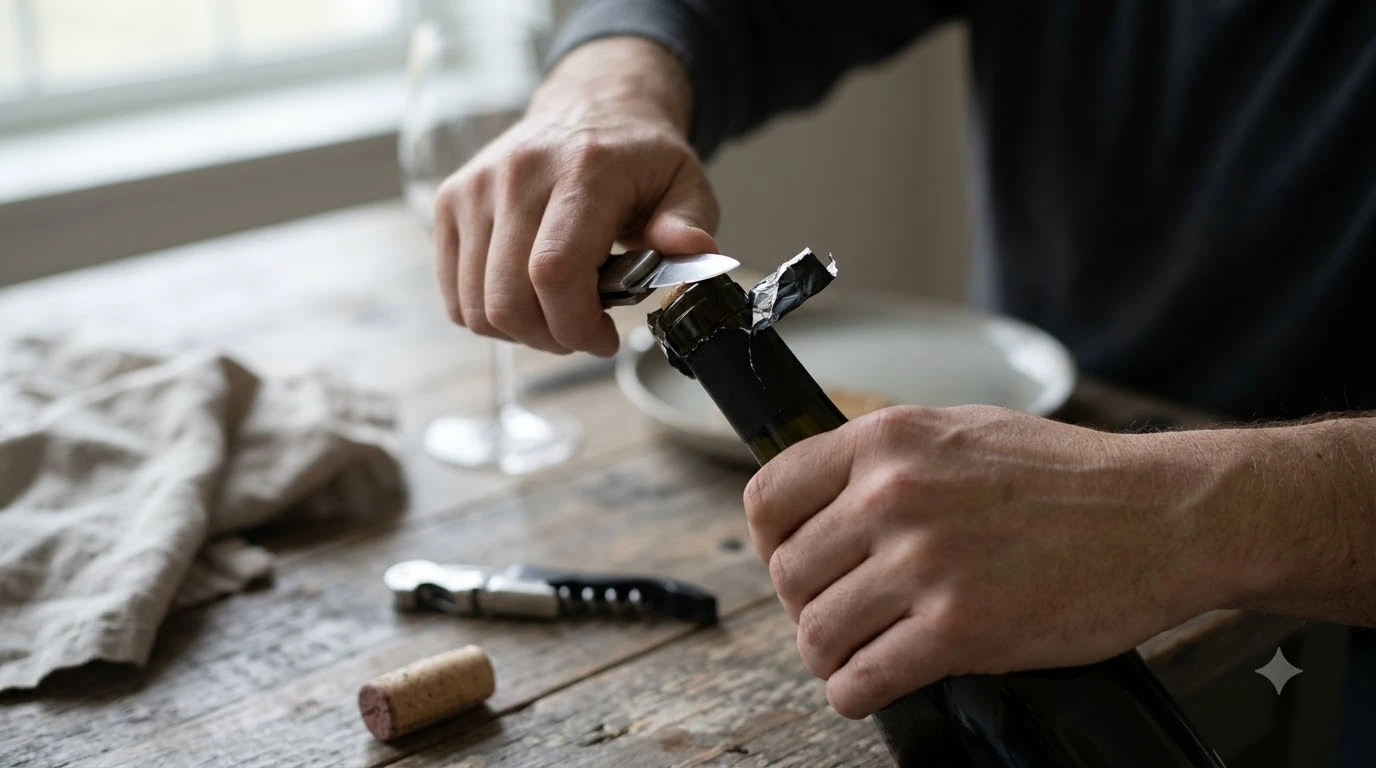
Remove the foil and loosen the wire cage while keeping a hand over the cork. Hold the cork securely and gently twist the bottle rather than pulling the cork upward. A controlled release helps retain carbonation and reduces the risk of the cork flying across the room.
Use a tulip-shaped sparkling-wine glass or a standard white wine glass rather than a very wide coupe. A narrower opening helps preserve the bubbles and concentrates the aromas. Pour slowly, allowing the initial foam to settle before topping up the glass.
A customary 5 oz pour means one 750 ml bottle supplies approximately five servings. For a larger party, plan the number of bottles around the actual guest count and whether Champagne is the only beverage being served.
Preserve an Open Bottle
After opening, store leftover Champagne upright in the refrigerator with a proper sparkling-wine stopper. The stopper helps retain carbonation, although the wine is best consumed within one to three days for its freshest bubbles and aromas.
A regular cork is not a reliable replacement for a sparkling-wine stopper because pressure inside the bottle can push it out. Avoid leaving an open bottle on the counter overnight, especially in a warm room. Even a good affordable Champagne loses some of its appeal when its bubbles disappear.
Pair Champagne With Food
Brut Champagne is particularly adaptable because its high acidity and bubbles complement salty, rich, and fried foods. Try it with oysters, shrimp, fried chicken, potato chips, soft cheeses, or savory pastries. The contrast between freshness and richness makes even a simple meal feel more considered.
For a Chardonnay-led Blanc de Blancs, choose shellfish, fresh seafood, or delicate appetizers. Pinot Noir-influenced Blanc de Noirs can be a better match for roast chicken and richer savory dishes. Rosé Champagne is an appealing partner for smoked salmon and dishes with red-fruit accents.
For sweet desserts, select a Champagne with sufficient sweetness rather than relying on Brut to work with every course. Demi-Sec is a useful category for fruit tarts and sweet pastries. The general principle is straightforward: the wine should be at least as sweet as the dessert to avoid tasting excessively sharp beside the food.
Finally, remember that the purpose of buying affordable Champagne is to enjoy the wine rather than spend unnecessary effort protecting a luxury purchase. Correct chilling, sensible storage, and suitable glassware make a noticeable difference without requiring expensive accessories.
Frequently Asked Questions
Can Champagne be made from grapes other than Chardonnay, Pinot Noir, and Pinot Meunier?
Yes. The Champagne appellation authorizes seven grape varieties, not just the three most familiar varieties. The four less commonly encountered grapes are Arbane, Petit Meslier, Pinot Blanc, and Pinot Gris. Their use is much less widespread than the principal varieties.
What does the disgorgement date mean on a Champagne bottle?
Disgorgement is the production step in which the sediment collected during bottle aging is removed. The wine is then topped up and sealed. Some producers print the disgorgement date to help consumers understand how long the finished wine has spent in the bottle after this stage.
Does Champagne contain more bubbles than other sparkling wines?
Traditional Champagne fermentation produces substantial bottle pressure, commonly around five to six atmospheres. This pressure contributes to its lively mousse when opened. Actual bubble appearance and persistence also depend on glass cleanliness, serving temperature, and the wine’s production and storage conditions.
What is a Champagne magnum, and why do some buyers prefer it?
A magnum contains 1.5 liters, equivalent to two standard 750 ml bottles. Some wine enthusiasts favor magnums for group celebrations and longer-term cellaring because the larger format changes the wine-to-air relationship during aging. It is a practical format for parties when a single bottle would not provide enough servings.
Can Champagne be made without adding sugar during dosage?
Yes. Brut Nature, also known as zero dosage or no dosage, identifies Champagne with less than 3 grams of sugar per liter under the classification rules. This style emphasizes the wine’s natural acidity and fruit character without the usual dosage addition. It can taste particularly austere compared with conventional Brut.
Finding affordable Champagne is primarily about choosing the right production category and matching the style to the occasion. Start with non-vintage Brut, compare reputable houses with cooperative and grower producers, and consider Crémant or Cava when the appellation is not essential. A well-chosen bottle offers the character of Champagne without requiring a prestige-label purchase.
More in Wine Buying Guides
 Cheap Red Blend: How to Find a Flavorful Bottle for LessUpdated Nov 20, 2026
 Pinot Grigio Gift: How to Choose a Bottle They’ll EnjoyUpdated Nov 20, 2026
 Best White Wine at Total Wine for Every MealUpdated Nov 20, 2026
 Wine Fridge Replacement Shelves: Find the Right FitUpdated Nov 20, 2026
 Best Sparkling Wine Under 20: Find Bubbles Worth BuyingUpdated Nov 20, 2026
 Best Wine For Birthday Celebrations With Perfect Party PairingsUpdated Nov 20, 2026