

We may earn a commission when you buy through links on this page, at no extra cost to you. Learn more.
The ideal orange wine serving temperature is between 50°F and 55°F (10°C to 13°C), putting it right between crisp white wine and light red wine. Lighter, short-maceration bottles shine closer to 50°F (10°C), while deeply tannic, extended-skin-contact styles open up best around 54°F to 58°F (12°C to 14°C). Serving orange wine ice-cold straight from a standard kitchen refrigerator mutes its bruised-apple, dried-apricot, and herbal aromatics while making its grape-skin tannins taste harsh and astringent.
Because orange wine is made from white grapes fermented on their skins and seeds, it carries the bright acidity of a white alongside the phenolic grip and savory complexity of a red. Getting the temperature right is the single easiest way to balance those competing traits in your glass, whether you are opening a fresh bottle for aperitif hour or pouring a structured Georgian qvevri wine at dinner. If you are still getting familiar with how skin-contact whites fit into the broader world of Wine by Type, learning how temperature shapes tannin and aroma will transform how you serve every bottle.
What Orange Wine Is and Why Temperature Matters
Orange wine is a white wine produced using red-winemaking techniques, where crushed white grapes ferment in prolonged contact with their skins, seeds, and sometimes stems. That skin contact extracts amber pigments and phenolic compounds—most notably tannins—that require warmer serving temperatures than standard white wines to feel smooth on the palate.
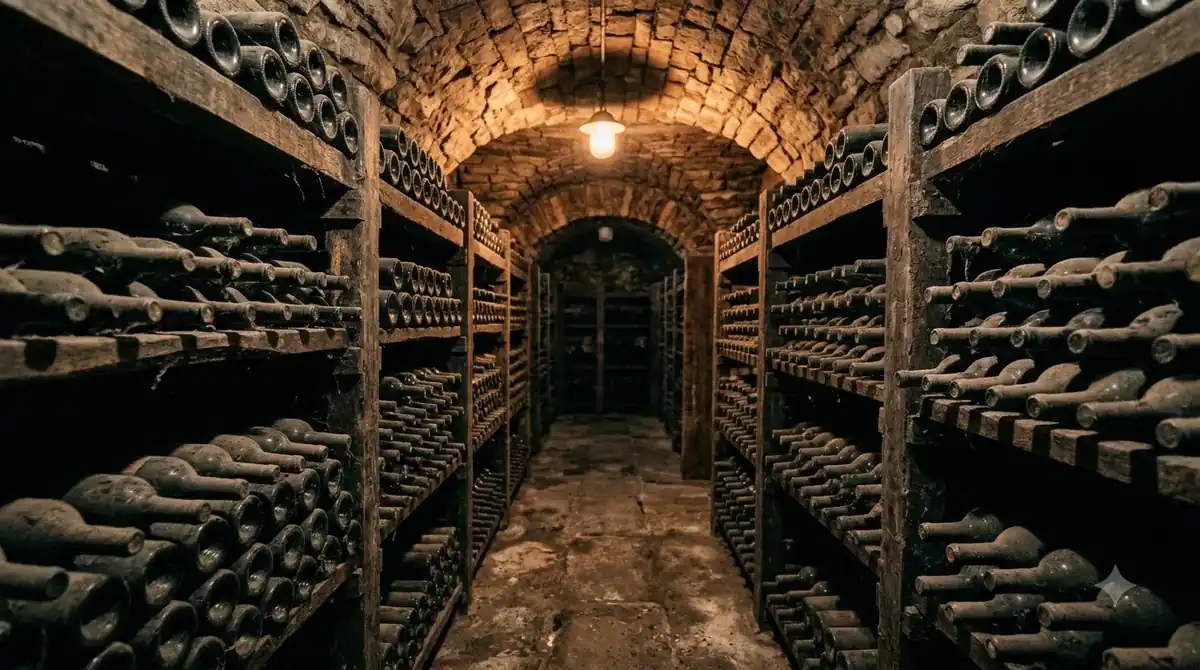
In conventional white winemaking, grapes are pressed immediately after harvest so only clear juice goes into the fermentation vessel. With skin-contact wine, the skins remain in the vat for anywhere from a few days to several months. During that maceration period, the wine absorbs anthocyanins, flavanols, and subtle oxidative notes that build texture, body, and a color spectrum ranging from pale straw-gold to deep burnished copper.
Temperature governs how your taste buds and olfactory receptors perceive those extracted compounds. Cold temperatures suppress volatility, trapping aromatic molecules inside the liquid so the wine smells faint or closed off. At the same time, low temperatures heighten the tactile sensation of astringency, making grape-skin tannins feel coarse, bitter, and drying rather than integrated.
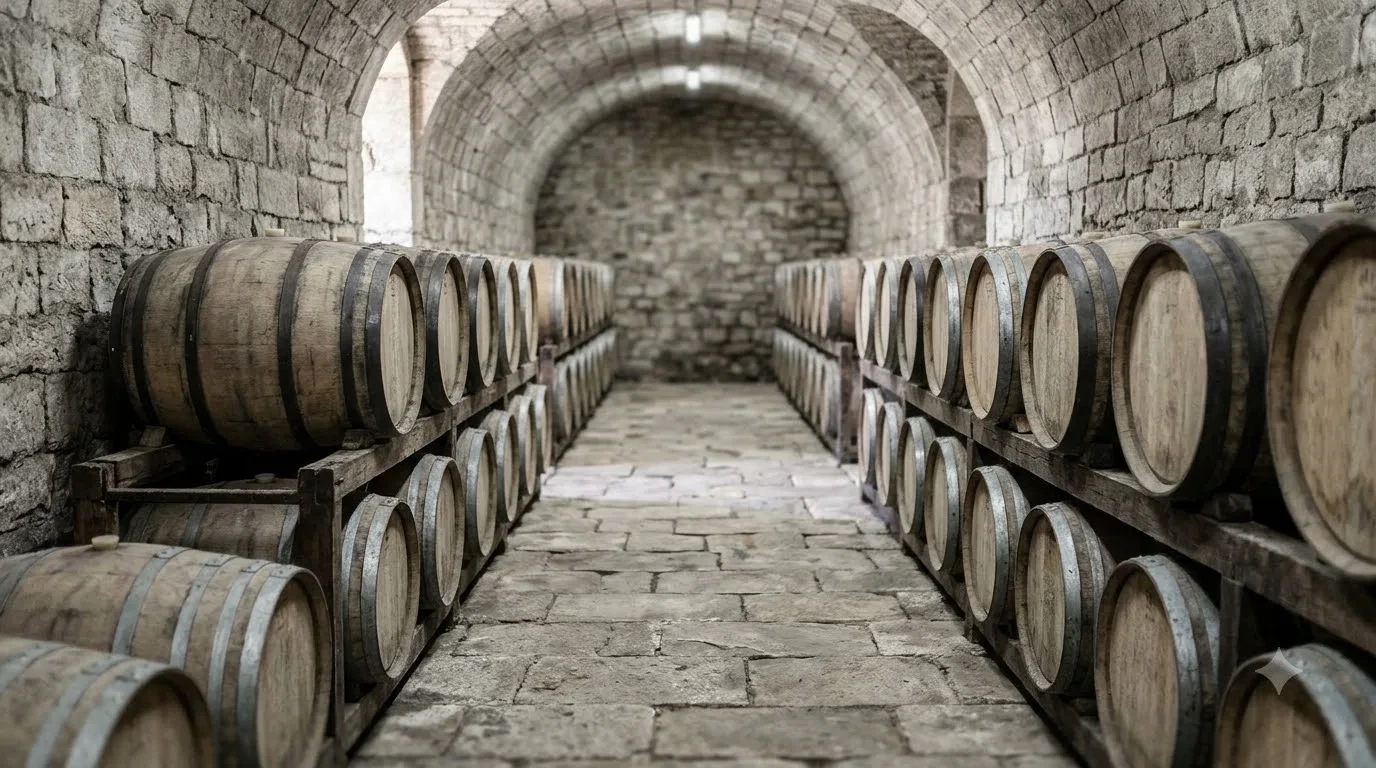
Conversely, letting a bottle climb all the way to modern American room temperature—typically around 68°F to 72°F—pushes alcohol perception forward and flattens the crisp acidity that keeps skin-contact wines refreshing. Holding the wine in the cellar-to-cool-fridge zone between 50°F and 55°F keeps the acid lively while allowing the savory, nutty, and stone-fruit aromatics to lift out of the glass.
Orange Wine Serving Temperature by Style and Maceration
Not every bottle of amber wine behaves the same way in the glass, because skin-contact duration ranges from a gentle weekend soak to half a year in clay amphorae. Adjusting your target temperature by style ensures that delicate floral bottles stay crisp while dense, tannic bottles feel supple.
| Orange Wine Style | Typical Skin Contact | Target Serving Temp (°F) | Target Serving Temp (°C) | Chill Method from Room Temp (70°F) |
|---|---|---|---|---|
| Light, aromatic skin-contact | 1 to 7 days | 50°F – 52°F | 10°C – 11°C | About 60 minutes in standard fridge |
| Medium-bodied, textured amber | 1 to 4 weeks | 52°F – 55°F | 11°C – 13°C | 45 to 55 minutes in standard fridge |
| Full-bodied, tannic or qvevri-aged | 1 to 6+ months | 55°F – 60°F | 13°C – 15°C | 30 to 40 minutes in standard fridge |
| Sparkling pét-nat skin-contact | Brief maceration | 45°F – 48°F | 7°C – 9°C | 90 minutes in fridge or 20 minutes in ice bath |
According to editors at Wine Enthusiast, standard skin-contact whites hit their stride between 50°F and 55°F, which preserves juicy freshness while releasing herbal and stone-fruit aromatics. Bottles made with aromatic grapes like Pinot Grigio, Gewürztraminer, or Muscat that saw only a few days on the skins taste brightest at the lower end of that window.
When you move into longer-maceration bottles—such as Ribolla Gialla from Friuli-Venezia Giulia or Rkatsiteli fermented underground in Georgian qvevri—the wine carries noticeably firmer grip and earthy depth. Reviewers at Decanter recommend tasting structured examples around 12°C to 14°C (54°F to 57°F) and letting them warm slightly further in the glass if the bouquet still feels tight. That extra warmth softens the phenolic edge, much like the approach used when dialing in mead serving temperature for tannic or barrel-aged honey wines.
How to Chill and Warm Your Bottle to the Sweet Spot
A standard household refrigerator runs between 35°F and 38°F, which is roughly 15 degrees colder than the ideal serving range for skin-contact wine. Managing your chill time—or letting an over-chilled bottle rest on the counter before pouring—keeps you from serving a muted, bitter first glass.
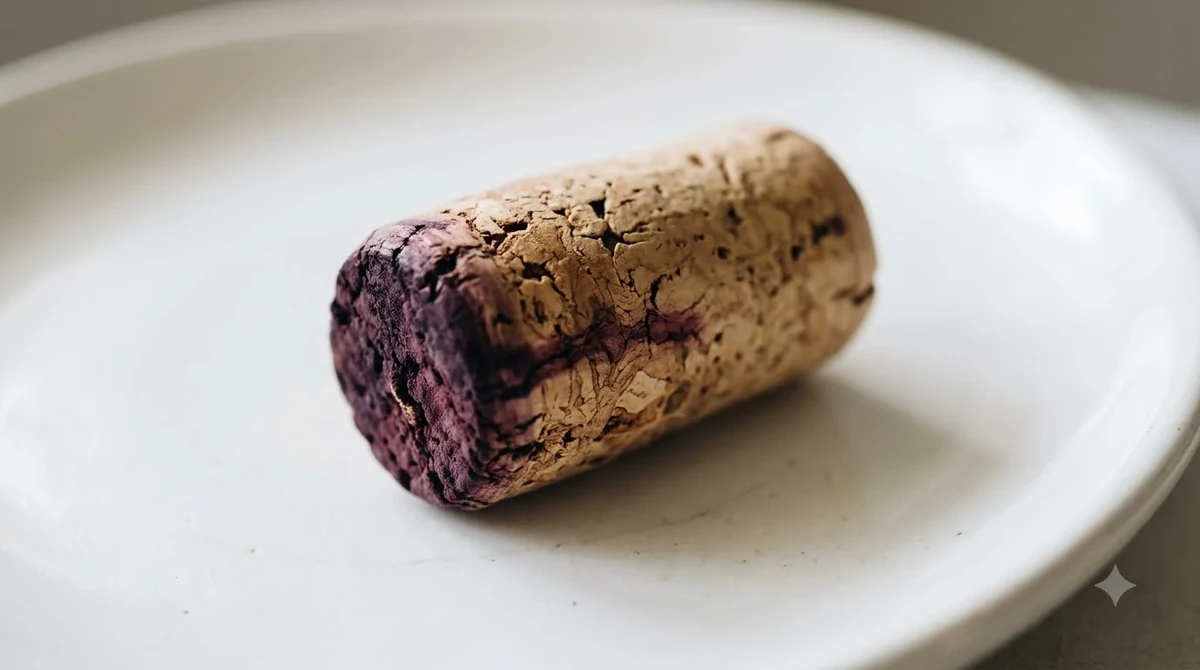
If your bottle is starting at a typical kitchen temperature of 70°F, placing it on the middle shelf of a standard refrigerator for 45 to 60 minutes will bring it down into the 50°F to 55°F sweet spot. If you are short on time, submerge the bottle up to its neck in an ice-water bath—equal parts ice and cold water—for 10 to 15 minutes, rotating it once or twice so the liquid cools evenly.
When a bottle has been sitting in the refrigerator overnight, pull it out 20 to 30 minutes before you plan to pour. In a 70°F room, wine warms at roughly 1°F to 2°F every 10 to 15 minutes, meaning a half-hour counter rest lifts a fridge-cold bottle right into its expressive zone. Pour a small splash into your glass first; if it smells muted or finishes with a sharp, metallic bite, give the bottle another 10 minutes on the table.
Tip: Fill your glass only about one-third full so the wine warms gradually in the bowl rather than heating up all at once, and hold the glass by the stem so your hand does not transfer body heat to the wine.
Glassware, Decanting, and Service Tips
Temperature works hand in hand with oxygen exposure and bowl shape, because both air contact and surface area influence how quickly volatile aromatics escape and how softly tannins register on your tongue.
For most light- to medium-bodied orange wines, a standard universal or traditional white wine glass with a moderately tapered rim works best. The narrower opening concentrates delicate notes of orange peel, chamomile, and dried apricot while keeping the liquid cool longer than an oversized goblet. For deeply structured, long-maceration bottles served closer to 55°F or 58°F, switching to a wider Burgundy or Pinot Noir bowl gives the wine room to breathe and lets complex nutty, beeswax, and savory aromas unfurl.
Decanting is also worth considering for young, fiercely tannic skin-contact wines that feel tight even at 55°F. Giving a structured bottle 20 to 30 minutes in a decanter introduces gentle aeration that smooths rough phenolics and blows off any initial reductive funk without requiring you to warm the wine past its ideal range. Just keep the decanter in a cool spot rather than next to a warm stove or sunny window so the temperature stays steady.
How Temperature Changes Food Pairing with Orange Wine
Orange wine is famous among sommeliers for bridging dishes that clash with conventional reds and whites, and shifting the serving temperature by just a few degrees lets you tailor the bottle to your menu.
At the cooler end of the spectrum—around 50°F to 52°F—a brisk, lightly macerated orange wine emphasizes its crisp acidity and citrus-peel snap. That cooler profile cuts cleanly through fried appetizers, tahini-dressed roasted vegetables, goat cheese, and bright herbal salads without overwhelming delicate flavors. Just as adjusting sake serving temperature shifts a brew from crisp and mineral to rich and umami-driven, cooling an amber wine sharpens its refreshing edge.
Warming a fuller-bodied orange wine to 55°F to 58°F brings its phenolic weight, dried-fruit richness, and savory spice to the forefront. At cellar temperature, the wine stands up effortlessly to Moroccan tagines, roasted pork shoulder, aged Comté or washed-rind cheeses, and deeply spiced curries where a cold, high-acid white would feel thin and a heavy red would clash with heat. If you enjoy pairing structured, golden-hued wines alongside rich savory courses, comparing how amber wines behave at cellar warmth with sauternes serving temperature highlights how dramatically a five-degree shift changes texture and sweetness perception.
Frequently Asked Questions
Should orange wine be served chilled or at room temperature?
Orange wine should be served lightly chilled between 50°F and 55°F (10°C to 13°C), rather than at full room temperature. Modern room temperatures around 68°F to 72°F make the alcohol taste hot and flatten the wine’s refreshing acidity, while fridge temperatures below 40°F mute the aromatics and accentuate bitter tannins.
Why does my orange wine taste bitter or overly astringent?
Bitterness and harsh astringency in orange wine usually happen when the bottle is served too cold straight from a standard refrigerator. Low temperatures amplify the drying sensation of grape-skin tannins while locking away fruity and floral aromas, so letting the glass warm up for 10 to 15 minutes almost always softens the finish.
How long should I put orange wine in the fridge before serving?
If your bottle starts at a room temperature of about 70°F, place it in a standard kitchen refrigerator for 45 to 60 minutes to reach the 50°F to 55°F sweet spot. If the bottle has already been stored in the fridge overnight, take it out 20 to 30 minutes before pouring so it can warm up to cellar temperature.
Does orange wine need to be decanted before serving?
Light, fruity orange wines made with only a few days of skin contact do not need decanting and can be poured straight into a white wine glass at 50°F to 52°F. Young, deeply tannic bottles fermented on their skins for weeks or months benefit from 20 to 30 minutes in a decanter at around 55°F to soften their grip and open up savory aromatics.
Dialing in the right orange wine serving temperature takes less than an hour of planning, yet it unlocks the full spectrum of texture, spice, and stone-fruit character that makes skin-contact wines so compelling. Start your next bottle around 52°F, let it warm slowly in the glass over the course of a meal, and pay attention to the exact degree where the aromatics and tannins click into balance for your palate.
More in Wine Types & Grapes
 What Does Mourvèdre Taste Like? Flavor Profile, Regions, and PairingsUpdated Nov 20, 2026
 What Does Marsanne Taste Like? Flavors, Styles, and Food PairingsUpdated Nov 20, 2026
 What Does Malvasia Taste Like? Styles, Flavors, and Food PairingsUpdated Nov 20, 2026
 What Does Grenache Blanc Taste Like? Flavor Profile, Styles, and PairingsUpdated Nov 20, 2026
 What Does Garnacha Taste Like? Key Flavors, Styles, and Pairing TipsUpdated Nov 20, 2026
 What Does Fruit Wine Taste Like? A Complete Flavor and Style BreakdownUpdated Nov 20, 2026