

We may earn a commission when you buy through links on this page, at no extra cost to you. Learn more.
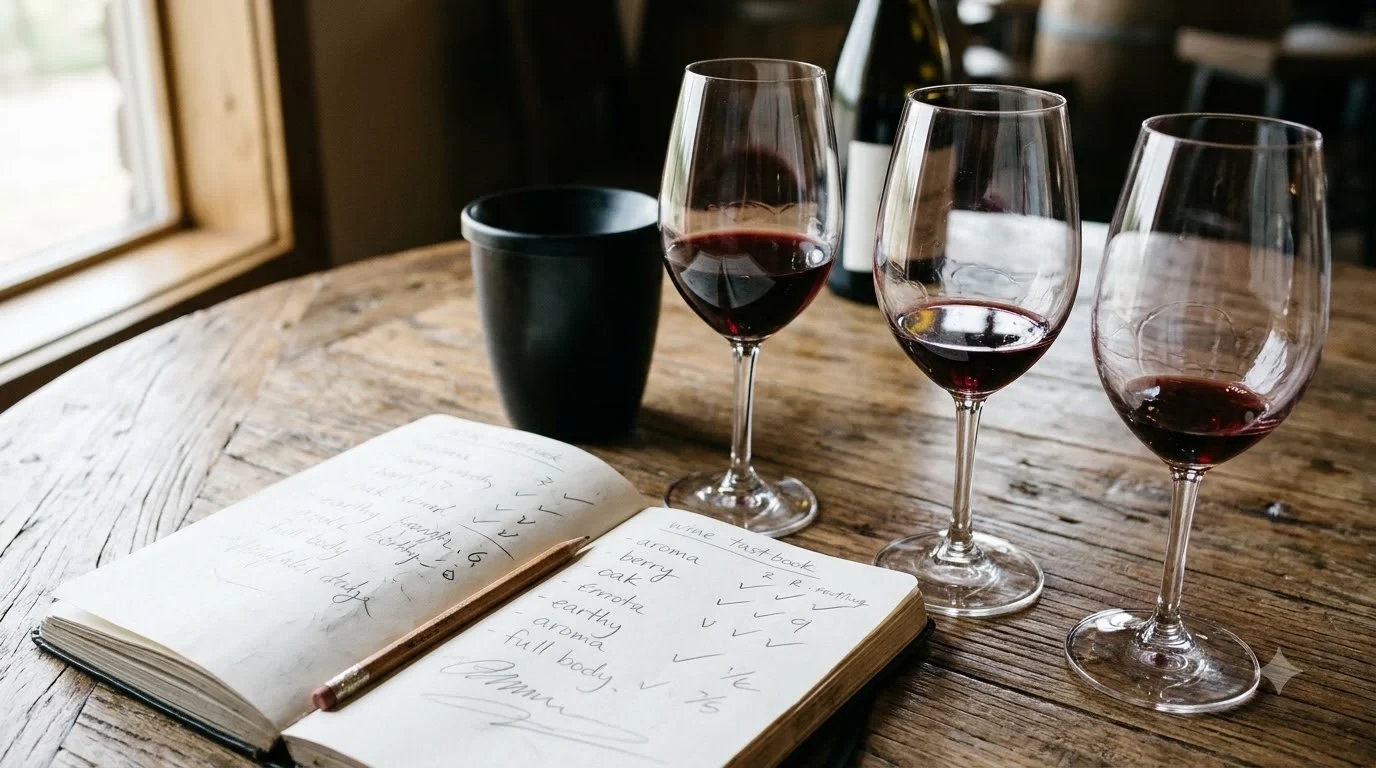
Non alcoholic wine tasting notes are characterized by bright, direct fruit flavors, crisp acidity, a lighter mid-palate body, and a shorter finish than traditional fermented wines. Because alcohol carries volatile aroma compounds and provides textural weight, dealcoholized bottles typically contain less than 0.5 percent ABV and showcase primary orchard, citrus, or berry notes without the warming sensation of ethanol. Sparkling and aromatic white styles generally retain the closest structural similarity to conventional wine, whereas red varietals display firmer, drier tannin grip on the palate.
Evaluating bottles in the zero-proof category requires a slightly different sensory vocabulary than judging standard vintages. Once ethanol is separated from fermented grape juice, the remaining liquid shifts in balance, making acidity feel sharper and fruit flavors appear more immediate.
What Non-Alcoholic Wine Actually Is
Non-alcoholic wine is real grape wine that undergoes full alcoholic fermentation before the ethanol is removed through specialized physical separation techniques, resulting in a finished beverage with less than 0.5 percent alcohol by volume.
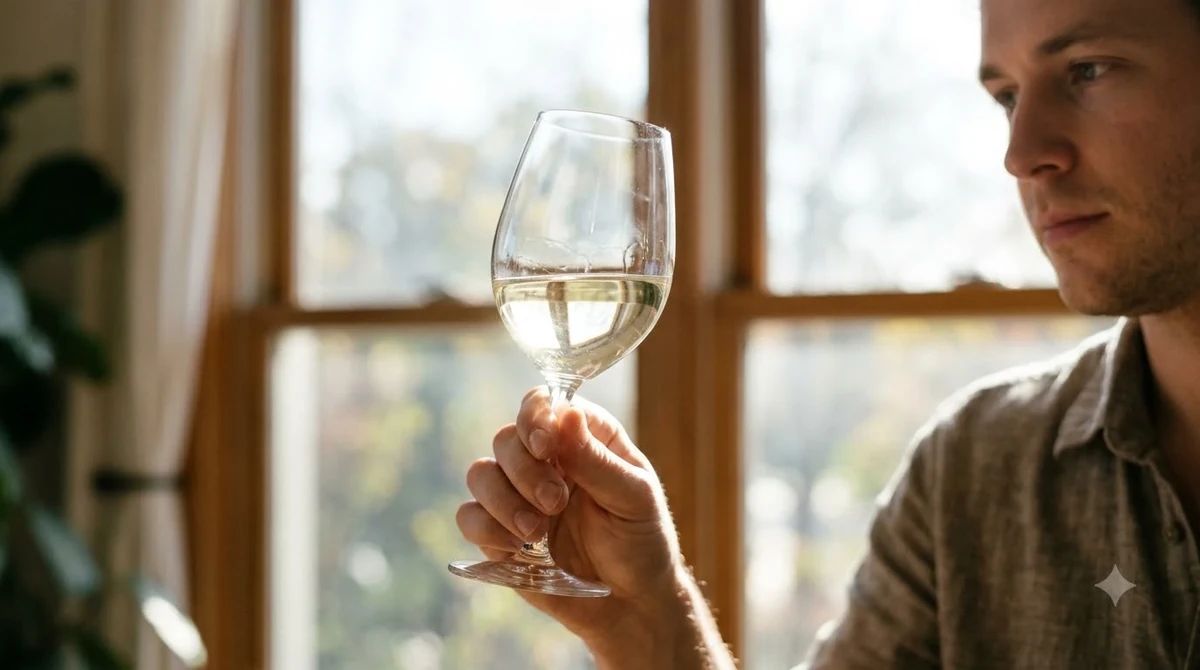
Unlike unfermented grape juice or botanical tea infusions, genuine dealcoholized wine begins in the vineyard and winery just like any conventional bottle. Winemakers harvest wine grapes, crush them, and allow yeast to convert natural grape sugars into alcohol, creating the secondary fermentation aromas and acid structure that distinguish wine from fruit juice. Under federal labeling standards in the United States, a bottle labeled non-alcoholic or dealcoholized can contain up to 0.5 percent ABV, whereas bottles labeled alcohol-free typically measure 0.0 percent ABV.
Once fermentation finishes, producers remove the ethanol using methods such as vacuum distillation, reverse osmosis, or spinning cone column centrifugation. According to Wine Folly’s guide to non-alcoholic wine, spinning cone technology separates volatile aromatic compounds at low temperatures before stripping out the alcohol, allowing winemakers to blend those delicate scents back into the wine base. Vacuum distillation lowers atmospheric pressure so alcohol evaporates at much cooler temperatures than normal boiling, protecting fresh fruit character from cooked flavors.
Because removing roughly 13 percent of a wine’s volume leaves behind a thinner liquid, producers enter a critical rebalancing stage prior to bottling. Many winemakers add a small portion of unfermented grape must or concentrated grape juice to restore mid-palate weight and soften sharp edges, though modern producers increasingly aim for drier profiles rather than overt sweetness.
How Alcohol Removal Changes Flavor and Texture
Removing ethanol alters every sensory dimension of wine, transforming aroma delivery, mid-palate viscosity, tannin perception, and the length of the finish.
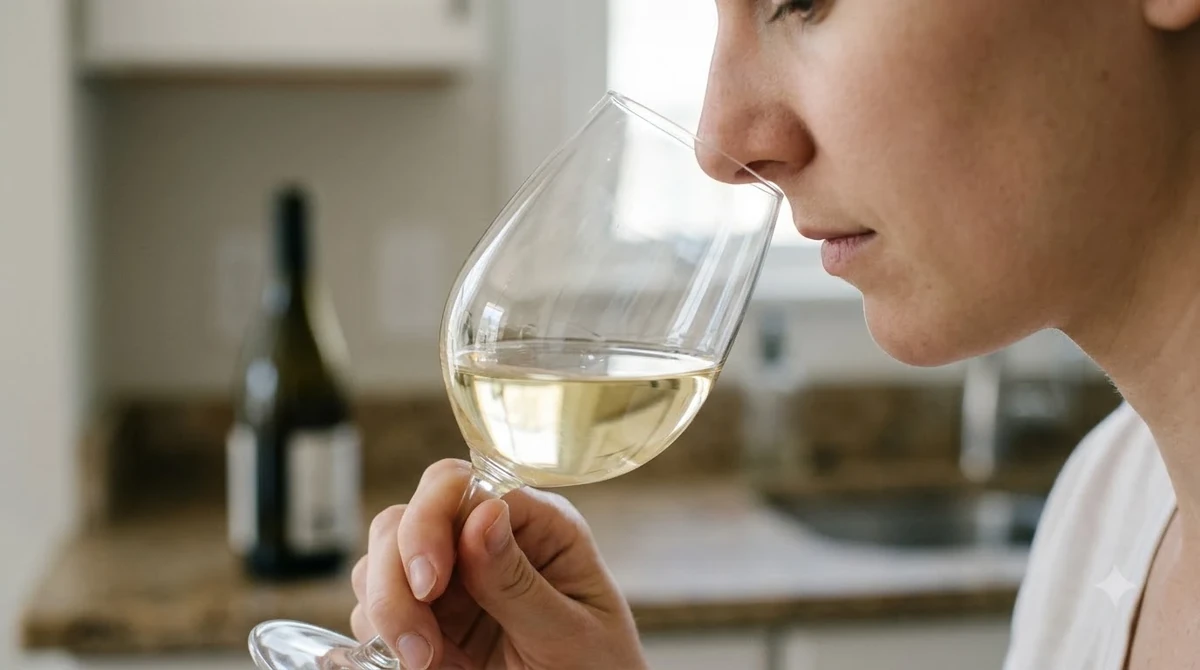
In traditional wine, alcohol acts as a chemical solvent and carrier that lifts volatile aroma compounds out of the glass and toward your nose. Without ethanol evaporating off the surface, non-alcoholic wines often seem quieter on the initial sniff, requiring a gentle swirl in a proper stemmed glass to release their bouquet. What remains tends to emphasize primary fruit aromas—such as green apple, Meyer lemon, white peach, or crushed raspberry—rather than heavy oak or aged tertiary notes.
Texturally, ethanol contributes viscosity and a subtle perception of sweetness that rounds out sharp edges. As Decanter’s overview of alcohol-free wine explains, stripping out alcohol makes natural malic and tartaric acids taste noticeably sharper while leaving the mid-palate leaner. Without that familiar alcoholic warmth coating the tongue, the flavor profile drops off faster after swallowing, producing a cleaner, shorter finish.
Red wines experience the most dramatic structural shift during dealcoholization. Ethanol normally softens astringent phenolic compounds, so removing it leaves grape tannins feeling firmer, drier, and occasionally slightly bitter on the gums. Consequently, winemakers crafting dealcoholized reds often select fruit-forward grapes with softer skin tannins or rely on gentle oak contact to build a rounder mouthfeel.
Tasting Notes by Wine Style
Across the category, non-alcoholic tasting profiles vary widely depending on grape variety, carbonation level, and residual sugar, with sparkling and aromatic whites showing the highest aromatic fidelity.
Sparkling non-alcoholic wines—often crafted from Chardonnay, Pinot Noir, Glera, or Grenache—consistently earn the highest praise from reviewers. Carbonation provides mechanical lift on the tongue, mimicking the textural weight and palate-cleansing crispness that alcohol normally supplies. Expect vibrant notes of green apple, pear, lemon zest, white blossoms, and brioche in brut-style whites, while sparkling rosés deliver lively wild strawberry, watermelon, and blood orange flavors.
Still white and rosé bottlings rely heavily on naturally aromatic grape varieties to compensate for the lack of ethanol vapor. Sauvignon Blanc, Riesling, Muscat, and Gewürztraminer retain unmistakable varietal signatures, offering crisp grapefruit, passionfruit, honeysuckle, and wet slate aromas alongside zippy acidity. If you enjoy classic dry Loire Valley whites—similar to the mineral-driven profiles covered in our sancerre tasting notes—look for dealcoholized Sauvignon Blancs bottled with minimal residual sugar.
Still red wines represent the greatest technical hurdle, though modern examples have moved far beyond sweet grape juice. Lighter-bodied reds and fruit-driven blends showcase tart cherry, redcurrant, cranberry, and subtle dried herb aromas, similar in fruit profile to the bright red-berry character found in grenache tasting notes. Fuller-bodied Cabernet Sauvignon or Syrah alternatives often feature blackberry, plum, black pepper, and toasted vanilla from oak aging, balanced by a dry, grippy finish rather than velvety richness. For a broader baseline on how traditional grapes behave before dealcoholization, explore our guide to Wine by Type.
| Wine Style | Primary Aroma & Flavor Notes | Body & Mouthfeel | Finish & Acid Balance |
|---|---|---|---|
| Sparkling White (Blanc de Blancs) | Green apple, Bartlett pear, lemon zest, white flowers | Light-bodied with lively, palate-filling effervescence | Crisp, bright acidity with a clean, refreshing snap |
| Still Aromatic White (Riesling, Sauvignon Blanc) | Grapefruit, white peach, passionfruit, lime, honeysuckle | Light and lean; subtle roundness if grape must is added | Zippy, pronounced tartness with a brisk finish |
| Still & Sparkling Rosé | Wild strawberry, raspberry, watermelon, rhubarb, citrus peel | Light, crisp, and juicy without heavy mid-palate weight | Dry to off-dry balance with a mouthwatering, tart close |
| Light-to-Medium Red (Pinot Noir, Grenache) | Sour cherry, cranberry, red plum, crushed herbs, rose petal | Light-bodied with fine, slightly grippy surface tannins | Short, dry finish driven by fresh red-fruit acidity |
| Full-Bodied Style Red (Cabernet, Syrah) | Blackberry, blackcurrant, dark plum, black pepper, vanilla oak | Medium-light body; structured by oak and firmer phenolic grip | Drying, structured finish lacking traditional ethanol warmth |
How to Serve Non-Alcoholic Wine for Maximum Aroma
Serving non-alcoholic wine at proper cellar temperatures in standard stemmed glassware dramatically improves aroma projection and balances natural acidity.
Because dealcoholized bottles lack ethanol to help carry scent molecules into the air, glassware choice matters even more than it does with conventional wine. Pouring zero-proof wine into a tulip-shaped crystal glass with a generous bowl and a tapered rim concentrates delicate floral and fruit aromas toward your nose. Avoid serving these wines in tumblers or plastic cups, which allow subtle volatile compounds to dissipate before you take a sip.
Temperature control also plays a decisive role in shaping mouthfeel. Serve sparkling non-alcoholic wines well chilled between 38°F and 45°F so the bubbles stay tight and crisp, while still whites and rosés shine between 45°F and 50°F. Even non-alcoholic red wines benefit from a slight cellar chill—around 55°F to 60°F rather than warm room temperature—which tightens their structure, freshens the fruit, and softens any astringency from unbuffered tannins.
Tip: Give still non-alcoholic red wines 15 to 20 minutes to breathe in the glass or a decanter after opening, as light aeration softens sharp initial acidity and opens up dark berry and spice notes.
Food Pairing Principles Without Ethanol
Pairing food with non-alcoholic wine relies on matching the wine’s elevated acidity and direct fruit profile while avoiding dishes that overpower its lighter body.
Without alcohol to cut through heavy saturated fats or rich cream sauces, full-bodied stews and heavily marbled steaks can overwhelm a dealcoholized red wine, making the wine taste thin or overly tart by comparison. Instead, pair non-alcoholic reds with leaner proteins and earthy vegetable dishes—such as herb-roasted chicken, grilled salmon, mushroom risotto, or charcuterie boards with aged hard cheeses—where the wine’s bright berry acidity refreshes the palate between bites.
Sparkling and crisp white dealcoholized wines are remarkably versatile at the dinner table because their high acidity and effervescence act just like a squeeze of fresh lemon. They pair effortlessly with raw oysters, sushi, goat cheese salads, lightly spiced Thai or Vietnamese dishes, and fried appetizers. When a bottle carries a touch of residual grape must for body, that subtle sweetness also tames moderate chili heat in spicy cuisine.
How to Read Labels and Choose a Quality Bottle
Checking the exact ABV percentage, residual sugar level, and dealcoholization method on the label helps you predict whether a bottle will taste crisp and dry or sweet and juice-like.
Start by inspecting the alcohol statement on the front or back label. Bottles marked “less than 0.5% ABV” retain trace amounts of ethanol—roughly comparable to a ripe banana or kombucha—which helps carry aroma and delivers a slightly rounder, more wine-like mouthfeel. If you require strict abstinence from any trace alcohol, verify that the label explicitly states “0.0% ABV” or “alcohol-free.”
Next, turn the bottle around and read the Nutrition Facts panel, paying close attention to total carbohydrates and added sugars. Because some producers sweeten dealcoholized wine heavily to mask thinness, bottles with high sugar grams per serving can taste closer to sparkling cider than dry table wine. Look for bottles listing lower sugar counts—typically under 4 to 6 grams per 5-ounce pour—and seek out producers that note traditional winemaking steps like oak aging, single-vineyard sourcing, or spinning cone and vacuum distillation.
Frequently Asked Questions
Does non-alcoholic wine taste like regular wine or grape juice?
Quality non-alcoholic wine tastes much closer to dry table wine than grape juice because it undergoes full yeast fermentation before the alcohol is removed. Fermentation consumes the sweet grape sugars and creates complex organic acids and savory aromas, though the finished drink feels lighter on the palate and lacks the warming sensation of ethanol.
Why do non-alcoholic red wines taste different from non-alcoholic whites?
Alcohol softens bitter grape tannins and adds textural weight to red wines, so removing ethanol makes red varietals feel noticeably lighter, drier, and slightly more astringent. White and sparkling wines rely primarily on crisp acidity and bright fruit aromas rather than tannin structure, allowing them to retain a much more familiar profile after dealcoholization.
What is the difference between 0.0% ABV and less than 0.5% ABV wine?
Wines labeled less than 0.5% ABV retain a tiny trace of natural alcohol left over from dealcoholization, which helps carry volatile aromas and creates a slightly fuller mouthfeel. Bottles labeled 0.0% ABV undergo complete ethanol removal so no measurable alcohol remains, though their aroma profile can occasionally feel a bit more delicate.
How long does non-alcoholic wine last after opening?
Because alcohol acts as a natural preservative in conventional wine, opened bottles of non-alcoholic wine oxidize and lose freshness faster. Re-cork or seal the bottle tightly, store it in the refrigerator, and enjoy still bottles within 3 to 5 days and sparkling bottles within 1 to 2 days using a champagne stopper.
Understanding how dealcoholization reshapes aroma, acidity, and tannin structure makes it far easier to pick bottles that match your palate. Whether you pour a crisp sparkling Blanc de Blancs or a lightly chilled, fruit-forward red, paying attention to residual sugar and serving temperature ensures every glass delivers clean, authentic wine character.
More in Wine Types & Grapes
 What Does Mourvèdre Taste Like? Flavor Profile, Regions, and PairingsUpdated Nov 20, 2026
 What Does Marsanne Taste Like? Flavors, Styles, and Food PairingsUpdated Nov 20, 2026
 What Does Malvasia Taste Like? Styles, Flavors, and Food PairingsUpdated Nov 20, 2026
 What Does Grenache Blanc Taste Like? Flavor Profile, Styles, and PairingsUpdated Nov 20, 2026
 What Does Garnacha Taste Like? Key Flavors, Styles, and Pairing TipsUpdated Nov 20, 2026
 What Does Fruit Wine Taste Like? A Complete Flavor and Style BreakdownUpdated Nov 20, 2026