

We may earn a commission when you buy through links on this page, at no extra cost to you. Learn more.
Fiano wine is a dry white made from the Fiano grape, a southern Italian variety best known from Campania, where it is often labeled Fiano di Avellino. According to Wine Folly, it has a richer, almost waxy texture, flavors of honeydew, Asian pear, hazelnut and pine, and medium-light body with medium acidity. It usually sits around 11.5 to 13.5% ABV and can age well for years in the cellar.
If you have seen fiano wine on an Italian list and wondered how it differs from pinot grigio or a crisp Gavi, this guide explains what the grape tastes like, why it can age, how to serve it and which foods suit it best.
What fiano wine is
Fiano is a white grape from southern Italy. It is most closely linked to the Avellino area of Campania, where producers often use the full name Fiano di Avellino on the label. The grape is valued for giving wines with more texture and depth than many lighter Italian whites, and it has a long history in the region.
Because it is an Italian white from a warm southern area, fiano tends to be fuller than the crisp whites of the north. Producers keep it dry, but they often give it more body and aromatic complexity. That makes it a good choice for drinkers who want a white with a little more weight than a simple sauvignon blanc or pinot grigio, without moving into the heavy oaked styles.
How fiano tastes
The flavor profile is the main reason people seek it out. Wine Folly’s Fiano guide lists honeydew, Asian pear, hazelnut, orange peel and pine as the main flavors, and it describes the texture as rich and almost waxy. The wine is dry with no tannins, medium acidity and a medium-light body, so it feels round on the palate without being heavy.
The nutty and pear notes make fiano feel more savory than many fruity whites. The waxy texture lingers on the finish, which gives the wine a sense of weight that keeps it interesting across a meal. If you enjoy a white with some substance and a savory finish, fiano is a good match.
Alcohol and aging potential
Fiano sits in the middle range for dry white wines. Wine Folly puts its typical alcohol at 11.5 to 13.5% ABV, which makes it easy to drink with a meal without feeling too strong. The moderate alcohol and acidity give the wine structure, and that structure is one reason fiano can age.
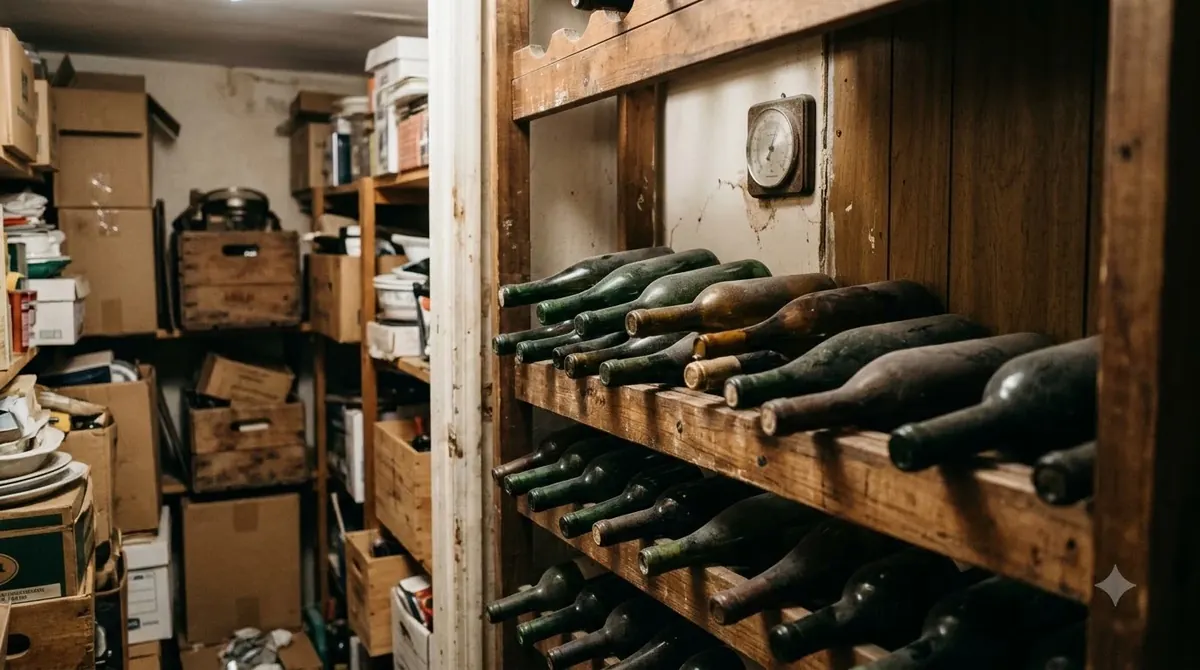
Wine Folly notes that fiano can be cellared for about five to ten years, which is unusual for a white. Most whites are meant to be drunk young, but a well-made fiano can develop honeyed, nutty depth with time in the bottle. A recent vintage will still taste bright and fresh, so the choice between young and older depends on the style you prefer. Check the label for the vintage and the producer’s notes before buying a bottle to keep.
How to serve fiano
Serve fiano chilled but not ice cold. Wine Folly recommends a temperature of 45 to 55°F (7 to 12°C), which keeps the texture rounded and the fruit expressive. A bottle needs a few hours in the refrigerator, or about thirty minutes in an ice bucket, to reach that range.
Use a standard white wine glass so the aromas gather near the rim. Decanting is not needed for a young fiano. If you are opening an older bottle with some sediment or a more developed nose, give it a short time in a decanter to let the aromas open up, then pour it slowly.
| Feature | What to expect |
|---|---|
| Sweetness | Dry |
| Body | Medium-light, with a rich, waxy texture |
| Acidity | Medium |
| Flavors | Honeydew, Asian pear, hazelnut, orange peel, pine |
| Alcohol | About 11.5–13.5% ABV |
| Aging potential | About 5–10 years |
| Serving temperature | 45–55°F (7–12°C) |
Food pairing for fiano wine
Wine Folly suggests savory, glazed light meats as a strong match for fiano, such as orange-rosemary roasted chicken and soy-glazed salmon. The wine’s texture stands up to a little richness, while its acidity keeps the dish from feeling heavy. Pear and hazelnut notes also work well with roasted vegetables and nutty sauces.
Fiano suits pasta with olive oil and herbs, creamy risotto with mushrooms, and fish with a light butter sauce. It also pairs with aged hard cheeses, where the nutty flavors of the wine echo the cheese. Very spicy dishes or heavy red meat sauces tend to overwhelm its delicate fruit, so keep the food balanced and savory.

How to choose a bottle
When you buy fiano, look for the Fiano di Avellino name if you want the classic style from its home area, and check the vintage and the producer. A recent bottle will show the bright pear and herb notes, while an older one may show more honey and nut. Read the producer’s description for notes on texture and aging, since they tell you whether the wine is meant to be drunk young or kept.
Price is not the only guide to quality. A fiano from a producer who describes the style clearly and gives the vintage is usually a safer bet than an unlabeled white. For a wider view of white grape styles, the Melon de Bourgogne guide shows how a lean, mineral white differs from the fuller texture of fiano.
Common mistakes with fiano
The most common mistake is serving fiano too cold. A bottle straight from a very cold refrigerator can taste closed and muted, and the waxy texture and nutty notes never come through. Give it a short time out of the fridge before pouring, and the aromas will open.
Another mistake is treating fiano like a light, simple white. Because it has more texture than pinot grigio, it deserves food with some substance. Pairing it with a plate of plain salad or very light starters can waste the wine’s character, so match it with a main course that has enough savory flavor to meet it.
A third mistake is buying an older fiano without checking how it was stored. Because the wine is meant to age, heat and light can make a bottle taste dull or flat. Buy from a shop that keeps its wine cool, and if you plan to keep a bottle yourself, store it on its side in a cool, dark place away from the kitchen.
Frequently Asked Questions
What does fiano wine taste like?
Fiano usually tastes of honeydew, Asian pear, hazelnut and pine, with a rich, slightly waxy texture. It is dry and has medium acidity, so it feels round without being heavy.
Is fiano wine dry or sweet?
Fiano is a dry white wine. Wine Folly describes it as dry with no tannins, so the sweetness comes from the fruit and nut flavors rather than from residual sugar.
Can fiano wine be aged?
Yes. Wine Folly says fiano can be cellared for about five to ten years, which is unusual for a white. Younger bottles are brighter, while older bottles tend to show more honey and nut.
What food goes well with fiano?
Savory, glazed light meats such as roasted chicken and salmon pair well with fiano. Pasta with olive oil and herbs, risotto and aged hard cheeses also suit its texture.
Fiano wine is a good pick for anyone who wants an Italian white with more texture than the usual crisp styles. Serve it chilled, look for the Fiano di Avellino name if you want the classic style, and pair it with savory food. For a broader look at white styles, start with the wine types guide.
More in Wine Types & Grapes
 Zinfandel Sugar Content: Dry Red vs. White Zinfandel GramsUpdated Nov 21, 2026
 Best Zinfandel Substitute Options for Sipping and CookingUpdated Nov 21, 2026
 Zweigelt Food Pairing: Best Dishes, Cheeses, and Serving TipsUpdated Nov 21, 2026
 Zinfandel Tannins Explained: How Structure Shapes Every BottleUpdated Nov 21, 2026
 Zinfandel Sweetness Level: Dry Red vs. Sweet White Zin ExplainedUpdated Nov 21, 2026
 Xinomavro Food Pairing: Best Dishes, Styles, and Serving TipsUpdated Nov 21, 2026