

We may earn a commission when you buy through links on this page, at no extra cost to you. Learn more.
Chenin Blanc alcohol content typically ranges from 11.5% to 14.5% ABV, depending on the region, grape ripeness, and winemaking style. French Loire Valley examples commonly fall between 11.5% and 13.5% ABV, while many South African bottles contain 12% to 14.5%. Dry, sweet, and sparkling versions can have different alcohol levels, so the grape variety alone does not determine a bottle’s strength.
Chenin Blanc is one of the most versatile white wine grapes, producing everything from crisp, refreshing everyday whites to rich dessert wines and traditional-method sparkling wines. Understanding its alcohol range makes it easier to compare bottles, select a style for dinner, and estimate how much alcohol a serving contains. Here is what to expect from different regions and wine styles, along with practical ways to choose the right bottle.
Typical Chenin Blanc Alcohol Content and ABV Range
Most Chenin Blanc wines contain approximately 11.5% to 14.5% alcohol by volume. The lower end is common in certain cooler-climate and lighter styles, while warmer growing conditions and riper grapes can produce wines with higher alcohol levels.
ABV measures the percentage of a wine’s total volume that consists of pure alcohol. A wine labeled 12% ABV contains approximately 12 milliliters of alcohol in every 100 milliliters of wine. This measurement is more useful for comparing alcoholic strength than descriptions such as light, crisp, rich, or full-bodied.
Chenin Blanc is particularly interesting because its natural acidity allows winemakers to produce wines across a broad range of styles without losing the grape’s recognizable freshness. A relatively light wine can still have concentrated fruit flavors, while a richer bottle does not necessarily have more alcohol. Sweetness, body, acidity, and alcohol are separate characteristics.
The following ranges provide practical guidance for comparing common Chenin Blanc styles. They are typical estimates rather than mandatory limits for every appellation or producer.
| Chenin Blanc style or origin | Typical ABV | General characteristics |
|---|---|---|
| French Loire Valley | 11.5%–13.5% | Fresh acidity, apple, pear, and mineral notes |
| South African Chenin Blanc | 12%–14.5% | Ripe tropical fruit and fuller styles |
| Dry Chenin Blanc | 11.5%–14% | Crisp, refreshing, and fruit-driven |
| Off-dry Chenin Blanc | 11%–13.5% | Noticeable fruit sweetness and lively acidity |
| Sweet Chenin Blanc | 10%–13% | Honeyed fruit and concentrated sweetness |
| Sparkling Chenin Blanc | 11%–12.5% | Fresh acidity, bubbles, and apple or citrus flavors |
These style ranges are useful shopping estimates, not official classifications. Individual bottles can fall outside them, particularly late-harvest wines, sparkling bottlings, and wines made from exceptionally ripe grapes. For example, South Africa Wine reports that many South African Chenin Blanc wines fall between 12% and 14.5% ABV, while Vin De France gives a typical range of 11.5% to 13.5% for French Chenin.
For a straightforward comparison, a 12% bottle is generally lighter in alcohol than a 14% bottle of the same volume. However, the difference in perceived strength may be less obvious because acidity, sweetness, and body also influence how a wine feels on the palate.
How Region Influences Chenin Blanc Alcohol Levels
Growing conditions play an important role in determining Chenin Blanc’s eventual alcohol level. France’s Loire Valley and South Africa are two particularly useful reference points because they produce recognizable but different expressions of the grape.
Loire Valley, France: Chenin Blanc has a long history in the Loire Valley, especially around Angers and Tours. Important appellations include Vouvray, Savennières, Coteaux du Layon, Quarts de Chaume, and Crémant de Loire. French examples commonly contain 11.5% to 13.5% ABV, although individual bottles vary with harvest conditions and wine style.
Cooler growing conditions can slow grape ripening and help preserve acidity. This makes it possible to produce refreshing dry wines with moderate alcohol levels. Limestone and schist soils also contribute to differences in texture and mineral character between Loire Valley wines.
Vouvray illustrates the grape’s versatility particularly well. Producers can make sparkling, dry, off-dry, and sweet wines from Chenin Blanc, meaning two bottles from the same appellation can have noticeably different alcohol levels and sweetness.
South Africa: Chenin Blanc is especially important in South African wine production, where it is also called Steen. The country’s wine industry produces styles ranging from crisp, unoaked whites to richer wines fermented or matured in oak. South Africa Wine reports a common alcohol range of 12% to 14.5% ABV for its Chenin Blanc wines.
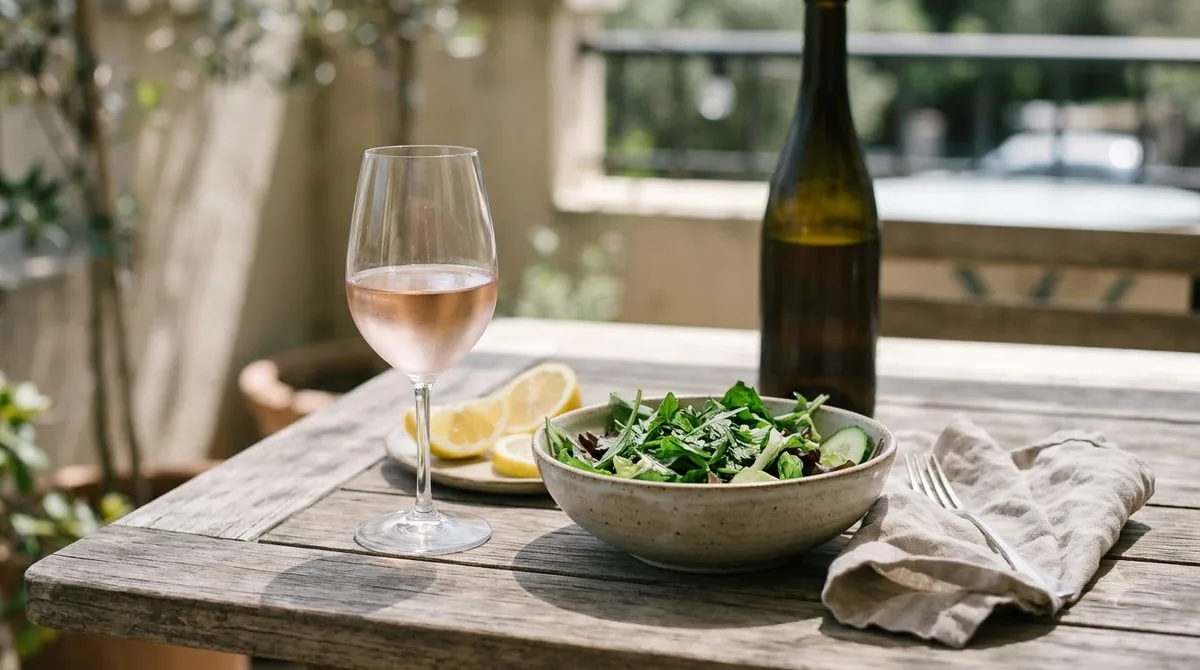
South African wines from Stellenbosch and Swartland often provide useful examples of the variety’s range. Riper fruit, warmer conditions, and fuller winemaking styles can contribute to higher alcohol levels. This does not mean every South African Chenin Blanc is strong, however. Fresh, lighter examples remain widely available.
Other countries also grow the grape. In the United States, Chenin Blanc is produced in California, Washington, and Texas. Australian producers frequently use it in blends with varieties such as Chardonnay, Semillon, and Sauvignon Blanc. Regional differences make it important to compare individual bottles rather than assume all Chenin Blanc has the same strength.
For additional background on the grape’s history, regional expressions, and different wine styles, see Wine Enthusiast’s Chenin Blanc overview.
For shoppers, the country of origin offers a helpful starting point, but it is not a substitute for checking the actual ABV. A 12.5% South African Chenin Blanc can contain less alcohol than a 13.5% French bottle.
Dry, Off-Dry, and Sweet Chenin Blanc Alcohol Differences
Chenin Blanc can taste bone dry, slightly sweet, or intensely sweet, but sweetness does not directly determine alcohol content. The important distinction is how much grape sugar ferments into alcohol and how much remains in the finished wine.
During fermentation, yeast converts grape sugar into alcohol and carbon dioxide. If fermentation continues until most fermentable sugar has been consumed, the result is a dry wine. If fermentation stops while some sugar remains, the wine can taste off-dry or sweet.
Dry Chenin Blanc
Dry Chenin Blanc often contains approximately 11.5% to 14% ABV. These wines generally emphasize refreshing acidity, with flavors of green apple, pear, quince, lemon, and sometimes ginger or wet stone.
Dry examples from Vouvray and Savennières can be particularly appealing to drinkers who enjoy crisp white wines but want something with more texture than a very light Sauvignon Blanc. South African dry Chenin Blanc can also be fuller and more concentrated, particularly when oak fermentation or maturation is involved.
Off-Dry Chenin Blanc
Off-dry Chenin Blanc commonly contains around 11% to 13.5% ABV. A small amount of residual sugar softens the wine’s acidity and creates a gentle impression of sweetness without making it taste like dessert wine.
Expect flavors such as ripe pear, yellow apple, honey, and tropical fruit. This style is useful with mildly spicy food because its remaining sweetness can balance heat, while its acidity keeps the pairing refreshing.
Sweet and Dessert Chenin Blanc
Sweet Chenin Blanc can contain approximately 10% to 13% ABV, although the actual figure depends on the production method and fermentation conditions. Some intensely sweet examples retain substantial natural grape sugar, while others achieve higher alcohol levels through more complete fermentation.
In the Loire Valley, Coteaux du Layon and Quarts de Chaume are associated with concentrated sweet Chenin Blanc. Favorable conditions can encourage noble rot, a beneficial fungus that concentrates the grapes’ sugars and flavors. The resulting wines can display honey, apricot, pineapple, candied citrus, and dried fruit characteristics.
For more detail about the relationship between sweetness and wine style, see our article on Chenin Blanc sugar content. A sweet-tasting wine does not automatically contain less alcohol, and a dry wine is not necessarily stronger.
Sparkling Chenin Blanc
Sparkling Chenin Blanc commonly falls around 11% to 12.5% ABV. Traditional sparkling wines from the Loire, including Crémant de Loire, can showcase the grape’s acidity and apple-driven character with refreshing bubbles.
Traditional-method sparkling wine undergoes its second fermentation in the bottle, while other sparkling production methods can use different fermentation arrangements. The finished alcohol level depends on the base wine and the production process. Therefore, sparkling Chenin Blanc should not automatically be considered lower in alcohol than still Chenin Blanc.
Tip: Compare the ABV printed on two bottles rather than relying on terms such as dry, demi-sec, sweet, or sparkling. Those terms describe wine style or sweetness, not a guaranteed alcohol percentage.
What Determines the Alcohol Level of Chenin Blanc?
Several vineyard and cellar decisions influence the final alcohol content. Grape ripeness is one of the biggest factors, but fermentation, residual sugar, and sparkling wine production also matter.
Grape Ripeness and Harvest Timing
Riper grapes generally contain more natural sugar. When yeast ferments that sugar, more alcohol can develop in the finished wine. Consequently, grapes harvested later in the season can potentially produce higher-ABV wines than grapes picked earlier.
Chenin Blanc is an early-budding but relatively late-ripening variety. This characteristic gives producers different opportunities to manage harvest timing and select grapes for particular styles. An earlier harvest can preserve freshness and moderate alcohol, while later picking can create richer fruit flavors and more potential alcohol.
Climate and Vineyard Conditions
Climate affects how quickly grapes ripen and how much sugar they accumulate. A warmer growing season can encourage faster ripening, while cooler conditions may help retain acidity for longer.
This helps explain some of the differences between Loire Valley and South African Chenin Blanc. Nevertheless, vineyard elevation, sunlight exposure, water availability, soil, and harvest decisions can all influence the final result.
Fermentation Decisions
Winemakers control fermentation to create different styles. Allowing fermentation to proceed until the available fermentable sugar is largely consumed produces a dry wine. Stopping fermentation earlier can leave residual sugar and produce a sweeter result.
Fermentation temperature and yeast selection influence the development of aroma and texture, although neither should be treated as a simple predictor of the final ABV. The amount of fermentable sugar available at the beginning of fermentation remains a major factor.
Oak and Winemaking Style
Oak aging can make Chenin Blanc taste richer, creamier, or more textured, but oak does not automatically increase alcohol content. The alcohol percentage is primarily determined by the grapes and fermentation rather than the presence of oak barrels.
For example, an unoaked South African Chenin Blanc at 12.5% ABV can be less alcoholic than an oak-influenced example at 13.8% ABV. The difference reflects the wines’ underlying production choices rather than oak itself.
How Chenin Blanc Compares With Other White Wines
Chenin Blanc generally has moderate alcohol content compared with other popular white wines. Its usual 11.5% to 14.5% ABV range overlaps with Chardonnay, Sauvignon Blanc, Pinot Blanc, and Riesling, although individual examples can differ substantially.
The comparison below provides approximate reference ranges for commonly encountered still wines. These are broad shopping guides rather than strict limits for each grape variety.
| White wine | Typical ABV | General profile |
|---|---|---|
| Chenin Blanc | 11.5%–14.5% | High acidity, apple, pear, and honey |
| Sauvignon Blanc | 11.5%–14% | High acidity, citrus, and herbal notes |
| Chardonnay | 12%–14.5% | Medium acidity, apple, and possible oak flavors |
| Pinot Blanc | 11.5%–13.5% | Fresh fruit and generally moderate body |
| Riesling | 8%–13.5% | High acidity, from dry to sweet styles |
| Moscato | 5%–12% | Often aromatic, fruity, and gently sweet |
These comparisons show that Chenin Blanc is not automatically a low-alcohol white wine. A 14% Chenin Blanc can contain more alcohol than many bottles of Sauvignon Blanc or Riesling. Conversely, a fresh Loire Valley Chenin Blanc at 11.5% ABV may be lighter in alcohol than a full-bodied Chardonnay.
Pinot Blanc is another useful comparison for shoppers who enjoy refreshing white wines. Both grapes can produce approachable, food-friendly bottles, although Chenin Blanc typically offers a more pronounced acidity profile and a broader range of sweetness. Our guide to Pinot Blanc alcohol content explains its typical strength in more detail.
Riesling is particularly different because it is frequently made in lower-alcohol styles, especially when fermentation is stopped with considerable natural sugar remaining. Some Rieslings are also completely dry, so sweetness alone cannot establish whether one bottle contains more alcohol than another.
For a wider overview of grape varieties and their typical strengths, visit Wine by Type.
Serving Size, Alcohol Intake, and Chenin Blanc
The amount of alcohol in a glass depends on both the wine’s ABV and the volume poured. A standard 5-ounce serving of Chenin Blanc contains a different quantity of pure alcohol at 12% ABV than it does at 14% ABV.
In the United States, a standard drink contains approximately 0.6 fluid ounces of pure alcohol. Using this reference, the following examples illustrate how the alcohol content changes with the strength of the wine.
| Chenin Blanc ABV | Alcohol in a 5 oz pour | Approximate US standard drinks |
|---|---|---|
| 11.5% | 0.575 oz | 0.96 |
| 12% | 0.60 oz | 1.00 |
| 12.5% | 0.625 oz | 1.04 |
| 13% | 0.65 oz | 1.08 |
| 13.5% | 0.675 oz | 1.13 |
| 14% | 0.70 oz | 1.17 |
| 14.5% | 0.725 oz | 1.21 |
These calculations use a 5-ounce serving and the US standard-drink definition. A 750-milliliter bottle provides approximately five 5-ounce glasses, although actual pours vary between households and restaurants.
For another perspective, a 13.5% Chenin Blanc contains more alcohol per glass than a 12% example when both are served in identical quantities. The difference may seem modest, but it becomes more noticeable across several glasses.
Wine labels provide a convenient way to make these comparisons. The ABV figure usually appears on the front or back label, sometimes near the producer information or government warning. Looking at this percentage is more reliable than judging a wine’s strength from its flavor.
Calories also depend partly on alcohol and residual sugar. Alcohol contributes approximately 7 calories per gram, while carbohydrates contribute approximately 4 calories per gram. A sweeter Chenin Blanc may therefore have additional calories from residual sugar even when its ABV is relatively moderate.
For a bottle-specific estimate, both the alcohol percentage and the sweetness level matter. Two Chenin Blanc wines with identical ABV can have different calorie totals if one contains substantially more residual sugar.
Choosing and Serving Chenin Blanc at the Right Strength
The best Chenin Blanc depends on the drinking occasion, preferred flavor profile, and desired alcohol level. Shoppers seeking a lighter wine can begin with bottles around 11.5% to 12.5% ABV, while those who prefer fuller expressions may enjoy wines around 13.5% to 14.5%.
For a fresh, uncomplicated white wine, look for a dry Loire Valley Chenin Blanc or an unoaked South African example. These styles often highlight crisp acidity, green apple, pear, quince, and citrus. Their freshness makes them suitable for seafood, salads, and lighter meals.
For richer food, an oak-influenced South African Chenin Blanc can be a good choice. Wines from Stellenbosch and Swartland can show more concentrated fruit, a fuller texture, and hints of spice. A bottle around 13% to 14% ABV may suit roast chicken, pork, or creamy pasta.
Sweet Chenin Blanc is useful for dessert pairings and dishes with pronounced spice. Its natural acidity helps prevent the sweetness from feeling heavy. Choose a wine at least as sweet as the dessert itself, particularly when serving fruit tarts, pastries, or honey-based desserts.
Serving Temperature
Temperature influences how Chenin Blanc’s acidity, aromas, sweetness, and alcohol are perceived. A wine served too warm can seem heavier and more alcoholic, while excessive chilling can mute its aromas.
South Africa Wine recommends serving unoaked Chenin Blanc at approximately 45°F and oak-influenced examples at approximately 54°F. These recommendations fit comfortably within the broader white-wine serving range of 45°F to 55°F.
For practical home serving, use these temperature guidelines:
- Light, unoaked Chenin Blanc: 45°F to 50°F for refreshing acidity and crisp fruit.
- Fuller, oak-influenced Chenin Blanc: 50°F to 55°F for more expressive aromas and texture.
- Sweet Chenin Blanc: 43°F to 50°F to maintain freshness and balance.
- Sparkling Chenin Blanc: 40°F to 50°F for a refreshing serving temperature and lively bubbles.
Food Pairings
Chenin Blanc’s acidity makes it a flexible companion for a variety of dishes. Dry styles pair especially well with seafood, poultry, salads, and soft cheeses. South Africa Wine specifically identifies trout, halibut, smoked salmon, turkey, chicken, pork, and soft cow’s-milk cheeses as suitable pairings.
For a simple dinner, serve dry Chenin Blanc with grilled fish, lemon, and herbs. The wine’s acidity complements the freshness of the seafood, while its fruit flavors provide a pleasant contrast to savory seasonings.
Off-dry Chenin Blanc works particularly well with mildly spicy Thai or Indian dishes. A touch of sweetness can balance chili heat, while the grape’s lively acidity keeps the pairing from feeling heavy. Very high alcohol and strong tannins can amplify chili heat, so moderate-strength Chenin Blanc is often a practical choice for spicy meals.
Sweet Chenin Blanc can accompany fruit desserts, pastries, and blue cheese. The important principle is to avoid serving a dessert that is sweeter than the wine, since the wine may taste less fruity and more acidic by comparison.
Once opened, keep still Chenin Blanc refrigerated and aim to enjoy it within 3 to 5 days for the best freshness. Store unopened bottles on their side in a cool, dark location near 55°F, away from direct sunlight and temperature fluctuations.
For more regional information, including South African Chenin Blanc’s alcohol range, serving temperatures, and food pairings, consult South Africa Wine’s Chenin Blanc overview.
Frequently Asked Questions
Is Chenin Blanc stronger than Sauvignon Blanc?
Not necessarily. Both varieties have overlapping alcohol ranges, and individual bottles can vary considerably. A 13.5% Chenin Blanc contains more alcohol than an 11.5% Sauvignon Blanc served in the same quantity, but a 12% Chenin Blanc is lighter than a 14% Sauvignon Blanc.
Does Chenin Blanc contain more alcohol than Chardonnay?
Both varieties can reach similar alcohol levels, although some Chardonnay wines have a richer, higher-alcohol profile. Chardonnay is often associated with flavors such as baked apple, butter, and vanilla when oak is used. Chenin Blanc generally has more pronounced natural acidity, which can make its alcohol feel less noticeable in some styles.
Does ice wine made from Chenin Blanc have high alcohol?
Not necessarily. Ice wine is made from naturally frozen grapes, which concentrate their sugars and flavors. Fermentation can leave substantial residual sugar in the finished wine, resulting in a sweet wine with moderate alcohol. Chenin Blanc is one of the varieties capable of producing concentrated dessert wines, and you can learn more in our guide to ice wine alcohol content.
Does Chenin Blanc have more alcohol when aged?
No. Bottle aging does not normally increase a wine’s original alcohol percentage. Chenin Blanc can develop more complex honey, dried fruit, and mineral characteristics over time, but those changes do not mean the wine has gained additional alcohol. Proper storage and the wine’s initial structure are important for successful aging.
Can Chenin Blanc be made without alcohol?
Yes. Producers can make alcohol-free or dealcoholized wine from Chenin Blanc using specialized production processes. These wines are different from conventional fermented Chenin Blanc, and their residual alcohol depends on the production method and labeling regulations. Some producers also make grape-based beverages that are not fermented wine.
Chenin Blanc is a versatile white wine with a typical alcohol range of approximately 11.5% to 14.5% ABV, although the exact figure depends on origin and production style. Loire Valley bottles often offer moderate alcohol and refreshing acidity, while many South African examples deliver riper fruit and fuller textures. Compare the ABV on individual bottles, choose a sweetness level that suits your food, and serve the wine at the appropriate temperature to enjoy its distinctive character.
More in Wine Types & Grapes
 What Does Mourvèdre Taste Like? Flavor Profile, Regions, and PairingsUpdated Nov 20, 2026
 What Does Marsanne Taste Like? Flavors, Styles, and Food PairingsUpdated Nov 20, 2026
 What Does Malvasia Taste Like? Styles, Flavors, and Food PairingsUpdated Nov 20, 2026
 What Does Grenache Blanc Taste Like? Flavor Profile, Styles, and PairingsUpdated Nov 20, 2026
 What Does Garnacha Taste Like? Key Flavors, Styles, and Pairing TipsUpdated Nov 20, 2026
 What Does Fruit Wine Taste Like? A Complete Flavor and Style BreakdownUpdated Nov 20, 2026