


We may earn a commission when you buy through links on this page, at no extra cost to you. Learn more.
Crémant wine is French sparkling wine made outside Champagne, usually from Pinot Noir and Chardonnay, and it is typically lighter and more affordable than Champagne. According to Wine Folly’s crémant guide, it is dry and light-bodied with high acidity, with flavors of lemon, white peach, almond and toast. It usually sits around 10 to 11.5% ABV and is served well chilled in a flute.
If you have seen crémant on a wine list and wondered whether it is a cheaper Champagne, a different kind of sparkling wine or just a label, this guide explains what the name means, how crémant tastes, how to serve it and which foods match it best.
What crémant wine is
Crémant is a French term for sparkling wine that is produced in specific regions across France, rather than in Champagne alone. The name signals a softer, creamier sparkle compared with the sharper bubbles many people associate with Champagne. Wine Folly describes crémant as made in eight separate regions in France, which gives the category a wide range of styles and grape mixes.
The wines are made by the traditional method, the same careful process used for Champagne, in which a second fermentation happens inside the bottle. That method is one reason crémant can taste so refined despite a lower price. Producers choose their own grape blends and styles, so a bottle from one region can taste noticeably different from one made elsewhere in France.
How crémant tastes
Crémant is usually dry, light and crisp. The main flavors in Wine Folly’s description are lemon, white peach, white cherry, almond and toast, and the wine has no tannins and high acidity. Those notes make it lively and refreshing, with a finish that tastes clean rather than heavy.
Because crémant is made in several regions, the style varies. Some bottles lean fruity and simple, while others have more toasty, bready depth from longer aging on the lees. White and rosé versions both exist, and the rosé styles often show red berry notes. If you enjoy Champagne but do not want to spend that much, crémant is a useful place to start, since it offers similar bubbles and structure at a gentler price point.
Alcohol and body
Crémant is lighter than most still wines in alcohol. Wine Folly puts its typical strength at 10 to 11.5% ABV, which makes it easy to enjoy at a daytime gathering or as an aperitif before dinner. The light body means it cleans the palate between bites, so it works well with a range of starters rather than overwhelming them.
Check the label for the exact figure, since producers can differ. If you are comparing sparkling options, the lower alcohol level can help you pace the evening, and it is one reason crémant is a popular choice for toasts at weddings and family dinners. Many crémants are made with Chardonnay, so the chardonnay alcohol content guide is a helpful comparison if you are weighing a still Chardonnay against a sparkling one.
How to serve crémant
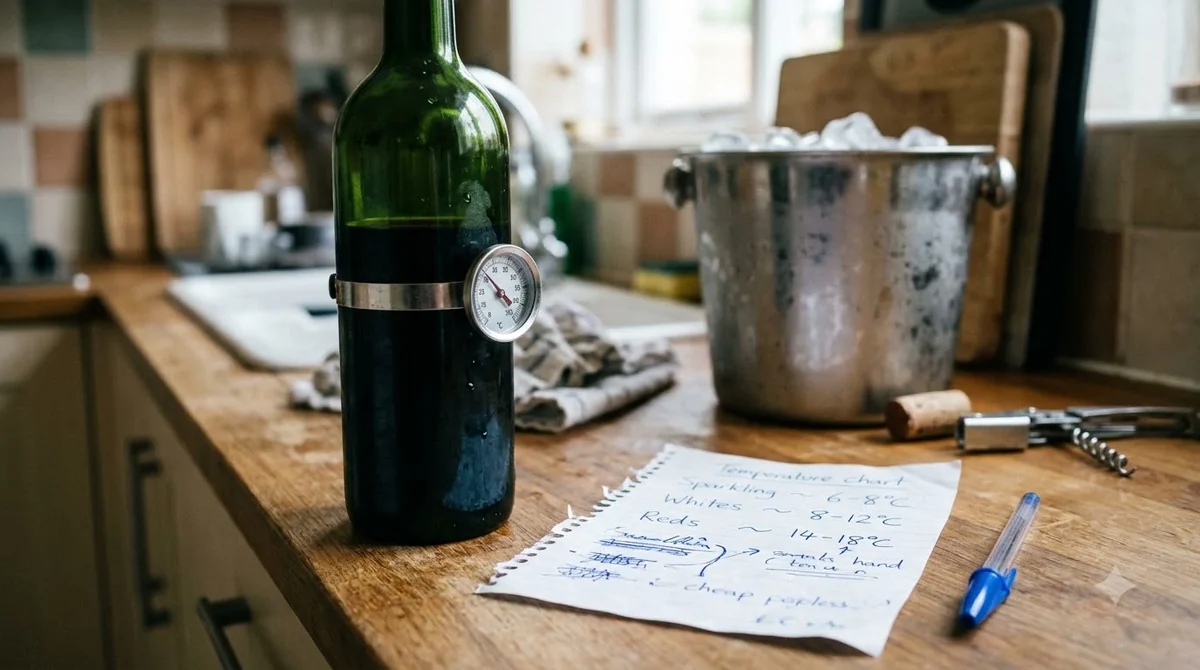
Serve crémant cold. Wine Folly recommends a temperature of 38 to 45°F (3 to 7°C), which keeps the bubbles lively and the acidity crisp. Chill the bottle in the refrigerator for a few hours before serving, or place it in an ice bucket for about thirty minutes once it is on the table. Warm sparkling wine tastes flat and sharp, so keep it cold until the last pour.
Use a flute to show off the bubbles, or a standard white wine glass if you prefer more aroma. There is no need to decant it. Once opened, re-cork the bottle with a sparkling wine stopper and keep it refrigerated, and drink it within a day or two for the best fizz.
| Feature | What to expect |
|---|---|
| Sweetness | Dry |
| Body | Light |
| Acidity | High, crisp |
| Flavors | Lemon, white peach, almond, toast |
| Alcohol | About 10–11.5% ABV |
| Serving temperature | 38–45°F (3–7°C) |
Food pairing for crémant
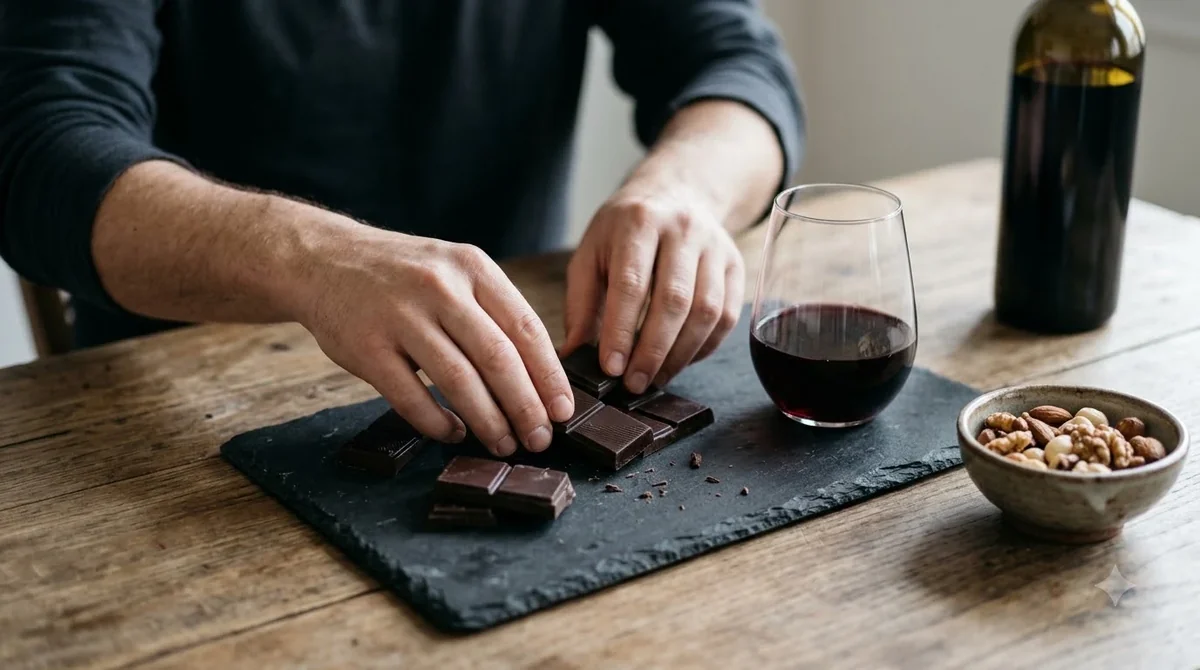
Wine Folly notes that crémant generally goes well with fried foods, soft cheeses and salty appetizers. The bubbles and acidity clean the palate after rich or fatty bites, which is why sparkling wine is such a natural partner for fried chicken, tempura or a plate of fried calamari.
It also suits soft cheeses such as brie or fresh goat cheese, along with oysters, smoked salmon and salty nuts. Crémant can carry a fresh salad with a vinaigrette, and rosé versions work well with charcuterie. Pairing it with very heavy, spicy or heavily sauced dishes tends to hide its delicate fruit, so keep the food light and savory where you can.
How to choose a bottle
When you buy crémant, look for the word crémant on the label, followed by the region name and the producer. The region tells you something about the grapes and the likely style, while the producer’s description gives notes on the blend and aging. Since the wine is meant to be enjoyed fresh, a recent release usually tastes brighter than an older bottle.
Price is one reason many buyers choose crémant, but it is not the only guide. A well-made bottle with clear information on its blend often offers better value than a cheap sparkling wine with little detail. If you want to see how sparkling styles sit alongside still wines, the wine types guide places them in context.
Common mistakes with crémant
The most common mistake is serving crémant too warm. Sparkling wine that sits at room temperature loses its freshness quickly, and the bubbles can taste harsh rather than lively. Chill the bottle well before the event, and keep a second bottle in the refrigerator if you are hosting a long evening.
Another mistake is treating crémant as a cheap substitute that should be drunk only in cocktails. It can be a fine wine on its own, especially the older or more complex bottles, and it deserves to be poured in a glass by itself. Serving it with food that suits its style shows its strengths far better than mixing it into a sweet drink. A glass of crémant with a simple dinner, or with a plate of cheese and fruit, often shows more character than the same wine used as a mixer.
Frequently Asked Questions
What is crémant wine?
Crémant is a French sparkling wine made in several regions outside Champagne. It is usually dry, light and crisp, and it is often made from Pinot Noir and Chardonnay.
Is crémant the same as Champagne?
No. Champagne is a sparkling wine from one specific region, while crémant comes from several other French regions. Both can be made by the traditional method, but crémant is usually sold at a lower price.
What is the alcohol content of crémant?
Wine Folly lists crémant at about 10 to 11.5% ABV. Check the bottle for the exact figure, because it can vary by producer and style.
What food goes well with crémant?
Fried foods, soft cheeses and salty appetizers all pair well with crémant. Its bubbles and acidity clean the palate, and it also suits oysters, smoked salmon and light salads.
Crémant is a practical choice for anyone who likes sparkling wine but wants a gentler price and a light, dry style. Serve it cold, match it with fried or savory foods, and look for the region and producer on the label. For a broader look at wine styles, start with the wine types guide.
More in Wine Types & Grapes
 Zinfandel Sugar Content: Dry Red vs. White Zinfandel GramsUpdated Nov 21, 2026
 Best Zinfandel Substitute Options for Sipping and CookingUpdated Nov 21, 2026
 Zweigelt Food Pairing: Best Dishes, Cheeses, and Serving TipsUpdated Nov 21, 2026
 Zinfandel Tannins Explained: How Structure Shapes Every BottleUpdated Nov 21, 2026
 Zinfandel Sweetness Level: Dry Red vs. Sweet White Zin ExplainedUpdated Nov 21, 2026
 Xinomavro Food Pairing: Best Dishes, Styles, and Serving TipsUpdated Nov 21, 2026