

We may earn a commission when you buy through links on this page, at no extra cost to you. Learn more.
The best amontillado substitute is dry Marsala, which offers a similar nutty character, fortified-wine richness, and depth for cooking. Dry Madeira is another useful choice, particularly for braises and savory sauces, while dry vermouth works when a lighter, more herbal flavor is acceptable. The right replacement depends on whether you need Amontillado’s dry finish, oxidative complexity, concentrated flavor, or ability to complement a particular dish.
Amontillado is a distinctive Spanish sherry that combines yeast-derived savory character with the nutty, toasted flavors developed during oxidative aging. Its complexity makes it useful in mushroom sauces, chicken dishes, soups, seafood preparations, and recipes that need a concentrated splash of dry fortified wine. However, it is not always easy to find in grocery stores, and some recipes simply call for sherry without specifying a style. Fortunately, several alternatives can provide a similar result when selected carefully. Understanding their differences makes it easier to choose a substitute without making a dish unexpectedly sweet, acidic, or heavy.
What Makes Amontillado Different From Other Wines?
Amontillado stands out because its production combines two aging methods, creating a wine that is dry, nutty, savory, and moderately full-bodied. A suitable substitute should reproduce at least some of these characteristics rather than simply provide another alcoholic cooking liquid.
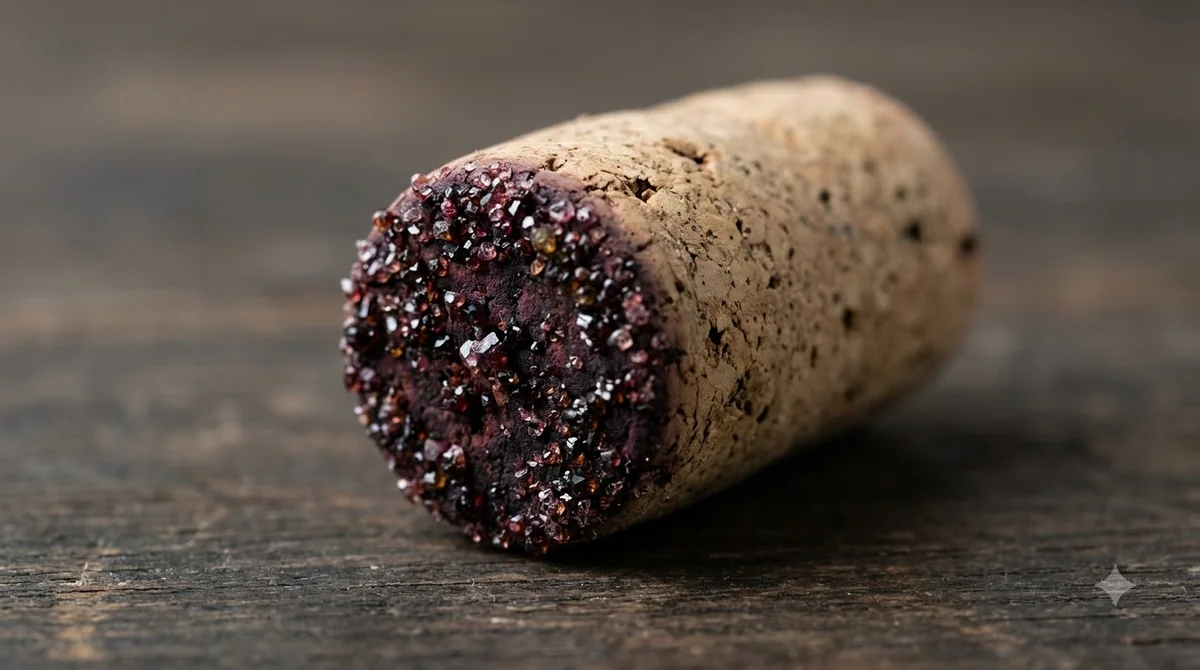
According to the Jerez regulatory council, Amontillado is made from Palomino grapes that undergo complete fermentation. The wine initially ages beneath a layer of flor, a film of naturally occurring yeast that protects the liquid from direct exposure to oxygen. During this biological aging stage, the wine develops distinctive pungent, delicate, and yeasty characteristics.
After the flor disappears, the wine enters oxidative aging. Exposure to oxygen gradually deepens its color and develops additional aromas associated with nuts, spices, and wood. This combination explains why Amontillado tastes different from both Fino and Oloroso, even though these wines belong to the same Spanish sherry family.
The finished wine typically ranges from pale topaz to amber. Its aromas can include hazelnut, aromatic herbs, dark tobacco, and seasoned wood. On the palate, it is dry, with balanced acidity and a persistent nutty finish.
Alcohol concentration is another important consideration. The Jerez regulatory council gives a typical range of 16-22% alcohol by volume, making Amontillado more concentrated than ordinary table wine. Its sugar content is generally very low, normally below 1 gram per liter according to the council’s published specifications.
These characteristics provide a useful framework for choosing replacements. A dry fortified wine is generally preferable to an ordinary white wine because it offers more concentration and body. However, the best alternative also depends on the preparation method. A mushroom cream sauce can benefit from the richness of Marsala, while a lighter pan sauce may work better with dry vermouth.
Best Amontillado Substitute Options
Dry Marsala is the closest practical alternative for many recipes, followed by dry Madeira, dry vermouth, and other dry sherry styles. Each replacement contributes a different balance of nuttiness, acidity, herbal character, and richness.
1. Dry Marsala
Dry Marsala is one of the strongest replacements because it is a fortified wine with concentrated flavors and a useful savory profile. Its nutty, toasted, and sometimes caramel-like notes complement the flavors found in Amontillado.
Choose the dry or secco style rather than sweet Marsala. Sweet versions can change the balance of a savory recipe, particularly when combined with cream, onions, mushrooms, or naturally sweet vegetables.
Dry Marsala works especially well in chicken dishes, mushroom sauces, pork preparations, and pan sauces. Start with a 1:1 substitution ratio. If its richer character becomes too noticeable, reduce the amount slightly and balance the preparation with a little stock or water.
2. Dry Madeira
Dry Madeira provides concentrated flavors, nutty aromas, and an oxidative character that can resemble some aspects of Amontillado. Its flavor profile often includes toasted nuts, dried citrus, and savory spice.
Madeira is particularly useful in slow-cooked recipes because its concentrated character remains noticeable in reductions and braising liquids. Sercial and Verdelho are useful dry-style options, although their acidity and individual flavor profiles vary.
Begin with approximately three-quarters as much Madeira as the recipe requires in Amontillado. Add more gradually if necessary. This conservative approach helps prevent a particularly intense Madeira from dominating delicate ingredients.
3. Dry Vermouth
Dry vermouth offers a lighter, more aromatic alternative. It is fortified and flavored with botanicals, so it brings herbal, bitter, and sometimes citrus-like notes that differ from Amontillado’s oxidative nuttiness.
It works particularly well in seafood sauces, vegetable preparations, poultry dishes, and recipes that need a fragrant cooking wine rather than a strongly nutty flavor. A standard 1:1 replacement is a reasonable starting point.
Dry vermouth is also useful when the recipe contains garlic, shallots, thyme, rosemary, or other aromatic ingredients. These flavors can complement its herbal character and help integrate it into the finished dish.
4. Oloroso Sherry
Oloroso is a particularly useful replacement if another style of dry sherry is available. Both wines are made from Palomino grapes and share oxidative aging characteristics, but their production methods produce noticeably different results.
According to the Jerez regulatory council, Amontillado first ages under flor before oxidative aging begins. Oloroso, by contrast, undergoes oxidative aging from the outset. This produces a fuller-bodied wine with more intense aromas, including walnut, toasted notes, and balsamic characteristics.
Use Oloroso in beef reductions, mushroom preparations, rich poultry sauces, and slow-cooked dishes. Start with approximately three-quarters of the required Amontillado quantity, then adjust according to the intensity of the sauce.
5. Palo Cortado
Palo Cortado is another dry sherry that can provide a convincing flavor replacement. It combines delicate aromatic characteristics with the richness associated with oxidative aging.
Its complexity makes it especially interesting in mushroom dishes, meat reductions, and preparations featuring roasted vegetables. However, it may be harder to find than more familiar sherry styles.
A 1:1 substitution is a reasonable starting point when the wine is dry and the dish has enough flavor to accommodate its intensity.
For additional background on the differences between lighter sherry styles, see our guide to the fino sherry substitute and how it behaves in recipes.
Substitution Ratios and Flavor Differences
Choosing an alternative becomes easier when you compare its concentration, flavor intensity, and intended use. The following measurements provide practical starting points for replacing 1/4 cup of Amontillado in a recipe.
| Substitute | Starting quantity | Flavor profile | Best application |
|---|---|---|---|
| Dry Marsala | 1/4 cup | Nutty, toasted, rich | Chicken and mushrooms |
| Dry Madeira | 3 tablespoons | Nutty, concentrated, savory | Braises and reductions |
| Dry vermouth | 1/4 cup | Herbal, crisp, aromatic | Seafood and vegetables |
| Oloroso | 3 tablespoons | Walnut, toasted, full-bodied | Meat sauces and stews |
| Palo Cortado | 1/4 cup | Complex, dry, nutty | Rich sauces and mushrooms |
| Dry white wine | 1/4 cup | Fresh, acidic, lighter | Light sauces and seafood |
These are practical kitchen starting quantities rather than official equivalencies. Different producers make wines with different levels of concentration, acidity, and aromatic intensity. A particularly rich Madeira or Oloroso may need less than a lighter bottle of dry Marsala.
Ordinary dry white wine is a useful fallback when fortified alternatives are unavailable. Sauvignon Blanc and Pinot Grigio can provide freshness and acidity, but neither naturally reproduces Amontillado’s toasted-nut character. Chardonnay can provide more body, especially in an oaked style, although its flavor will be different.
For recipes that depend on Amontillado’s distinctive savory depth, consider adding a small quantity of toasted nuts or a few drops of concentrated mushroom stock alongside the white wine. These additions can provide some of the missing complexity without making the preparation overly sweet.
Tip: Start with less of a strongly oxidative substitute, particularly Oloroso or Madeira. Simmer the sauce, taste it, and add more gradually. It is easier to increase flavor intensity than to correct an overly concentrated or bitter sauce.
For a broader understanding of how grape varieties and wine styles influence flavor, explore our Wine by Type resource.
Choosing the Right Substitute for Cooking
The best replacement depends on the ingredients and cooking technique. Amontillado is versatile because it combines dryness, acidity, alcohol, and nutty complexity, but not every recipe needs all four characteristics in equal measure.
Chicken and Poultry
Chicken is one of the easiest ingredients to pair with Amontillado alternatives. Dry Marsala is an excellent choice for chicken with mushrooms, cream, garlic, and shallots because its nutty richness complements browned poultry.
Dry vermouth is a better option for lighter preparations involving lemon, fresh herbs, or delicate pan sauces. Its herbal character can support these ingredients without introducing too much oxidative richness.
When preparing a pan sauce, add the replacement wine after browning the chicken. Use it to loosen the browned bits from the bottom of the pan, then add stock or cream according to the recipe. Allow the liquid to reduce before finishing the sauce.
Mushrooms and Vegetable Dishes
Mushrooms are especially compatible with oxidative wines because their earthy, savory flavors complement notes of hazelnut, walnut, and toasted wood. Dry Marsala, dry Madeira, and Oloroso are all suitable alternatives.
For sautéed mushrooms, add the wine after the mushrooms have released their moisture and begun to brown. This allows the liquid to incorporate the caramelized flavors already present in the pan.
Vegetables such as asparagus and artichokes can also accompany Amontillado. However, their delicate and sometimes bitter characteristics may be overwhelmed by a very concentrated substitute. Dry vermouth or a restrained amount of Madeira is often a better choice for these preparations.
Seafood and Fish
Seafood dishes generally benefit from a lighter alternative. Dry vermouth can work well with shrimp, scallops, clams, and white fish because its herbal aromas and crisp character provide freshness.
Dry Marsala is more appropriate for seafood preparations featuring mushrooms, browned butter, or cream. For a delicate fish broth, however, its richer flavor may become distracting.
Amontillado is also traditionally recommended with blue fish such as tuna. If substituting in a tuna preparation, choose a dry wine with enough flavor intensity to complement the fish rather than an excessively sweet or fruity alternative.
Soups, Stews, and Braises
Longer cooking methods favor substitutes that can retain their character after reduction. Dry Madeira and Oloroso are particularly effective in braised meat dishes, rich vegetable soups, and sauces that need a pronounced toasted flavor.
Dry Marsala is another dependable option for chicken soup, mushroom soup, and creamy preparations. Add the wine during the initial cooking stages if the recipe calls for a reduced wine base.
For lighter soups and consommés, dry vermouth may be preferable. Its aromatic character can contribute complexity without giving the broth the heavier texture associated with some oxidative fortified wines.
Remember that reduction concentrates both flavor and acidity. If a replacement tastes particularly intense before cooking, use a smaller quantity and increase it only if the finished preparation needs more depth.
Nonalcoholic and Everyday Alternatives
When fortified wine is unavailable or unsuitable for a recipe, ordinary white wine, stock, and carefully balanced acidic ingredients can provide useful alternatives. These combinations will not reproduce authentic Amontillado, but they can preserve the savory balance of many dishes.
White Grape Juice and Vinegar
White grape juice provides fruitiness and a mild sweetness that can replace some of the liquid and flavor associated with wine. However, it lacks Amontillado’s dry finish and oxidative complexity.
For a savory preparation, combine 3 tablespoons of unsweetened white grape juice with 1 tablespoon of water and a small amount of white wine vinegar. The vinegar adds acidity that helps balance the grape juice’s sweetness.
Use this combination in small quantities, particularly in sauces containing onions, carrots, or other naturally sweet ingredients. Taste the preparation before adding additional sweet components.
Apple Juice and Cider Vinegar
Unsweetened apple juice can work in poultry dishes, vegetable soups, and some pork preparations. Its fruit character is more noticeable than that of Amontillado, but a little cider vinegar can make the flavor less sweet and more balanced.
A practical starting mixture is 3 tablespoons of unsweetened apple juice, 1 tablespoon of water, and approximately 1/2 teaspoon of cider vinegar. Adjust the acidity gradually rather than adding the full amount automatically.
This combination is most suitable for recipes that already include apples, onions, thyme, or other ingredients that complement its fruit profile.
Vegetable or Mushroom Stock
Stock is an effective option when the main purpose of Amontillado is to contribute savory depth rather than wine aroma. Mushroom stock is especially useful because it contains naturally earthy flavors that complement roasted vegetables, poultry, and sauces.
Use the same initial volume as the wine required, then add a little vinegar or lemon juice if the dish needs additional acidity. A small amount of toasted walnut or almond flavor can help approximate the nutty character of Amontillado.
Choose unsalted stock whenever possible so the finished dish does not become too salty during reduction. This is especially important for sauces that will simmer for an extended period.
Dry White Wine and Stock
A combination of dry white wine and stock is a useful everyday alternative when no fortified wine is available. Sauvignon Blanc supplies acidity, while Chardonnay can contribute more body and texture.
For a recipe requiring 1/4 cup of Amontillado, begin with 2 tablespoons of dry white wine and 2 tablespoons of stock. Reduce the mixture gently and adjust the seasoning according to the other ingredients.
White wine will not provide the same concentrated aromas as Amontillado, so this replacement works best in preparations where the wine is one supporting ingredient rather than the defining flavor.
Readers comparing lighter wine styles may also find our guide to a chardonnay substitute useful when selecting an everyday replacement for cooking.
Common Substitution Mistakes and Practical Cooking Tips
The most common mistake is choosing a substitute based only on color or alcohol content. Amontillado has a specific balance of dryness, acidity, concentration, and aromatic complexity that cannot be reproduced simply by pouring another fortified wine into the recipe.
Choosing Sweet Instead of Dry Wine
Sweet Marsala is not interchangeable with dry Marsala. The additional sweetness can make a savory sauce taste unbalanced, especially when combined with cream, caramelized onions, or roasted vegetables.
The same principle applies to sweet sherry styles such as Pedro Ximénez and Cream Sherry. These wines have different flavor profiles and are generally inappropriate when a recipe specifically requires dry Amontillado.
Using Cooking Sherry Instead of Drinking Sherry
Commercial cooking sherry is different from ordinary drinking sherry. Some products contain added salt and coloring, which can make their flavor less suitable for recipes that depend on precise seasoning.
Wine.com also distinguishes between genuine sherry and cooking sherry in its cooking guide. Its recommendations emphasize using a proper drinking wine rather than relying on a heavily seasoned condiment product.
For further background on selecting the appropriate style, consult the Wine.com guide to cooking with sherry.
Adding Too Much Substitute
Fortified wines often have more concentrated flavor than ordinary table wines. Adding an equal amount of a particularly intense Madeira or Oloroso can overpower a delicate preparation.
Begin with a smaller quantity when using a richer alternative. Allow it to incorporate into the dish before deciding whether more is necessary.
Ignoring the Role of Acidity
Amontillado has balanced acidity, so its replacement should not make a dish taste excessively sweet or flat. A dry fortified wine generally offers a better starting point than juice alone.
For acidic recipes containing tomatoes, citrus, or vinegar, choose a replacement with enough acidity to maintain the balance. Avoid correcting an already sharp preparation with excessive vinegar.
Choosing the Wrong Style for the Recipe
A mushroom cream sauce benefits from richness, while delicate seafood usually needs a lighter touch. A strongly oxidative wine may be appropriate for a slow-cooked beef dish but overwhelming in a subtle vegetable broth.
The most reliable approach is to match the intensity of the substitute to the intensity of the other ingredients. Dry Marsala is a versatile first choice, but dry vermouth may produce a more balanced result in a lighter preparation.
Wine selection also matters outside the kitchen. If you are choosing a bottle for drinking rather than cooking, consider whether the wine’s acidity, sweetness, and body suit the food being served.
Frequently Asked Questions
Can I substitute Amontillado for regular dry sherry?
Yes. Amontillado is itself a dry sherry style and can replace regular dry sherry in most recipes. However, generic dry sherry can refer to several styles, including Fino and Oloroso, which have different aromatic profiles. Amontillado generally contributes more oxidative nuttiness than Fino.
Does Amontillado taste more like Marsala or Madeira?
Amontillado shares characteristics with both fortified wines, but its flavor is distinctive because of its two-stage aging process. Dry Marsala often provides a more immediately recognizable nutty cooking flavor, while Madeira can contribute more pronounced acidity and oxidative concentration. Neither reproduces the complete combination of flor-derived and oxidative aromas.
Can Amontillado be used in desserts?
Yes. Its dry, nutty character can complement desserts featuring toasted almonds, hazelnuts, caramelized fruit, and dark chocolate. It is particularly interesting in recipes where the dessert is not excessively sweet. For sweeter preparations, a naturally sweet sherry style may be more appropriate.
Should Amontillado be refrigerated after opening?
Refrigeration is a practical way to preserve an opened bottle and slow further changes in flavor. The Jerez regulatory council indicates that Amontillado can remain suitable for consumption for months after opening. Keeping the bottle tightly closed and away from heat helps maintain its aromatic character.
What is the difference between Amontillado and Fino in alcohol content?
Amontillado typically contains 16-22% alcohol by volume, while Fino is generally around 15% alcohol by volume. The difference reflects their distinct production and fortification characteristics. Amontillado also undergoes oxidative aging after its initial biological aging, giving it a darker color and more concentrated nutty character.
Dry Marsala is the best starting point for most recipes that call for Amontillado, while dry Madeira and Oloroso are particularly useful for richer dishes. For lighter preparations, dry vermouth or a carefully balanced white wine alternative can work just as effectively. Match the replacement to the dish’s flavor intensity, begin with a measured quantity, and adjust gradually to achieve a balanced result.
More in Wine Types & Grapes
 Zinfandel Sugar Content: Dry Red vs. White Zinfandel GramsUpdated Nov 21, 2026
 Best Zinfandel Substitute Options for Sipping and CookingUpdated Nov 21, 2026
 Zweigelt Food Pairing: Best Dishes, Cheeses, and Serving TipsUpdated Nov 21, 2026
 Zinfandel Tannins Explained: How Structure Shapes Every BottleUpdated Nov 21, 2026
 Zinfandel Sweetness Level: Dry Red vs. Sweet White Zin ExplainedUpdated Nov 21, 2026
 Xinomavro Food Pairing: Best Dishes, Styles, and Serving TipsUpdated Nov 21, 2026