

We may earn a commission when you buy through links on this page, at no extra cost to you. Learn more.
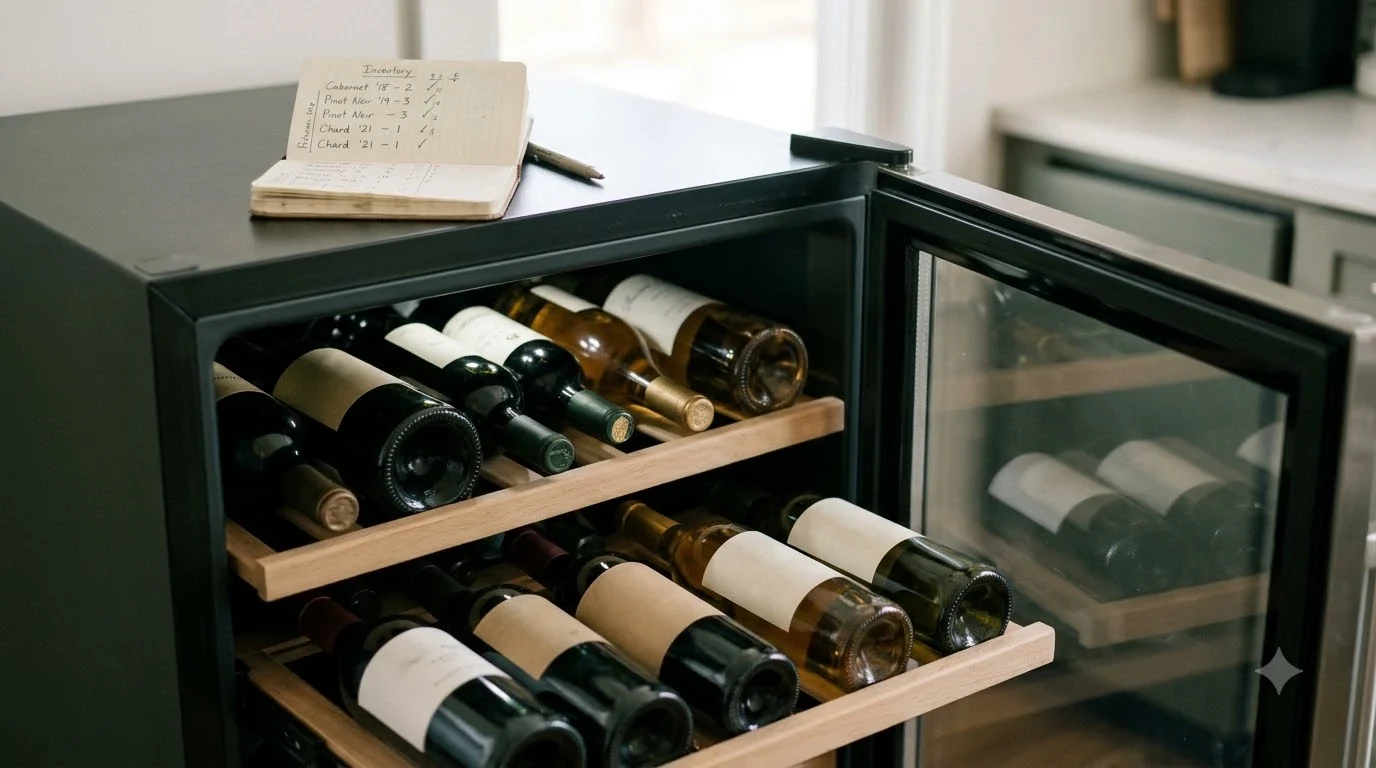
Can you store beer in a wine fridge? Yes, you can store beer in a wine fridge, provided its temperature settings suit the beer and the cabinet protects bottles and cans from light and temperature fluctuations. However, most wine fridges operate warmer than dedicated beer refrigerators, making them better for temporary storage or certain specialty beers than for keeping every beer ready to drink. Choosing the right temperature, shelf arrangement, and storage period helps preserve beer freshness while making practical use of your existing appliance.
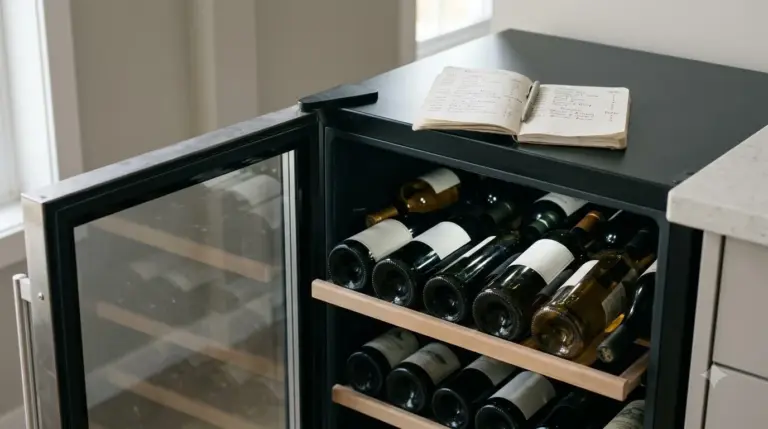
A wine fridge can be a convenient place for beer if you have extra room in the cabinet or want to keep wine and craft beer together. The main consideration is that wine and beer have different storage requirements. Wine cabinets are designed around stable temperatures, humidity control, and gentle bottle storage, while beer generally benefits from colder refrigeration. Understanding these differences will help you decide whether your wine cooler is suitable for your particular collection or whether a separate beverage refrigerator makes more sense.
Why a Wine Fridge Can Work for Beer Storage
A wine fridge can provide a cool, dark, relatively stable environment that helps protect beer from some common storage problems. Its usefulness depends on the cabinet’s minimum temperature, the beer style, and whether you intend to store bottles for a few days or several weeks.
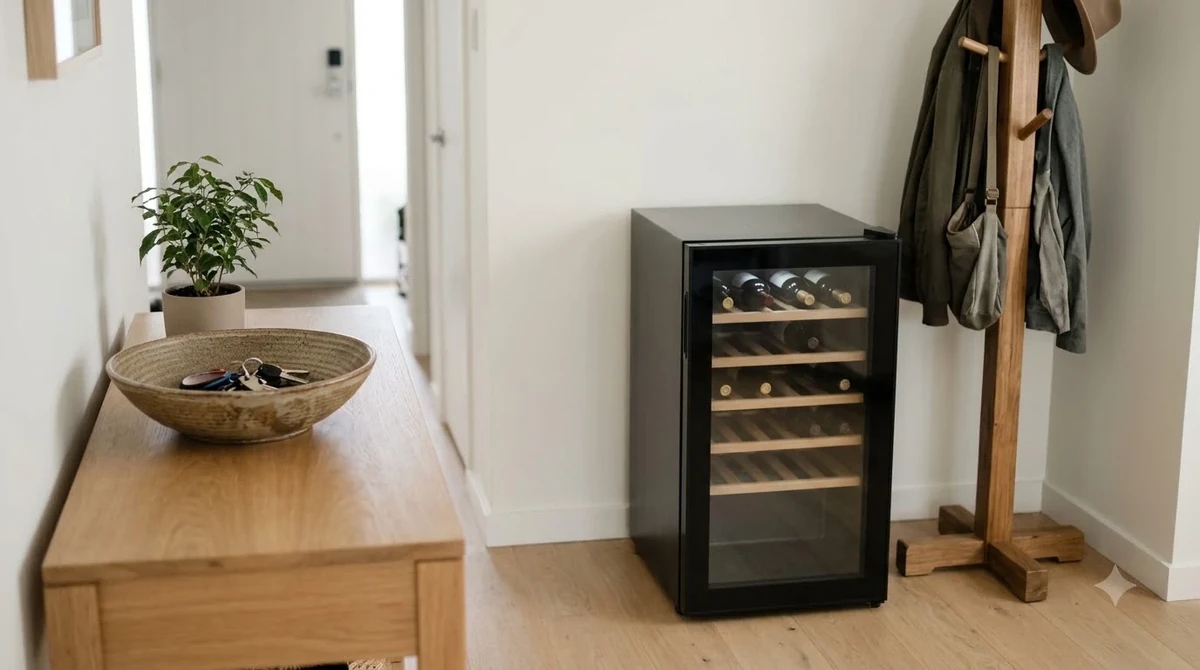
Wine cabinets are designed to maintain controlled conditions rather than simply cool beverages as quickly as possible. Many models offer temperature settings around 44°F to 64°F, depending on their design. Vintec, for example, describes wine cabinets with operating temperatures ranging from 7°C to 18°C (44.6°F to 64.4°F). That range overlaps with some suitable beer storage conditions, particularly for stronger ales intended for gradual aging.
Beer benefits from protection against heat, oxygen, and light. According to the Wine & Spirit Education Trust, these factors can damage freshness, aroma, and flavor. A wine fridge can address two of these concerns particularly well: it provides a controlled cool environment and often has a tinted glass door or protective interior that limits light exposure. The WSET guide to storing and serving beer also explains why keeping beer cool, dark, and sealed helps preserve its character.
There are also practical advantages to using an existing wine cabinet. You do not need another appliance, another electrical connection, or additional floor space. If you regularly buy a few bottles of craft beer, having them alongside your wine can make household beverage storage more convenient.
However, the appliance’s intended purpose matters. A wine fridge set to 55°F is not equivalent to a standard refrigerator set to 38°F. The former may suit certain strong ales, but it will not keep a typical lager at its preferred cold storage temperature. Beer stored at warmer temperatures also ages faster than beer kept consistently refrigerated.
Think of a wine fridge as a potentially useful secondary beer storage location rather than a universal replacement for a beer refrigerator. Its suitability improves when you can adjust the temperature, keep the door closed, and position the beer away from direct light.
What Temperature Should You Set for Beer?
The best temperature depends on the beer style and whether you are storing it or preparing it for immediate consumption. For most packaged beer, colder storage is preferable, with 38°F to 40°F serving as useful reference points for refrigerated beer.
The Global Cold Chain Alliance’s Commodity Storage & Handling Manual gives 40°F (4.4°C) as the storage temperature for pasteurized packaged beer and 38°F (3.3°C) for non-pasteurized packaged beer and kegs. These figures illustrate why many wine fridges cannot provide the ideal conditions for everyday lager and ale storage.
Some specialty beers have different requirements. Strong ales intended for aging can be kept at moderately cool temperatures rather than standard refrigerator temperatures. The American Homebrewers Association identifies 55°F (12.8°C) as a commonly accepted temperature for aging many ales. This is much closer to the operating range of many wine cabinets.
The following figures provide practical reference points for evaluating your appliance. They are storage guidelines rather than universal requirements for every beer recipe.
| Beer category or condition | Temperature | Storage consideration |
|---|---|---|
| Pasteurized packaged beer | 40°F (4.4°C) | Cool, consistent storage |
| Non-pasteurized packaged beer | 38°F (3.3°C) | Refrigerated storage preferred |
| Non-pasteurized keg beer | 38°F (3.3°C) | Maintain refrigeration |
| Strong ales intended for aging | 55°F (12.8°C) | Suitable for certain cellar-style storage |
| Common wine cabinet setting | 54°F–57°F (12°C–14°C) | Better suited to selected specialty beers |
| Critical cold-sensitivity reference | 35°F (2°C) | Some beers may develop cloudiness below this point |
| Approximate beer freezing point | 30°F (-1°C) | Freezing can damage packaged beer |
The GCCA manual estimates that many beers become cloudy at temperatures around 35°F, although the precise threshold varies by formulation. It also places the approximate freezing point of most beer at 30°F. These figures are useful reminders that colder is not automatically better if the appliance has poor temperature regulation or exposes bottles to excessively cold spots.
For a mixed collection, consider which beers you actually intend to keep in the wine fridge. A strong, bottle-conditioned ale may be comfortable at 55°F, while a light lager intended for a crisp, cold pour will be better stored in a regular refrigerator.
Tip: Measure the actual temperature inside the wine fridge with an independent refrigerator thermometer. The control-panel setting does not always represent the temperature on every shelf, especially in cabinets with multiple zones or uneven air circulation.
If your wine fridge cannot reach approximately 40°F, do not assume it can replace your regular refrigerator for all packaged beer. Use it for suitable specialty bottles and keep everyday lagers and other beers that require colder storage in a dedicated refrigerator.
Single-Zone and Dual-Zone Wine Fridges Have Different Advantages
The number of temperature zones determines how conveniently you can store wine and beer together. A single-zone model maintains one general temperature throughout the cabinet, while a dual-zone model offers two separately controlled areas.
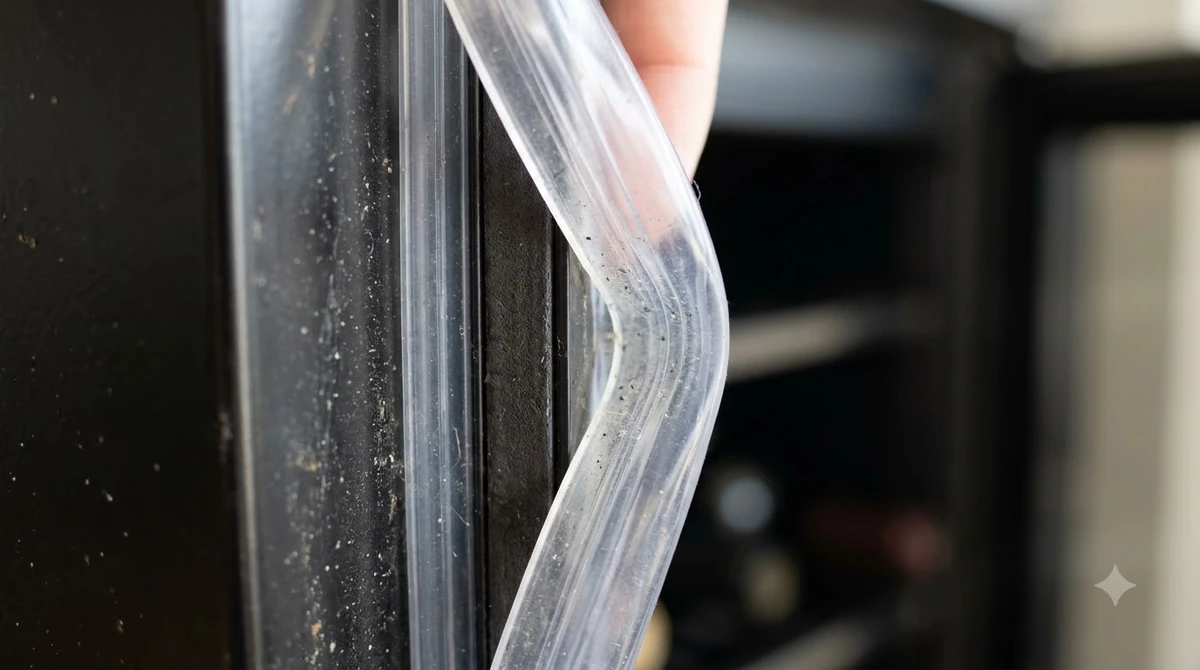
A single-zone wine fridge is relatively straightforward to use. You select one temperature, and the cabinet attempts to maintain that setting throughout its interior. This works well when you store similar wine styles together, but it can become restrictive when you want to accommodate beer as well.
For example, setting a single-zone cabinet to 55°F may suit some strong ales and long-term wine storage. However, it is considerably warmer than the 38°F to 40°F recommended for many packaged beers. Lowering the temperature to accommodate lager may make the cabinet less appropriate for wines intended for long-term storage.
A dual-zone wine fridge offers more flexibility. You might use the colder compartment for cans and beer bottles while reserving the warmer compartment for wine. This arrangement is particularly useful if your wine collection includes bottles that need different serving temperatures.
However, dual-zone appliances are not automatically suitable for beer. The colder zone must actually reach an appropriate temperature, and the manufacturer must permit the appliance to operate at that setting. Some wine cabinets have relatively warm minimum settings even when they offer two independent compartments.
Choosing between the two designs
A single-zone model is reasonable if you mainly store wine and occasionally keep a few stronger beers in the cabinet. A dual-zone cabinet makes more sense if you regularly alternate between wine and beer storage and both compartments have suitable temperature ranges.
Pay attention to how the manufacturer describes the zones. Some models offer a gradual temperature difference between the upper and lower sections rather than two completely independent settings. Others have a fixed arrangement in which the bottom section is colder than the top.
Do not assume that the lower shelf is always the coldest. Cooling designs differ, and air circulation can produce different temperature patterns. Measure both compartments before assigning specific beverages to them.
Also consider the physical layout. Wine bottles are typically stored horizontally, while beer bottles and cans are generally easier to organize upright. A cabinet with adjustable shelves gives you more options than one with permanently fixed wine racks.
How to Arrange Beer Bottles and Cans in a Wine Fridge
Beer can be stored in a wine fridge without complicated modifications, but the packaging should fit securely and remain protected from light. Upright storage, adequate spacing, and careful handling are the most practical starting points.
Wine fridges commonly use wooden or metal shelves designed around the shape of wine bottles. Standard beer bottles, tall cans, and specialty packaging may not fit neatly into these spaces. Before filling the cabinet, measure the available shelf height and depth, including the space required to close the door without touching the containers.
For most packaged beer, upright storage is a sensible choice. It makes cans and bottles easier to organize, reduces the chance of leakage around closures, and helps keep any yeast sediment concentrated at the bottom of bottle-conditioned beer. If you have beers with sediment, upright positioning also makes it easier to pour carefully later.
Cans are especially convenient because they provide complete protection from light. Unlike clear or green glass, aluminum packaging does not allow light to reach the beer. This makes canned beer a practical option for wine cabinets with glass doors, although you should still avoid exposing the cabinet to direct sunlight.
Brown bottles offer better light protection than green or clear bottles. WSET explains that brown glass blocks most harmful light, whereas green and clear glass provide much less protection. If your collection includes lighter-colored glass bottles, keep them toward the darker interior of the cabinet or inside their original packaging.
Make the shelves work for different containers
Some wine fridges have removable shelves that can be adjusted to accommodate taller containers. If yours does, remove or reposition a shelf only according to the manufacturer’s instructions. Avoid forcing beer bottles into narrow spaces or placing cans where they can roll when the door opens.
A simple arrangement can help prevent problems:
- Place standard beer cans upright in rows where they cannot move freely.
- Keep long-neck bottles upright if the shelf height allows.
- Use a stable, flat shelf for heavier specialty beer bottles.
- Leave room around containers for the cabinet’s intended air circulation.
- Keep clear and green bottles away from direct light.
- Avoid placing containers against cooling vents or other areas where localized temperatures may become unusually cold.
Do not overload wooden wine shelves. They are often designed for a particular bottle weight and distribution, and beer cans or unusually heavy bottles may create a different load pattern. Check the manufacturer’s shelf-weight limits before using the cabinet for a large beer collection.
There is no need to transfer beer into another container for storage. Keep it in its original sealed packaging, since opening a bottle or can exposes the contents to oxygen and causes carbonation to escape.
Protect Beer From Heat, Light, Oxygen, and Temperature Changes
Temperature is important, but it is only one part of proper beer storage. Protecting the packaging from light, keeping containers sealed, and avoiding repeated temperature changes can help preserve the intended flavor.
Beer naturally changes as it ages. Hop-forward beers can lose their fresh aromatic character, while oxidation may create flavors reminiscent of paper or wet cardboard. WSET identifies these changes as common consequences of beer aging and poor storage conditions.
Heat accelerates many of the chemical reactions responsible for staling. A wine fridge can help slow those processes compared with leaving beer in a warm kitchen or pantry. However, a cabinet set to 58°F will not preserve beer as effectively as a refrigerator maintaining approximately 38°F when the beer is intended to remain refrigerated.
Light exposure creates a separate problem known as light strike. Compounds derived from hops react with light and can produce an unpleasant skunky aroma. Clear and green glass bottles are particularly vulnerable because they allow more light through than brown glass.
Wine fridges often have glass doors, so their protective features deserve attention. Some models use UV-resistant glass, tinted doors, and dark interiors. These features can reduce exposure, but they do not make every glass-fronted cabinet completely lightproof.
Keep the appliance away from direct sunlight, particularly if it sits near a window. If the cabinet has an internal light, use it only when necessary and follow the manufacturer’s recommendations about illumination. You can also keep sensitive bottles in their original cardboard packaging if the shelf arrangement permits.
Why sealed packaging matters
Oxygen exposure can affect beer quality even when the temperature is appropriate. A sealed can or bottle limits contact with outside air and helps preserve carbonation. Once opened, beer is generally best consumed immediately rather than returned to the wine fridge for later storage.
For unopened containers, avoid unnecessary handling. Moving bottles repeatedly, leaving the door open for extended periods, or frequently rearranging the collection can cause temperature changes that undermine consistent storage.
Wine fridges are designed to maintain relatively stable internal conditions, but they still need proper placement. CHOICE recommends allowing sufficient space around the appliance for ventilation and keeping it away from extreme heat sources such as ovens. The same practical considerations matter when the cabinet contains beer.
If you are planning to keep wine and beer together, the principles in how to store wine at home also help explain why a consistent temperature, protection from light, and a suitable storage location matter for both beverages.
How Long Can Beer Stay in a Wine Fridge?
The appropriate storage period depends on the beer’s style, packaging, production method, and temperature. A wine fridge can be suitable for temporary storage, but it should not be treated as a guarantee of extended freshness.
The GCCA Commodity Storage & Handling Manual provides approximate storage periods of 8–12 weeks from packaging for pasteurized and non-pasteurized packaged beer under its specified conditions. For non-pasteurized kegs, it gives an approximate period of six weeks. These are reference figures for particular storage conditions, not universal expiration dates for every beer.
Beer can remain drinkable beyond some commercial freshness windows, but its intended character may change. A heavily hopped IPA, for instance, is generally valued for fresh hop aromas. Keeping it in a warmer wine fridge for an extended period may cause those aromas to fade more quickly than they would under colder refrigeration.
Some strong ales are different. Certain high-strength beers are produced with aging in mind, and their flavors may develop over time. The American Homebrewers Association describes 55°F as a commonly accepted temperature for aging many ales. This makes some wine fridges potentially useful for specialty beer cellaring, provided the cabinet maintains a stable temperature and the beer is suitable for aging.
Temporary storage versus long-term aging
For temporary storage, a wine fridge can be a reasonable solution when the beer style suits the cabinet temperature. For example, a bottle of strong ale kept at approximately 55°F may be more comfortable in a wine cabinet than in a standard refrigerator operating near 38°F.
For long-term storage, consider the beer’s intended aging characteristics rather than assuming that every craft beer improves with time. Many pale ales, lagers, wheat beers, and hop-forward styles are intended to be consumed relatively fresh. Aging them for months in a wine fridge may reduce their most appealing aromas and flavors.
Specialty beers designed for cellaring may benefit from controlled maturation. Strong ales, certain barrel-aged beers, and some bottle-conditioned styles can develop more complex characteristics under appropriate conditions. Even so, the best storage temperature depends on the brewer’s recommendations and the particular beer.
Use a simple rotation system to avoid forgetting older bottles. Put newly purchased beer behind existing stock and consume older bottles first. Record the purchase date or packaging date when available, especially if you keep several different styles.
For wine stored in the same appliance, the article on how long you can store wine in a wine fridge explains why storage duration also depends on the type of wine and the stability of the cabinet. Beer and wine do not necessarily have the same aging requirements, even when they share the same appliance.
When a Dedicated Beer Fridge Is a Better Choice
A dedicated beer refrigerator is generally the better option if you regularly drink lager, pilsner, pale ale, or other styles that benefit from colder storage. It offers more appropriate temperature control for everyday beer and avoids compromising the storage conditions of your wine collection.
Most wine fridges are designed around wine storage temperatures rather than the colder conditions needed for many packaged beers. Vintec notes that its wine cabinets commonly operate between 7°C and 18°C and recommends a dedicated beverage cabinet for extensive beer storage. This illustrates the difference between an appliance that can hold beer and one specifically designed to refrigerate it.
A regular beverage refrigerator may offer a wider range of lower temperature settings and shelves designed for cans, bottles, and larger containers. Some models also provide more usable vertical space, which can be helpful for storing tall beer bottles or multiple rows of cans.
Another consideration is capacity. A wine fridge might hold a stated number of standard wine bottles, but this does not mean it will accommodate the same number of beer cans. The shape and height of beer packaging can reduce the available storage space considerably.
Consider the appliance installation
If you intend to replace your wine fridge with a beverage refrigerator, think about the location before purchasing. Freestanding and built-in models have different ventilation requirements, and a cabinet designed for one installation type may not be appropriate for another.
Our explanation of whether a freestanding wine fridge can be built in covers the ventilation and installation issues that also matter when choosing an alternative beverage appliance. Proper airflow around the cooling system helps the refrigerator operate as intended.
There are several situations in which keeping the wine fridge is still perfectly reasonable:
- You only store a few bottles of specialty beer.
- Your collection includes strong ales intended for moderate-temperature aging.
- Your wine fridge has an independently controlled compartment that reaches suitable beer temperatures.
- You need temporary storage space before serving beer elsewhere.
- You have sufficient room for beer without overcrowding the wine shelves.
By contrast, a dedicated beer refrigerator makes more sense if you buy cases of lager, regularly store unpasteurized beer, or want cans and bottles consistently chilled for serving. The colder temperature also reduces the need to transfer beer between appliances before drinking.
For households with a substantial collection of both beverages, a separate wine cabinet and beverage refrigerator provide the greatest flexibility. Each appliance can operate at the temperature suited to its contents without requiring compromises.
The broader Wine Storage & Serving Temps resource can also help you understand the distinction between storing beverages for preservation and chilling them for immediate service.
Frequently Asked Questions
Can you store unopened beer next to wine bottles in the same fridge?
Yes, unopened beer and wine can share a cabinet if the temperature is appropriate for both. Keep beer upright and avoid allowing cans or bottles to press against wine bottles or interfere with sliding shelves. Also consider that some bottle-conditioned beers contain yeast sediment that is easier to manage when stored upright.
Can you store beer in a wine fridge during a power outage?
A closed wine fridge provides some temporary insulation, but it cannot actively maintain its temperature without electricity. Avoid opening the door unnecessarily while power is unavailable. Once electricity returns, allow the cabinet to stabilize and check its actual temperature before relying on it for continued storage.
Does storing beer sideways damage the bottle?
Brief periods of horizontal storage generally do not damage a sealed beer bottle. However, upright storage is usually more practical because it keeps sediment at the bottom and reduces the chance of beer contacting the closure for extended periods. This is especially useful for bottle-conditioned Belgian ales and other sediment-containing beers.
Can you store non-alcoholic beer in a wine fridge?
Yes, unopened non-alcoholic beer can be stored in a wine fridge if its temperature is suitable for the product. Some non-alcoholic beers are pasteurized, while others use different preservation methods, so their storage requirements can vary. Follow the manufacturer’s refrigeration instructions, particularly for products sold in the refrigerated section.
Can you put beer glasses in a wine fridge?
Clean, dry beer glasses can generally be kept in a wine fridge if the shelves have enough space and the glasses are positioned securely. Avoid placing damp glasses inside because trapped moisture can create condensation and leave water marks. Allow a chilled glass to warm slightly if extreme cold would interfere with the beer’s aroma or foam development.
A wine fridge can be a useful place to store beer, especially specialty ales and bottles that suit moderately cool storage. The key is matching the cabinet’s actual temperature to the beer style while protecting the packaging from light and unnecessary handling. If you mainly drink standard lagers or need large amounts of consistently cold beer, a dedicated beverage refrigerator remains the more practical choice.
More in Storage & Fridge Care
 How Long Can You Store Wine in a Wine Fridge? Protect Bottle QualityUpdated Nov 20, 2026
 Is It Worth Repairing a Wine Fridge? Spot the Cheap Fixes Before You ReplaceUpdated Nov 20, 2026
 Wine Fridge Condensation: Identify Causes and Fix Moisture ProblemsUpdated Nov 20, 2026
 Wine Fridge Too Cold: Protect Your Wine and Fix the TemperatureUpdated Nov 20, 2026
 How to Reset Wine Fridge: Restore Cooling and SettingsUpdated Nov 20, 2026
 Wine Fridge Fan Not Working: Diagnose Problems and Restore CoolingUpdated Nov 20, 2026