

We may earn a commission when you buy through links on this page, at no extra cost to you. Learn more.
The ideal albarino serving temperature is 45–50°F (7–10°C), which keeps the wine refreshing while allowing its citrus, floral, and mineral aromas to come through. For most young, crisp Albariño wines, aim for approximately 48°F when pouring. Serve fuller, more complex, or lees-aged examples slightly warmer, around 50–55°F, to reveal their additional texture and aromatic detail.
Albariño is one of Spain’s most refreshing white wines, particularly when it comes from Galicia’s Atlantic-influenced Rías Baixas region. Its lively acidity, citrus flavors, white peach notes, and occasional salty character make it a natural companion for seafood and warm-weather meals. Getting the temperature right is important because an excessively cold bottle can conceal its aromas, while an overly warm glass can lose the crisp freshness that makes this grape distinctive. Here’s how to chill, serve, and enjoy Albariño at its best.
The Ideal Temperature for Serving Albariño
Most Albariño tastes best between 45°F and 50°F, with approximately 48°F providing an excellent starting point. This range preserves the wine’s refreshing acidity without suppressing its citrus, orchard-fruit, and floral characteristics.
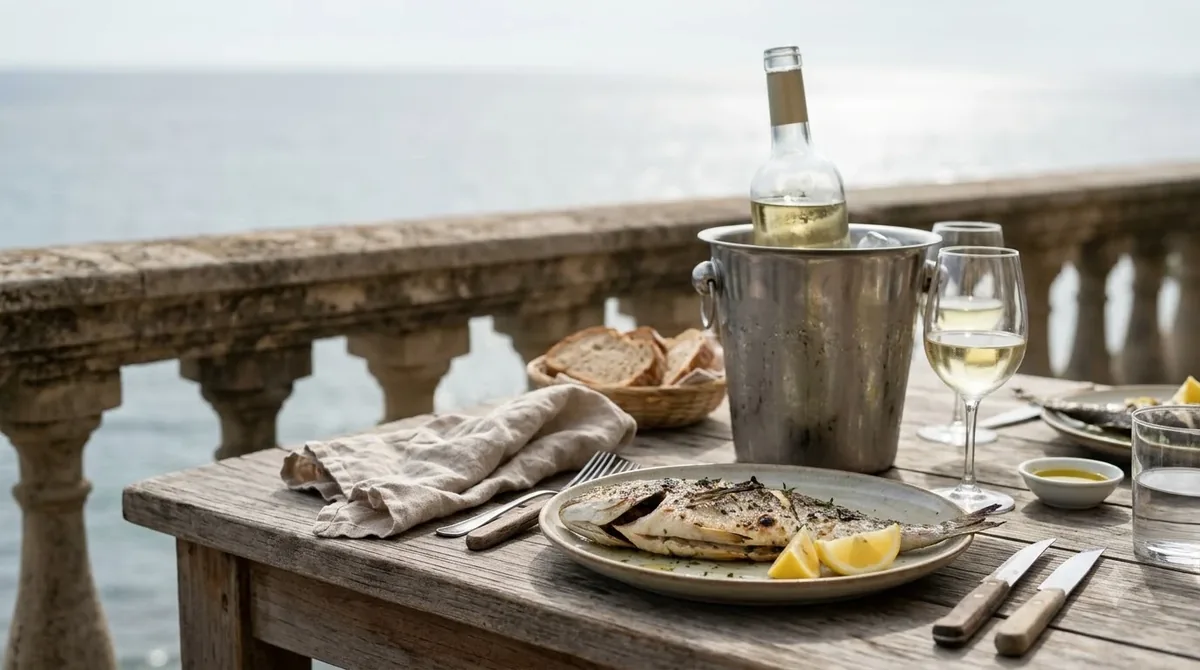
Albariño is naturally high in acidity, and that quality is central to its appeal. Typical aromas include lemon, lime, grapefruit, white peach, yellow apple, and honeysuckle. Some examples also have a subtle saline character that recalls their coastal origins. Serving the wine properly chilled helps maintain its clean, lively profile while allowing these different characteristics to remain recognizable.
Professional recommendations vary slightly. Wine Enthusiast reports that Master Sommelier Chris Gaither prefers approximately 46°F for Albariño, explaining that this temperature helps preserve freshness and highlight citrus flavors. Total Wine recommends approximately 50°F for high-acidity white wines, including Albariño. These recommendations support a practical serving window rather than a single mandatory temperature. For additional professional tasting and serving context, see Wine Enthusiast’s Albariño recommendations and serving insights.
For everyday purposes, use the following temperature guide:
| Albariño style | Serving temperature | What to expect |
|---|---|---|
| Young, crisp Albariño | 45–48°F | Bright citrus, refreshing acidity, and fresh fruit |
| Classic Rías Baixas Albariño | 46–50°F | Lime, peach, floral aromas, and mineral freshness |
| Fuller-bodied Albariño | 49–52°F | More noticeable texture and broader fruit flavors |
| Lees-aged Albariño | 50–55°F | Greater aromatic expression and a richer mouthfeel |
| Oak-influenced Albariño | 50–55°F | More pronounced texture and developed flavors |
These are practical serving targets rather than rigid production classifications. The exact temperature depends on the wine’s structure and winemaking approach. A light, stainless-steel-fermented bottle generally benefits from the cooler end of the range, while a more substantial wine can reveal additional complexity with a little warmth.
Albariño also differs from wines that benefit from particularly cold service. For example, sparkling wines are generally served at 40–50°F, while full-bodied white wines are usually served at 50–55°F. Albariño sits between these categories, making a moderate chill particularly useful.
Why Temperature Changes Albariño’s Flavor and Aroma
Temperature influences how aromatic compounds are perceived, how acidity feels on the palate, and how much texture a wine reveals. Albariño’s naturally lively structure makes these changes particularly noticeable.
When Albariño is too cold, its aromas become less expressive. Lemon, grapefruit, white peach, and floral notes may seem muted, leaving the wine tasting primarily sharp and acidic. The wine can still feel refreshing, but its individual flavors become harder to distinguish. This is why serving a bottle directly from a very cold refrigerator can be less satisfying than allowing it to warm slightly.
At the opposite extreme, warmer Albariño can lose some of its refreshing character. As the temperature rises, fruit aromas become more noticeable, but the wine may seem less crisp and more alcoholic. This is particularly relevant for bottles around 12–13% ABV, a common range for the style. The balance between fruit, acidity, and alcohol becomes less convincing when the wine is served too warm.
The ideal temperature creates a middle ground. Citrus aromas become recognizable, white peach and apple flavors become more apparent, and the acidity remains refreshing rather than aggressively sharp. A slight saline impression can also become easier to appreciate as the wine opens in the glass.
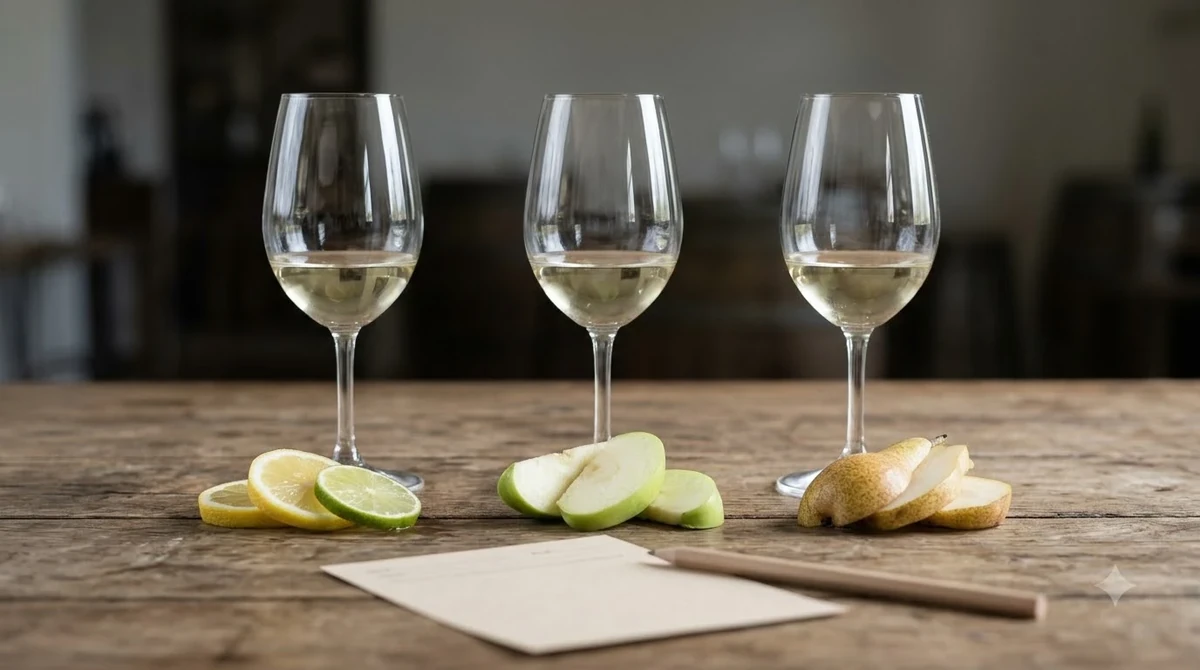
Consider how the same bottle may behave at three different temperatures:
- 40°F: Very cold, with restrained aromas and a more prominent impression of sharp acidity.
- 48°F: Balanced, with fresh citrus, floral notes, and lively acidity.
- 58°F: Noticeably warmer, with more pronounced fruit but less refreshing definition and a greater impression of alcohol.
These comparisons explain why temperature is more than a matter of personal preference. It changes the way the wine communicates its character. A bottle that initially seems simple may reveal additional fruit and floral detail after several minutes in the glass.
Albariño’s high natural acidity is one of its most recognizable features. This is also why it can work particularly well alongside foods containing lemon juice, vinegar, fresh herbs, and salty seafood. A suitable serving temperature preserves that refreshing quality without allowing acidity to dominate every other flavor.
How Long to Chill an Albariño Bottle
The easiest way to prepare Albariño is to refrigerate it before serving and allow a short period of warming after opening. The goal is to bring the wine into the 45–50°F range rather than serve it at refrigerator temperature.
A standard refrigerator generally operates around 35–40°F, which is colder than the preferred temperature for enjoying most Albariño. If the bottle has been stored at room temperature, give it approximately 2–3 hours in the refrigerator before serving. Actual chilling time depends on the refrigerator, starting temperature, bottle shape, and surrounding airflow.
If you’re short on time, an ice-water bath is more effective than simply placing the bottle in an empty ice bucket. Fill a bucket with equal parts ice and water, making sure the water reaches around the bottle’s shoulder. The water creates more consistent contact with the glass and helps cool the wine more efficiently.
For a bottle at room temperature, approximately 15–20 minutes in an ice-water bath is a useful starting point. Check the temperature before pouring, particularly if the wine is intended for a special meal. A very cold bottle can always warm naturally in the glass.
Use this preparation guide:
| Starting condition | Suggested preparation | Serving target |
|---|---|---|
| Room temperature | 2–3 hours in refrigerator | 45–50°F |
| Already refrigerated | Allow 5–15 minutes outside | 45–50°F |
| Room temperature, short notice | 15–20 minutes in ice-water bath | 45–50°F |
| Very cold refrigerator storage | Allow 10–20 minutes to warm | 45–50°F |
These times are estimates, not guarantees. A bottle that has been sitting in a warm kitchen may need more cooling than one taken from a cool pantry. Likewise, a particularly cold refrigerator can require additional warming time.
For the most reliable result, use a simple wine thermometer. If you don’t have one, start with a properly chilled bottle and taste a small pour. If the wine seems muted, give it several minutes to warm. If it feels overly soft or warm, return the bottle to the refrigerator or an ice bucket briefly.
Tip: Chill Albariño before guests arrive rather than trying to cool it after everyone sits down. Keep the bottle in an ice-water bucket during the meal, then remove it briefly when the wine becomes too cold. Small adjustments are easier than trying to correct a bottle that has become excessively warm.
Temperature Differences Between Young, Aged, and Lees-Aged Albariño
Not every Albariño is made in the same style. Young stainless-steel examples usually benefit from cooler service, while wines with extended lees contact, oak influence, or bottle age can reveal more complexity at slightly warmer temperatures.
Many familiar Albariño wines are fermented in stainless-steel tanks to preserve freshness and primary fruit character. These bottles often emphasize lemon, lime, green apple, white peach, and floral aromas. A temperature around 45–48°F keeps their profile bright and makes them particularly appealing as aperitifs or companions to fresh seafood.
Other producers allow their wines to remain in contact with lees, the spent yeast cells left after fermentation. Lees aging can contribute additional texture and a fuller impression on the palate. Depending on the winemaking approach, these wines may develop bread-like, creamy, or nutty nuances alongside their original citrus and fruit flavors.
For these fuller examples, 50–55°F can be a more suitable target. A slightly warmer temperature allows the wine’s texture and secondary aromas to become more apparent without losing the freshness associated with Albariño.
Oak-influenced Albariño also benefits from avoiding excessive chilling. Wood aging can contribute additional texture and spice, and serving such a bottle too cold may make these details difficult to recognize. Start around 52°F and adjust according to the wine’s structure.
Bottle age is another consideration. Some Albariños develop more complex aromas as they mature, moving beyond fresh citrus and white fruit toward honeyed, nutty, or more developed characteristics. These wines can benefit from a slightly warmer serving temperature than youthful examples.
There is no requirement to serve every aged Albariño warm, however. The grape’s natural acidity remains an important part of its identity, and even complex examples generally benefit from some degree of chilling.
For a fuller discussion of how different grapes and wine styles affect serving decisions, explore Wine by Type. Understanding the relationship between body, acidity, and winemaking helps explain why different white wines need different temperatures.
Best Foods to Serve with Chilled Albariño
Albariño is especially compatible with seafood, fresh vegetables, and dishes featuring citrus or aromatic herbs. Its high acidity helps balance rich ingredients, while its fruit and mineral notes complement delicate fish and shellfish.
Seafood is the most natural starting point. Albariño from Rías Baixas is closely associated with Galicia’s Atlantic coastline, where seafood is an important part of regional cooking. The wine’s fresh acidity works particularly well with oysters, mussels, shrimp, clams, grilled octopus, and simply prepared white fish.
For shellfish, serve the wine around 46–48°F. This temperature keeps it crisp enough to complement the natural sweetness of shrimp and crab while preserving the mineral character that works so well with oysters and mussels. A squeeze of lemon or a light herb dressing provides an additional connection between the wine and the dish.
Fried and richer seafood dishes also make excellent partners. Shrimp tempura, seafood risotto, bacalao fritters, and tinned fish all benefit from Albariño’s acidity. The wine can refresh the palate between bites without overwhelming the delicate flavors of the seafood.
Fish preparation matters. Grilled sea bass, baked cod, and simply roasted white fish are generally more suitable than heavily smoked or strongly spiced preparations. The wine’s citrus character can complement these dishes, particularly when they include parsley, dill, cilantro, or other fresh herbs.
Albariño also works outside traditional Spanish seafood dishes. Wine Enthusiast highlights Vietnamese and Thai cuisine as useful pairing choices. Vietnamese summer rolls, herb-filled salads, and fresh seafood preparations can complement the wine’s aromatic character. Mildly spiced Thai seafood dishes can also work, although very hot chili preparations may make the wine’s alcohol and acidity feel more pronounced.
Cheese provides another useful option. Goat cheese, Manchego, and feta are particularly suitable because their tangy or salty characteristics complement Albariño’s freshness. Serve these combinations around 48–50°F, especially when the cheese is accompanied by fresh fruit, olives, or crusty bread.
Here are some practical pairings:
- Oysters and clams: Serve at 45–48°F with lemon or a light mignonette.
- Grilled shrimp: Serve at 46–48°F with garlic, parsley, and olive oil.
- Grilled octopus: Serve at 48–50°F with paprika and olive oil.
- Fish tacos: Serve at 46–50°F with lime and fresh cilantro.
- Sushi and sashimi: Serve at 45–48°F alongside delicate fish and mild accompaniments.
- Goat cheese: Serve at 48–50°F with fresh herbs or a light salad.
Very spicy dishes require some care. Alcohol and tannin can amplify the perception of chili heat, so Albariño is generally a better choice for moderately seasoned food than extremely hot preparations. Similarly, strongly tannic red wines are less suitable for oily fish, making a crisp white such as Albariño a useful alternative.
For more grape characteristics, regional background, and pairing suggestions, Total Wine’s Albariño and Alvarinho guide provides additional information about the wine’s Iberian origins and food-friendly acidity.
The same general approach applies to other beverages and wine styles. For comparison, the sake serving temperature guide explains how temperature influences a completely different set of aromas, textures, and serving traditions.
Choosing the Right Glass and Serving Method
A standard white wine glass is the best choice for Albariño because it provides enough room for citrus and floral aromas to develop while maintaining a practical serving temperature. You do not need specialized glassware to enjoy this grape properly.
A medium-sized white wine glass with a moderately narrow opening works particularly well. The bowl allows the wine to move slightly when swirled, releasing aromas of lime, apple, peach, and flowers. The narrower opening helps direct those aromas toward the nose while reducing unnecessary exposure to warm air.
Total Wine specifically recommends using the same style of white wine glass commonly used for Sauvignon Blanc. This makes sense because both wines are generally enjoyed for their freshness, aromatic character, and high acidity.
Pouring technique also matters. A standard serving is approximately 5 ounces, leaving enough space in the glass for swirling and smelling. A 750-milliliter bottle provides approximately five standard glasses, making it easy to estimate quantities for a dinner gathering.
Avoid filling the glass to the rim. A smaller pour allows the wine to breathe briefly and gives you room to observe how its aroma changes as the temperature rises. It also makes it easier to keep each serving cool.
For a casual meal, there is no need to decant Albariño. Most examples are intended to be enjoyed fresh, and a few minutes in the glass are generally sufficient to reveal their aromas. Fuller, more complex examples may benefit from a little extra time, but extensive aeration is rarely necessary.
Glass temperature deserves attention, too. A glass stored in a warm kitchen can raise the temperature of a small pour more quickly than expected. Use clean, dry glassware at a neutral temperature rather than placing the glasses in a freezer.
If you are serving Albariño outdoors, keep the bottle shaded and use an ice bucket. Warm weather can quickly raise the temperature of a white wine, particularly when the bottle remains on a sunny table. Pour smaller quantities and replenish glasses as needed rather than leaving large servings exposed to warm air.
Storing Albariño and Maintaining Its Freshness
Correct storage helps preserve Albariño’s citrus aromas, lively acidity, and clean fruit character before opening. After opening, refrigeration slows the wine’s development and generally keeps it enjoyable for several days.
For unopened bottles, a cool, dark storage area around 55°F is a useful target. Avoid direct sunlight, large temperature fluctuations, and locations close to ovens or other heat sources. If the bottle has a natural cork closure, storing it on its side helps keep the cork from drying out.
Many young Albariños are purchased for their fresh, aromatic character and are intended to be enjoyed relatively young. However, some more structured wines can develop additional complexity with bottle age. Extended lees aging, careful winemaking, and suitable storage conditions can all influence how a particular bottle develops.
Once opened, return the bottle to the refrigerator and use a suitable closure. A vacuum stopper can reduce exposure to oxygen, while a standard wine stopper helps prevent spills and limits unnecessary air contact.
As a general guide, opened still white wines such as Albariño usually remain enjoyable for approximately 3–5 days when refrigerated and properly sealed. The wine may gradually lose some freshness and aromatic intensity during that period.
For the best results, take the bottle out shortly before pouring rather than leaving it on the counter for the entire evening. This maintains the serving temperature and reduces unnecessary warming between glasses.
If the wine has been left open for several hours, check its aroma and flavor before serving again. A noticeably dull, bruised-apple, or vinegar-like character indicates that the wine has lost freshness. Proper refrigeration cannot reverse oxidation, but it can slow further deterioration.
Remember that storage temperature and serving temperature serve different purposes. A bottle can be stored in a cool environment and then brought to approximately 48°F before pouring. The ideal storage temperature is not necessarily the ideal drinking temperature.
Frequently Asked Questions
Is Albariño the same grape as Alvarinho?
Yes. Albariño and Alvarinho are names for the same grape variety grown on both sides of the Spain–Portugal border. In Portugal, the grape is particularly associated with Monção and Melgaço, while Spain’s best-known examples come from Galicia’s Rías Baixas region.
Is Albariño always a dry white wine?
Most traditional Albariño is dry, although individual producers can make wines with different sweetness levels. The grape’s naturally high acidity can make even a wine with some residual sugar taste refreshing rather than heavy. Portuguese Alvarinho is also used in lightly sparkling Vinho Verde wines.
Does Albariño need to breathe after opening?
Most young Albariño does not require formal decanting. Allowing a freshly poured glass to stand for approximately 5–10 minutes can reveal additional aromas. More structured or developed examples may benefit from additional time in the glass.
How much alcohol does a typical Albariño contain?
Many Albariño wines fall around 11.5–13.5% alcohol by volume, although the exact figure varies by producer and growing conditions. Faustino Rivero Ulecia lists its Rías Baixas Albariño at 12.5% ABV. The alcohol level can influence how warm a wine feels when served above its recommended temperature.
Can Albariño be used for cooking?
Yes. Dry Albariño can be used in seafood sauces, steamed mussels, shrimp dishes, and fish-based recipes. Its citrus character and acidity work particularly well in preparations that use garlic, shallots, parsley, or lemon. Choose a fresh, dry wine rather than a sweet or heavily oxidized bottle.
For most bottles, serving Albariño at approximately 48°F is an easy way to preserve its freshness, citrus aromas, and lively acidity. Adjust slightly cooler for youthful seafood-friendly wines and warmer for fuller, lees-aged examples. With the right temperature, suitable glassware, and a well-matched meal, Albariño offers an excellent combination of freshness, fruit, and coastal character.
More in Wine Types & Grapes
 Zinfandel Sugar Content: Dry Red vs. White Zinfandel GramsUpdated Nov 21, 2026
 Best Zinfandel Substitute Options for Sipping and CookingUpdated Nov 21, 2026
 Zweigelt Food Pairing: Best Dishes, Cheeses, and Serving TipsUpdated Nov 21, 2026
 Zinfandel Tannins Explained: How Structure Shapes Every BottleUpdated Nov 21, 2026
 Zinfandel Sweetness Level: Dry Red vs. Sweet White Zin ExplainedUpdated Nov 21, 2026
 Xinomavro Food Pairing: Best Dishes, Styles, and Serving TipsUpdated Nov 21, 2026