

We may earn a commission when you buy through links on this page, at no extra cost to you. Learn more.
The Umbria wine festival is a celebration of the region’s wines, food, and culture, with the main Umbria Wine event taking place in Perugia and additional wine celebrations held in Montefalco and other wine-growing towns. The annual calendar includes large public tastings, winery visits, harvest experiences, and food-pairing events. Visitors can discover Sagrantino, Grechetto, Orvieto, and other regional wines while exploring medieval towns and the Umbrian countryside.
Umbria, in central Italy, offers a distinctive wine experience away from the larger crowds associated with Tuscany’s most famous wine destinations. Its wine festivals bring together local producers, regional cooking, music, and historic settings. Whether you are planning a dedicated wine trip or adding a tasting event to a visit to Perugia, understanding the festival calendar and the region’s main wine areas will help you make the most of your time.
What to Expect at the Umbria Wine Festival in Perugia
Umbria Wine is the region’s principal city-based wine festival, bringing producers and visitors together in the historic center of Perugia. Its combination of approximately 50 local wineries, regional food, tastings, and live entertainment makes it a useful introduction to the diversity of Umbrian wine.
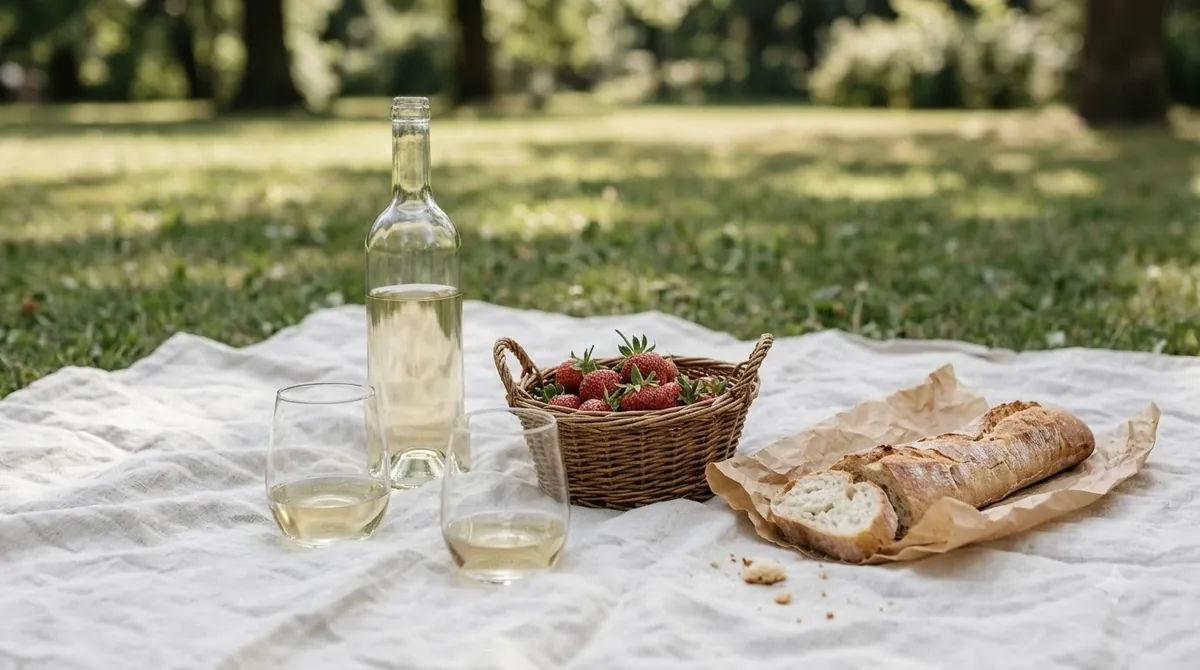
The festival takes place across several central public spaces rather than within a single exhibition building. The 2026 edition is scheduled for September 11–13, using Piazza Italia, Giardini Carducci, Piazza della Repubblica, and Piazza Matteotti. These locations give the event an urban character, allowing visitors to move between wine stands, food trucks, and entertainment while exploring the city.
According to the regional tourism authority, approximately 50 Umbrian wineries participate in the event. The food trucks also emphasize regional products, giving visitors an opportunity to explore the relationship between local wines and the ingredients traditionally used in Umbrian cooking. This regional focus distinguishes the celebration from general wine fairs that bring together producers from across Italy.
The program includes wine tastings, conferences, podcasts, and music. Live music sessions are scheduled from 5 p.m. each day, with DJ sets later in the evening. Visitors who prefer a quieter tasting experience may find the earlier part of the day more suitable, while those interested in the festival atmosphere can stay for the evening entertainment.
Perugia is particularly convenient for visitors who want to combine wine activities with sightseeing. The historic center has medieval streets, churches, public squares, and cultural attractions within walking distance of the festival locations. A visitor can spend the morning exploring the city, attend tastings in the afternoon, and enjoy regional food and music in the evening.
For the latest program, participating wineries, and practical information, consult the official Umbria Wine festival information. Dates and individual activities should be confirmed before arranging travel because event schedules and participation details can change.
When to Visit: Umbria’s Wine Festival Calendar
September is an especially useful month for a wine-focused visit because Perugia’s Umbria Wine festival and Montefalco’s Enologica celebration fall within the same part of the calendar. Other events during summer and autumn provide opportunities to explore vineyards, attend tastings, and experience the grape harvest.
The main events have different formats. Umbria Wine concentrates on regional producers in the city, Enologica Montefalco focuses on wine and food pairings in a major wine-growing district, and Cantine Aperte in Vendemmia gives visitors access to participating wineries during harvest season.
| Event | 2026 dates | Location | Main experience |
|---|---|---|---|
| Umbria Wine | September 11–13 | Perugia | About 50 wineries, tastings, food, and music |
| Enologica Montefalco | September 18–20 | Montefalco | Wine pairings, workshops, and winery activities |
| Cantine Aperte in Vendemmia | August 24–October 25 | Multiple Umbrian wine towns | Harvest activities and winery visits |
| Calici di Stelle | July 24–August 16 | Multiple Umbrian locations | Evening tastings, vineyard picnics, and concerts |
| Cantine Aperte | May 30–31 | Participating Umbrian wineries | Open-cellar experiences and wine tourism |
September offers a particularly appealing sequence. Umbria Wine takes place first in Perugia, followed by Enologica Montefalco one week later. Travelers with sufficient time can attend both events, spending several days in the regional capital before moving south toward Montefalco and the surrounding vineyards.
Enologica Montefalco has a more specialized emphasis than the Perugia celebration. Organized by the Consorzio Tutela Vini Montefalco and La Strada del Sagrantino, the event centers on the area’s principal wine denominations. The program includes guided tastings, food pairings, workshops, artistic performances, music, and activities at participating wineries.
Advance reservations are required for Enologica activities. Online reservations are scheduled to remain open until 1 p.m. on September 18, 2026, subject to the published arrangements. Visitors should not assume that every activity will accept walk-in participants.
Summer offers a different experience through Calici di Stelle. Its program includes vineyard picnics, panoramic aperitifs, dinners under the stars, concerts, guided tours, and astronomical observation. The event involves wineries and locations across the region, including Torgiano, Todi, Orvieto, Montefalco, Assisi, and the Lake Trasimeno area.
Harvest season is another strong reason to visit. Cantine Aperte in Vendemmia runs across late summer and autumn, with participating estates offering activities that explain grape picking, traditional farming, and the winemaking process. The experience is particularly suitable for visitors who want to learn how wine is produced rather than simply attend a tasting.
Tip: If your main goal is to experience both the city festival and the Sagrantino wine area, plan around September 11–20, 2026. This schedule allows you to attend Umbria Wine in Perugia before traveling to Enologica Montefalco. Reserve individual winery activities separately rather than assuming that a general festival visit includes them.
Which Umbrian Wines Should You Look For?
Umbria’s wine identity rests on two DOCG reds, Montefalco Sagrantino and Torgiano Rosso Riserva, alongside established DOC areas producing both red and white wines. Grechetto, Sangiovese, and the white wines of Orvieto are also important names to recognize when visiting a regional festival.
Montefalco Sagrantino is arguably the region’s most distinctive red wine. Made from the Sagrantino grape, it is known for its deep ruby color, pronounced structure, and spicy, fruity character. The variety has a long history in the Montefalco area, where it became closely associated with local wine production.
Sagrantino’s development as a modern wine is an important part of the region’s story. It received DOC recognition in 1979 and DOCG recognition in 1992. Its historical association with sweet wine also survives in passito production, where grapes are dried before vinification to concentrate their sugars and flavors.
Dry Montefalco Sagrantino is generally a substantial red with considerable tannin. It is a good choice for visitors who enjoy structured wines and want to understand why Montefalco has become such an important name in Umbrian viticulture. It also has the structure to accompany rich regional dishes, especially roasted meat and game.
Torgiano Rosso Riserva is the other Umbrian DOCG red. Torgiano has a significant place in regional wine history, having received DOC recognition in 1968. Its wines provide another way to explore the area’s red-wine traditions beyond Montefalco and Sagrantino.
Grechetto is an important grape for visitors who prefer white wine. It is associated with Orvieto and Todi, where it can be used to produce wines with straw-yellow color, fruity and floral aromas, and good acidity. A varietal Grechetto is a useful comparison with the region’s better-known reds.
Orvieto DOC is one of Umbria’s best-known white-wine appellations. Historically associated with sweet wine, Orvieto is now commonly produced in a dry style. Its range makes it a useful choice for visitors who want a regional white that can accompany food without the weight of a full-bodied red.
Another interesting area is Colli del Trasimeno DOC, around Lake Trasimeno. The denomination includes both white and red wines, along with sparkling and varietal styles. Its local Gamay is particularly interesting because the name does not refer to the familiar French Gamay grape. It is associated with Grenache-related varieties known by different names in other European wine regions.
These wines illustrate why it is useful to taste more than one denomination during a festival. A flight that moves from Grechetto to Orvieto and then to Montefalco Sagrantino provides a broad introduction to the region’s white and red wine styles.
Wine Towns and Vineyards Worth Exploring
Perugia is the natural starting point for the main festival, but some of Umbria’s most rewarding wine experiences take place outside the city. Montefalco, Bevagna, Torgiano, Orvieto, and Todi each offer different connections between local wine production, historic architecture, and regional food.
Montefalco is the essential destination for visitors interested in Sagrantino. Located south of Perugia, this hill town is at the center of one of the region’s most important wine-growing districts. Its relationship with Sagrantino is reflected in the local wineries, restaurants, wine events, and the broader identity of the surrounding countryside.
The neighboring town of Bevagna is another useful stop. It provides a convenient base for exploring the wider Montefalco wine area and experiencing the historic character of the Umbrian countryside. Visitors can combine a winery appointment with a walk through the town’s central streets and squares.
Torgiano is important for its red wines and historic winemaking tradition. The town was the first in Umbria to receive DOC recognition, in 1968. It also has a wine and olive museum, making it a worthwhile stop for travelers interested in the region’s agricultural and cultural history.
Orvieto offers a different experience, with a strong connection to white wine and a historic landscape shaped by its hilltop location. Its wine traditions stretch back to ancient times, and the area’s cellars are an important part of its cultural heritage. Visitors interested in dry white wines can use Orvieto as a starting point for understanding the region’s Grechetto-based styles and traditional blends.
Todi is another worthwhile destination, especially for Grechetto enthusiasts. The area’s vineyards and local wine producers provide an opportunity to explore the relationship between grape variety and appellation. The town also has significant historic architecture, making it easy to combine wine activities with cultural sightseeing.
Lake Trasimeno provides yet another perspective. Its DOC area includes several municipalities around the lake, including Castiglione del Lago, Magione, Panicale, Passignano sul Trasimeno, and Tuoro sul Trasimeno. The combination of lakeside scenery, rolling hills, and varied wine styles makes this area attractive for visitors who prefer a relaxed countryside itinerary.
Travelers researching individual producers can begin with Umbria vineyards to understand the region’s winery landscape. It is sensible to arrange appointments before setting out, particularly if visiting smaller estates or traveling during a busy festival weekend.
The region’s wider wine geography also includes Assisi, Spoleto, Amelia, and the Colli Martani area. Each contributes to the diversity of Umbrian wine, so visitors who have more than a weekend can expand their itinerary beyond the best-known destinations.
How to Plan a Wine Festival Visit
A successful Umbria wine trip requires a little advance planning, particularly if you want to attend public tastings and visit individual wineries. Choosing a central base, checking event schedules, and arranging transportation are three important steps.
Choose the right base
Perugia is a practical base for Umbria Wine because the main festival locations are within its historic center. Staying nearby makes it easier to attend different tasting sessions without having to travel between distant venues.
For Enologica Montefalco, staying in Montefalco or a nearby town such as Bevagna may be more convenient. This also makes it easier to arrange winery visits and explore the Sagrantino area without spending the entire day traveling.
If you are attending several events, consider dividing your stay between Perugia and the Montefalco area. This avoids making repeated journeys and provides a more complete introduction to the region.
Book tastings and winery visits
Public festivals and private winery appointments are not interchangeable. A festival may provide access to numerous producers at central tasting stations, while an estate visit generally involves a scheduled experience with a particular winery.
Contact wineries directly to ask about available tasting sessions, languages, group sizes, and whether food is included. During harvest, some estates offer additional activities such as vineyard walks and demonstrations of production techniques.
For Enologica Montefalco, consult the organizer’s program and reservation information before selecting activities. Some experiences take place at wineries, while others involve restaurants or cultural venues around Montefalco.
Arrange transportation
Driving can be useful for exploring vineyards spread across several towns, but it is not always the best choice for a day involving multiple wine tastings. Consider a private driver, organized tour, or local transportation arrangement if you plan to taste at several estates.
Perugia is a convenient starting point for regional exploration, while towns such as Montefalco and Orvieto require additional planning for connections between wineries and accommodation. A car can provide flexibility, but the rural location of many estates means that relying on public transportation for every stop may be impractical.
Build a realistic daily schedule
A good itinerary should leave time for food, sightseeing, and travel between appointments. Two or three carefully selected tasting experiences are generally more useful than trying to visit every winery in one day.
For example, a Perugia day could include a morning walk through the historic center, an afternoon festival tasting, and an evening meal featuring local specialties. A Montefalco day could focus on a winery appointment, a guided Sagrantino tasting, and a restaurant serving regional dishes.
Travelers who want a broader introduction to Italian wine regions can also consult Wine Regions for context on how Umbrian appellations compare with other Italian wine-producing areas.
Umbrian Food Pairings and Festival Tasting Tips
Food is central to the Umbrian wine experience, and the region’s festivals provide opportunities to discover how local wines complement traditional cooking. Sagrantino is especially suited to substantial meat dishes, while Grechetto and Orvieto offer more flexible choices for lighter meals.
Start with the region’s famous red wines. Montefalco Sagrantino has high tannin and significant structure, making it particularly suitable for roasted red meats, game, and other rich preparations. The protein and fat in these dishes help soften the perception of tannin, creating a more balanced combination.
Slow-cooked meat, grilled beef, and game preparations are sensible choices with a powerful Sagrantino. Hard or aged cheeses can also work well because their concentrated flavors and rich textures stand up to the wine’s structure.
For lighter red wines from Umbria, consider dishes with mushrooms, roasted vegetables, and moderately rich pasta sauces. Sangiovese-based wines can provide a more approachable alternative when the meal does not call for the weight of a full-bodied Sagrantino.
Grechetto and Orvieto are useful with regional antipasti, vegetable dishes, poultry, and lighter pasta preparations. Their acidity can provide freshness alongside foods prepared with olive oil, herbs, and mild cheeses. A dry Orvieto is also a sensible choice for visitors who want a versatile white wine at lunch.
Umbria’s olive oil tradition deserves attention alongside its wines. The region has an established PDO olive oil designation with five geographical mentions. Local oil varieties offer different flavor profiles, from fruity and vegetal to delicate and softly aromatic.
At a festival, try a small selection of regional foods rather than treating the wine tasting as a separate activity. Bread with local olive oil, cured meats, cheese, and traditional pasta dishes can provide a useful introduction to the flavors that accompany Umbrian wine.
Practical tasting and serving advice
Start with sparkling and lighter white wines before moving to fuller whites and reds. This progression helps preserve the differences between wines and prevents a highly structured red from overwhelming more delicate styles.
Serve light whites around 45–50 degrees Fahrenheit and full-bodied whites around 50–55 degrees Fahrenheit. Light reds are generally best around 55–60 degrees Fahrenheit, while fuller reds can be served around 60–65 degrees Fahrenheit. Avoid serving structured reds excessively warm, especially during the warmer months.
A standard 5-ounce pour allows visitors to compare several wines without filling their glasses too heavily. A 750-milliliter bottle provides approximately five such servings. At a festival, smaller tasting portions may be offered, so check the event’s serving arrangements.
Take brief notes on the grape variety, appellation, producer, and style of each wine. This is particularly useful when comparing Sagrantino from different estates or tasting Grechetto alongside Orvieto. Even a few observations about acidity, tannin, aroma, and finish can help you remember the wines afterward.
Keep food and water in the schedule, especially if you are attending several tasting sessions. Chili-heavy dishes can make alcoholic and tannic wines seem hotter, while very sweet desserts generally need wines with equal or greater sweetness. Matching the intensity of the food and wine is a useful starting point for exploring Umbrian pairings.
Frequently Asked Questions
Is Umbria known as the green heart of Italy?
Yes. Umbria is commonly known by the Italian tourism description of the green heart of Italy, reflecting its landscapes of hills, forests, valleys, and countryside. Its inland position also distinguishes it from Italy’s coastal wine regions.
What does DOCG mean on an Umbrian wine label?
DOCG stands for Denominazione di Origine Controllata e Garantita, Italy’s controlled and guaranteed designation of origin. It identifies wines produced under specific geographical and production requirements. Umbria’s two DOCG designations are Montefalco Sagrantino and Torgiano Rosso Riserva.
Is Sagrantino available as a sweet wine?
Yes. Sagrantino has a historical connection with sweet wine, and the passito style is produced using dried grapes. Dry Sagrantino and Sagrantino passito offer different expressions of the same grape, making them interesting wines to compare during a visit.
What is unusual about Gamay from Lake Trasimeno?
Despite its name, Trasimeno Gamay is not the familiar French Gamay variety. It is associated with the Grenache family and is also known by names such as Cannonau, Garnacha, and Tai Rosso in other wine-producing areas. Its local expression is generally fresh and fruity.
Does Umbria produce sparkling wine?
Yes. The Colli del Trasimeno DOC includes a classic sparkling wine category, and the region also produces other sparkling styles. This gives visitors alternatives to the region’s better-known still reds and whites when exploring local producers.
The Umbria wine festival experience is about more than a single event: it offers an introduction to a region where historic towns, distinctive grapes, local cooking, and independent wineries are closely connected. Start with the Perugia celebration, add Enologica Montefalco if your schedule allows, and leave time to explore the vineyards and wine towns beyond the festival grounds. With a little planning, an Umbrian wine trip can provide a rewarding perspective on one of Italy’s most distinctive inland wine regions.
More in Wine Regions
 Willcox Wine Trail: Discover Arizona’s High-Elevation Wine CountryUpdated Nov 20, 2026
 Yakima Valley Wine Region: Find the Best Styles to TryUpdated Nov 20, 2026
 Vosne Romanee Wine Tasting: Identify Aromas and Choose Better PairingsUpdated Nov 20, 2026
 Yakima Valley Wine Festival: Find the Best Seasonal Wine EventsUpdated Nov 20, 2026
 Wales Vineyards: Discover Cool-Climate Wines and Where to VisitUpdated Nov 20, 2026
 Yountville Wine Festival: Discover Napa Wines and Local FoodUpdated Nov 20, 2026