

We may earn a commission when you buy through links on this page, at no extra cost to you. Learn more.
The txakoli wine trail is a wine-travel experience through Spain’s Basque Country, connecting coastal vineyards, family-run wineries, and traditional fishing villages where producers make the region’s distinctive crisp, high-acid wine. The most recognizable starting point is Getaria in Gipuzkoa, although the wider experience includes Biscay and the Ayala Valley in Álava. Travelers can arrange vineyard tours, cellar visits, guided tastings, and meals featuring fresh seafood and Basque pintxos while exploring three distinct wine appellations.
Few European wine destinations combine vineyard scenery, coastal culture, and distinctive local grapes as closely as the Basque Country. Txakoli (pronounced approximately cha-ko-LEE) is an excellent introduction to this Atlantic wine region. Its fresh acidity, light body, and often slightly spritzy character make it a natural companion to the area’s seafood-focused cuisine. A thoughtfully planned journey can include the dramatic hillsides above Getaria, the fishing communities around Zarautz, and the varied inland landscapes of Biscay. Understanding the geography and wine styles before setting out helps travelers build an enjoyable itinerary without rushing between wineries.
Understanding the Three Txakoli Wine Regions
The txakoli wine trail covers three principal designations of origin, each associated with a different historical territory of the Basque Country. Getariako Txakolina, Bizkaiko Txakolina, and Arabako Txakolina offer different vineyard settings, climatic influences, and expressions of local grapes.
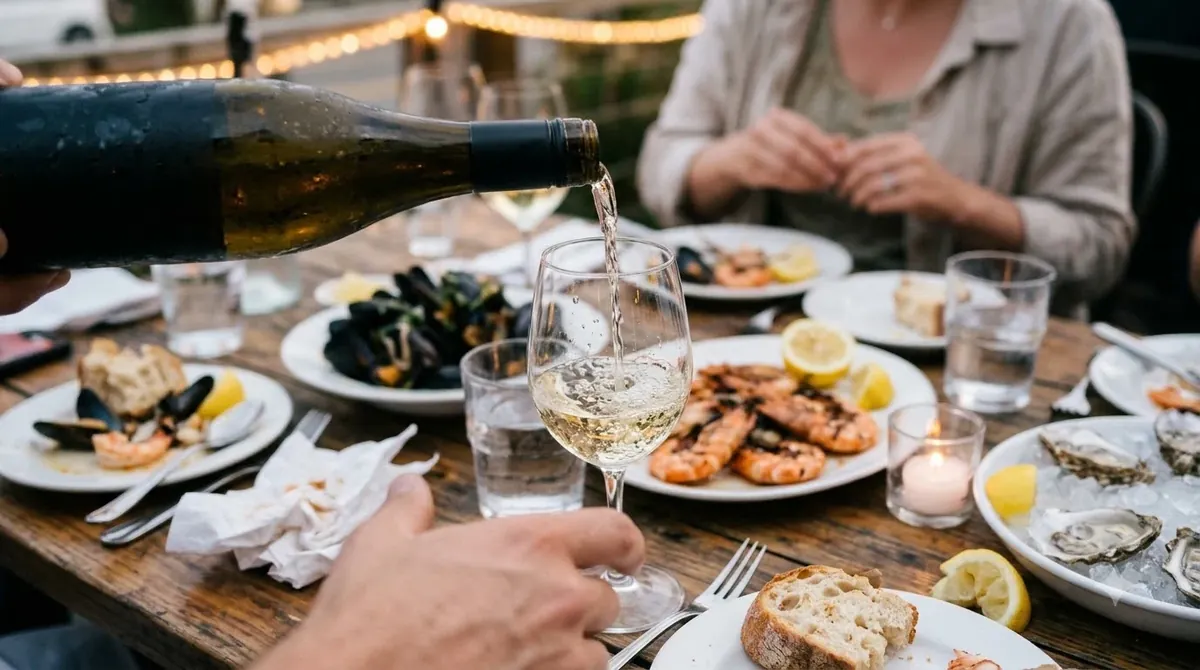
Getariako Txakolina is the natural starting point for many wine travelers. Based in Gipuzkoa, this designation has a strong coastal identity, particularly around Getaria, Zarautz, and Aia. Its vineyards benefit from Atlantic breezes, substantial rainfall, and sloping sites that receive useful sunlight. According to Basque Wine, many vineyards in the Urola Costa area are within one kilometer of the sea. That proximity helps explain the region’s strong association with maritime food and refreshing white wines.
Bizkaiko Txakolina covers Biscay, the territory surrounding Bilbao. Its wine-growing areas extend beyond the immediate coastline into valleys, countryside, and mountain-influenced landscapes. The official tourism authority identifies areas including Bakio, Urdaibai, Lea-Artibai, Durangaldea, and Enkarterri as part of the wider wine experience. Visitors can combine winery appointments with cultural attractions, fishing villages, and natural scenery.
Arabako Txakolina comes from the Ayala Valley in Álava, an inland territory with a distinct landscape and growing environment. Its designation covers five municipalities: Aiara, Artziniega, Amurrio, Llodio, and Okondo. The area’s Atlantic influence remains important, but its inland geography provides a different perspective from the coastal vineyards of Getaria. Travelers interested in comparing regional expressions should include at least one inland visit if their schedule allows.
These appellations are not interchangeable labels for exactly the same wine. Although Hondarrabi Zuri remains central to the region’s identity, local conditions and permitted grape varieties contribute to differences in aroma, texture, and structure. Exploring more than one designation offers a better understanding of the Basque wine tradition than concentrating exclusively on the best-known coastal villages.
| Designation | Main territory | Important locations | Wine character |
|---|---|---|---|
| Getariako Txakolina | Gipuzkoa | Getaria, Zarautz, Aia | Fresh, maritime, predominantly white |
| Bizkaiko Txakolina | Biscay | Bakio, Urdaibai, Durangaldea | Fresh whites and varied specialist styles |
| Arabako Txakolina | Álava | Amurrio, Llodio, Artziniega | Inland Atlantic-influenced wines |
For travelers comparing destinations, the three areas offer different advantages. Getaria is particularly convenient for a concentrated coastal wine experience, Biscay has an established network of wine-tourism itineraries, and Álava provides an opportunity to explore a less familiar inland expression. More background on regional geography and appellations is available in our overview of Wine Regions.
Starting the Journey Around Getaria and Zarautz
Getaria and Zarautz make an excellent base for exploring traditional Txakoli country. Their combination of seaside scenery, established wineries, and accessible restaurants allows visitors to experience the wine without spending the entire day driving between distant destinations.
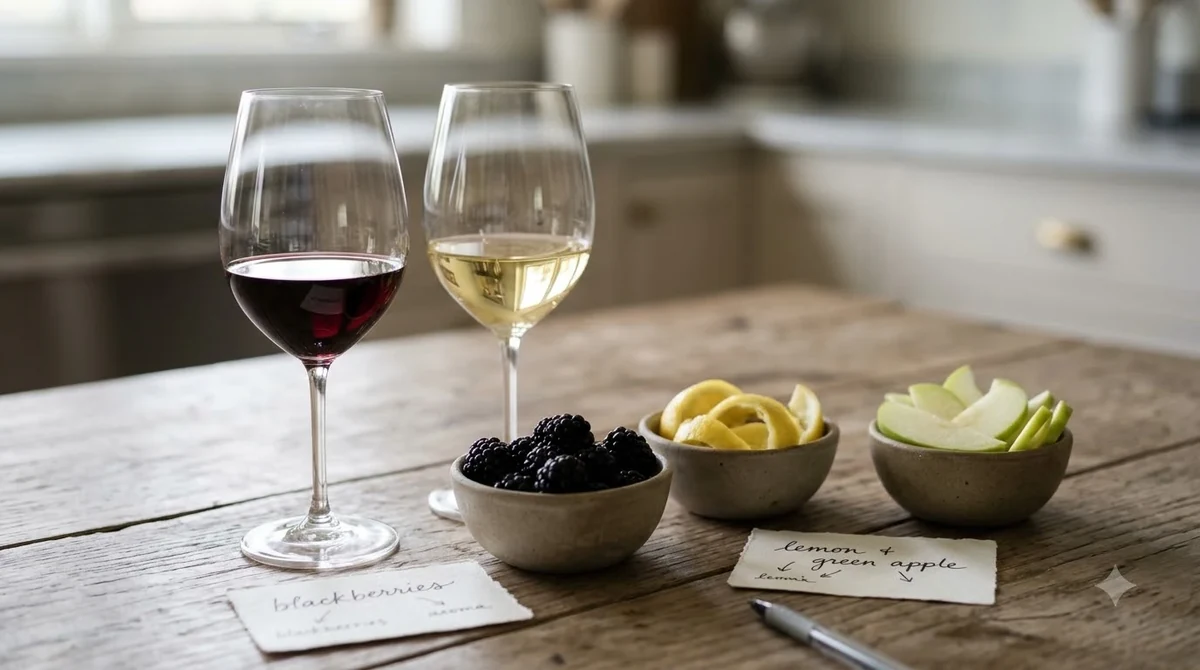
Getaria is a particularly rewarding first stop because its wine identity is closely connected to the surrounding landscape. The town sits beside the Cantabrian Sea, with vineyards climbing the nearby hillsides. The local denomination was established in 1989, helping formalize the identity and production standards of wines made from native grapes. A visit can begin with a walk through the village, followed by a winery appointment and a seafood-focused lunch.
Zarautz offers another useful base, particularly for travelers who want to combine wine visits with a longer seaside stay. The town is known for its extensive beach, restaurants, and access to surrounding vineyards. Several wineries associated with Getariako Txakolina are located in or near Zarautz, making it possible to organize a day around tasting appointments and local food rather than long transfers.
Aia provides a slightly different perspective. This municipality offers access to elevated countryside and vineyards with views across the surrounding landscape. It is a worthwhile addition for visitors who want to understand how the same appellation can encompass more than just immediately coastal sites.
For a first visit, a practical sequence is to spend the morning in Getaria, arrange one winery tour nearby, and continue toward Zarautz for lunch or a second appointment. Aia can be added if the schedule allows. Travelers should avoid attempting too many tastings in one day, since winery appointments often involve explanations of grape growing, production, and the family’s history.
Getaria is also a convenient location for learning about the traditional relationship between wine and fishing. Restaurants serving grilled fish, anchovies, seafood, and seasonal vegetables provide a natural setting for trying Txakoli with local dishes. The combination of ocean views and a chilled glass of wine is an important part of the region’s appeal.
Visiting Txakoli Wineries and Planning Tastings
Winery visits are among the main reasons to follow the txakoli wine trail. Many producers are small, family-run operations where guests can learn about vineyard management, grape selection, fermentation, and bottling directly from people involved in production.
The Getariako Txakolina regulatory council identifies several wineries that receive visitors in the denomination. In Getaria, these include Akarregi Txiki, Ameztoi, Gaintza, Gañeta, and Txomin Etxaniz. These producers provide a useful starting list for arranging appointments in the heart of the appellation.
There are additional options outside Getaria. Hiruzta is located in Hondarribia, while K5 receives visitors in Aia. In Zarautz, the visitor list includes Makatzak Wild Wines, Mokoroa, Rezabal, and Talai Berri. Other listed destinations include Hika in Villabona-Amasa, Murgialdai in Oñati, and Inazio Urruzola in Alkiza.
The experience varies between producers. Some visits concentrate on the cellar and production methods, while others place greater emphasis on vineyard scenery, family history, or food. A tasting may introduce the standard white wine before moving on to rosé, barrel-fermented bottlings, or other specialist styles.
Travelers researching Txakoli wineries should prioritize appointments rather than simply choosing a list of addresses. The official denomination council specifically advises visitors to contact wineries beforehand. This is important because opening schedules, group sizes, languages, and tasting arrangements can differ considerably.
Tip: Reserve your winery visits directly before finalizing transportation and restaurant bookings. Ask about the duration of the experience, the minimum group size, available tasting languages, and whether food is included. During harvest, some wineries reduce or suspend visits because of their workload.
For a relaxed day, one or two winery visits are generally sufficient. A longer appointment can easily include a walk through the vineyards, an explanation of fermentation, and a guided tasting of several wines. Scheduling three or four visits in a single day can make the experience feel rushed, particularly when winding rural roads and restaurant stops are involved.
It is also useful to ask whether a producer offers a tasting flight rather than a single standard wine. This gives visitors an opportunity to compare different grape combinations, fermentation techniques, and vineyard expressions. A more structured tasting can reveal how producers interpret the same regional traditions in different ways.
Exploring the Biscay Txakoli Route
Biscay offers a broader network of wine-related itineraries, with Bilbao serving as a convenient urban base. The official Bilbao-Bizkaia Txakoli Route comprises 10 itineraries that connect wine production with the territory’s landscapes, villages, and cultural attractions.
One itinerary introduces Bilbao and the historical importance of Txakoli in the provincial capital. Another travels through Greater Bilbao, linking port communities and regional history. These urban and coastal experiences are suitable for visitors who want to combine a wine-focused trip with museums, architecture, and restaurants.
For travelers more interested in natural scenery, the route includes an itinerary featuring the Nervión Waterfall. Another explores rural landscapes and mountain communities, while the Durangaldea itinerary combines regional culture with nature and local wine traditions. These options demonstrate that Biscay’s wine identity extends well beyond its most famous coastal locations.
Lea-Artibai provides a coastal experience that combines fishing culture, local gastronomy, and vineyard scenery. Enkarterri offers a different setting, with its own viticultural traditions and historic countryside. The Urdaibai itinerary is particularly attractive to visitors interested in natural landscapes and the area’s Biosphere Reserve.
Another itinerary connects vineyards with cliffs, beaches, and geological formations. This is an appealing option for travelers who want to balance tasting appointments with outdoor sightseeing. The route’s 10th itinerary explores vineyards, towers, and castles, providing a historical dimension to the journey.
Rather than treating all 10 itineraries as one continuous drive, choose one or two areas that match your available time. A visitor staying in Bilbao might concentrate on nearby locations before arranging a separate day for a more distant wine-producing district.
The official Bilbao-Bizkaia Txakoli Route provides descriptions of the itineraries and practical suggestions for organizing visits. Its advice includes booking in advance, checking minimum group requirements, and respecting individual winery schedules.
Bakio is another useful name to remember when researching Biscay wines. It belongs to the wider Mungialdea wine-growing area, which includes several municipalities north of Bilbao. Travelers can use this region as a starting point for exploring the relationship between local vineyards, the Atlantic climate, and Biscay’s wine-producing heritage.
Understanding Txakoli Grapes, Wine Styles, and Flavors
Txakoli is primarily a white wine made from indigenous Basque grapes, especially Hondarrabi Zuri. However, the region produces more than one style, and tasting different examples is one of the most informative parts of a winery visit.
Hondarrabi Zuri is the principal white grape. It is associated with fresh acidity and aromas of citrus, white fruit, flowers, and herbs. These characteristics make the grape particularly suited to wines designed for drinking young, although some producers also make more complex bottlings using different fermentation and maturation techniques.
Hondarrabi Beltza is the native dark-skinned variety associated with red Txakoli and rosé production. Red examples are relatively uncommon compared with the dominant white wines. Rosé versions can display berry aromas and a lively palate, offering an alternative for visitors interested in exploring more than the familiar white style.
Hondarrabi Zuri Zerratia is another important variety. Other authorized grapes can include Riesling, Chardonnay, Sauvignon Blanc, and varieties associated with the broader southwest French wine tradition. Their permitted use depends on the individual appellation’s regulations.
White, rosé, red, and specialist wines
Traditional white Txakoli is generally light-bodied, refreshing, and strongly influenced by acidity. Some examples have a slight natural spritz, giving the wine a lively texture. The style works particularly well as an aperitif and alongside seafood.
Rosé Txakoli is made using a combination of white and dark grapes, with Hondarrabi Beltza contributing color and red-fruit character. In Biscay, this style is sometimes called ojo de gallo, or rooster’s eye. Its fresh, fruity character makes it suitable for grilled vegetables, seafood dishes, and lighter meats.
Red Txakoli is a more unusual discovery. Made with dark grapes such as Hondarrabi Beltza, it can show berry aromas, freshness, and more noticeable tannin. These wines offer a different perspective on the region’s grape-growing heritage and are worth trying when available.
Some producers also make barrel-fermented whites, sparkling wines, and late-harvest bottlings. Barrel fermentation can add texture and subtle oak-derived notes, while specialist sparkling wines provide an alternative expression of the region’s acidity. These styles are less common than traditional white Txakoli.
When comparing wines, pay attention to acidity, texture, fruit character, and the presence of carbonation. A wine with a gentle spritz can feel especially refreshing, while a barrel-fermented version may have a broader palate and more complex aromas. Tasting the wines side by side helps make these differences easier to recognize.
Pairing Txakoli With Basque Food
Food is central to the Txakoli experience, particularly in coastal Gipuzkoa and Biscay. The wine’s acidity, fresh fruit, and relatively light body make it a natural partner for seafood, pintxos, and dishes prepared with olive oil and seasonal vegetables.
Anchovies are one of the classic foods to serve with Txakoli. Their saltiness works well with the wine’s refreshing acidity, while the wine helps balance their rich, savory character. Fresh anchovies, preserved anchovies, and anchovy-topped pintxos all offer opportunities to explore this pairing.
Grilled fish is another excellent choice. The region’s restaurants frequently serve fish simply prepared over a grill, allowing the quality of the seafood to remain central. A chilled white Txakoli provides enough acidity to balance the natural oils in many fish dishes without overwhelming their delicate flavors.
Other useful pairings include shellfish, squid, prawns, mussels, and vegetables prepared with olive oil. Pintxos featuring seafood, cheese, or cured meats are also suitable, particularly when the wine has enough acidity to balance richer ingredients.
Serving temperature and tasting technique
Serve Txakoli chilled, generally around 45–50 degrees Fahrenheit. The Getariako Txakolina council recommends 6–10 degrees Celsius, approximately 43–50 degrees Fahrenheit. This temperature range preserves the wine’s refreshing character while allowing its fruit and floral aromas to remain noticeable.
Use a standard white wine glass for most examples. Pour a moderate amount rather than filling the glass, allowing room to identify aromas. A traditional serving style may involve pouring the wine from a height, but this is not necessary to appreciate a modern bottle at home or in a restaurant.
For a tasting flight, begin with a lighter traditional white, then move to more structured or barrel-fermented examples. Finish with rosé or red Txakoli if the winery offers them. This order provides a useful comparison of the grape varieties and winemaking approaches without overwhelming the palate.
Spicy dishes require a little more care. Alcohol and tannin can amplify chili heat, so highly spiced food may make even a refreshing wine seem less balanced. Mildly seasoned seafood and traditional pintxos are generally safer starting points.
Choosing the Best Season and Building a Practical Itinerary
The best time to follow the txakoli wine trail depends on whether the priority is winery visits, coastal sightseeing, or experiencing the harvest. Spring and summer offer opportunities to enjoy the seaside villages and vineyard landscapes, while autumn brings an agricultural perspective to the wine-growing calendar.
Spring is attractive for visitors who prefer a quieter itinerary and milder sightseeing conditions. It can be a good time to combine vineyard appointments with walks around Getaria, Zarautz, and the coastal countryside. However, individual wineries may have different visiting schedules, so advance arrangements remain important.
Summer generally provides more opportunities to combine wine visits with beaches, seafood restaurants, and coastal excursions. Getaria and Zarautz are particularly appealing for travelers planning several days in the area. Because these towns are popular destinations, winery and restaurant reservations should be made early.
Autumn offers an opportunity to see the vineyard cycle close to harvest. The timing of picking depends on growing conditions and individual producers, so there is no single guaranteed harvest date for the entire region. Some wineries may be busy with picking, grape processing, and fermentation during this period, which can restrict visitor access.
Winter is a quieter alternative for travelers primarily interested in cellar visits and regional food. Coastal weather can be wet and windy, but the villages and restaurants remain appealing destinations for a slower trip. Confirm winery opening arrangements before building a winter itinerary around tastings.
A suggested three-day route
A three-day itinerary offers enough time to experience more than one part of the region without making the trip feel like a sequence of appointments.
Day 1: Getaria and Zarautz. Begin in Getaria with a walk through the village and a scheduled visit to one local producer. Enjoy lunch featuring grilled fish or anchovies, then continue to Zarautz for coastal sightseeing and, if available, another winery appointment. Stay overnight in the area to avoid unnecessary evening driving.
Day 2: Aia and the wider Gipuzkoa area. Visit a winery in Aia or another nearby municipality. Use the remaining time for a slower exploration of the surrounding countryside, a local restaurant, or a visit to another village within the designation. This day can include a more detailed comparison of traditional white and barrel-fermented Txakoli.
Day 3: Biscay or the inland Ayala Valley. Choose between the Biscay itineraries around Bakio and Urdaibai or an inland excursion toward the Ayala Valley. Biscay is particularly attractive for travelers who want to combine wine with coastal culture and sightseeing. Álava is a better option for those interested in comparing an inland wine-growing environment with the coastal vineyards visited earlier.
Driving is often the most practical way to reach rural wineries, although visitors should arrange a designated driver or other transportation if they plan to taste several wines. Travelers based in Bilbao can also organize guided excursions rather than attempting to coordinate multiple rural transfers independently.
Keep the schedule flexible. A winery visit may take longer than expected, restaurant service can be leisurely, and coastal weather can change sightseeing plans. Allowing time between appointments creates a more enjoyable experience and makes it easier to appreciate the region beyond its wine.
Frequently Asked Questions
How do you pronounce Txakoli?
Txakoli is generally pronounced approximately cha-ko-LEE in English-language guides. In Basque, the spelling and pronunciation reflect the language’s own sound system. You may also encounter the Spanish spelling chacolí when reading older references or historical material.
Is Txakoli always slightly sparkling?
No. Some traditional examples have a gentle natural spritz, but carbonation is not a requirement for every Txakoli. Still versions, barrel-fermented wines, and other specialist styles are also produced within the regional designations.
Can visitors buy wine directly from Basque wineries?
Some wineries sell bottles directly to visitors, although availability and purchasing arrangements vary by producer. Ask about direct sales when arranging a tasting, particularly if you want to purchase wines that may be difficult to find outside Spain. International shipping availability should also be confirmed individually.
Is Txakoli suitable for aging in a cellar?
Most traditional white Txakoli is intended to be enjoyed relatively young, when its fresh acidity and primary fruit aromas are prominent. Certain barrel-fermented and more structured bottlings may have greater aging potential. Follow the producer’s guidance for individual wines rather than assuming every bottle has the same cellar life.
What is the difference between Txakoli and Rioja wine?
Txakoli comes from three Basque designations and is particularly associated with Hondarrabi grapes, Atlantic conditions, and fresh, high-acid wines. Rioja is a separate wine region with its own appellation system and a broader range of styles, including well-known Tempranillo-based reds. The two regions offer distinctly different perspectives on northern Spanish wine production.
The txakoli wine trail offers an inviting introduction to Basque wine culture, from the coastal vineyards of Getaria and Zarautz to the varied landscapes of Biscay and Álava. With advance winery reservations, time for local food, and a manageable number of tasting appointments, travelers can experience the region’s distinctive wines while discovering the villages and traditions that make them special. Start with Getaria, explore another designation if time allows, and leave room to enjoy the Atlantic coast along the way.
More in Wine Regions
 Willcox Wine Trail: Discover Arizona’s High-Elevation Wine CountryUpdated Nov 20, 2026
 Yakima Valley Wine Region: Find the Best Styles to TryUpdated Nov 20, 2026
 Vosne Romanee Wine Tasting: Identify Aromas and Choose Better PairingsUpdated Nov 20, 2026
 Yakima Valley Wine Festival: Find the Best Seasonal Wine EventsUpdated Nov 20, 2026
 Wales Vineyards: Discover Cool-Climate Wines and Where to VisitUpdated Nov 20, 2026
 Yountville Wine Festival: Discover Napa Wines and Local FoodUpdated Nov 20, 2026