

We may earn a commission when you buy through links on this page, at no extra cost to you. Learn more.
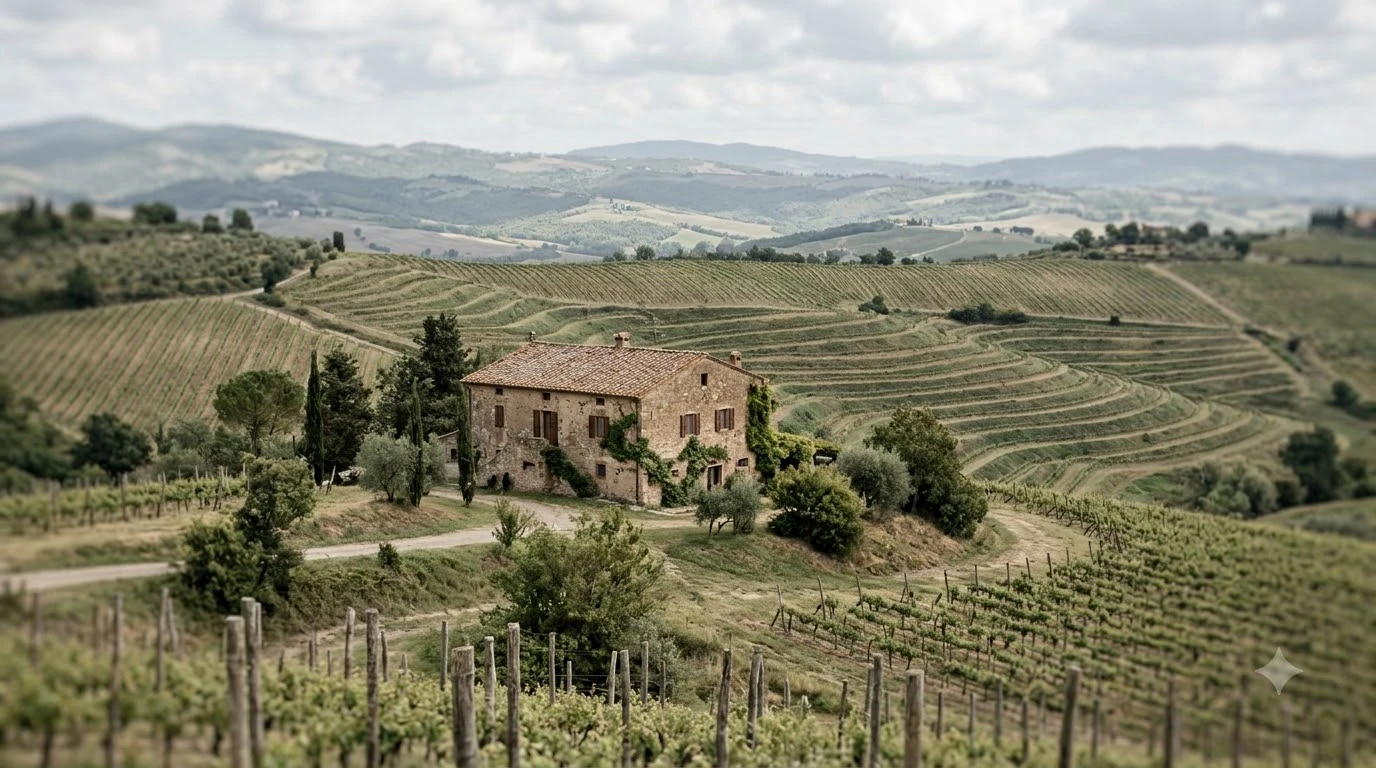
The traverse city wine region is a cool-climate wine destination in northwestern Michigan, centered on the Leelanau Peninsula and Old Mission Peninsula AVAs, where Lake Michigan and Grand Traverse Bay help produce distinctive Riesling, Chardonnay, Pinot Noir, and other fresh, balanced wines. Its combination of glacial soils, rolling vineyard slopes, and a moderated growing season supports a range of dry, off-dry, sparkling, and dessert wines. Visitors can explore nearly 40 wineries across the two peninsulas, while wine enthusiasts can discover how northern Michigan’s climate shapes the character of each bottle.
Traverse City is better known to many travelers for cherries, freshwater scenery, and summer recreation than for wine. However, its surrounding vineyards have established a recognizable identity within American cool-climate winemaking. The two peninsulas offer different landscapes and winery experiences, but both benefit from the influence of nearby freshwater. Understanding their geography, grape varieties, and wine styles makes it easier to choose bottles and plan a rewarding tasting trip.
Geography and Climate Shape Northern Michigan Wine
The Traverse City area’s wine identity begins with its position near the 45th parallel and its proximity to Lake Michigan and Grand Traverse Bay. These large bodies of water moderate seasonal temperatures, helping vineyards manage the short growing season and retain the acidity that gives many northern Michigan wines their refreshing character.
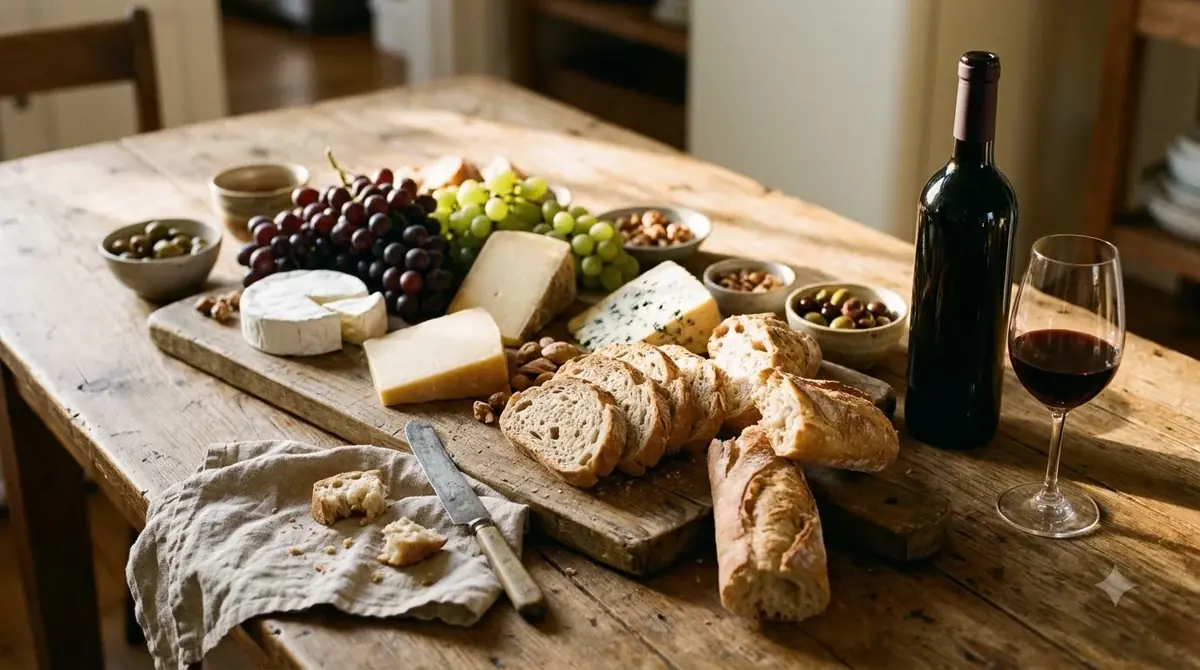
The Traverse Wine Coast is located in the northwestern part of Michigan’s Lower Peninsula. Traverse City sits at the southern end of Grand Traverse Bay, with the Leelanau Peninsula extending northwest and Old Mission Peninsula extending north between the bay’s East and West Arms. This arrangement gives vineyards considerable exposure to water, although individual sites differ in elevation, slope, and sunlight.
Lake Michigan absorbs warmth during the growing season and releases some of that stored heat as autumn temperatures decline. The resulting lake effect helps reduce temperature extremes and can extend the period available for grape ripening. Water also influences spring conditions, potentially delaying budbreak until some early-season frost danger has passed. This is particularly important for vinifera varieties, which can be vulnerable to winter injury and spring frost.
The region’s soils also reflect its glacial history. Ancient ice sheets shaped the landscape, leaving deposits of sand, gravel, clay, and loam. These materials vary across the two peninsulas and even between nearby vineyard sites. Well-drained sandy soils can help limit excessive moisture around vine roots, while clay and loam contribute different water-retention characteristics.
According to the original federal description of Old Mission Peninsula, historical growing-degree-day measurements averaged 2,075 degree days using a base temperature of 50 degrees Fahrenheit. This measurement helps explain why site selection matters so much in northern Michigan. A sunny, sheltered hillside can provide different ripening conditions from a lower, cooler location closer to the water.
The 45th parallel is sometimes used as a useful geographical comparison with established European wine regions, including Bordeaux and parts of the Rhône Valley. However, latitude alone does not determine wine style. Local temperature patterns, lake exposure, elevation, soil, grape selection, and winemaking decisions all contribute to the final result.
Tip: When comparing northern Michigan wines, pay attention to the vineyard’s position on the peninsula as well as the grape variety. Two Rieslings from different slopes can have noticeably different fruit profiles, acidity, and ripeness even when their vineyards are relatively close together.
Old Mission Peninsula and Leelanau Peninsula Have Distinct Identities
The Traverse Wine Coast contains two federally recognized AVAs: Old Mission Peninsula and Leelanau Peninsula. Both produce cool-climate wines, but their geography, vineyard layouts, and visitor experiences offer different ways to explore northern Michigan.
Old Mission Peninsula
Old Mission Peninsula extends north from Traverse City into Grand Traverse Bay. The federal AVA description identifies it as an approximately 19-mile-long strip of land that reaches no more than 3 miles in width. Water surrounds three sides of the peninsula, creating a distinctive setting for vineyards and orchards.
The Old Mission Peninsula AVA received federal recognition on July 8, 1987. Its boundaries encompass land in Peninsula Township, excluding Marion and Bassett Islands, along with a small portion of Traverse City Township. This official designation allows qualifying wines to identify their specific grape-growing origin on the label.
Vineyards occupy rolling slopes and sites with different orientations toward the bay. The combination of elevation, water influence, and sunlight creates opportunities to grow varieties that benefit from a relatively long, moderate ripening period. Riesling is particularly important, alongside Chardonnay, Pinot Noir, Pinot Gris, and Cabernet Franc.
Old Mission is a practical choice for visitors who want a relatively concentrated winery route. Its peninsula layout allows travelers to visit several tasting rooms during a single outing without making the longer drives associated with a more dispersed wine destination. The scenery also makes it easy to combine wine tasting with stops at orchards, waterfront viewpoints, and Old Mission State Park.
Leelanau Peninsula
Leelanau Peninsula lies west of Traverse City, across Grand Traverse Bay. Its vineyards are spread over a broader countryside landscape, with wineries and agricultural communities distributed among rolling hills, lakes, and scenic roads.
The Leelanau Peninsula AVA was established in 1982. Its location benefits from the influence of Lake Michigan, Grand Traverse Bay, and Lake Leelanau. The surrounding water helps moderate temperatures, while varied glacial soils and vineyard elevations contribute to differences in grape development.
Riesling remains a leading variety, but Leelanau producers also work with Chardonnay, Pinot Gris, Pinot Noir, Gewürztraminer, and other cool-climate grapes. Cabernet Franc, Gamay, and Blaufränkisch are additional varieties worth exploring when looking beyond the region’s best-known whites.
Leelanau offers a more spread-out tasting experience. Suttons Bay, Northport, and Leland are useful reference points when organizing a visit, and their surrounding countryside provides a sense of how agricultural communities and vineyards coexist. Visitors should choose a manageable group of wineries rather than attempting to cover the entire peninsula in one afternoon.
The differences between these AVAs are not absolute rules about wine flavor. A dry Riesling from Leelanau may resemble one from Old Mission more closely than it resembles a sweeter wine made by a neighboring producer. Nevertheless, tasting wines from both areas provides a useful introduction to the region’s geographical diversity.
Riesling Leads the Region’s Cool-Climate Grape Varieties
Riesling is the defining grape for much of northern Michigan because it can ripen in a relatively cool climate while retaining high acidity and expressive aromas. Chardonnay, Pinot Gris, Pinot Noir, and Cabernet Franc broaden the selection, giving the region a portfolio that includes whites, reds, rosé, and sparkling wines.
According to figures discussed by Decanter, Riesling accounts for 29% of Michigan’s vinifera plantings. The same publication reports more than 930 hectares of vinifera grapes across the state, including approximately 270 hectares of Riesling. These figures help explain why Riesling appears so frequently in discussions of Michigan wine.
Important grapes to recognize
- Riesling: The signature white variety, known for high acidity, floral aromas, citrus, orchard fruit, and versatility across dry and sweet styles.
- Chardonnay: A medium-acidity white grape that can produce crisp, restrained wines or richer examples shaped by oak and lees aging.
- Pinot Gris: Often produces fresh white wines with pear, apple, citrus, and sometimes subtle floral characteristics.
- Pinot Noir: A lighter-bodied red with low-to-medium tannin and high acidity, often showing cherry, raspberry, and earthy notes.
- Cabernet Franc: A red variety that can offer red berries, herbal notes, and moderate structure when grown in suitable sites.
- Gamay: A lighter-bodied red that can show bright red fruit, lively acidity, and relatively gentle tannins.
- Grüner Veltliner: A white grape associated with fresh acidity, citrus, green fruit, and sometimes peppery characteristics.
- Gewürztraminer: An aromatic white variety that can offer floral, spice, and tropical-fruit notes.
Riesling deserves particular attention because its sweetness level can vary substantially. A bottle labeled dry can be crisp and citrus-driven, while an off-dry example may have noticeable residual sugar. Late-harvest and ice wine styles offer more concentrated sweetness, often accompanied by enough acidity to keep the wine balanced.
Decanter’s coverage of Michigan Riesling highlights the range from dry wines to sweeter late-harvest examples. Its discussion also emphasizes the grape’s ability to combine aromatic intensity with freshness. For a deeper look at the variety, the Decanter overview of Michigan Riesling provides useful regional context and examples of wines from different producers.
The region’s red wines deserve attention, too. Pinot Noir and Gamay can offer a lighter alternative to heavily structured reds, while Cabernet Franc provides more herbal character and structure. The climate does not make every red wine light, but it does encourage careful site selection and attention to ripening conditions.
| Grape | Typical style | Common flavor characteristics | Acidity or tannin profile |
|---|---|---|---|
| Riesling | Dry to sweet white | Lemon, lime, peach, apple | High acidity |
| Chardonnay | Still white or sparkling | Apple, pear, citrus | Medium acidity |
| Pinot Gris | Fresh white | Pear, citrus, green apple | Medium to high acidity |
| Pinot Noir | Light to medium red | Cherry, raspberry, earth | High acidity; low-medium tannin |
| Cabernet Franc | Medium-bodied red | Red berries, herbs, spice | Medium tannin |
| Gamay | Light red | Strawberry, cherry, raspberry | Fresh acidity; low tannin |
| Gewürztraminer | Aromatic white | Lychee, flowers, spice | Medium acidity |
These are general grape characteristics rather than guaranteed tasting notes for every local bottle. Ripeness, fermentation, oak, residual sugar, and aging can change the final style considerably. A useful tasting approach is to compare two wines made from the same grape but grown on different peninsulas, then compare wines from different grapes made by the same producer.
Wine Styles and Tasting Experiences Across the Two Peninsulas
Visitors can explore a much broader selection than dry white wine alone. The area’s wineries produce still whites, rosé, lighter reds, sparkling wines, and sweet specialty bottlings, making a tasting visit useful for both newcomers and experienced wine drinkers.
Riesling is a sensible starting point because it demonstrates the region’s climate particularly well. A dry example may emphasize lime, lemon, green apple, and mineral impressions. An off-dry version can add peach, pear, and a softer impression of fruit sweetness without losing its lively acidity.
For a useful comparison, taste a dry Riesling first and an off-dry Riesling second. Notice how residual sugar changes the impression of acidity and body. If the winery offers a late-harvest or ice wine, finish with that wine so its sweetness does not dominate the earlier pours.
White wines and sparkling wines
Chardonnay provides a different perspective on the region. Some producers favor a fresh, fruit-centered style with little obvious oak, while others use barrel fermentation or aging to add texture. Pinot Gris offers another alternative, often emphasizing pear, apple, and citrus rather than Riesling’s distinctive aromatic intensity.
Sparkling wines are also worth including in a tasting itinerary. Traditional-method sparkling wine receives its second fermentation in the bottle, while tank-method production carries out the second fermentation in a pressurized tank. These approaches create different textures and flavor profiles. Ask the winery which method it uses if production technique is part of your interest.
Dry sparkling wines can work as an aperitif, while fruitier or sweeter versions may suit desserts. Serve sparkling wines at approximately 40 to 50 degrees Fahrenheit to preserve freshness and manage the bubbles.
Red wines and rosé
Pinot Noir is a natural variety to investigate in this climate. Its relatively low-to-medium tannin and high acidity can produce reds that feel fresh rather than heavy. Look for cherry, cranberry, raspberry, and earthy notes, especially in wines that emphasize fruit rather than extensive oak aging.
Cabernet Franc offers a contrasting style, with more noticeable structure, red fruit, herbs, and sometimes peppery characteristics. Gamay can be lighter and particularly suitable for casual meals. These wines provide an opportunity to explore how northern Michigan growers approach red varieties in a climate that places a premium on selecting suitable vineyard sites.
Rosé is another useful option, especially during warmer weather. Depending on the grape and production method, it may range from crisp and citrus-driven to fuller and more strawberry-centered. A dry rosé is a versatile choice for picnic food, grilled vegetables, and lighter dishes.
How to approach a tasting
A well-planned tasting should begin with the wines that have the least sweetness and body. Move from sparkling wines to lighter dry whites, fuller whites, rosé, lighter reds, and finally sweeter or more concentrated wines. This sequence helps preserve the ability to recognize subtle aromas and differences in structure.
Most standard wine tasting pours are smaller than a restaurant glass, allowing visitors to sample several varieties without committing to a full serving of each. Take notes on the grape, AVA, producer, sweetness, acidity, and favorite characteristics. These details make it easier to remember which wines are worth seeking out later.
Planning a Traverse City Wine Trail Visit
Visiting the region is easiest when you treat Old Mission Peninsula and Leelanau Peninsula as separate tasting areas. Each offers enough wineries and scenery to fill a day, and trying to cover both thoroughly in one outing can lead to unnecessary driving and rushed tastings.
Old Mission is convenient for visitors staying in Traverse City who want to spend the day close to town. Its north-south road layout makes it straightforward to organize several winery stops along the peninsula. The surrounding views of Grand Traverse Bay also create opportunities to pause between tastings and enjoy the landscape.
Leelanau requires a little more route planning. Its wineries are distributed across a larger area, so it helps to select a particular section rather than driving repeatedly between distant stops. Suttons Bay, Northport, and Leland are useful landmarks when building a day around winery visits and meals.
The Traverse City wine trail is a useful starting point for understanding the region’s tasting routes. Visitors can also explore Traverse City wine country for broader information about the destination and its agricultural setting.
Nearly 40 wineries are associated with the Traverse Wine Coast in Decanter’s regional coverage, giving visitors a substantial choice of tasting rooms. Rather than trying to visit as many as possible, select a few that represent different styles. For example, a day might include a Riesling-focused producer, a winery offering sparkling wines, and a producer known for Pinot Noir or Cabernet Franc.
Choosing the best season
Late spring, summer, and fall each offer a different experience. Summer brings warmer weather, active vineyard landscapes, and opportunities to combine tasting with outdoor recreation. Early fall is especially appealing for visitors interested in harvest activity and the changing colors of northern Michigan’s countryside.
Harvest timing varies with grape variety, vineyard exposure, weather, and vintage conditions. Early-ripening grapes may be picked before later-ripening varieties, so a visit in September does not guarantee that every vineyard will be harvesting. October visits may offer autumn scenery, although winery schedules and tasting-room hours can vary.
Winter can also be an option. Some wineries operate year-round, while others reduce hours or close seasonally. Confirm opening times and reservation requirements before setting out, especially if traveling between several wineries on the same day.
Transportation deserves attention because winery visits involve alcohol consumption. Arrange a designated driver, private transportation, or an organized tour rather than relying on the person doing the driving to participate in tastings. Booking appointments ahead of time can also help, particularly during busy weekends and harvest season.
Tip: Plan three or four winery visits for a relaxed day instead of attempting to visit every available tasting room. Allow time for lunch, scenery, and the possibility that a particularly interesting wine or producer deserves a longer conversation.
Food Pairings and Serving Temperatures for Michigan Wines
The region’s fresh acidity makes many of its wines particularly useful at the dinner table. Riesling is a natural match for freshwater fish and spicy dishes, while Pinot Noir and Cabernet Franc can complement poultry, pork, and lighter meat preparations.
Local freshwater fish provides an obvious starting point. Grilled trout and salmon pair well with dry Riesling because its acidity refreshes the palate and its fruit complements the fish. A lightly off-dry Riesling can work particularly well with honey-glazed salmon or dishes containing sweet and spicy sauces.
Spicy foods also offer good opportunities to explore Michigan Riesling. Its high acidity and possible touch of residual sugar can balance the flavors of Thai coconut curry, gochujang noodles, and other dishes with noticeable chili heat. Very alcoholic or heavily tannic wines are less suitable because alcohol and tannin can amplify the sensation of chili heat.
Pinot Noir is a flexible choice for roasted chicken, mushroom dishes, grilled salmon, and pork tenderloin. Its relatively gentle tannins and bright acidity make it more adaptable than many fuller-bodied red wines. Cabernet Franc can suit grilled pork, herb-roasted poultry, and dishes with roasted peppers or tomato-based sauces.
Sweet Riesling and ice wine deserve a place at the end of a meal. Pairing a sweet wine with a tart fruit dessert, such as cherry cobbler, creates a balance between the wine’s sweetness and the fruit’s acidity. A useful general rule is to choose a wine at least as sweet as the dessert so the wine does not taste sour or thin by comparison.
Recommended serving temperatures
Serving temperature affects how a wine’s aromas, acidity, sweetness, and structure are perceived. Excessively cold temperatures can mute aromatic whites, while warm reds can seem more alcoholic and less balanced.
- Sparkling wines: 40 to 50 degrees Fahrenheit.
- Light whites and rosé: 45 to 50 degrees Fahrenheit.
- Fuller-bodied whites: 50 to 55 degrees Fahrenheit.
- Light reds: 55 to 60 degrees Fahrenheit.
- Full-bodied reds: 60 to 65 degrees Fahrenheit.
- Sweet whites: 43 to 50 degrees Fahrenheit.
For most Traverse City Rieslings, a temperature of approximately 45 to 50 degrees Fahrenheit is a practical starting point. Chardonnay may benefit from slightly warmer service, particularly when it has a richer texture. Pinot Noir is often more expressive around 55 to 60 degrees Fahrenheit rather than at typical warm room temperature.
A standard wine serving is about 5 ounces, and a 750-milliliter bottle provides approximately five standard glasses. After opening, keep still wines refrigerated and generally aim to finish them within three to five days. Sparkling wine is best enjoyed within one to three days, provided it is properly resealed and refrigerated.
Buying Traverse City Wine and Understanding Its Labels
Choosing a bottle from northern Michigan is easier when you begin with its grape, AVA, and sweetness level. The region offers a range of styles, so the best purchase depends on whether you prefer crisp whites, aromatic off-dry wines, lighter reds, or sparkling bottles.
Start with the AVA designation. A bottle labeled Old Mission Peninsula identifies grapes from that specific federally recognized growing area, while Leelanau Peninsula indicates the other principal northern Michigan AVA. A Michigan designation can cover a broader geographical origin. Understanding this distinction helps consumers identify the level of regional specificity on the label.
Next, look at the grape variety. Riesling is a reliable introduction because it shows the influence of cool-climate growing conditions clearly. Chardonnay is a good choice for someone who prefers a less aromatic white, while Pinot Noir and Gamay are sensible starting points for lighter red wines.
Sweetness is another important consideration. Do not assume that Riesling is sweet simply because of its grape name. Northern Michigan producers make dry, off-dry, late-harvest, and ice wine styles. If a bottle provides a sweetness description, use it to guide your selection. When ordering at a tasting room, asking whether the wine is dry or off-dry is often more helpful than asking whether it tastes sweet.
Oak treatment can help distinguish Chardonnay and some red wines. A stainless-steel-fermented Chardonnay may emphasize citrus and apple, while barrel aging can introduce toast, vanilla, and a broader texture. Neither style is automatically superior; the important question is which approach fits your preferences.
Vintage also matters in a cool-climate region. Growing conditions can differ from one year to another, influencing ripeness, acidity, harvest timing, and the balance between fruit and structure. A warmer vintage may produce riper fruit, while a cooler year can emphasize freshness and higher perceived acidity.
For a first purchase, consider choosing three contrasting bottles rather than several nearly identical wines. A dry Riesling, a Pinot Noir, and a sparkling wine provide a useful introduction to the region’s range. If you enjoy sweet wines, substitute or add an off-dry Riesling or a late-harvest bottling.
Storage matters once the bottles reach home. Keep wine away from direct sunlight and significant temperature changes. Bottles with traditional cork closures are best stored on their sides in a cool environment near 55 degrees Fahrenheit. Opened bottles should be resealed and refrigerated, including reds, to slow oxidation.
For readers exploring other American and international wine destinations, the broader collection of Wine Regions provides a useful way to compare climates, grapes, and appellations. You can also look into the Traverse City wine festival when planning a visit around regional wine events and tastings.
Frequently Asked Questions
Is Traverse City officially an American Viticultural Area?
Traverse City itself is not one of the two principal AVAs surrounding the city. Old Mission Peninsula and Leelanau Peninsula are the federally recognized grape-growing areas associated with the Traverse Wine Coast. The distinction matters because an AVA is a defined appellation with official geographical boundaries, rather than simply a tourism or marketing name.
Can Traverse City wineries produce ice wine?
Yes, northern Michigan’s cold winters can support the production of ice wine when suitable grapes remain on the vine and freeze naturally under the required conditions. The grapes are pressed while frozen, concentrating sugars and other components in the resulting juice. These wines are typically rich and sweet, with acidity helping maintain balance.
Does Traverse City produce wine from native American grape varieties?
Michigan’s broader wine industry includes native American grapes and hybrids, including Concord, Niagara, Traminette, and Chambourcin. These grapes can produce distinctive regional wines, including fruit-forward and sweeter styles. However, the Traverse Wine Coast is particularly associated with cool-climate vinifera varieties such as Riesling, Chardonnay, and Pinot Noir.
Can visitors buy Traverse City wines outside Michigan?
Some northern Michigan producers distribute their wines beyond the state, although availability varies by winery, vintage, and distribution arrangements. Winery websites and tasting-room staff are useful starting points for locating retailers or checking whether direct shipping is available in a particular state. Alcohol shipping laws differ across the United States, so delivery options are not identical everywhere.
Are Traverse City wines suitable for long-term cellaring?
Some are, particularly structured Rieslings with balanced acidity and suitable residual sugar, as well as selected sparkling wines and more substantial red bottlings. However, aging potential depends on the producer, vintage, winemaking approach, and storage conditions rather than the region alone. Many fresh, fruit-driven bottles are intended to be enjoyed relatively young, so ask the winery about the recommended drinking window for an individual wine.
The Traverse City wine region offers a distinctive introduction to American cool-climate winemaking, with two AVAs shaped by Lake Michigan, Grand Traverse Bay, and glacial landscapes. Riesling provides the clearest starting point, but Chardonnay, Pinot Noir, Cabernet Franc, sparkling wines, and specialty sweet bottlings reveal the area’s wider potential. Whether exploring the vineyards in person or choosing a bottle for dinner, understanding the differences between Old Mission Peninsula and Leelanau Peninsula makes northern Michigan wine more rewarding to discover.
More in Wine Regions
 Willcox Wine Trail: Discover Arizona’s High-Elevation Wine CountryUpdated Nov 20, 2026
 Yakima Valley Wine Region: Find the Best Styles to TryUpdated Nov 20, 2026
 Vosne Romanee Wine Tasting: Identify Aromas and Choose Better PairingsUpdated Nov 20, 2026
 Yakima Valley Wine Festival: Find the Best Seasonal Wine EventsUpdated Nov 20, 2026
 Wales Vineyards: Discover Cool-Climate Wines and Where to VisitUpdated Nov 20, 2026
 Yountville Wine Festival: Discover Napa Wines and Local FoodUpdated Nov 20, 2026