

We may earn a commission when you buy through links on this page, at no extra cost to you. Learn more.
Tuscany wine tasting usually means visiting family-run estates and consortium events in the hills around Florence and Siena, where Sangiovese is the main grape. The Chianti Classico consortium describes a territory of 71,800 hectares between the Siena and Florence provinces, and many wineries there welcome visitors for tastings and cellar tours. Plan a few stops in one area, book ahead when you can, and taste the wines side by side to learn the local style.
This guide explains where to taste Tuscan wine, what you are likely to pour, how to plan a day of visits, and what to ask at each estate. It is useful for a first trip or for anyone who wants to get more from a tasting room back home.
Where Tuscany wine tasting happens
Most tastings take place in the countryside between Florence and Siena, in the zone known as Chianti Classico. According to the official Chianti Classico consortium, the area covers 71,800 hectares and includes the communes of Castellina, Gaiole, Greve, and Radda in Chianti, plus parts of several other municipalities. The hills are quiet, the roads are narrow, and many estates sit a short drive from a village with a restaurant or a small enoteca.
Choosing a base also affects how much you can taste. A hotel in a village lets you walk to a restaurant after a tasting, while a city base makes it easier to join a consortium event without a car. Many visitors split the trip, spending a few nights in the hills for estate visits and a few in the city for dining and shopping.
Florence is the easiest base for city travelers. From there, you can take day trips to nearby wineries or book a guided tour that picks you up. Siena works well if you want to combine wine visits with a medieval town and a slower pace. Either way, expect distances between estates to be longer than they look on a map.
What you will taste
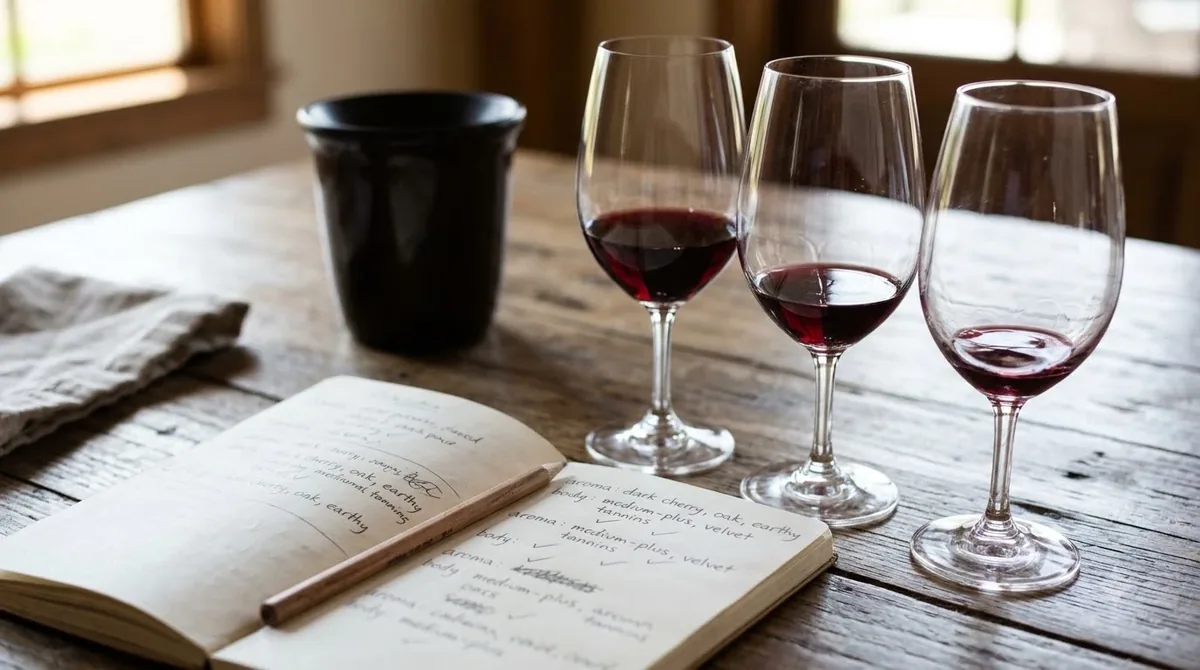
Sangiovese is the grape most visitors will taste. Wine Folly’s Sangiovese guide calls it Italy’s most planted wine variety and the pride of Chianti. Its typical flavors include cherry, roasted tomato, sweet balsamic, oregano, and espresso, with medium-high acidity and medium-high tannins. A tasting usually moves from younger, fresher reds to more structured wines and, at many estates, to a Riserva or a single-vineyard bottle.
Many visits also include white wines, rosé, and sometimes olive oil or local cheese. The best tastings give you context for the Sangiovese: the same grape can taste lighter near the top of a hill and more concentrated lower down, so ask the host how the vineyard sits in the landscape.
| Type of visit | What it usually includes | Good for |
|---|---|---|
| Estate tasting | Pours of several wines, sometimes with a guided walk | Learning a single producer’s style |
| Cellar tour | Barrel room, production area, and a longer tasting | Understanding how the wine is made |
| Consortium event | Many producers in one room, often in a city | Comparing estates quickly |
| Restaurant pairing | Wine served with a set menu | Seeing how the wine works with food |
Tip: Book the tasting before you travel when possible. Many estates limit visits to set times, and small producers may only host a few groups each day.
How to plan a day of tastings
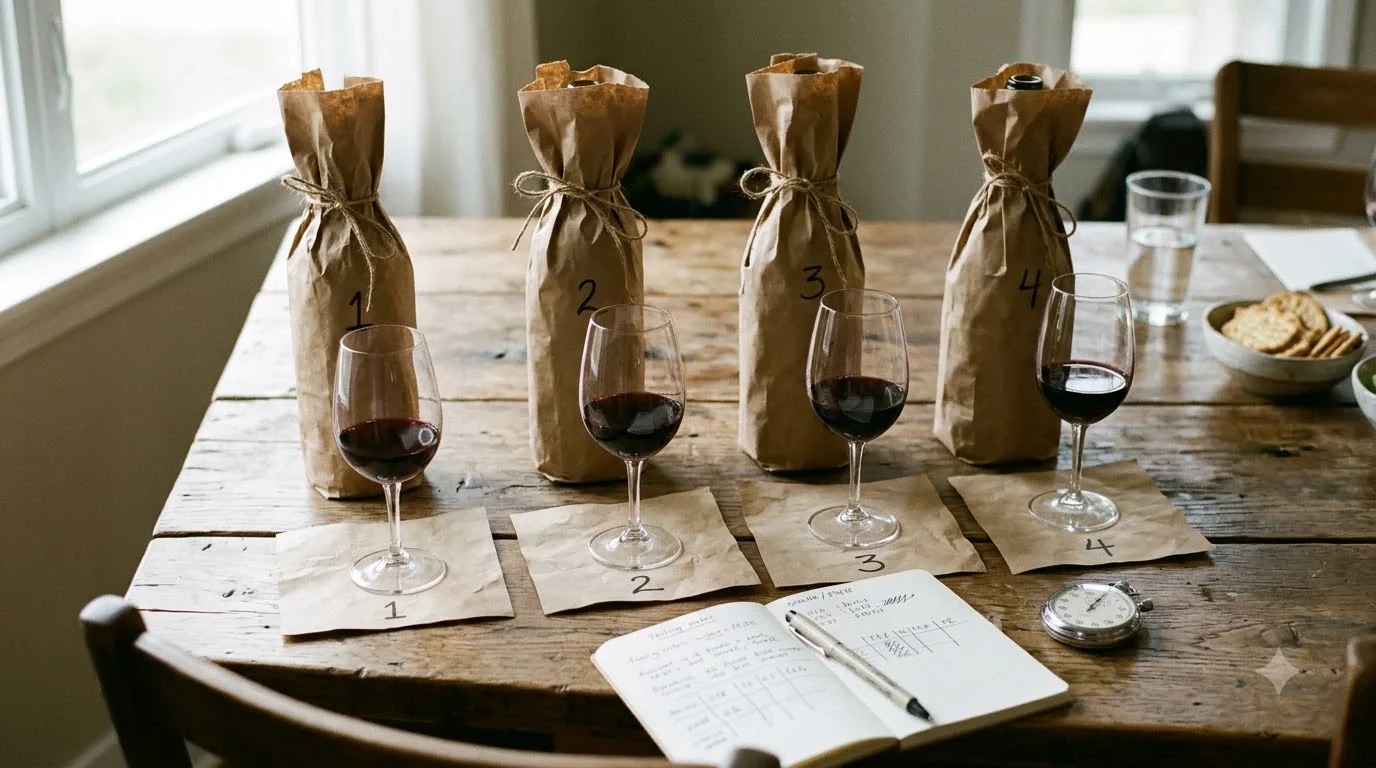
Pick one area and limit yourself to two or three estates. Driving between far-apart wineries takes time, and a long day of tastings can dull your palate by the third stop. Start in the morning, when the wines are fresh and the staff have more time to talk, and leave a long lunch break before the afternoon visit.
Ask whether a tasting includes food and whether a driver can take you. Many estates offer a seated tasting with bread, cured meats, or cheese, which helps balance the acidity of the reds. If you plan to buy, confirm shipping rules before you commit, since some producers handle shipping through a local agent and the paperwork can take time.
Questions to ask at each estate
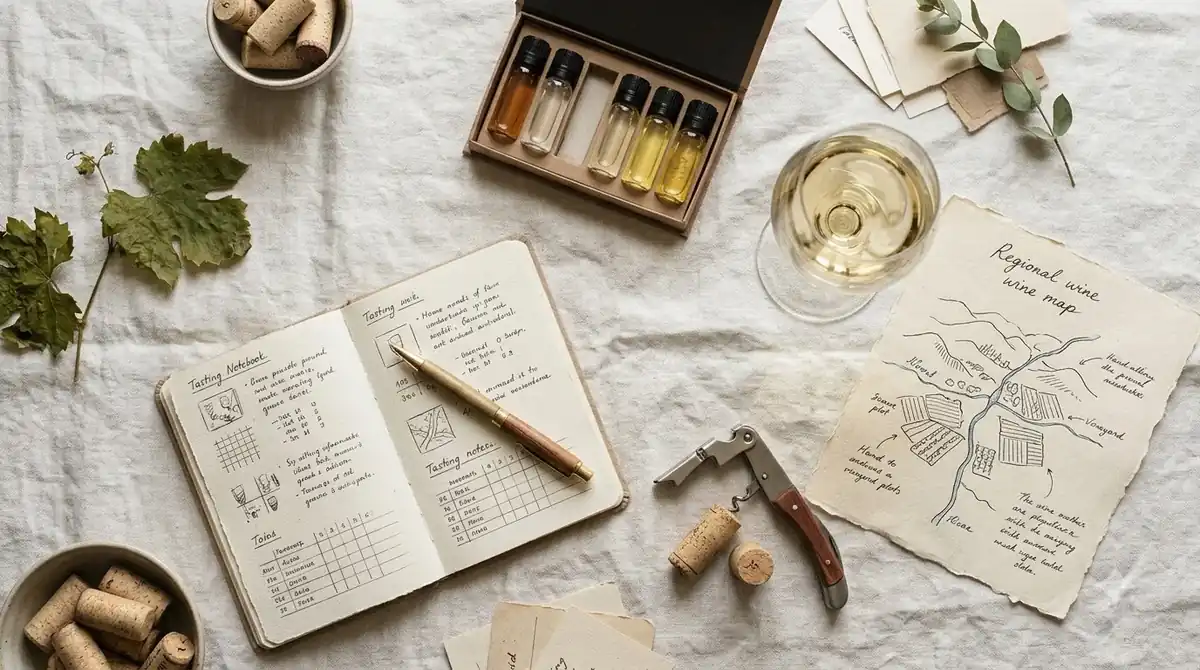
Take notes as you go. Write down the name of each wine, its vintage, and one word that describes it, such as bright, earthy, or firm. A short list like that makes it much easier to recall which bottle you liked when you are back in a shop weeks later, and it helps you spot patterns across estates.
Good tasting hosts enjoy explaining their wines, so ask about the vineyard, the altitude, and the soil. Ask which wine the winemaker drinks at home, what the best food match is for the Riserva, and how long the bottle you are buying will keep. These questions turn a tasting into a lesson and help you remember which bottles you liked.
It also helps to ask how the estate handles harvest. The Chianti Classico consortium notes that picking runs from the first half of September to the second half of October, depending on the vineyard’s location and altitude. Knowing that timing gives you context for what you taste, especially in a year with a warm or cool summer.
Wine tourism beyond the estates
The consortium also runs events that let visitors taste many producers in one place. Its Degustavino tasting in Florence, for example, is described as featuring more than 30 wineries and 90 wines. A Chianti Classico Collection showcase is held in the city too, which can be useful if you want to compare several estates without driving between them.
Outside the big events, look for local enotecas and small restaurants in the villages. They often pour wines from several producers and can point you toward estates that are open to visitors. If you are comparing trip options at home, the guide to wine regions can help you match your interests to the right area before you go.
Comparing Tuscany with other tasting regions
Tuscany is different from many wine destinations because the wine culture is closely tied to food, villages, and history rather than to large, purpose-built tasting rooms. A visit can feel more like a day in the countryside than a formal tour. The Loire Valley wine tasting scene in France has a similar slow pace, while many other regions focus more on modern tasting rooms in town.
If you want a shorter trip closer to home, a visit to a region like Livermore wine tasting can give you a feel for estate tastings without an international flight. The main lesson from Tuscany is that the setting and the food matter as much as the wine itself.
Frequently Asked Questions
Do I need a reservation for a Tuscany wine tasting?
Usually yes, especially for estates with cellar tours or meals. Small producers often host limited groups, so booking ahead is the safest choice. Some larger consortium events allow walk-ins, but check first.
What grape should I expect to taste in Tuscany?
Sangiovese is the main red grape, and it is central to Chianti Classico. Wine Folly describes it as having cherry, tomato, and oregano notes with medium-high acidity and tannin. You will also find white wines and rosé at many estates.
How many wineries should I visit in one day?
Two or three is a good number. Driving between estates takes time, and tasting more than that can make it hard to notice the differences between wines. A slower day with fewer stops usually gives a better experience.
Can I buy wine at the estate and ship it home?
Many estates sell bottles on site and can arrange shipping, but rules differ by country and by producer. Ask about shipping and customs before you buy, especially if you plan to bring a case back in your luggage.
A Tuscany tasting rewards a slow approach. Choose one area, book two or three estates, and ask the hosts about their vineyards. For more ideas on where to taste and how regions differ, browse the wine regions guide before you plan your next trip.
More in Wine Regions
 Willcox Wine Trail: Discover Arizona’s High-Elevation Wine CountryUpdated Nov 20, 2026
 Yakima Valley Wine Region: Find the Best Styles to TryUpdated Nov 20, 2026
 Vosne Romanee Wine Tasting: Identify Aromas and Choose Better PairingsUpdated Nov 20, 2026
 Yakima Valley Wine Festival: Find the Best Seasonal Wine EventsUpdated Nov 20, 2026
 Wales Vineyards: Discover Cool-Climate Wines and Where to VisitUpdated Nov 20, 2026
 Yountville Wine Festival: Discover Napa Wines and Local FoodUpdated Nov 20, 2026