

We may earn a commission when you buy through links on this page, at no extra cost to you. Learn more.
The santa lucia highlands wine festival is an annual celebration of Monterey County wine, bringing together regional wineries, acclaimed Pinot Noir and Chardonnay, gourmet food, and live entertainment. Its signature Sun, Wind & Wine Festival offers visitors an opportunity to meet winemakers, discover limited-production bottles, and experience the character of one of California’s leading cool-climate wine regions. The next scheduled festival takes place on May 1, 2027, at Mer Soleil Vineyards in Salinas, California.
Whether you are a dedicated Pinot Noir enthusiast or simply interested in exploring California wine country, this festival provides an approachable introduction to the Santa Lucia Highlands. Understanding the event schedule, participating wineries, wine styles, and surrounding attractions can help you plan a more rewarding visit.
What to Expect at the Santa Lucia Highlands Wine Festival
The Santa Lucia Highlands Wine Artisans’ Sun, Wind & Wine Festival brings together producers from across the appellation for an afternoon of wine, regional cuisine, and entertainment. Visitors can taste wines from established producers, discover smaller labels, and speak directly with people involved in growing grapes and making wine.
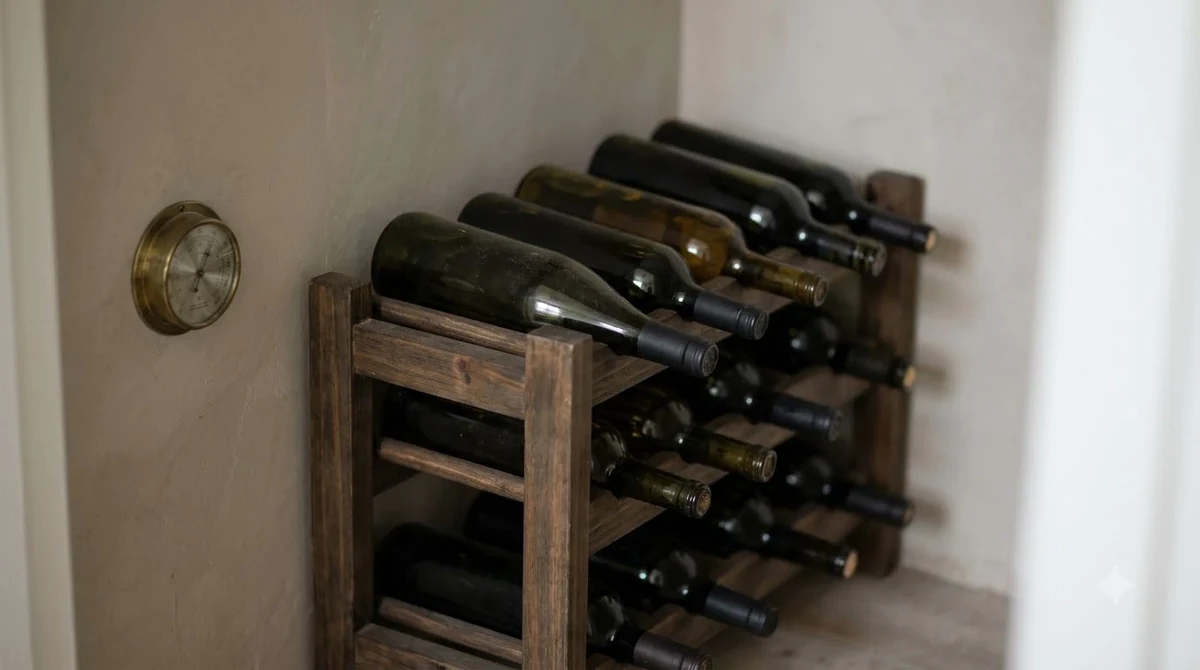
The festival takes place at Mer Soleil Vineyards, a distinctive winery venue in Salinas that provides a setting for showcasing the region’s wines. Rather than concentrating on one producer or one grape variety, the event offers a broad selection of Santa Lucia Highlands wines. Pinot Noir and Chardonnay are central to the experience, while sparkling wines and Syrah provide additional variety.
The experience extends beyond traditional wine sampling. The organizer describes an event featuring gourmet bites from regional chefs and restaurants, live music, a sparkling wine bar, and opportunities to purchase featured bottles. The barrel cellar and wine tent provide additional spaces for visitors to explore. Conversations with winemakers and growers also help explain why individual vineyard sites can produce noticeably different wines, even when the grape variety is identical.
For wine enthusiasts, one of the strongest reasons to attend is the opportunity to compare producers in one setting. A Pinot Noir from Pisoni Family Vineyards, for example, offers a useful comparison with wines presented by Morgan, ROAR, Talbott Vineyards, or Siduri. Similarly, tasting Chardonnay from multiple producers can demonstrate how vineyard location, oak treatment, and winemaking decisions influence the finished wine.
The event is also suitable for visitors who are relatively new to the appellation. You do not need detailed knowledge of vineyard names or winemaking techniques to enjoy the festival. Starting with familiar varieties and asking producers about their wines provides a practical way to develop your understanding.
For a broader introduction before attending, explore our guide to santa lucia highlands wine, which explains the region’s principal varieties, growing conditions, and characteristic wine styles.
2027 Festival Date, Schedule, and Admission
The next scheduled Sun, Wind & Wine Festival takes place on Saturday, May 1, 2027, at Mer Soleil Vineyards in Salinas. The published event schedule runs from 11 a.m. to 2:30 p.m., with separate early and general admission periods.
The distinction between admission periods matters because visitors interested in rare bottles or a quieter beginning to the event may prefer Early Admission. General Admission starts one hour later, making it a reasonable choice for guests who want to experience the main wine and food activities without arriving at the earliest opening time.
According to the official event information, Early Admission includes access to rare library wines and large-format bottles during the additional hour. General Admission begins at noon and includes a keepsake wine glass, wine tasting, food vendors, auction activities, the barrel cellar, and the wine tent. Both options provide access to the main festival experience.
| Festival detail | 2027 information |
|---|---|
| Event | Sun, Wind & Wine Festival |
| Date | Saturday, May 1, 2027 |
| Venue | Mer Soleil Vineyards, Salinas |
| Early Admission | 11 a.m. |
| General Admission | Noon |
| Closing time | 2:30 p.m. |
| Minimum age | 21 years |
| Wine selection | Pinot Noir, Chardonnay, sparkling wine, and Syrah |
| Additional activities | Food, music, auction, and winemaker conversations |
The festival is an adults-only event. Guests must be at least 21 years old, and children are not permitted. This is important for groups planning a family trip to Monterey County, particularly those combining the festival with other sightseeing activities.
Transportation deserves attention before the event. The organizer lists a shuttle service between Monterey Peninsula College and Mer Soleil, with passes available for festival guests. Using organized transportation can simplify the trip, particularly for visitors who intend to sample wines throughout the afternoon. Confirm the departure arrangements and return schedule before making plans.
Festival participation, winery representation, and restaurant attendance may change. The published program should therefore be treated as the best starting point rather than a guarantee that every listed producer or food vendor will appear. Ticket sales are scheduled to begin February 1, 2027, so checking the organizer’s official Sun, Wind & Wine Festival information is the most reliable way to confirm admission details and event arrangements.
Participating Wineries and Producers to Discover
The festival brings together recognizable California wine names and specialist Santa Lucia Highlands producers. Its winery lineup gives visitors the opportunity to compare different interpretations of the appellation’s signature grape varieties.
Producers named in the festival announcement include Bernardus, Belle Glos, Caraccioli Cellars, Mer Soleil, Morgan Winery, Siduri, McIntyre, Puma Road, Pessagno, ROAR, Talbott Vineyards, Pisoni Family Vineyards, and Wrath. Each offers a different perspective on regional wine production, making the event particularly useful for visitors who want to learn about individual producers.
Pinot Noir enthusiasts should pay particular attention to Pisoni Family Vineyards, ROAR, Siduri, and Morgan Winery. These names provide useful starting points for understanding the range of styles associated with the appellation. Some wines emphasize ripe cherry and darker fruit, while others place greater emphasis on freshness, spice, earthy characteristics, and structure.
Chardonnay fans should also explore the offerings from Mer Soleil, Talbott Vineyards, Morgan Winery, and other participating producers. Regional Chardonnay can range from citrus-driven and mineral in character to richer expressions with tropical fruit and creamy oak influences. Comparing several examples side by side can make these stylistic differences easier to recognize.
Caraccioli Cellars is another interesting name for visitors who enjoy sparkling wine. Sparkling wines provide a different tasting experience from the region’s still wines and can be especially useful for comparing acidity, texture, and winemaking methods. Ask about the grapes used and whether the wine underwent its second fermentation in the bottle.
How to approach the winery lineup
Rather than attempting to visit every tasting station in a fixed order, consider organizing your tasting around varieties or styles. Start with Chardonnay, move to Pinot Noir, and finish with sparkling wines or Syrah. This creates a natural progression from lighter, fresher expressions toward wines that may have greater weight or structure.
It is also helpful to ask producers about vineyard sourcing. The Santa Lucia Highlands is not a completely uniform growing area. Differences in elevation, soil depth, exposure, and wind protection can influence how grapes ripen and how wines develop. A winemaker who works with multiple vineyard sites can often explain these differences more clearly through a comparison of individual bottlings.
Keep an open mind about lesser-known producers. Well-established labels may attract considerable attention, but smaller wineries can offer distinctive interpretations that are less familiar to visitors. The opportunity to speak with producers directly is one of the festival’s most valuable features.
Understanding the Wines of the Santa Lucia Highlands
The Santa Lucia Highlands AVA is especially recognized for Pinot Noir and Chardonnay, two varieties that benefit from its cool maritime climate. Syrah, Riesling, Gamay, and sparkling wines add further diversity to the appellation.
The appellation received American Viticultural Area recognition in 1991. Its vineyards occupy elevated terraces above the Salinas Valley in Monterey County, where the combination of sunshine, morning fog, and strong afternoon winds creates distinctive growing conditions.
These environmental influences are important because they allow grapes to ripen over an extended period while retaining freshness. Cool air moving inland from Monterey Bay moderates daytime temperatures, while the region’s sunshine supports fruit development. According to the regional wine association, harvest can occur up to six weeks later than in other parts of California.
Pinot Noir: The signature red grape
Pinot Noir is the variety most closely associated with the Santa Lucia Highlands. Typical examples offer cherry, raspberry, red plum, baking spice, and earthy notes. Some bottlings have a darker fruit profile, while others emphasize fresh red berries and floral aromas.
The wines generally combine medium body with refreshing acidity and low-to-medium tannin. This makes them versatile at the table, particularly with roasted poultry, grilled salmon, mushroom dishes, and pork. The best examples can combine generous fruit with enough structure to develop additional complexity over time.
Vineyard differences are especially interesting with Pinot Noir. Higher or more exposed sites may produce wines with firmer structure, while warmer or more sheltered locations can encourage fuller fruit expression. Tasting two single-vineyard bottlings together is an effective way to understand how location influences the final wine.
Chardonnay: Freshness and texture
Santa Lucia Highlands Chardonnay offers a wide stylistic range. Some wines emphasize lemon, green apple, pear, and mineral characteristics, while others develop tropical fruit, vanilla, butter, and toasted oak notes.
Acidity is an important part of the region’s Chardonnay identity. The cool growing conditions help preserve freshness even in wines with greater body and oak influence. This balance makes the variety particularly adaptable to food, from shellfish and roasted chicken to creamy pasta and grilled fish.
Syrah and other varieties
Syrah provides a more savory alternative to the region’s Pinot Noir and Chardonnay. Expect potential flavors of blackberry, dark plum, black pepper, violet, and herbs. Its tannin level can range from medium-plus to high, making it a useful pairing for grilled beef, lamb, and richly seasoned dishes.
Riesling and Gamay offer additional reasons to explore beyond the best-known varieties. Riesling can emphasize citrus, stone fruit, and lively acidity, while Gamay often provides fresh red fruit and a lighter structure. Sparkling wines introduce another dimension through their bubbles, crispness, and varied production methods.
Visitors can learn more about the area’s individual growing sites in our guide to Santa Lucia Highlands vineyards, especially if they want to understand why wines carrying the same regional designation can taste quite different.
How to Taste Wines and Enjoy the Festival
A little preparation can make a substantial difference to the festival experience. The most effective approach is to taste deliberately, compare similar wines, and leave enough time to enjoy the food and conversations rather than treating the event as a race between tasting stations.
Start by deciding which varieties interest you most. If Pinot Noir is your priority, taste several examples from different producers before moving to Chardonnay. If you are unfamiliar with the region, begin with a Chardonnay and a Pinot Noir from a producer you recognize, then use those wines as reference points for further comparisons.
Pay attention to four basic characteristics: aroma, acidity, body, and finish. With Pinot Noir, look for differences between red cherry, raspberry, plum, spice, and earthy notes. With Chardonnay, compare citrus freshness, tropical fruit, mineral character, and oak influence. With Syrah, notice how dark fruit, pepper, and tannin contribute to the overall structure.
Serving temperatures and tasting order
Wine temperature affects aroma and flavor perception. Light whites and rosé generally show best at 45 to 50 degrees Fahrenheit, while fuller-bodied whites are usually more expressive around 50 to 55 degrees. Light reds such as Pinot Noir benefit from a slightly cooler temperature of 55 to 60 degrees Fahrenheit.
For a structured tasting, start with sparkling wines, followed by lighter whites, fuller Chardonnay, Pinot Noir, and then more structured reds such as Syrah. This sequence helps prevent wines with stronger flavors or tannins from dominating more delicate examples.
Tip: Take brief notes after each tasting, including the producer, grape variety, aroma, acidity, and your favorite characteristic. A few words are enough to help you remember which wines stood out after sampling several producers.
Food pairings worth exploring
Food is an important part of the festival experience, and the regional cuisine offers plenty of natural partners for the wines. Monterey County is known for its agricultural production and access to Pacific seafood, making fresh ingredients a logical match for the area’s cool-climate wines.
Pinot Noir works particularly well with roasted chicken, grilled mushrooms, duck, and salmon. Its acidity complements richer foods, while its relatively moderate tannin makes it less aggressive than many full-bodied red wines. Chardonnay pairs naturally with shellfish, crab, grilled halibut, and creamy sauces.
Syrah is better suited to dishes with more pronounced savory flavors. Grilled lamb, barbecue, roasted beef, and herb-seasoned sausages can complement its darker fruit and firmer tannins. Riesling is particularly useful with spicy Asian-inspired dishes because its acidity and fruit can balance seasoning and chili heat.
For dessert, choose a wine at least as sweet as the dish. A dry wine can taste sour or thin beside a sweet dessert, while a suitably sweet sparkling or still wine creates a more harmonious finish.
Practical tasting habits
Use the keepsake glass provided with admission, take small pours, and allow yourself time to revisit a favorite producer. A standard wine serving is approximately 5 ounces, but festival samples are generally smaller. There is no reason to finish every sample, especially when comparing numerous wines.
Drink water throughout the afternoon and make use of the food offerings. If you want to remember a particular bottle, write down the producer and vineyard name rather than relying on a general description such as rich or fruity. These details will be much more useful when you look for the wine later.
Finally, arrange transportation before attending. The festival is designed around wine tasting, so a designated driver or organized shuttle is a sensible part of the itinerary.
Planning a Monterey Wine Country Weekend
The festival can be the centerpiece of a longer Monterey County visit. The surrounding area combines vineyards, coastal scenery, restaurants, and outdoor attractions, making it possible to build a weekend around wine without spending every hour at a tasting table.
Salinas is a practical starting point for exploring the Santa Lucia Highlands. The appellation stretches along the eastern slopes of the Santa Lucia Mountains above the Salinas Valley. River Road provides an important reference point for understanding the geography, with vineyards rising along the mountain benchlands.
Visitors interested in vineyard scenery should plan additional time to explore the region outside the festival. Individual vineyard sites reveal the differences in elevation, exposure, and soil that influence the area’s wines. Some properties have long agricultural histories, and multi-generational farming families remain important to the appellation’s identity.
Explore the surrounding wine trails
Monterey wine country includes several tasting destinations beyond the vineyards themselves. The River Road area is particularly relevant to visitors interested in Santa Lucia Highlands producers. Other options include tasting experiences in Carmel Valley, Carmel-by-the-Sea, and downtown Monterey.
These destinations provide opportunities to sample wines from producers who may not be represented at the festival. They also offer a convenient way to continue comparing regional Chardonnay and Pinot Noir after the main event.
For travelers considering other California wine regions, Santa Ynez Valley wine offers an interesting contrast. Its inland valleys and varied vineyard locations create a broader range of growing conditions and wine styles than the predominantly cool-climate focus of the Santa Lucia Highlands.
Combine wine with coastal attractions
Monterey and Carmel-by-the-Sea provide appealing additions to a wine-focused itinerary. Visitors can explore coastal neighborhoods, enjoy seafood restaurants, and spend time near the Pacific Ocean. Point Lobos State Natural Reserve is another popular destination for coastal scenery, hiking, and wildlife observation.
For a relaxed itinerary, consider arriving in Monterey the day before the festival. Spend the first day exploring the coast or enjoying a restaurant dinner, attend the festival on Saturday, and reserve Sunday for a quieter tasting experience or sightseeing around Carmel.
Accommodation and transportation should be arranged in advance, particularly if several people are traveling together. The festival is a specific Saturday event, and a little planning makes it easier to avoid unnecessary driving and schedule changes.
It is also useful to consider the difference between visiting a festival and visiting individual wineries. The festival provides a concentrated overview of many producers in one afternoon. Separate tasting appointments offer more time for vineyard-specific conversations and a closer look at individual wine collections.
For additional regional planning information, the official Santa Lucia Highlands association provides winery information, vineyard descriptions, events, and travel suggestions. Its resources can help visitors create a more complete itinerary around the festival rather than treating the event as a standalone afternoon.
Frequently Asked Questions
How long has the Santa Lucia Highlands been a recognized wine region?
The Santa Lucia Highlands became an officially recognized American Viticultural Area in 1991. Its modern fine-wine development began earlier, with Gary Pisoni planting his vineyard in 1982. These milestones help explain the appellation’s relatively young but influential reputation in California Pinot Noir production.
What makes the Pisoni clone of Pinot Noir distinctive?
The Pisoni selection originated from planting material associated with Burgundy’s Vosne-Romanée. According to the regional history discussed by Decanter, it has been shared within a small group of vineyards associated with the Pisoni and Franscioni families. Its small berries and distinctive aromatic and structural characteristics contribute to its reputation among regional Pinot Noir enthusiasts.
How high are Santa Lucia Highlands vineyards?
The vineyard landscape extends across a substantial elevation range. The regional association describes vineyard locations reaching approximately 1,600 feet, while individual sites vary considerably in their position along the mountain terraces. Elevation influences temperature, exposure, and the speed at which grapes develop during the growing season.
Why is River Road important to Santa Lucia Highlands wine?
River Road runs along the base of the appellation’s elevated vineyard benchlands and provides an important geographical reference for the region. The vineyards rise above the Salinas River Valley, occupying east-facing alluvial terraces. This relationship between the valley, mountains, and coastal winds helps explain the appellation’s distinctive growing environment.
Can Santa Lucia Highlands Pinot Noir age in a wine cellar?
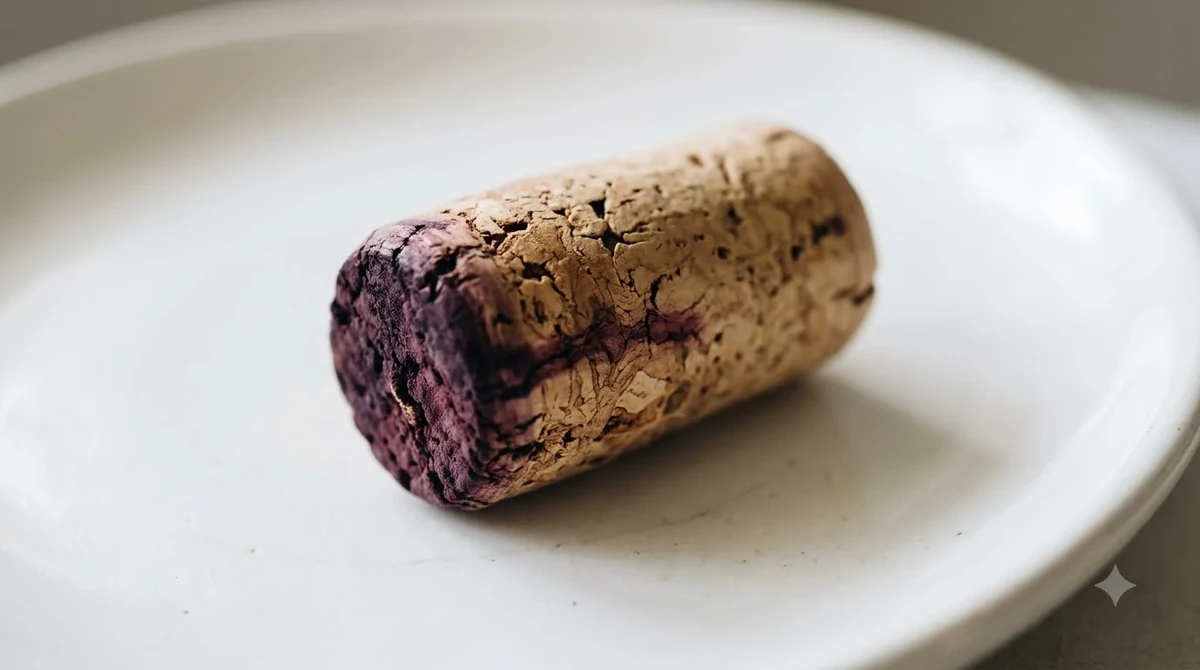
Yes. Well-made examples with concentrated fruit, balanced acidity, and appropriate structure can develop additional complexity with bottle age. Depending on the producer, vineyard, and vintage, mature bottles may develop more pronounced earthy, savory, mushroom, and dried-fruit characteristics. Proper storage in a cool, dark environment with stable temperatures is important for preserving wine during aging.
The Santa Lucia Highlands Wine Artisans Sun, Wind & Wine Festival offers an excellent opportunity to discover the producers, vineyards, and wines that make this Monterey County appellation distinctive. With its May 1, 2027, date, broad winery representation, regional food, and live entertainment, it is an appealing event for both experienced collectors and curious wine enthusiasts. Plan your transportation, explore several grape varieties, and leave time to enjoy the surrounding Monterey wine country for a more complete experience.
More in Wine Regions
 Willcox Wine Trail: Discover Arizona’s High-Elevation Wine CountryUpdated Nov 20, 2026
 Yakima Valley Wine Region: Find the Best Styles to TryUpdated Nov 20, 2026
 Vosne Romanee Wine Tasting: Identify Aromas and Choose Better PairingsUpdated Nov 20, 2026
 Yakima Valley Wine Festival: Find the Best Seasonal Wine EventsUpdated Nov 20, 2026
 Wales Vineyards: Discover Cool-Climate Wines and Where to VisitUpdated Nov 20, 2026
 Yountville Wine Festival: Discover Napa Wines and Local FoodUpdated Nov 20, 2026