

We may earn a commission when you buy through links on this page, at no extra cost to you. Learn more.
Pouilly fume vineyards produce distinctive, dry Sauvignon Blanc wines in France’s eastern Loire Valley, where limestone, Kimmeridgian marl, and flinty clay soils create different expressions of citrus, freshness, and smoky minerality. Located on the right bank of the Loire River, the appellation is particularly known for its Blanc Fumé wines. Its varied vineyard conditions influence everything from grape ripening to the aromas and aging potential of the finished wine. Understanding these differences makes it easier to recognize individual vineyard styles and choose bottles that suit different occasions.
Pouilly-Fumé is one of the Loire Valley’s most recognizable white wine appellations, but its identity goes beyond Sauvignon Blanc. Although the grape variety is consistent across the appellation, differences in geology, elevation, exposure, and vineyard management produce wines with noticeably different personalities. Some emphasize fresh grapefruit and citrus, while others develop floral complexity, a broader texture, or the distinctive impression of struck flint. These differences make the vineyards particularly interesting to explore, whether you are learning about French wine or looking for a more nuanced alternative to familiar Sauvignon Blanc.
Where Pouilly-Fumé Vineyards Are Located in the Loire Valley
Pouilly-Fumé occupies the eastern part of the Loire Valley, on the right bank of the Loire River in the Nièvre department. Its vineyards extend across seven communities surrounding Pouilly-sur-Loire and Saint-Andelain, creating a compact wine-growing area with several distinctive growing environments.
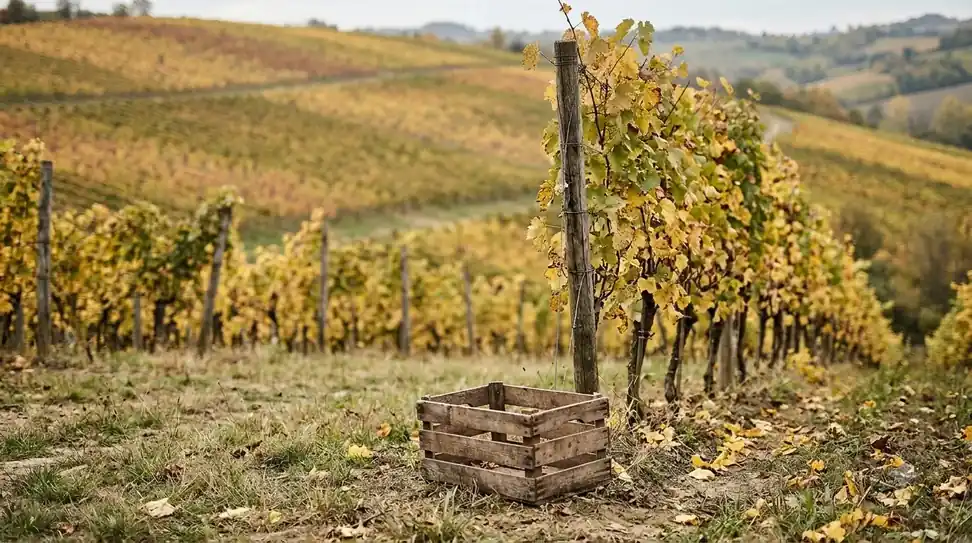
The appellation sits within the Centre-Loire wine area, relatively close to Burgundy and neighboring Sancerre. Although both Pouilly-Fumé and Sancerre are famous for Sauvignon Blanc, they occupy opposite banks of the Loire. Pouilly-Fumé lies on the right bank, while Sancerre is on the left bank. Their geographical proximity explains why they share important geological characteristics, even though individual vineyard sites and wine styles differ. The official Pouilly-Fumé vineyard overview provides additional details about the appellation’s geography and its two distinct wine designations.
According to the appellation’s official organization, Pouilly-Fumé covers approximately 1,400 hectares, equivalent to 3,460 acres. The vineyards are distributed across seven communities in the Nièvre department, with Saint-Andelain forming an important geographical landmark. The area’s highest ground reaches approximately 270 meters above sea level, creating differences in exposure and growing conditions across the landscape.
The Loire River is an important influence on local viticulture. Its presence helps moderate cold temperatures, while the surrounding landscape creates a combination of sheltered locations and exposed vineyard slopes. The region experiences a continental-influenced climate, with relatively cold winters and warm summers. Seasonal temperature changes are important because Sauvignon Blanc benefits from a sufficiently long ripening period to develop flavor while retaining acidity.
For anyone studying the broader French wine landscape, Pouilly-Fumé provides an interesting example of how neighboring appellations can develop different identities from similar grape varieties. The wider Wine Regions collection offers additional context for comparing the geography, grapes, and traditions of established wine-growing areas.
The appellation’s official recognition dates to 1937, when Pouilly-Fumé received AOC status. This designation protects the geographical identity of the wine and establishes requirements governing its production. It also distinguishes Pouilly-Fumé from Pouilly-sur-Loire, a neighboring appellation that uses Chasselas rather than Sauvignon Blanc as its principal grape variety.
The Four Main Soil Types Shaping the Vineyards
Soil is one of the most important influences on Pouilly-Fumé’s identity. The appellation includes limestone, Kimmeridgian marl, flinty clay, and clay-siliceous sandy soils, each contributing different characteristics to the grapes and finished wines.
The official appellation organization describes four broad soil categories. These are useful starting points for understanding vineyard differences, although individual parcels can contain mixtures of geological materials and produce wines that do not fit neatly into a single category.
1. Limestone: Freshness and Early Fruit Expression
Limestone soils occur around places including Villiers, Barrois, and Tonnerre. These relatively warm soils generally encourage earlier vegetative development and grape maturation. Their influence is particularly noticeable in wines that show fresh citrus flavors and accessible fruit aromas soon after bottling.
Limestone-grown Sauvignon Blanc commonly develops grapefruit, lemon, and other citrus characteristics. Some wines also show subtle blackcurrant-bud or green herbal notes. The resulting style is often lively and relatively approachable in its youth, making these bottles useful introductions to Pouilly-Fumé.
Young vines on limestone can produce wines that develop quickly, although older vines may deliver greater concentration and improved aging potential. Limestone therefore does not automatically mean a wine must be consumed immediately. Vineyard age, harvesting decisions, and cellar practices all contribute to the final result.
2. Kimmeridgian Marl: Structure and Complexity
Kimmeridgian marl, often called terres blanches or white earth, is a clay-and-limestone soil associated with ancient marine deposits. Its geological composition includes fossil-rich materials, reflecting a period when much of the surrounding region was covered by water.
The clay content influences water retention and the pace of vine development. Compared with warmer limestone locations, these vineyards generally experience a slower vegetative cycle. Grapes can mature more gradually, helping winemakers balance ripeness with the naturally refreshing acidity of Sauvignon Blanc.
Wines from Kimmeridgian marl often have a firmer structure and more developed aromatic complexity. Floral notes, including rose, can appear alongside white-fleshed fruit, citrus, and subtle smoky or vegetal characteristics. Their aromas may seem restrained immediately after bottling but become more expressive with additional bottle development.
The appellation’s soil descriptions indicate that these wines can reach fuller aromatic expression after approximately ten months. Well-made examples may continue developing beyond that point, especially when produced from mature vines and carefully selected parcels.
3. Flinty Clay: Mineral Tension and Smoky Character
Flinty-clay soils, known locally as silex, are among the most recognizable elements of the Pouilly-Fumé landscape. These soils contain flint within a clay-rich structure and are particularly associated with the Saint-Andelain area.
Flint is important because it contributes to the region’s distinctive geological identity and is closely associated with the wine’s smoky reputation. Sauvignon Blanc grown on these sites can develop aromas reminiscent of struck stone, alongside citrus, herbs, and spices.
Young wines from flinty sites may initially feel tightly structured. Their acidity, mineral impression, and focused aromatic profile can make them seem less immediately expressive than wines from warmer limestone locations. Aeration or additional bottle time can help reveal their complexity.
The appellation organization suggests that many wines from flinty-clay soils benefit from approximately one to two years of development before reaching their preferred drinking stage. More powerful examples may need longer. The relationship between flint, clay, and drainage is also important: deep, well-suited soils can provide favorable conditions for consistent vine growth.
4. Clay-Siliceous Sandy Soils: Softer and More Floral Wines
Clay-siliceous sandy soils create another distinctive expression of Sauvignon Blanc. Their character depends heavily on the relative proportions of sand and clay within each vineyard parcel.
Vineyards with a higher proportion of sand often produce wines that feel softer and more delicate. Their floral and fruity characteristics can emerge relatively quickly, although the wines may lose aromatic intensity sooner than more structured examples.
Parcels with more clay generally produce livelier wines that can take longer to develop their aromas. This difference illustrates why soil descriptions should be treated as indicators rather than guarantees. Two vineyards within the same broad geological category may produce different wines because of variations in drainage, exposure, vine age, and cultivation practices.
Tip: When comparing Pouilly-Fumé bottles, look for references to silex, terres blanches, or limestone on producer descriptions. These terms provide useful clues about the vineyard’s geological character and the style you can expect in the glass.
Climate, Geography, and Sauvignon Blanc Growing Conditions
The climate around Pouilly-Fumé combines continental influences with the moderating presence of the Loire River. Warm growing-season days and cooler nights help Sauvignon Blanc reach ripeness while retaining the freshness that defines the appellation’s wines.
The eastern Loire experiences more pronounced seasonal temperature differences than the western Loire vineyards closer to the Atlantic Ocean. Winters can be cold, and spring frost is a significant consideration for growers. The river helps moderate some temperature extremes, but it cannot eliminate the risks associated with unpredictable spring weather.
Grape development depends on several interacting factors. Soil temperature, water availability, sunlight, and vineyard exposure all influence the speed of ripening. A warmer limestone parcel may reach maturity earlier than a cooler or more clay-rich location, while flinty sites can produce a different balance of aromatic intensity and acidity.
The area’s geography also creates variations between individual communities. Saint-Andelain is particularly important because of its elevated terrain and flinty soils. Other parts of the appellation contain more limestone and marl, giving growers opportunities to produce different expressions of Sauvignon Blanc within a relatively compact geographical area.
Vineyard management is equally important. Growers must balance canopy development, sunlight exposure, and grape health. Excessive shade can reduce fruit development, while too much direct exposure in particularly hot conditions can affect freshness and aromatic balance. Careful pruning and management of the vine canopy help regulate the conditions surrounding grape clusters.
Harvest timing is one of the most consequential decisions. Sauvignon Blanc picked too early may show excessively sharp acidity and underdeveloped aromas. Grapes harvested later can offer riper fruit characteristics, but growers must avoid losing the freshness that gives Pouilly-Fumé its characteristic structure.
Temperature differences between day and night are especially useful during ripening. According to the French appellation authority, the alternation of warm days and cool nights supports regular grape maturity while preserving aromatic freshness. This combination is one reason the area can produce Sauvignon Blanc with both expressive fruit and a firm, refreshing finish.
Climate also explains why individual vintages can differ considerably. Spring frost, summer temperatures, rainfall, and conditions near harvest influence both quantity and quality. Rather than assuming every vineyard produces exactly the same style each year, it is more useful to consider the interaction between seasonal conditions and the characteristics of each site.
How Vineyard Differences Influence Pouilly-Fumé Wine Styles
Although Sauvignon Blanc is the defining grape, Pouilly-Fumé is not a single uniform style of wine. Limestone, marl, flint, and sandy clay can produce different balances of fruit, acidity, texture, and aromatic complexity.
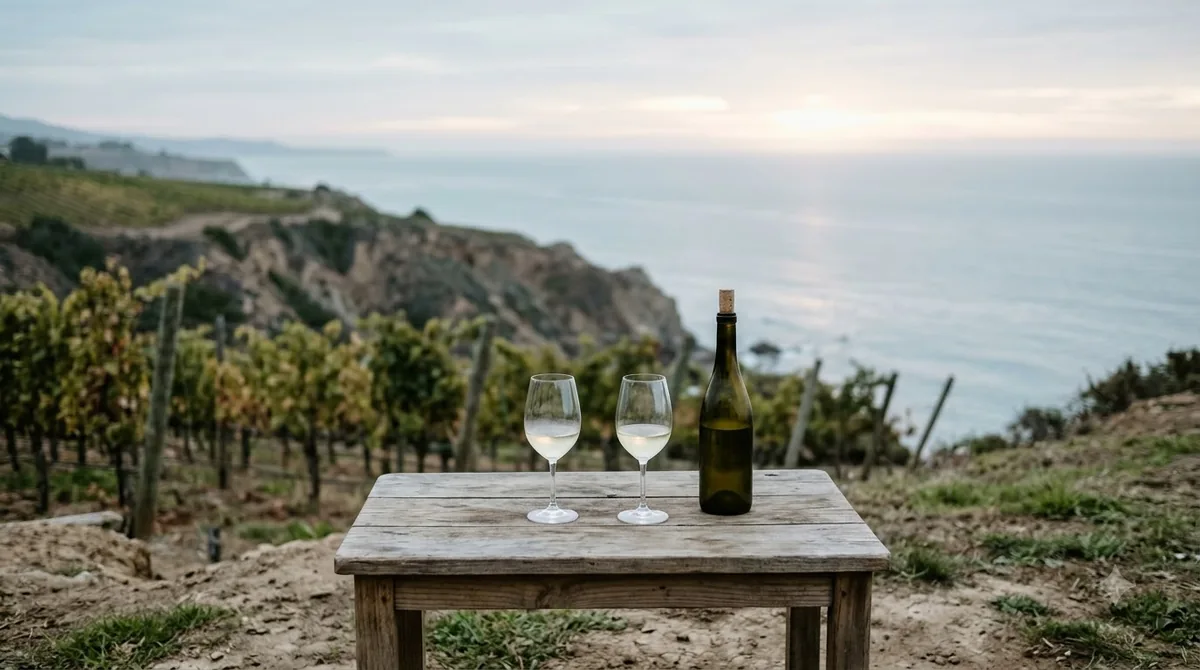
Most wines are dry whites, with a pale yellow to golden appearance. Citrus is common, particularly grapefruit and lemon, while floral, herbal, and mineral characteristics vary according to the vineyard and producer. Some examples emphasize crisp fruit, while others have a broader palate and a more pronounced savory impression.
The appellation’s description of its wines highlights fruit and mineral aromas, with additional floral and vegetal notes. These characteristics are not necessarily present in equal proportions. A limestone-grown wine may lead with citrus and fresh fruit, while a flinty example can show a more pronounced impression of struck stone.
One of the most interesting aspects of Pouilly-Fumé is the way its wines can combine freshness with texture. Sauvignon Blanc is naturally associated with high acidity, but the wines do not always feel extremely lean. Ripeness, lees contact, fermentation choices, and aging can add weight and complexity without necessarily obscuring the grape’s character.
Understanding the Smoky Fumé Character
The word Fumé means smoky in French, and the name has more than one commonly accepted explanation. One refers to the grayish bloom that develops on mature Blanc Fumé grapes. Another refers to the smoky impression associated with flint-rich soils and the smell produced when flint stones strike or rub together.
This association has become a defining part of the appellation’s identity. However, smoky aromas are not guaranteed in every bottle. The degree of flint influence, grape maturity, fermentation, and bottle development all affect the wine’s aromatic profile.
It is also useful to distinguish mineral descriptions from literal flavors. When wine writers describe gunflint, stone, or chalk, they are using sensory comparisons to communicate the wine’s impression. These terms do not mean that the finished wine contains pieces of rock or that the grapes absorb a specific mineral flavor directly from the soil.
Comparing Pouilly-Fumé with Sancerre
Pouilly-Fumé and Sancerre are frequently compared because they are neighboring Loire appellations that specialize in Sauvignon Blanc. Their geographical closeness, similar geological materials, and shared grape variety make them natural alternatives for wine drinkers.
However, the two appellations are not identical. Sancerre generally has more vineyard land and a landscape characterized by hillside slopes. Pouilly-Fumé’s terrain is generally flatter, according to Decanter’s comparison of the neighboring appellations. Its comparison of Sancerre and Pouilly-Fumé also discusses the subtle differences between their Sauvignon Blanc styles.
Decanter’s wine experts describe Pouilly-Fumé as tending toward a broader, softer expression, while Sancerre can appear more immediately vibrant and aromatic. These are broad tendencies rather than strict rules. Individual producers, vineyard sites, and vintages can create considerable overlap between the two styles.
Both appellations can show grapefruit, grass, citrus, and mineral characteristics. Pouilly-Fumé is particularly interesting for drinkers who appreciate Sauvignon Blanc with a slightly broader texture and the possibility of flinty complexity.
For a wider understanding of the Loire’s regional diversity, comparing these wines with other French Sauvignon Blanc appellations is useful. The same approach can also be applied to international vineyard regions such as Tasmania vineyards, where climate and vineyard location influence the expression of cool-climate grapes.
Vineyard Management, Harvesting, and Winemaking
Producing distinctive Pouilly-Fumé begins in the vineyard, where growers manage Sauvignon Blanc vines throughout the growing season. Harvest timing, grape selection, and careful handling help preserve the freshness and aromatic detail that make the appellation recognizable.
The region has approximately 100 wineries, most of them family owned, according to the appellation’s official organization. These producers work with different vineyard parcels and geological conditions, creating opportunities for both blended regional wines and more site-focused cuvées.
Vineyard work continues throughout the year. Winter pruning controls vine growth and helps establish the structure for the following growing season. During spring and summer, growers monitor shoot development, canopy density, disease pressure, and fruit exposure.
As harvest approaches, grape maturity becomes the main consideration. Producers assess sugar levels, acidity, and flavor development to determine when to pick. The ideal harvest date depends on the style they want to produce and the growing conditions of each vineyard parcel.
Selective harvesting can be particularly useful when a producer works with multiple soil types. Grapes from warmer limestone locations may reach maturity at a different time from those grown on cooler marl or flinty-clay sites. Picking these parcels separately gives the winemaker greater control over the final blend.
Fermentation and Aging
After harvesting, the grapes are transported to the winery for pressing and juice preparation. Careful handling helps limit unwanted oxidation and preserves the delicate aromatic components associated with Sauvignon Blanc.
According to the official appellation organization, most Pouilly wines are fermented in stainless-steel vats. Stainless steel allows winemakers to control fermentation temperatures and retain the fresh fruit characteristics that are important to the regional style.
Alcoholic fermentation averages approximately two to four weeks, although the exact duration depends on the producer’s methods and conditions. Once fermentation is complete, the wine is separated from the settled lees and prepared for further maturation.
Lees aging can add texture and complexity. Fine lees consist of the remaining yeast particles and other material left after fermentation. Keeping wine in contact with these fine lees can contribute a smoother mouthfeel and additional aromatic depth.
Not every producer follows exactly the same approach. Some prioritize bright, straightforward fruit, while others use longer maturation to develop greater structure. Oak may be used for certain cuvées, but stainless steel remains an important vessel throughout the appellation.
Blending decisions also influence the final wine. A producer working with limestone, marl, and flint parcels can combine their individual characteristics to create a balanced regional expression. Alternatively, bottling a single parcel or soil type allows the wine to communicate a more specific vineyard identity.
Environmental responsibility is another consideration for local growers. The appellation organization identifies several recognized approaches, including organic farming, Terra Vitis, and High Environmental Value practices. These approaches differ in their requirements, but all are associated with efforts to manage vineyards with greater attention to environmental conditions.
How to Taste, Serve, and Pair Pouilly-Fumé
Pouilly-Fumé is best appreciated as a dry, aromatic white wine with refreshing acidity and a range of citrus, floral, herbal, and mineral characteristics. Serving it at the right temperature and choosing complementary foods help reveal the differences between individual vineyard expressions.
For most bottles, a serving temperature of approximately 45 to 50 degrees Fahrenheit works well. This keeps the wine refreshing without making its aromas difficult to detect. Very cold temperatures can suppress citrus and floral notes, while warmer serving conditions may make the wine feel less crisp.
A standard 5-ounce pour is suitable for tasting. A 750-milliliter bottle provides approximately five such servings. Use a medium-sized white wine glass with enough room to allow the aromas to develop as the wine warms slightly in the glass.
What to Look for in the Glass
Start by observing the wine’s color. Most Pouilly-Fumé wines range from pale yellow to a deeper golden shade. Color can provide some clues about development and winemaking, although it should not be treated as a reliable indicator of quality or soil type.
On the nose, look for grapefruit, lemon, green herbs, white flowers, and fresh fruit. Flint-influenced examples may show a distinctive smoky or stony impression. Wines from marl soils can offer more developed floral and white-fruit characteristics, particularly after some bottle aging.
On the palate, consider acidity, body, and finish. Sauvignon Blanc typically has high acidity, which gives Pouilly-Fumé its refreshing character. Some wines are light and energetic, while others feel broader and more structured.
Allowing the wine a few minutes in the glass can help reveal additional aromas. Particularly youthful examples from flinty vineyards may benefit from brief aeration. More developed bottles can be enjoyed immediately, although their aromatic complexity may continue to change as they warm.
Food Pairings That Work Well
The appellation’s official recommendations include seafood, scallops, white meat, and goat cheese. These pairings work because the wine’s acidity and citrus character complement fresh ingredients without overwhelming delicate flavors.
Grilled sea bass, sole, and other white fish are natural choices. A lemon-based sauce reinforces the wine’s citrus profile, while fresh herbs provide an additional aromatic connection. Scallops also work particularly well, especially when served with a light butter sauce.
Goat cheese is another classic pairing. Fresh Loire goat cheese has enough acidity and savory character to complement Sauvignon Blanc without creating an unpleasant contrast. Crottin-style goat cheese is particularly suitable, whether served fresh or slightly matured.
White meats can work well when prepared with cream, lemon, or herb-based sauces. Roast chicken, turkey, and lightly seasoned pork provide enough texture to balance the wine’s acidity. Avoid excessively heavy sauces that would obscure the more delicate citrus and floral characteristics.
For vegetable dishes, consider asparagus, green beans, zucchini, and salads containing fresh herbs. The wine’s herbal characteristics can complement these ingredients, while its acidity provides contrast to richer dressings.
Very spicy dishes are less suitable because alcohol can amplify chili heat and make the wine seem less balanced. Strongly smoked meats can also overpower more delicate examples. For the most reliable result, choose moderately seasoned dishes with fresh ingredients and controlled amounts of richness.
Drinking Windows and Storage
Many Pouilly-Fumé wines are intended to be enjoyed relatively young. The appellation organization identifies six to eighteen months following harvest as a common period for appreciating the fresh aromatic character of the wines.
However, this is not a universal limit. Some wines from Kimmeridgian marl and flinty-clay vineyards have considerably greater aging potential. Their structure and acidity can support additional development, with aromas becoming more complex as the wine matures.
Store unopened bottles on their sides when they have natural cork closures, in a cool and dark location near 55 degrees Fahrenheit. Avoid repeated temperature changes, direct sunlight, and excessive vibration.
Once opened, keep the bottle refrigerated and use a suitable closure. Most opened still wines remain enjoyable for approximately three to five days, although the freshest aromas generally decline first. Allow refrigerated wine a short period to warm before serving so that its aromatic characteristics are not suppressed.
When choosing between a young and mature bottle, consider the vineyard style. A fresh limestone-driven Sauvignon Blanc may be especially appealing for its immediate citrus expression, while a more structured flinty or marl-based cuvée can offer greater complexity after additional development.
Frequently Asked Questions
Is Pouilly-Fumé the same as Pouilly-Fuissé?
No. Pouilly-Fumé is a Sauvignon Blanc appellation in the Loire Valley, while Pouilly-Fuissé is a Chardonnay appellation in Burgundy’s Mâconnais district. Despite their similar names, they have different geographical origins, grape varieties, and wine styles. Pouilly-Fuissé is generally associated with white wines showing apple, citrus, and stone-fruit characteristics, often with a broader texture.
Is Blanc Fumé another name for Sauvignon Blanc?
Yes. Blanc Fumé is the traditional local name used for Sauvignon Blanc in Pouilly-Fumé. The appellation’s official organization explains that the mature grapes develop a grayish bloom that resembles a veil of smoke. The term is also associated with the smoky reputation of wines grown on flint-rich soils.
Are all Pouilly-Fumé wines aged in stainless steel?
No. Stainless steel is widely used, but individual producers can choose different maturation approaches. Some wines receive oak aging or extended contact with fine lees. The choice depends on the producer’s desired style and the characteristics of the individual vineyard parcels.
What is the difference between Pouilly-Fumé and Pouilly-sur-Loire?
They are two separate appellations from the same general vineyard area. Pouilly-Fumé is made from Sauvignon Blanc and covers approximately 1,400 hectares, while Pouilly-sur-Loire uses Chasselas and covers approximately 30 hectares. Both received French AOC recognition in 1937, but their grapes and resulting wine styles are different.
Can Pouilly-Fumé be produced organically?
Yes. Organic viticulture is practiced by producers in the appellation, and organic farming is among the environmental approaches recognized by its winegrowers’ organization. Individual wineries determine their farming practices and certification status. Organic production does not change the appellation’s defining Sauvignon Blanc grape requirement.
Pouilly-Fumé demonstrates how a relatively compact vineyard area can produce a wide range of Sauvignon Blanc expressions through differences in soil, climate, and vineyard management. From the citrus freshness of limestone sites to the structured complexity of Kimmeridgian marl and the distinctive character of flint, each growing environment contributes something different to the region’s wines. Exploring bottles from different producers and vineyard locations is an excellent way to understand why this Loire appellation remains an important destination for Sauvignon Blanc enthusiasts.
More in Wine Regions
 Willcox Wine Trail: Discover Arizona’s High-Elevation Wine CountryUpdated Nov 20, 2026
 Yakima Valley Wine Region: Find the Best Styles to TryUpdated Nov 20, 2026
 Vosne Romanee Wine Tasting: Identify Aromas and Choose Better PairingsUpdated Nov 20, 2026
 Yakima Valley Wine Festival: Find the Best Seasonal Wine EventsUpdated Nov 20, 2026
 Wales Vineyards: Discover Cool-Climate Wines and Where to VisitUpdated Nov 20, 2026
 Yountville Wine Festival: Discover Napa Wines and Local FoodUpdated Nov 20, 2026