

We may earn a commission when you buy through links on this page, at no extra cost to you. Learn more.
For travelers, the new mexico wine trail is a flexible statewide route connecting tasting rooms and vineyards from the Mesilla Valley in the south to Rio Grande communities north of Santa Fe. It is not one compact loop with a single start and finish; the most useful plan is to choose a regional cluster or follow the harvest north. That approach pairs winery visits with desert scenery, historic towns, and local food without spending every day crossing the state.
New Mexico’s wine country is spread across a long north-south corridor, with notable stops around Las Cruces, Albuquerque, Dixon, Velarde, and Mora. Advance planning matters because a winery, a vineyard, and a city tasting room may keep different hours and offer different experiences.
How the New Mexico Wine Trail Is Organized
The New Mexico Wine Trail is best understood as a collection of regional routes, not one continuous road. The New Mexico Tourism Department describes dozens of wineries stretching from the Mesilla Valley to northern Rio Grande farming communities, while New Mexico State University’s directory groups producers into central, northern, southeastern, and southwestern areas.
For a first visit, choose one of three practical bases: Las Cruces for southern vineyards, Albuquerque for central New Mexico, or Santa Fe for northern tasting rooms and day trips toward Dixon and Velarde. The regions are too far apart to treat as neighboring tasting rooms, so a statewide itinerary usually works better as a multi-day journey. Travelers wanting the wider context can read our overview of New Mexico wine country, which explains how geography shapes the state’s wine scene.
The experience changes by location. A central Albuquerque tasting room may focus on sparkling wine or a curated local flight, while a southern vineyard visit can include desert views and nearby agricultural stops. In the north, the Rio Grande corridor brings higher elevations, cottonwood-lined roads, and small farming communities. Our guide to Wine Regions offers helpful background on how geography influences wine styles.
Southern New Mexico: Mesilla Valley, Las Cruces, and Deming
Southern New Mexico is the natural starting point for a south-to-north trip, especially around Las Cruces, Mesilla, La Union, and Deming. The area combines an early history of grape growing with wineries spread among irrigated farmland, desert roads, and communities near the Texas and Mexico borders.

Start around Las Cruces and Mesilla. New Mexico State University’s directory lists Amaro Winery, Fort Selden Winery, and Rio Grande Vineyards & Winery in Las Cruces, along with Black Range Winery and Vintage Wines in Mesilla. La Viña Winery is listed in La Union, while Luna Rossa and St. Clair Winery are in Deming. These locations form a regional cluster, but not a walkable circuit: plan around a short list of confirmed visits rather than trying to stop at every winery in one day.
Mesilla is a useful anchor because the state tourism department describes its winemakers as producing dry wines with aromas associated with the desert landscape. The tourism department’s seasonal New Mexico wine trail itinerary also identifies Sombra Antigua and Amaro near Las Cruces and Heart of the Desert near Alamogordo as southern stops. Alamogordo makes a separate outing if White Sands is part of the trip; it is not simply another tasting room near downtown Las Cruces. Deming deserves its own time, too, so choose either a Las Cruces-centered day or a longer drive that includes the wineries farther west.
Central New Mexico: Albuquerque, Corrales, and the Middle Rio Grande
Central New Mexico offers one of the easiest areas for a short tasting break, with wineries and tasting rooms around Albuquerque, Los Ranchos, Corrales, and nearby Rio Rancho. The Corrales Wine Loop is useful for travelers who want a defined outing rather than a long-distance drive.
The Rio Rancho Convention and Visitors Bureau describes the Corrales Wine Loop as three wineries on one scenic trip, about 20 minutes from downtown Albuquerque and 45 minutes from Santa Fe. It also lists seven wineries in Rio Rancho and Sandoval County, with six less than 20 minutes from central Rio Rancho. Those figures make the area a practical base for visitors staying in Albuquerque, especially when the group prefers a shorter driving day.
Central New Mexico’s directory includes Gruet Winery in Albuquerque and Santa Fe, Casa Rondeña Winery in Los Ranchos, and Milagro Vineyards in Corrales. The tourism department’s seasonal route also mentions Corrales Winery, Acequia Vineyards & Winery, Casa Abril Vineyards, and Sheehan Winery in Albuquerque’s South Valley. Use the New Mexico State University winery directory to identify regional producers, then confirm tasting arrangements directly. Albuquerque is a sensible overnight base for combining wine with Old Town and local restaurants, while Corrales adds a quieter village atmosphere. Two or three planned stops are usually enough to compare producers and leave time for lunch.
Northern New Mexico: Dixon, Embudo, Velarde, and Mora
Northern New Mexico rewards travelers who enjoy scenic drives and small rural tasting rooms along the Rio Grande. Dixon, Embudo, Velarde, Alcalde, and Mora give this portion of the trail a different feel from the broad agricultural corridor in the south.
Vivác Winery in Embudo is a signature northern stop. Tourism Santa Fe places the winery at about 6,000 feet, with an adobe tasting room, gardens, and views of the surrounding landscape. Nearby, Black Mesa Winery and Cidery in Velarde offers a lineup of 30 wines and five ciders. Tourism Santa Fe reports that the wines and ciders are made onsite with New Mexico grapes and local apples; the property also has a petroglyph trail and labyrinth, making it a stop to enjoy at an unhurried pace.
Other northern listings include La Chiripada Winery in Dixon and Las Nueve Niñas Winery in Mora. Tourism Santa Fe describes Las Nueve Niñas as a fourth-generation family winery at 7,600 feet and advises visitors to call ahead for a special tasting. The drive from Santa Fe via the High Road to Taos can be part of the experience, but the backcountry roads and appointment requirement make advance planning sensible. El Alamo Winery in Alcalde is another option; its wines are made from grapes grown exclusively in New Mexico, and its range covers nine styles from dry reds to crisp whites.
Santa Fe is the most practical overnight base for this area because it offers dining, lodging, and tasting-room options, while Dixon and Embudo work well as destinations on a dedicated day trip. Pair the drive with galleries or historic villages, but avoid stacking too many unrelated activities into the schedule. The roads and valley scenery are part of the appeal, and a relaxed pace leaves time to enjoy them.
Wine Styles, Grapes, and High-Desert Conditions
New Mexico’s wine styles reflect varied elevations and growing areas rather than one statewide signature grape. Visitors may encounter dry wines from Mesilla, French-American hybrid grapes in the Portales area, traditional-method sparkling wines, and high-altitude whites and reds farther north.
The New Mexico Tourism Department notes that Mesilla producers make dry wines, while alkaline soils around Portales are associated with rich French-American hybrid grapes. It also highlights sparkling wines made by the traditional méthode champenoise. When tasting, ask whether the wine comes from estate-grown fruit, another New Mexico vineyard, or a blend of different growing areas; that context can say more about the wine than its red or white color alone.
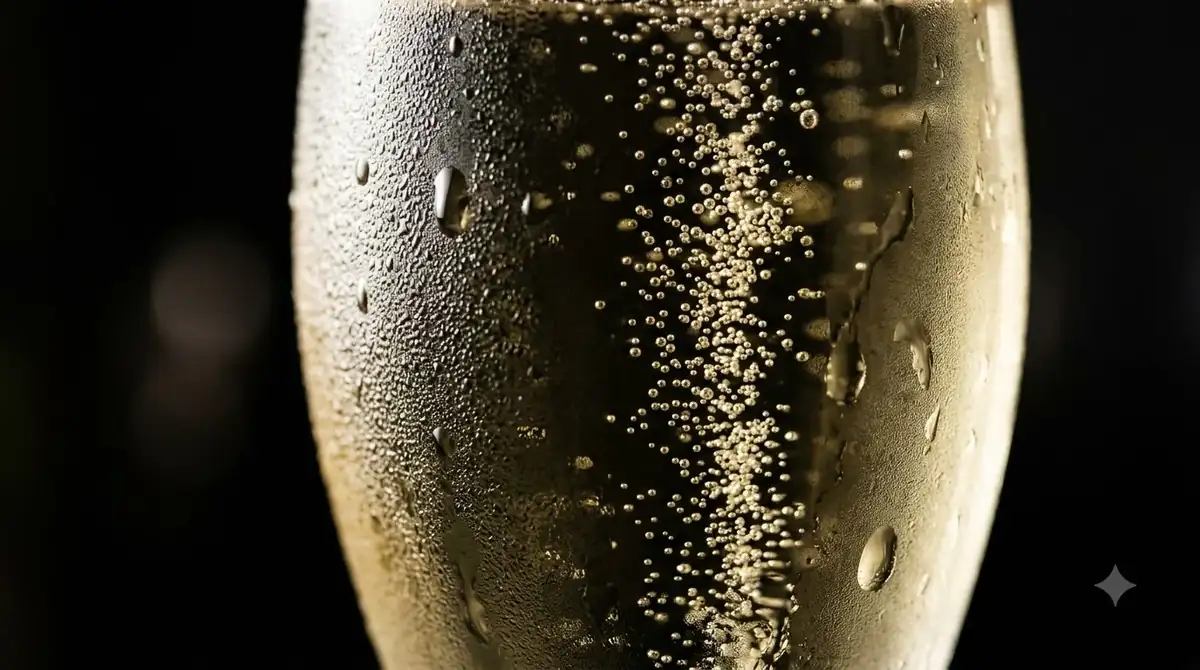
Gruet is a leading name for sparkling wine in the state. Tourism Santa Fe reports that the winery specializes in méthode champenoise sparkling wines made principally from New Mexico grapes, and its Santa Fe tasting room provides a city-based way to explore that style. Traditional-method sparkling wine undergoes its second fermentation in the bottle, creating the fine bubbles associated with Champagne-style production. New Mexico’s elevation range also matters: Vivác is at about 6,000 feet and Las Nueve Niñas at 7,600 feet, compared with the warmer desert environment in the south. Ask producers how elevation, valley exposure, and grape choice influence ripening and acidity.
Compare wines by structure as well as grape name. A dry white with brisk acidity can suit green chile dishes, seafood, or fresh cheeses, while a softer red can work with grilled vegetables, lamb, or slow-cooked meats. With pronounced chile heat, choose a wine with moderate alcohol and avoid a highly tannic red, since alcohol and tannin can intensify the sensation of spice. For dessert, select a wine at least as sweet as the dish rather than expecting a dry wine to balance a very sweet finish.
Planning the Route, Harvest Season, and Tasting Day
The best route depends on how much time you have and whether you want vineyards, urban tasting rooms, or harvest scenery. Because harvest progresses across changing elevations, a statewide itinerary generally makes more sense from south to north than as repeated long drives between distant areas.
The New Mexico Tourism Department describes harvest as a two-to-three-month period that typically unfolds from August through October. Its suggested route begins around Sombra Antigua and Amaro in the south, moves toward Albuquerque’s South Valley and the middle Rio Grande, then continues to Vivác in Dixon and Black Mesa in Velarde. Treat this as a seasonal framework, not a promise that every winery will be harvesting or open for walk-in tastings on a particular date.
| Route or planning point | Verified scale | Best use |
|---|---|---|
| Corrales Wine Loop | 3 wineries; about 20 minutes from downtown Albuquerque | A compact central-region outing |
| Rio Rancho and Sandoval County | 7 wineries total; 6 less than 20 minutes from central Rio Rancho | A flexible add-on from an Albuquerque-area base |
| Statewide harvest window | Typically 2 to 3 months, August through October | A south-to-north seasonal road trip |
| Vivác Winery | About 6,000 feet in elevation | A northern high-altitude winery visit |
Build each day around a small geographic cluster: two Las Cruces-area wineries and a meal in Mesilla, the Corrales loop or a couple of Albuquerque tasting rooms, or a northern drive to Dixon, Embudo, and Velarde. Confirm opening days, tasting hours, reservation rules, and food availability before setting out. Small producers may have limited public hours or require advance notice, and a directory listing is not a guarantee of daily tasting service.
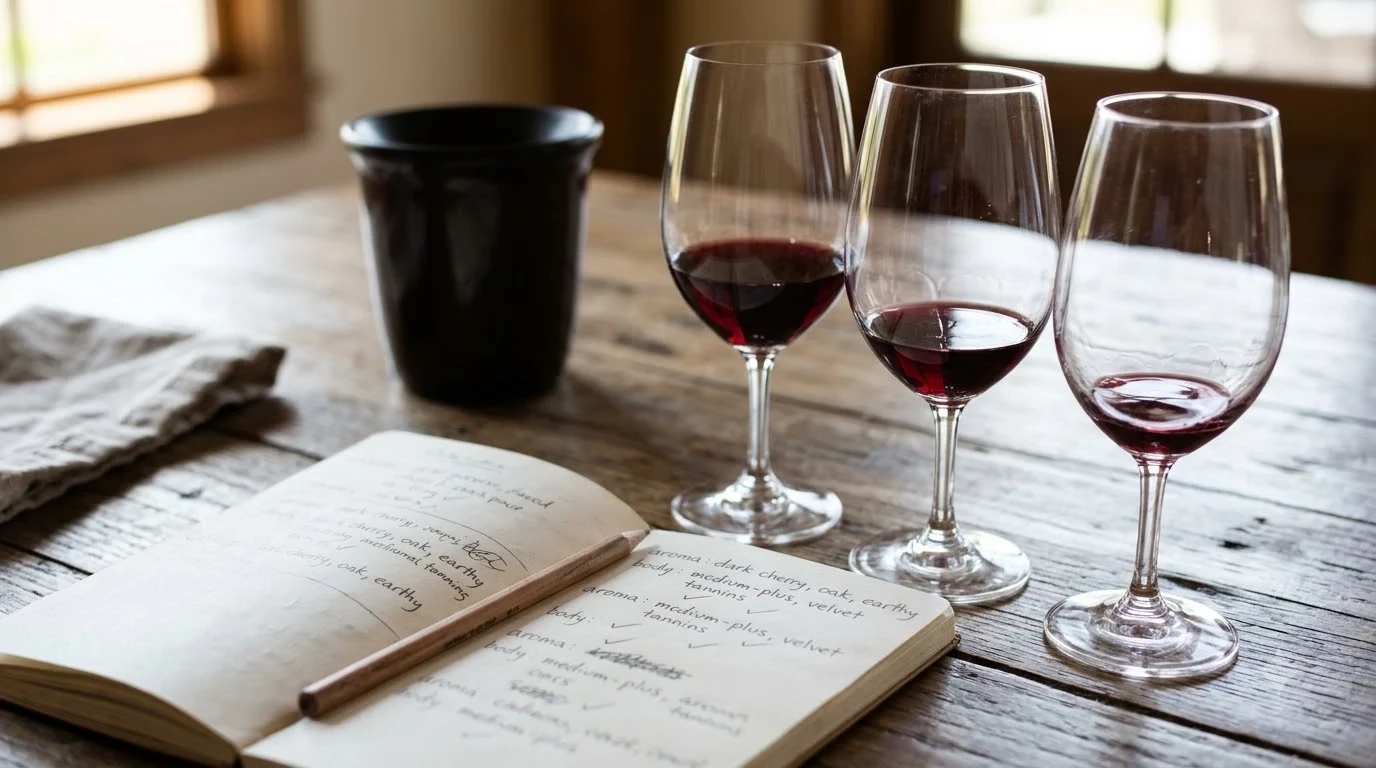
Tip: Choose a designated driver before the first tasting, keep the day’s route within one region, and book appointments for smaller wineries. Allow generous time between stops and record each producer, grape, vintage, and style you liked.
Serve bottles at suitable temperatures rather than pouring every wine at room temperature: sparkling wines generally suit 40–50°F, light whites and rosés 45–50°F, full-bodied whites 50–55°F, and light reds 55–60°F. A 5-ounce pour is a useful tasting reference, and a 750-milliliter bottle provides about five such glasses. Refrigerate opened still wines and aim to finish them within three to five days; store unopened bottles on their sides in a cool place near 55°F. A young, full-bodied red may benefit from 30 to 60 minutes of decanting.
Frequently Asked Questions
These practical details can help refine a New Mexico itinerary, especially for visitors adding Santa Fe or the High Road to a winery-focused trip.
Where can I taste Gruet sparkling wine in Santa Fe?
Tourism Santa Fe lists Gruet’s Santa Fe tasting room at Hotel St. Francis, 210 Don Gaspar Avenue, near the historic Plaza. The guide notes that the winery was founded by Gilbert Gruet in 1984, bringing a Champagne-house background to its New Mexico sparkling-wine program.
Which grape varieties can I find at Las Nueve Niñas Winery?
Tourism Santa Fe lists Capulin, Tempranillo, Dona Tulles table reds, and Riesling among the Mora winery’s pours. That range gives visitors a chance to compare familiar European varieties with a New Mexico-specific selection.
What food can accompany a tasting at Vivác Winery?
Tourism Santa Fe says some Vivác tasting options include savory treats or chocolates made by Liliana Padberg under the Ek.chuah name. These additions can turn a quick pour into a more leisurely tasting stop.
Which northern winery grows Pinot Noir and Riesling?
Embudo Valley Vineyards and Winery in Rinconada has planted Pinot Noir and Riesling in addition to its Baco Noir vines. Tourism Santa Fe describes the property as part of a 25-acre cultivated farm along the Rio Grande.
Are there Santa Fe tasting rooms that serve food?
Ahymo Wine Garden on historic Canyon Road serves New Mexico selections that include Vivác and Gruet, along with sandwiches, salads, and sweets. Tourism Santa Fe describes it as a gallery-like space with a shady back patio, making it an option for visitors who prefer a city stop to a vineyard drive.
The New Mexico Wine Trail is most rewarding when approached as several distinct regional experiences rather than a race to visit every winery. Choose a base, plan a realistic cluster of stops, and leave room for the landscapes and local communities that make each part of the state different.
More in Wine Regions
 Willcox Wine Trail: Discover Arizona’s High-Elevation Wine CountryUpdated Nov 20, 2026
 Yakima Valley Wine Region: Find the Best Styles to TryUpdated Nov 20, 2026
 Vosne Romanee Wine Tasting: Identify Aromas and Choose Better PairingsUpdated Nov 20, 2026
 Yakima Valley Wine Festival: Find the Best Seasonal Wine EventsUpdated Nov 20, 2026
 Wales Vineyards: Discover Cool-Climate Wines and Where to VisitUpdated Nov 20, 2026
 Yountville Wine Festival: Discover Napa Wines and Local FoodUpdated Nov 20, 2026