

We may earn a commission when you buy through links on this page, at no extra cost to you. Learn more.
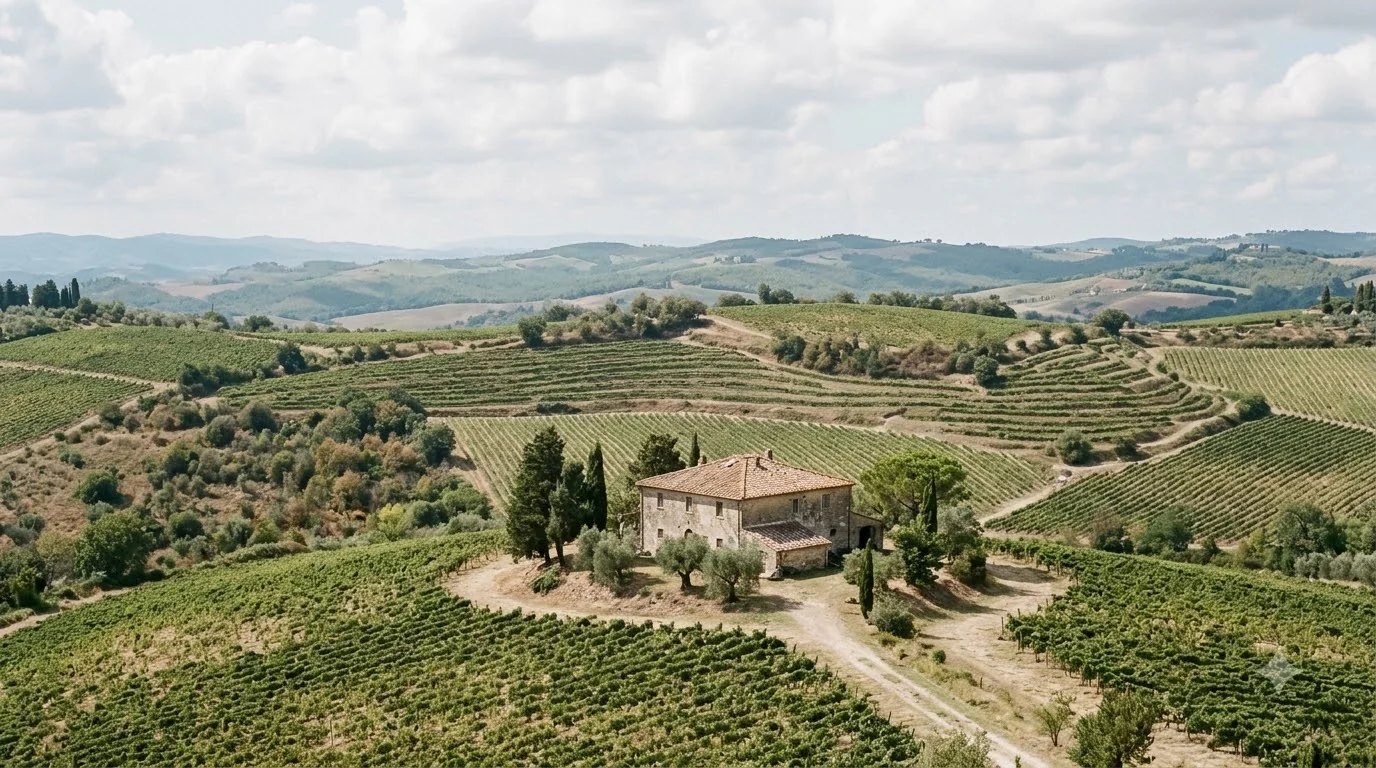
The orange wine region is a cool-climate wine-producing area in New South Wales, Australia, known for high-altitude vineyards, volcanic soils, fresh Chardonnay, aromatic Sauvignon Blanc and distinctive Shiraz. Located west of Sydney, the region surrounds the city of Orange and extends across parts of the Orange, Cabonne and Blayney local government areas. Its vineyards sit at elevations starting around 600 meters, with some reaching approximately 1,390 meters above sea level. This combination of altitude, cool nights and varied soils produces wines with fresh acidity, defined fruit flavors and a broad range of styles.
Orange has developed a reputation as one of Australia’s distinctive cool-climate wine destinations. Although the district has a long agricultural history, its modern wine industry took shape around 1980. Today, its producers work with established international varieties alongside increasingly interesting Italian and Spanish grapes. Understanding the region’s geography, climate and vineyard differences makes it easier to recognize what distinguishes its wines and which bottles are worth exploring.
Where the Orange Wine Region Is Located
The Orange wine region occupies part of New South Wales’ Central Ranges, west of Sydney. Its geographical boundaries are particularly important because the official wine-growing area is defined by elevation rather than simply by proximity to the city of Orange.
The regional boundary includes qualifying land above 600 meters in the local government areas of Orange, Cabonne and Blayney. This distinction means that not every vineyard or wine business in the surrounding Central West automatically qualifies as part of the Orange Geographical Indication. The elevation requirement helps establish the region’s recognizable cool-climate identity.
According to Wine Australia, the GI covers approximately 3,422 square kilometers and contains around 1,075 hectares of vineyards. Its location is roughly three and a half hours west of Sydney by road, making it accessible for visitors looking for a countryside wine destination without traveling to Australia’s more distant wine-growing states.
The landscape is dominated by Mount Canobolas, an ancient volcanic formation rising to approximately 1,395 meters. Known by its Aboriginal name, Gaanha-bula, the mountain influences local soils, vineyard elevation and the distribution of growing conditions. Vineyards extend across surrounding slopes, valleys and rolling agricultural land rather than occupying one continuous flat vineyard plain.
Orange is also part of a broader agricultural district. Apples, cherries, berries and stone fruit are important regional products, and the area’s food culture complements its wine industry. This agricultural diversity helps explain why visitors can combine cellar-door visits with restaurants, orchards, local markets and seasonal food events.
Nearby wine-producing districts include Mudgee, Cowra and Bathurst, but their geographical conditions differ. Orange’s defining 600-meter elevation threshold gives it a particularly recognizable relationship with cooler temperatures and slower grape development.
For readers exploring Australian and international wine geography, the region provides an interesting comparison with the Tasmania wine region, another Australian destination where cool conditions play an important role in wine style.
Climate, Elevation and Growing Conditions
Altitude is one of the most important influences on Orange wine. Vineyards at 600 meters experience different temperatures and ripening conditions from those approaching 1,000 meters, allowing producers to grow several varieties and develop different wine styles within the same GI.
Wine Australia’s Orange regional profile places vineyards between approximately 600 and 1,390 meters above sea level. The growing season features mild to warm daytime temperatures, cool nights and relatively dry autumn conditions. Midsummer temperatures seldom exceed 32 degrees Celsius, although individual vineyard conditions can vary considerably with elevation and exposure.
Cool nights help grapes retain natural acidity as they ripen. This is particularly useful for varieties such as Chardonnay, Sauvignon Blanc, Riesling and Pinot Noir, where freshness and aromatic definition are important characteristics. The resulting wines can combine ripe fruit flavors with a lively structure rather than relying entirely on richness or high alcohol.
Orange360 describes a useful local rule of thumb: growing-season temperatures can decrease by approximately one degree Celsius for every 100 meters of additional elevation. This is a general guide rather than a precise prediction for every vineyard, but it illustrates why relatively small differences in altitude can influence grape selection.
Growing-season rainfall averages approximately 429 millimeters according to Wine Australia’s regional information. Rainfall is concentrated more heavily in winter and spring, while February, March and April are among the driest months. Supplementary irrigation can therefore be important, depending on vineyard conditions and seasonal rainfall.
Higher elevations also introduce challenges. Spring frost can damage developing buds, while hail can threaten fruit and foliage. Wind sometimes reduces frost risk, but it can interfere with flowering and fruit set in sensitive varieties such as Merlot. These conditions make vineyard management and careful site selection especially important.
The difference between warmer and cooler vineyard sites is reflected in the finished wines. Lower, warmer locations can produce fuller-bodied reds and richer whites. Higher slopes generally favor aromatic whites, more delicate Pinot Noir and grapes intended for sparkling wine production.
| Regional characteristic | Typical figure or detail |
|---|---|
| State | New South Wales, Australia |
| Wine-growing elevation | 600–1,390 meters |
| GI area | Approximately 3,422 square kilometers |
| Vineyard area | Approximately 1,075 hectares |
| Growing-season rainfall | Approximately 429 millimeters |
| Typical midsummer temperature | Seldom above 32°C |
| Commercial wine focus | Established around 1980 |
| GI registration | 1996 |
These figures provide a useful regional overview, but they should not be treated as a guarantee that every vineyard experiences identical conditions. A Chardonnay from a sheltered 650-meter site can have a different balance of ripeness and acidity from one grown on a much cooler mountain slope.
Tip: When comparing Orange wines, look for vineyard elevation and producer information. A wine from a higher Mount Canobolas vineyard may emphasize aromatic freshness, while one from a warmer lower-elevation site may offer more generous fruit and body.
Soils and the Influence of Mount Canobolas
Orange has a varied geological landscape shaped partly by ancient volcanic activity and the area’s more complex geological history. Basalt-derived soils near Mount Canobolas are particularly important, but clay loams, shale, gravel and limestone-associated soils also contribute to vineyard differences.
Mount Canobolas is an ancient volcano whose weathered basalt has created deep red-brown soils in parts of the district. These soils can be relatively rich and fertile, encouraging vine growth and requiring producers to manage canopy development carefully. Soil fertility, drainage and water availability all influence the way vines develop during the growing season.
Wine Australia identifies four broad soil groupings across the region:
- Basalt-derived clays: Deep red-brown, friable and well-drained soils found near Mount Canobolas.
- Mixed-origin clay loams: Red-brown and yellow-brown soils that can include volcanic ash and support considerable vine vigor.
- Podzolic clay loams: Medium-vigor soils over clay and shale, sometimes containing gravel that improves drainage.
- Terra rossa: Patches of red soil associated with visible limestone in lower-elevation locations.
These differences matter because grapevines respond to soil depth, drainage, nutrient availability and water retention. A deep, fertile soil can encourage vigorous growth, while a shallower or less fertile site may naturally limit vine development. Neither condition automatically guarantees better wine; the suitability of a site depends on the grape variety, climate and vineyard management.
The wider geology also includes limestone exposures, shale, slate and greywacke. These geological features create a more complicated growing environment than the simple description of Orange as a volcanic-soil region might suggest.
Topography is equally significant. Exposed ridges, sheltered valleys and slopes with different aspects experience varying levels of sunlight, wind and temperature. Vineyards facing warmer afternoon conditions can be suitable for varieties that need additional heat to ripen, while cooler exposures may preserve delicate aromatic characteristics.
The result is a region where vineyard identity matters. Two wines made from the same grape variety can differ noticeably because their grapes were grown at different elevations, on different soil types or under different patterns of sunlight.
This combination of geological and climatic diversity is one reason Orange supports such a broad selection of grape varieties rather than specializing in only one traditional wine style.
The Main Grape Varieties Grown in Orange
Orange produces both red and white wines, with Shiraz, Chardonnay, Cabernet Sauvignon and Sauvignon Blanc among its leading varieties. Pinot Noir, Pinot Gris and Riesling also have established places in the region, while newer plantings are expanding its range.
According to the NSW Wine regional overview, regional red-variety plantings are led by Shiraz at approximately 27%, followed by Cabernet Sauvignon at 14%, Merlot at 12% and Pinot Noir at 5%. Among white grapes, Chardonnay accounts for approximately 15%, Sauvignon Blanc 11%, Pinot Gris 6% and Riesling 3% of regional plantings in its published breakdown.
Shiraz
Shiraz is Orange’s most widely planted grape. The variety can produce medium to full-bodied wines with concentrated fruit, vibrant color and a recognizable Australian character. Compared with examples from hotter Australian regions, cooler Orange sites can emphasize freshness and more restrained ripeness.
Typical flavor descriptions include cherry, plum, dark berries and sometimes chocolate or spice. Tannin levels are generally medium-plus to high, making the wines suitable for dishes with enough protein and fat to soften their structure.
Chardonnay
Chardonnay is one of the region’s strongest white-wine varieties. Orange producers make styles ranging from crisp, restrained wines to fuller examples with greater texture and richness. The grape’s ability to perform across different elevations makes it especially versatile.
Cooler sites can emphasize citrus, apple and freshness, while warmer locations may develop more generous stone-fruit characteristics. Oak treatment and winemaking choices further influence whether the final wine feels lean, creamy, restrained or full-bodied.
Wine Australia notes that carefully made regional Chardonnay can respond well to four to five years of medium-term cellaring. This makes selected bottles interesting options for collectors who enjoy observing how acidity, fruit and texture develop over time.
Sauvignon Blanc
Orange Sauvignon Blanc is associated with aromatic freshness and strong tropical-fruit flavors. Citrus, passion fruit, fresh herbs and other expressive aromas can feature, depending on the vineyard and winemaking approach.
The variety’s naturally high acidity makes it especially useful alongside seafood, salads and dishes with fresh herbs. Its freshness can also balance foods with citrus-based dressings.
Cabernet Sauvignon and Merlot
Cabernet Sauvignon produces structured red wines with dark-fruit character and substantial tannin. Blackcurrant, blackberry, cedar and herbal notes are familiar descriptors. Merlot is generally softer, with medium tannin and approachable plum and red-fruit characteristics.
Orange producers often blend the two varieties. Wine Australia describes regional Cabernet Sauvignon and Merlot blends as medium-bodied wines with fine tannins, earthy and herbaceous notes, and dark-berry sweetness. Their temperate character distinguishes them from some richer, hotter-climate Australian red blends.
Pinot Noir, Pinot Gris and Riesling
Pinot Noir is particularly interesting at higher elevations, where cooler conditions can help maintain its delicate aromas and acidity. Typical flavors include cherry, raspberry, strawberry and subtle earthy notes. Its relatively low-to-medium tannin makes it more flexible with food than heavily structured reds.
Pinot Gris provides another white-wine option, usually emphasizing pear, apple and sometimes richer stone-fruit flavors. Riesling can offer citrus, floral aromas and high acidity, making it a useful choice for people who enjoy precise, refreshing white wines.
Wine Styles and What to Expect in the Glass
Orange is not defined by a single signature wine. Its range of elevations, exposures and grape varieties creates everything from crisp aromatic whites to structured reds and traditional-method sparkling wines.
White wines are an important part of the region’s identity. Chardonnay can be fresh and citrus-driven or broader and more textured. Sauvignon Blanc generally emphasizes aromatics and fruit, while Riesling and Pinot Gris provide additional styles for people who prefer lively acidity and expressive aromas.
Red wines are equally important. Shiraz can offer ripe cherry and plum flavors with spice and structured tannins. Cabernet Sauvignon tends to provide firmer structure, while Merlot can give blends a softer texture. Pinot Noir offers a lighter-bodied alternative, especially from cooler vineyard locations.
Some producers also make rosé, sparkling wine and alternative-variety bottlings. Pinot Noir and Chardonnay are suitable grapes for sparkling production, particularly at cooler elevations where acidity is valuable. These wines provide an additional expression of the district’s climate rather than simply replicating the style of its still wines.
Traditional-method sparkling wine undergoes its second fermentation in the bottle, creating its bubbles. This is different from the tank method commonly associated with Prosecco, which uses Glera as its principal grape. Orange producers exploring sparkling styles can draw on the acidity and fruit quality available from suitable cool-climate vineyards.
Alternative varieties add another dimension. Italian grapes such as Nebbiolo, Sangiovese, Barbera, Arneis and Montepulciano have been planted alongside Spanish Tempranillo and French Cabernet Franc. These grapes can help producers explore styles that differ from the familiar Australian Shiraz and Chardonnay combination.
For drinkers accustomed to traditional Australian wine styles, Orange is an opportunity to explore more restrained expressions without giving up fruit intensity. Its cooler conditions can produce wines with a balance of ripe flavors, fresh acidity and moderate body.
When comparing bottles, consider the variety first, then the vineyard’s elevation and the producer’s winemaking approach. These three details often explain more about the likely style than the regional name alone.
Food Pairing and Serving Orange Wines
Orange wines are generally versatile at the table because the region produces both fresh, high-acid whites and structured reds. Matching the wine’s body, acidity and tannin to the food is more useful than relying on the region’s name alone.
Pairing Chardonnay and Sauvignon Blanc
Fresh Orange Chardonnay works well with roast chicken, grilled fish, pork, mushroom dishes and creamy pasta. A lighter, unoaked example can complement delicate seafood, while a richer Chardonnay is better suited to dishes with butter, cream or roasted vegetables.
Sauvignon Blanc is a natural choice for oysters, prawns, grilled white fish, goat cheese and salads containing citrus or fresh herbs. Its high acidity can balance dishes with similarly bright ingredients.
For dishes featuring lemon, vinegar or other acidic ingredients, choose a wine with equal or higher acidity. Otherwise, the wine can taste flat beside the food. This makes Sauvignon Blanc and Riesling useful choices for many citrus-heavy meals.
Pairing Shiraz and Cabernet
Orange Shiraz can accompany grilled lamb, beef, barbecued vegetables, mushroom dishes and slow-cooked meat. Its tannins work well with protein and fat, which soften the sensation of astringency.
Cabernet Sauvignon is a good match for grilled steak, roast beef and lamb. Its higher tannin level benefits from foods containing protein and some fat. Merlot-based blends offer a softer alternative for roast pork, meatloaf and tomato-based dishes.
Pinot Noir works particularly well with roast chicken, duck, pork, mushrooms and salmon. Its lower tannin and relatively high acidity make it more adaptable than many heavier red wines.
Serving Temperatures
Serving temperature influences how a wine’s aromas, acidity and alcohol are perceived. White wines served too warm can seem heavy, while reds served too warm can feel overly alcoholic and less balanced.
- Sparkling wines: 40–50°F.
- Light whites and rosé: 45–50°F.
- Full-bodied whites: 50–55°F.
- Light reds: 55–60°F.
- Full-bodied reds: 60–65°F.
Most Orange Sauvignon Blanc and lighter Chardonnay benefit from a cool serving temperature. Fuller Chardonnay can be served slightly warmer to reveal more texture and aroma. Pinot Noir is generally best slightly cooler than a full-bodied Shiraz or Cabernet Sauvignon.
Practical Food Pairing Examples
For a straightforward dinner, consider these combinations:
- Orange Sauvignon Blanc with grilled prawns and lemon.
- Chardonnay with roast chicken and creamy mushrooms.
- Riesling with spicy Asian-inspired dishes, provided the wine has enough sweetness to balance the heat.
- Pinot Noir with duck breast and roasted mushrooms.
- Shiraz with grilled lamb and rosemary.
- Cabernet Sauvignon with a fatty beef roast.
Be cautious with very spicy food when serving high-alcohol, tannic reds. Chili heat can become more pronounced alongside alcohol and tannin. A fresh white or a slightly sweet Riesling is often a better choice for particularly hot dishes.
Orange Wine History, Producers and Visiting the Region
Orange’s modern wine industry is relatively young compared with some established Australian wine districts, but the region has a longer agricultural history. Its development reflects a combination of local farming experience, investment in suitable vineyard sites and growing recognition of cool-climate Australian wine.
Fruit orchards were important to Orange from the nineteenth century, with apples, cherries and stone fruit establishing the area’s agricultural reputation. Vineyards appeared during the 1920s, but the emphasis shifted toward commercial wine-grape production around 1980.
Early modern plantings included vineyards around Nashdale and Millthorpe. Local families and independent producers helped develop the industry during the following decade. The establishment of larger vineyard operations also brought greater attention to Orange as a source of premium grapes.
One important development was the planting of Philip Shaw’s 47-hectare Koomooloo vineyard. Its fruit initially supplied Rosemount before Philip Shaw Wines was launched in 2004. This history illustrates the role of experienced winemakers in helping establish Orange’s reputation.
The Orange GI was registered in 1996, and the first Orange Wine Show was held in 2002. These developments gave the region a more clearly defined identity and a framework for promoting its distinctive growing conditions.
Orange360 describes a regional industry with more than 80 vineyards and over 30 cellar doors. Visitors can explore a range of independent producers, vineyard restaurants and tasting experiences.
Producers and Cellar Doors to Explore
Several established names help illustrate the region’s diversity:
- Philip Shaw Wines: Associated with the Koomooloo vineyard and the development of the region’s modern premium-wine reputation.
- Canobolas Wines: An established producer founded by Murray Smith and his family in 1986, known for an artisanal approach and distinctive regional bottlings.
- De Salis Wines: Known for French grape varieties and vineyard sites on the slopes of Mount Canobolas.
- Printhie Wines: A regional producer offering a range of wines and a dining experience.
- Ross Hill Wines: A recognized Orange producer with a varied range of regional wines.
- Swinging Bridge: Another name worth exploring for its selection of Orange wines.
Each producer offers a different way to understand the area’s growing conditions. Comparing a high-altitude Pinot Noir with a fuller-bodied Shiraz, for example, can demonstrate the influence of vineyard location more clearly than tasting several similar wines together.
Visitors should also explore the town of Orange itself. The area combines cellar doors with restaurants, heritage streetscapes, orchards and seasonal food experiences. Its agricultural identity makes the destination especially appealing to people interested in regional produce as well as wine.
A guided wine tour can be useful for visitors who want to compare several vineyards without driving between them. The Ferment the Orange Wine Centre also provides a central tasting option featuring wines from different regional producers.
For travelers interested in comparing different mountain-influenced wine districts, the Savoie wine region offers another useful example of how elevation, geography and climate influence grape growing.
Orange is best approached as a region of varied vineyard expressions rather than a destination with one uniform style. A tasting that includes Chardonnay, Sauvignon Blanc, Shiraz and Pinot Noir offers a good introduction to its range.
How to Choose and Store Orange Wines
Choosing an Orange wine is easier when you start with the grape variety and the style of wine you enjoy. The region offers enough diversity to accommodate people who prefer crisp whites, elegant reds, fuller-bodied wines and sparkling bottles.
For a fresh white, begin with Sauvignon Blanc or a lighter Chardonnay. Sauvignon Blanc is particularly suitable if you enjoy pronounced aromatics and high acidity, while Chardonnay provides a broader range of textures. If you prefer citrus-driven wines with a more pronounced acidic structure, Riesling is another variety to consider.
For red-wine drinkers, Shiraz provides a good introduction to the regional identity. Look for a bottle from a cooler site if you prefer freshness and moderate body. Choose Cabernet Sauvignon for more pronounced tannin and structure, or Pinot Noir for a lighter red with delicate fruit and acidity.
Alternative varieties are worth exploring once you are familiar with the main grapes. Nebbiolo offers firm tannins and high acidity, Sangiovese can deliver bright red-fruit character, and Barbera is generally recognized for its lively acidity and relatively moderate tannin. These varieties show how Orange’s diverse conditions support more than traditional Australian grape selections.
Storage is important if you plan to keep bottles for several years. Store unopened wine in a cool, dark location near 55°F, with minimal temperature fluctuation. Bottles sealed with natural cork are generally stored on their sides to keep the cork from drying out.
Selected Orange Chardonnay can be suitable for four to five years of medium-term cellaring, according to Wine Australia. Other wines have different aging potential depending on their acidity, tannin, concentration, production method and closure.
Once opened, keep still wines refrigerated and generally aim to finish them within three to five days. Sparkling wine usually retains its best qualities for approximately one to three days with an appropriate sparkling-wine stopper. Fortified wines can last several weeks after opening, depending on style and storage conditions.
For young, full-bodied reds with substantial structure, decanting for approximately 30 to 60 minutes can help expose the wine to oxygen and open up its aromas. Lighter Pinot Noir and fresh whites generally do not require the same treatment.
When buying a bottle for a particular meal, consider the wine’s sweetness, acidity and tannin alongside the food. A wine should be at least as sweet as the dessert served with it, while salty and fatty foods can make tannic reds feel softer. These principles make it easier to choose Orange wines for both everyday meals and more elaborate occasions.
To explore more destinations and understand how geography shapes the wines in your glass, visit our broader collection of Wine Regions.
Frequently Asked Questions
Is Orange a protected Australian wine region?
Yes. Orange is a registered Australian Geographical Indication, with registration dating to 1996. Its defining boundary uses an elevation requirement of 600 meters within the Orange, Cabonne and Blayney local government areas, rather than simply including every vineyard around the city.
Can Orange wines be made from organically grown grapes?
Yes. Organic and biodynamic viticulture are part of the region’s broader wine-growing landscape. Individual certification and farming practices vary by producer, so buyers interested in these methods should look for the relevant certification or producer information.
Does Orange produce wines suitable for long-term aging?
Selected wines can develop with bottle age, particularly structured reds and carefully made Chardonnay. Wine Australia identifies four to five years as a useful medium-term cellaring period for suitable regional Chardonnay. More extended aging depends on the individual wine’s structure, concentration and producer’s recommendations.
What is the Orange Wine Show?
The Orange Wine Show is a regional wine competition established to recognize and assess wines associated with the district. Its first judging took place in 2002. The event contributes to the region’s wine culture and provides an opportunity to recognize the work of local producers.
Which alternative grape varieties are emerging in Orange?
Producers are exploring varieties including Arneis, Verduzzo, Montepulciano, Nebbiolo, Sangiovese, Barbera and Tempranillo. These grapes broaden the region’s wine selection beyond Chardonnay, Shiraz and Cabernet Sauvignon. Their suitability varies according to vineyard elevation, exposure and seasonal conditions.
The Orange wine region demonstrates how altitude, volcanic geology and cool growing conditions can create a distinctive Australian wine identity. Its Chardonnay, Shiraz, Sauvignon Blanc and Pinot Noir offer excellent starting points, while its alternative varieties reward further exploration. Whether choosing bottles for dinner or planning a visit to New South Wales, Orange is a region worth discovering through its diverse vineyards and expressive wines.
More in Wine Regions
 Willcox Wine Trail: Discover Arizona’s High-Elevation Wine CountryUpdated Nov 20, 2026
 Yakima Valley Wine Region: Find the Best Styles to TryUpdated Nov 20, 2026
 Vosne Romanee Wine Tasting: Identify Aromas and Choose Better PairingsUpdated Nov 20, 2026
 Yakima Valley Wine Festival: Find the Best Seasonal Wine EventsUpdated Nov 20, 2026
 Wales Vineyards: Discover Cool-Climate Wines and Where to VisitUpdated Nov 20, 2026
 Yountville Wine Festival: Discover Napa Wines and Local FoodUpdated Nov 20, 2026