

We may earn a commission when you buy through links on this page, at no extra cost to you. Learn more.
Nuits Saint Georges wine tasting reveals structured, full-bodied Burgundy Pinot Noir with flavors of cherry, blackcurrant, spice, and earthy complexity. Located in the Côte de Nuits, this historic appellation produces predominantly red wines from Pinot Noir, with a smaller selection of Chardonnay-based whites. Its 41 Premier Cru climats offer distinctive expressions of limestone, marl, and clay soils, making it an especially rewarding destination for understanding how individual vineyard sites influence Burgundy wine.
Nuits-Saint-Georges occupies an important position in the Burgundy wine landscape, combining a lively wine-producing town with vineyards that stretch across varied slopes south of Vosne-Romanée. The appellation has a reputation for firm structure, concentrated fruit, and wines that can develop remarkable complexity with age. Whether you are planning a tasting in Burgundy, comparing village and Premier Cru bottlings, or choosing a bottle for dinner, understanding its geography, grape varieties, and characteristic flavors will make every glass more interesting.
Understanding the Nuits-Saint-Georges Appellation
Nuits-Saint-Georges is a Village-level appellation in Burgundy’s Côte de Nuits, officially recognized in 1936. Its vineyards produce mostly red Pinot Noir, although a small amount of white wine is also made, giving visitors an opportunity to explore more than one interpretation of the local terroir.
The appellation takes its name from the town of Nuits-Saint-Georges in the Côte-d’Or department of eastern France. Its official production area also includes Premeaux-Prissey, a neighboring commune whose vineyards contribute to the appellation’s diversity. Together, these areas form an important part of the northern Burgundy wine landscape, between Vosne-Romanée to the north and the southern reaches of the Côte de Nuits.
One of the most important details to understand is the distinction between the regional hierarchy and the individual vineyard classifications. Burgundy uses a system that identifies wines by their geographic origin, with regional appellations, Village appellations, Premier Cru vineyards, and Grand Cru vineyards occupying different positions.
Nuits-Saint-Georges is a Village appellation with 41 officially recognized Premier Cru climats. Despite its international reputation, the appellation has no Grand Cru vineyards. This does not mean its best wines are unremarkable. Several individual Premier Cru sites produce wines with considerable concentration, depth, and aging potential.
Look for these three principal labeling categories when comparing bottles:
- Nuits-Saint-Georges: Village-level wine made from grapes grown within the appellation’s approved production area.
- Nuits-Saint-Georges Premier Cru: Wine from an officially classified Premier Cru vineyard that meets the applicable production requirements.
- Nuits-Saint-Georges Premier Cru followed by a climat name: A more specific indication of the vineyard origin, such as Les Saint-Georges or Les Vaucrains.
The climat name is especially useful for a comparative tasting. Two bottles from different Premier Cru vineyards can share the same grape variety and appellation while displaying different balances of fruit, structure, and texture. Producer decisions, vintage conditions, and vineyard location all contribute to those differences.
The town itself also has a strong wine identity. The Confrérie des Chevaliers du Tastevin, a well-known Burgundy wine brotherhood, was founded there in 1934. The town’s long connection with wine production makes it a natural starting point for visitors exploring the Côte de Nuits.
Terroir, Vineyard Geography, and Premier Cru Sites
The defining feature of Nuits-Saint-Georges is its diversity of vineyard conditions. Limestone, marl, clay, gravel, and slope deposits vary across the appellation, while differences between northern and southern sites create distinct expressions of Pinot Noir.
The vineyards generally face east or southeast. This orientation provides useful morning sunlight and supports grape ripening while the limestone-rich geology and varied soil depths influence drainage and vine development. The official appellation description identifies two broad vineyard sectors, separated by the valley of the Meuzin River and the town itself.
In the northern sector, closer to Vosne-Romanée, soils include limestone-derived deposits, gravel, and material that has moved down the slopes over time. Some lower sites also receive alluvial influences from the Meuzin valley. These differences can affect the depth of the soil, water availability, and the way vines develop throughout the growing season.
Southern vineyards display another combination of conditions. Lower slopes can have deeper marl-limestone soils, while upper slopes approach the underlying rock and have shallower, stonier ground. These variations help explain why wines from different parts of the appellation can feel quite different even when made from the same grape.
For wine tasting, it is useful to compare the broad characteristics of the northern and southern sectors without assuming that every vineyard follows exactly the same pattern.
| Vineyard characteristic | Northern sector | Southern sector |
|---|---|---|
| General soil influences | Limestone-derived deposits, gravel, and slope material | Marl-limestone, clay, and rocky soils |
| Lower-slope conditions | Some alluvial influences from the Meuzin valley | Deeper soils associated with the Vallerots valley |
| Upper-slope conditions | More limestone and stony material | Shallow soils closer to the underlying rock |
| Common vineyard exposure | East and southeast | East and southeast |
| Important Premier Cru examples | Aux Boudots, Les Damodes, Aux Chaignots | Les Saint-Georges, Les Vaucrains, Les Cailles |
The 41 Premier Cru climats are central to the appellation’s identity. Among the names worth recognizing are Les Saint-Georges, Les Vaucrains, Les Cailles, Les Pruliers, Les Porrets-Saint-Georges, and Aux Boudots. Each identifies a specific vineyard area rather than a grape variety or winemaking technique.
Les Saint-Georges is particularly famous among Burgundy enthusiasts. Its name appears frequently in discussions about the appellation’s finest terroirs. Les Vaucrains is another important site to recognize, while Aux Boudots provides a useful reference point for exploring the northern end of the appellation.
These vineyards should not be treated as interchangeable. Soil depth, slope position, exposure, drainage, vine age, and producer choices all contribute to the final wine. A comparative tasting of two Premier Cru bottles from different climats can therefore be more revealing than simply comparing a Premier Cru with a Village bottling.
Tip: For a meaningful terroir comparison, taste two wines from the same vintage and producer, one from a northern Premier Cru such as Aux Boudots and another from a southern site such as Les Vaucrains. Keeping the producer and vintage consistent helps make vineyard differences easier to recognize.
Pinot Noir Flavors, Structure, and Tasting Characteristics
Red Nuits-Saint-Georges is primarily Pinot Noir, a grape that combines red-fruit aromas with acidity, moderate color extraction, and a structure that can become more complex with age. The appellation’s wines are often more firmly structured than the lightest expressions of Burgundy Pinot Noir.
A typical young bottle shows a deep ruby or purple-red color. Its aromas can include cherry, strawberry, blackcurrant, and other dark or red fruits. Depending on the producer and vineyard, additional notes may include cinnamon, clove, pepper, and subtle woody characteristics from oak aging.
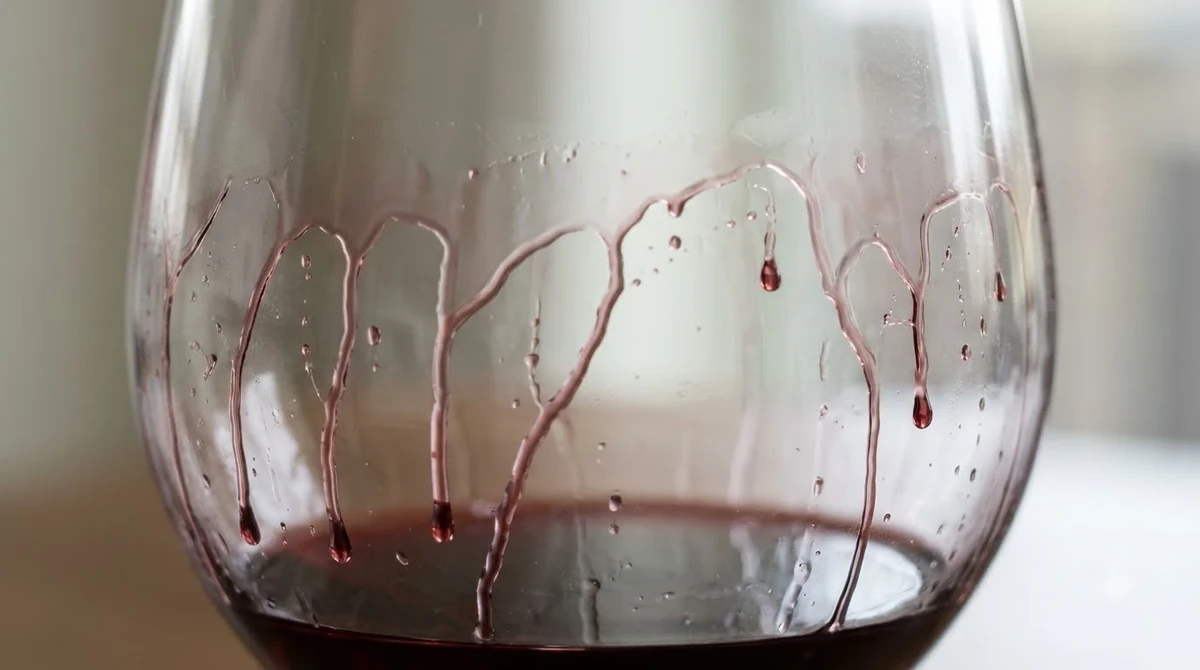
The palate often feels concentrated, with noticeable tannin and a persistent finish. Tannin provides the drying sensation along the gums, while acidity gives the wine freshness and helps balance its fruit concentration. These structural elements explain why a young Nuits-Saint-Georges can feel firm even when its fruit is ripe.
During a tasting, pay attention to five elements:
- Appearance: Look for a clear ruby, garnet, or purple-toned color. Older wines can develop lighter brick or garnet reflections.
- First aroma: Identify cherry, strawberry, raspberry, or blackcurrant before searching for more complex secondary notes.
- Oak and spice: Notice whether cinnamon, clove, vanilla, or toasted wood appears alongside the fruit.
- Texture: Assess the tannin level and whether the wine feels firm, silky, concentrated, or broad.
- Finish: Observe how long the flavors remain after swallowing and whether fruit, spice, or earthy notes dominate.
Age changes the aromatic profile considerably. With bottle development, fresh fruit can become less prominent, while leather, truffle, forest-floor, mushroom, and game-like notes become more noticeable. The tannins can soften, and the wine may develop a more integrated texture.
These changes do not happen at precisely the same speed in every bottle. Vintage conditions, vineyard location, producer decisions, storage, and the original structure of the wine all influence its development. A Village-level wine from a lighter vintage may reach a pleasing stage earlier than a concentrated Premier Cru from a powerful year.
Oak influence is another point to consider. Some producers use new barrels to contribute spice, texture, and additional aromatic complexity. Others favor older barrels to preserve the character of the fruit and vineyard. Neither approach automatically indicates quality; the important question is whether the oak is balanced with the wine’s natural fruit and structure.
For a first tasting, start with a Village-level Pinot Noir before moving to a Premier Cru. This sequence establishes the appellation’s general style before introducing the greater concentration and site-specific character that can appear in individual vineyard bottlings.
White Nuits-Saint-Georges and Its Chardonnay Expression
Although Nuits-Saint-Georges is best known for red Pinot Noir, the appellation also produces white Burgundy, principally from Chardonnay. These wines are considerably less common, making them an interesting addition to a tasting focused on the region.
The official Burgundy production figures distinguish approximately 298.59 hectares of red vineyards from 9.87 hectares of white vineyards. These figures illustrate the strong emphasis on red wine and the relatively small role played by white varieties.
White Nuits-Saint-Georges can show a different side of the appellation’s limestone and clay-limestone geology. Rather than the red fruit and tannin associated with Pinot Noir, expect a profile built around white fruit, floral aromas, freshness, and a broader palate texture.
Depending on the producer, aromas can include white peach, white flowers, brioche, and honey. Some examples also have a saline or mineral impression on the finish. Barrel fermentation and aging can contribute additional texture, but the best examples maintain enough freshness to keep their richness balanced.
Domaine Aegerter provides a useful producer example. Its featured white Nuits-Saint-Georges comes from the Les Chaliots climat, where the Chardonnay vines grow on east- and southeast-facing clay-limestone soils. The producer describes white peach, white flowers, freshness, and a saline finish as defining tasting characteristics.
Its winemaking approach includes fermentation and aging in 228-liter barrels for 12 months. This illustrates how barrel work can shape the texture of white Burgundy without changing the grape variety or appellation. The resulting wine is a useful reference for anyone who wants to understand the less familiar white side of Nuits-Saint-Georges.
For food, consider grilled seafood, scallops, shellfish, and richer fish dishes. The Burgundy wine authority recommends grilled sea fish and grilled or gratinated shellfish with the white wines. Their combination of freshness and broader texture can work particularly well with dishes that include butter, mild cream sauces, or savory ingredients.
White Nuits-Saint-Georges is also a good opportunity to compare Burgundy Chardonnay with the more familiar Chardonnay from other regions. Its acidity, texture, and oak influence can vary between producers, but the village origin provides a useful starting point for understanding its character.
For a tasting that includes both colors, pour the white wine before the red. This allows the more delicate floral and fruit aromas to emerge before the stronger tannin and darker fruit characteristics of Pinot Noir become the focus.
Food Pairings and Serving Temperature
Nuits-Saint-Georges is a natural partner for flavorful dishes, especially roasted meats, game, duck, and traditional Burgundy cheeses. Its Pinot Noir has enough acidity to refresh the palate while its tannin and body provide structure alongside richer foods.
Start with roast lamb, beef rib, or duck breast. These dishes offer enough flavor and texture to match the concentration of a well-made Nuits-Saint-Georges. The protein and fat in meat can also soften the perception of tannin, making the wine feel more balanced.
Game is another classic pairing. Dishes featuring venison, pheasant, or other game meats can complement the earthy and savory notes that emerge in mature Pinot Noir. A preparation involving mushrooms, herbs, or a red-wine sauce can make the connection even more interesting.
Cheese is equally important in Burgundy food culture. Époisses, Langres, and Soumaintrain are traditional regional choices with strong flavors and washed-rind characteristics. Their savory intensity can stand up to the wine’s structure, particularly when the Pinot Noir has developed some bottle age.
For a practical pairing guide, consider the following combinations:
- Roast lamb: A Village or Premier Cru Pinot Noir with red fruit and firm but balanced tannin.
- Beef rib: A more concentrated Premier Cru, especially one with several years of bottle development.
- Duck breast: A wine with fresh cherry and spice characteristics.
- Venison: A mature bottle with earthy, leather, and game-like aromas.
- Époisses: A structured red with enough fruit concentration to complement the cheese’s strong savory flavor.
- Grilled scallops: White Nuits-Saint-Georges with freshness, white-fruit aromas, and a broader texture.
- Grilled shellfish: Chardonnay-based Nuits-Saint-Georges, particularly when served with a light butter sauce.
Serving temperature makes a significant difference. The Burgundy wine authority recommends 15–16°C for red Nuits-Saint-Georges and 12–13°C for white examples. These temperatures allow the wines to express their aromas without making alcohol or oak feel overly prominent.
In Fahrenheit, the red recommendation is approximately 59–61°F, while the white recommendation is approximately 54–55°F. If a red bottle has been stored in a warm room, a short period in the refrigerator can bring it closer to the desired temperature.
Glassware matters, too. A large Burgundy-style glass with a broad bowl gives Pinot Noir enough room to release its aromas. The shape also makes it easier to evaluate the wine’s fragrance as it develops with air exposure.
For a tasting flight, pour approximately 5 ounces per glass when serving a full standard glass, or use smaller pours of 2–3 ounces when comparing several wines. A standard 750-milliliter bottle provides approximately five full 5-ounce servings.
How to Taste, Compare, and Age Nuits-Saint-Georges
A structured tasting is the best way to understand what makes Nuits-Saint-Georges distinctive. Begin with the basic Village appellation, compare it with a Premier Cru, and then introduce a mature bottle if possible to observe how the wine changes over time.
For a three-wine tasting, select bottles with a clear purpose. A Village-level Pinot Noir introduces the appellation’s typical character. A Premier Cru such as Les Cailles or Les Saint-Georges adds a more specific vineyard expression. A bottle with several years of development demonstrates how fruit, tannin, and savory aromas evolve.
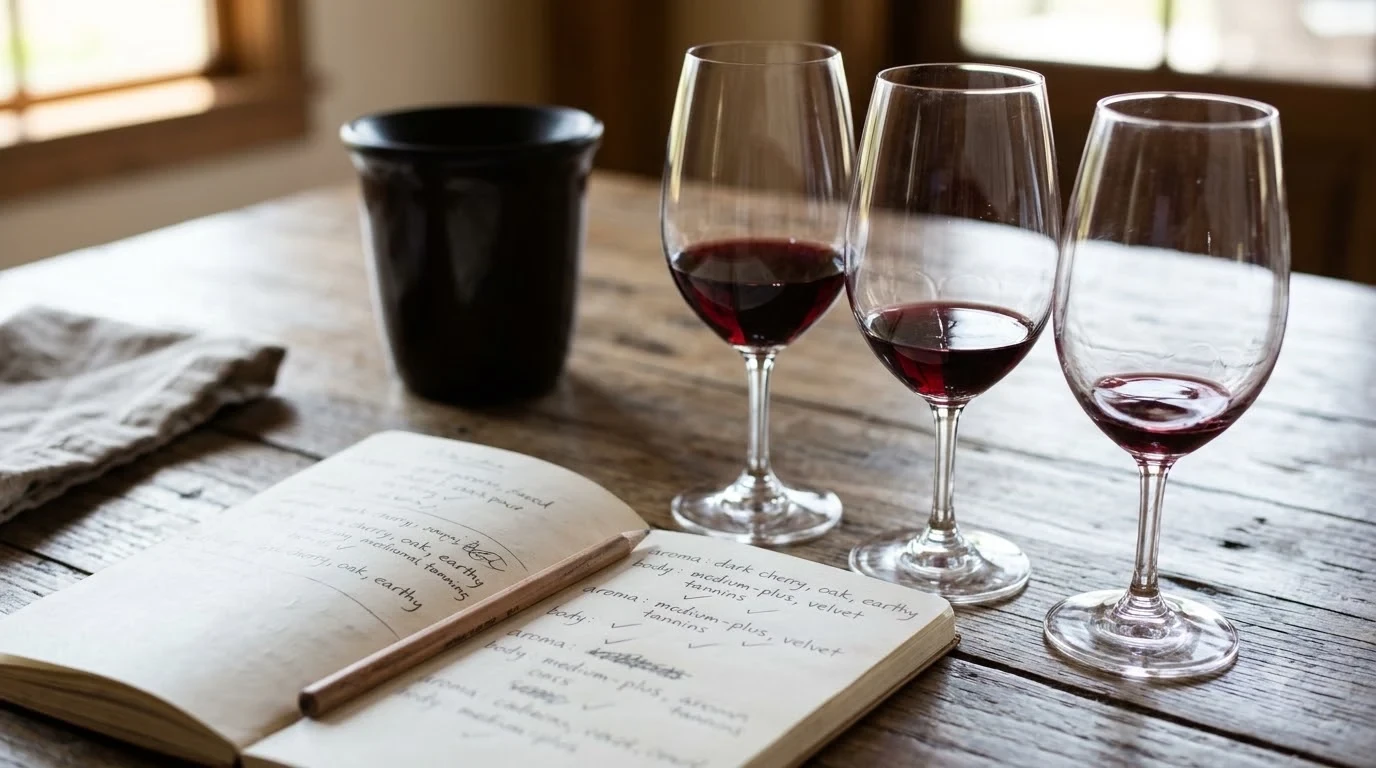
Use the same tasting sequence for each wine. Examine the color, smell the wine before swirling, swirl gently, and then return to the nose. Taste a small amount and assess the balance of fruit, acidity, tannin, alcohol, and finish.
Keep the tasting order consistent. Lighter and younger examples generally work well before more concentrated or mature wines. If a white Nuits-Saint-Georges is included, serve it before the reds to preserve the clarity of its aromas.
Understanding bottle age
Nuits-Saint-Georges is capable of developing over several years, with the best aging prospects generally associated with concentrated wines from strong producers and suitable vintages. Young bottles can be firm, while bottle development gradually integrates the tannins and introduces more complex aromas.
A useful general approach is to distinguish between drinking maturity and maximum aging potential. A wine may already be enjoyable while retaining the capacity to improve. There is no single drinking window that applies equally to all Village and Premier Cru bottles.
For younger, full-bodied reds, decanting for approximately 30–60 minutes can help soften the initial impression and allow aromas to develop. This is especially useful when a young bottle seems closed or tightly structured. Mature wines require more caution because prolonged exposure to oxygen can diminish delicate aromas.
Storage and preservation
Store unopened bottles on their sides in a cool, stable environment close to 55°F. Avoid direct sunlight, frequent temperature changes, and excessive vibration. Consistent storage conditions are important because temperature fluctuations can affect the wine’s development over time.
After opening, keep still Nuits-Saint-Georges in the refrigerator and use a reliable closure. Most opened still wines retain their best character for approximately 3–5 days, although individual bottles vary. Bring a refrigerated red back toward its recommended serving temperature before pouring.
For visitors planning a Burgundy trip, the town of Nuits-Saint-Georges is a convenient base for exploring nearby wine villages. A broader comparison with Côte de Nuits wine tasting can help put the appellation in context alongside neighboring vineyard areas. Travelers interested in a different major Burgundy and Bordeaux experience can also explore Saint-Émilion wine tasting, where Merlot-led blends provide a useful contrast to Pinot Noir.
For additional background on appellation classifications, grapes, and regional differences, the Wine Regions resource provides a starting point for comparing French wine areas with other international regions. Another interesting contrast is Willcox wine tasting in Arizona, where a different climate and growing environment produce an entirely different range of wine styles.
For official appellation details, vineyard names, and production rules, consult the French government’s Nuits-Saint-Georges appellation regulations. These provide the formal basis for understanding the production area, permitted grape varieties, and Premier Cru classifications.
Frequently Asked Questions
What does Nuits-Saint-Georges mean in French?
The name combines Nuits, the town’s name, with Saint-Georges, referring to Saint George. Saint-Georges is also associated with one of the appellation’s best-known vineyard names, Les Saint-Georges. The town gives its name to the broader Côte de Nuits wine region.
Is Nuits-Saint-Georges part of the Côte de Beaune?
No. Nuits-Saint-Georges belongs to the Côte de Nuits, the northern section of Burgundy’s Côte d’Or wine-producing area. The Côte de Beaune lies farther south and includes appellations such as Meursault, Pommard, and Puligny-Montrachet. The two areas are both important parts of Burgundy but have different vineyard landscapes and typical wine styles.
What is the difference between Nuits-Saint-Georges and Vosne-Romanée?
Both are neighboring Côte de Nuits appellations, but they have separate production boundaries and vineyard classifications. Vosne-Romanée is home to several famous Grand Cru vineyards, including Romanée-Conti and La Tâche. Nuits-Saint-Georges has 41 Premier Cru climats but no Grand Cru classification.
Which famous Burgundy producers make Nuits-Saint-Georges?
Several established Burgundy producers are associated with the appellation, including Domaine de l’Arlot, Domaine Aegerter, and Thibault Liger-Belair. Different estates may produce Village wines, Premier Cru bottlings, or both. Comparing wines from the same climat made by different producers can reveal how cellar decisions influence the final expression.
Can Nuits-Saint-Georges be made into rosé or sparkling wine?
The official Nuits-Saint-Georges appellation recognizes still red and white wines rather than rosé or sparkling wine. The red category is principally based on Pinot Noir, while the white category uses Chardonnay and Pinot Blanc. Rosé and sparkling wines from the broader Burgundy region fall under other applicable appellation or wine classifications.
Nuits-Saint-Georges offers one of Burgundy’s most rewarding opportunities to explore structured Pinot Noir, distinctive Premier Cru vineyards, and the effects of terroir on wine character. Start with a Village bottle, compare it with a Premier Cru, and include a mature example to appreciate the appellation’s development over time. Whether enjoyed with roast lamb, duck, game, or Burgundy cheese, these wines demonstrate why the Côte de Nuits remains an essential destination for serious Burgundy enthusiasts.
More in Wine Regions
 Willcox Wine Trail: Discover Arizona’s High-Elevation Wine CountryUpdated Nov 20, 2026
 Yakima Valley Wine Region: Find the Best Styles to TryUpdated Nov 20, 2026
 Vosne Romanee Wine Tasting: Identify Aromas and Choose Better PairingsUpdated Nov 20, 2026
 Yakima Valley Wine Festival: Find the Best Seasonal Wine EventsUpdated Nov 20, 2026
 Wales Vineyards: Discover Cool-Climate Wines and Where to VisitUpdated Nov 20, 2026
 Yountville Wine Festival: Discover Napa Wines and Local FoodUpdated Nov 20, 2026