

We may earn a commission when you buy through links on this page, at no extra cost to you. Learn more.
The lujan de cuyo wine region is a historic wine-producing area in Mendoza, Argentina, celebrated for its expressive Malbec, high-altitude vineyards and distinctive Andean terroir. Located south of Mendoza city, it combines old vineyards, gravelly alluvial soils and a dry climate to produce wines with ripe fruit, rounded tannins and considerable depth. Although Malbec is its signature grape, Cabernet Sauvignon, Cabernet Franc and several other varieties contribute to the region’s growing diversity.
For anyone exploring Argentine wine, Luján de Cuyo offers an excellent starting point for understanding why Mendoza became internationally associated with Malbec. Its vineyards combine generations of winemaking experience with increasingly precise attention to individual districts, soil conditions and harvest decisions. Understanding the region’s geography, grape varieties and traditional styles makes it easier to recognize what distinguishes a bottle from this important corner of Argentina.
Location, Climate and Geography of Luján de Cuyo
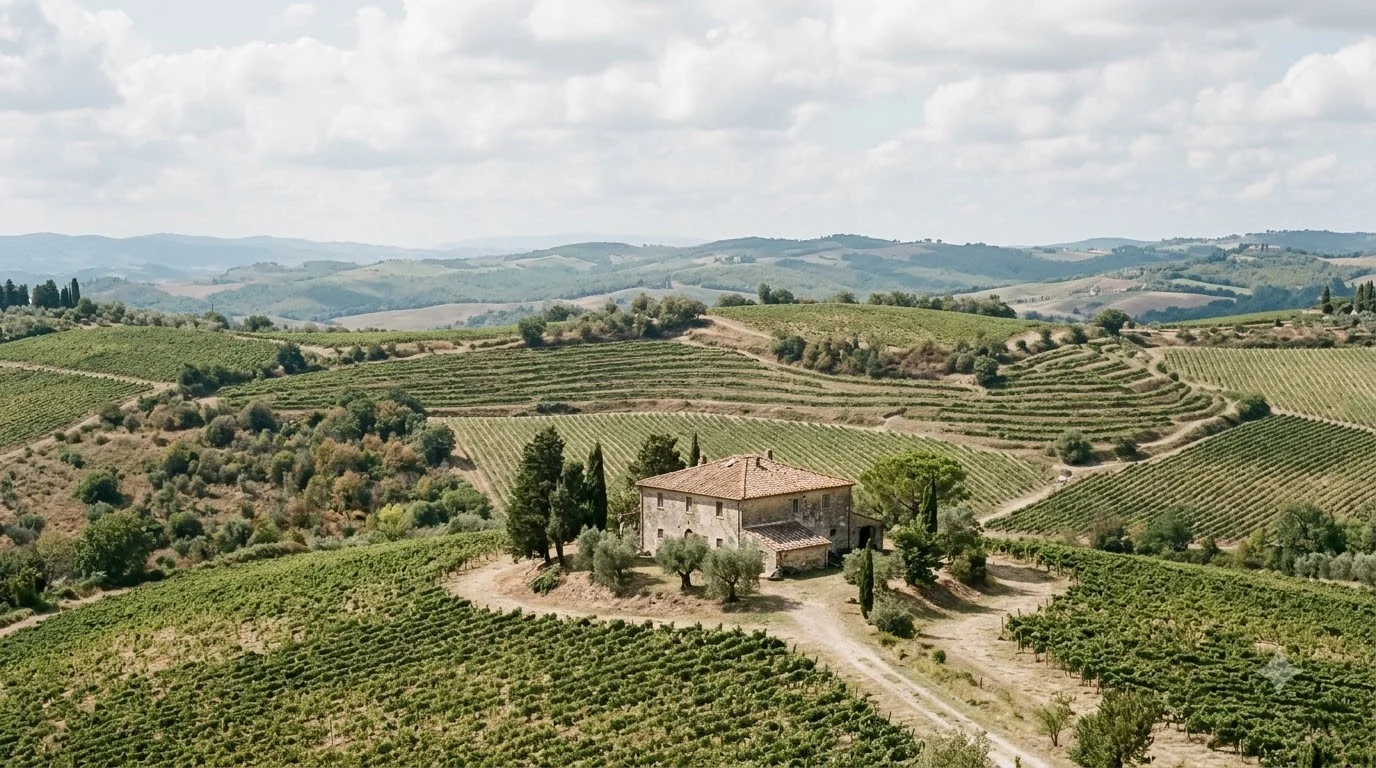
Luján de Cuyo lies in Mendoza Province in western Argentina, approximately 20 kilometers south of Mendoza city. Its position at the eastern foothills of the Andes creates a dry growing environment where abundant sunshine, mountain-influenced temperatures and controlled irrigation help grapes reach full ripeness.

The region sits within Mendoza’s broader wine-producing landscape, often called the Primera Zona. Vineyard elevations vary considerably, with Decanter reporting approximately 690 to 1,300 meters above sea level. This variation matters because elevation influences temperature, ripening speed, acidity and the eventual character of the finished wine.
According to Argentina’s official tourism information, Luján de Cuyo vineyards generally occupy elevations between 900 and 1,100 meters. The area receives more than 300 sunny days annually, while significant temperature differences between daytime and nighttime help grapes develop flavor without losing all their natural freshness.
The growing environment is predominantly arid. Rainfall is limited, so irrigation is an important part of vineyard management. Snowmelt from the Andes supplies water to Mendoza’s agricultural areas through an established network of rivers and irrigation channels. Vineyard managers can therefore regulate water availability according to soil conditions, vine development and seasonal requirements.
Soil composition is another defining feature. Alluvial deposits carried from the Andes have created combinations of gravel, sand, clay, silt and loam. These materials vary considerably between vineyard districts. Gravelly soils generally provide good drainage, while deeper clay-rich areas can retain more moisture.
The result is a region with several distinct growing environments rather than one uniform terroir. A Malbec from a gravelly site in Las Compuertas may have a different texture and fruit profile from one grown in the deeper soils of Agrelo.
The climate also makes harvest timing particularly important. Warm conditions can encourage rapid sugar accumulation, while cooler nights help preserve aromatic definition. Producers who harvest earlier can obtain fresher red-fruit flavors, whereas later picking generally produces riper fruit and a broader palate.
These differences explain why two wines carrying the same regional designation can offer noticeably different experiences. Vineyard elevation, soil depth, exposure, water availability and winemaking decisions all contribute to the final character.
The History of Malbec and the Luján de Cuyo DOC
Malbec’s association with Luján de Cuyo developed through more than a century of vineyard expansion, agricultural experimentation and investment in quality. The region became an important center for Argentine Malbec because the grape adapted successfully to Mendoza’s dry climate and mountain-influenced growing conditions.
French agronomist Michel Aimé Pouget introduced Malbec to Mendoza in 1853. His work helped establish French grape varieties in a province previously dominated by Criolla grapes associated with the earlier Spanish colonial period.
Malbec gradually became particularly important in Luján de Cuyo. Its ability to produce richly colored wines with appealing fruit and substantial structure suited the local conditions. Producers developed vineyard sites and winemaking practices that helped distinguish Argentine Malbec from its French counterparts.
During the late twentieth century, Argentina’s wine industry underwent a major quality transformation. Investment in vineyard management, improved cellar technology and more selective production helped establish premium Argentine wines in international markets. Luján de Cuyo benefited from this development because it already had established wineries, experienced growers and historic vineyards.
The region also played a significant role in formalizing the identity of Malbec. The Luján de Cuyo Denomination of Controlled Origin, commonly called the DOC, was established around 1990. It is widely recognized as the first DOC established in the Americas.
The designation was intended to protect the regional identity of Malbec and establish production standards associated with its geographical origin. Its significance goes beyond a name on a bottle: it represents an effort to connect the wine with particular vineyard locations and established regional practices.
The DOC has continued to develop through greater attention to individual districts and more precise geographical identification. Regional reporting identifies participating producers and wines that increasingly include both broader regional expressions and district-specific bottlings. The official Luján de Cuyo DOC website provides information about its participating wineries, districts and designated wines.
It is important to distinguish between a wine originating in Luján de Cuyo and one specifically carrying the DOC designation. The geographical name identifies the origin, while the DOC makes an additional claim about compliance with the denomination’s requirements.
Historic vineyards remain central to this identity. Decanter documents a Las Compuertas vineyard planted in 1910 and a historic Malbec block at Finca Adalgisa planted in 1916. These vineyards demonstrate the longevity of Malbec cultivation in the area.
Tip: When comparing Argentine Malbec bottles, distinguish the broad Luján de Cuyo geographical origin from a specific district designation or the Luján de Cuyo DOC. These details can help explain differences in vineyard conditions and production requirements.
Four Important Subregions and Their Terroir
Luján de Cuyo contains several districts with different elevations, soils and growing conditions. Agrelo, Las Compuertas, Perdriel and Vistalba are especially useful names to recognize when comparing regional Malbecs and Cabernet Sauvignon.

Agrelo
Agrelo is one of the region’s largest and most important vineyard areas. Located south of the Mendoza River, it occupies a valley with elevations generally between 880 and 1,000 meters. Regional reporting identifies approximately 5,600 hectares under vine.
Its deep loam and clay soils can extend nearly four meters in depth. These conditions contribute to wines with substantial structure, dark fruit and a generous palate. Agrelo Malbec frequently displays blackberry, plum and violet characteristics, supported by juicy acidity and firm but polished tannins.
Agrelo is also particularly important for Cabernet Sauvignon. The grape benefits from the area’s warm conditions and can develop ripe cassis flavors alongside spice and herbal notes. Producers must manage the canopy and harvest carefully because warm seasons can accelerate ripening.
Las Compuertas
Las Compuertas is located in the western part of Luján de Cuyo near the Mendoza River. Its approximately 300 hectares of vineyards occupy three alluvial terraces, with much of the planting concentrated on the second terrace.
Vineyards sit at slightly more than 1,000 meters above sea level. Gravel mixed with finer soil materials contributes to drainage and the character of the wines. Las Compuertas Malbec is frequently associated with clear red-fruit flavors, attractive freshness and velvety tannins.
Historic vineyards are an important part of its identity. Some blocks contain very old Malbec vines, and local producers have increasingly emphasized the preservation of these sites. The district is especially interesting for drinkers who want to explore how old vines and individual vineyard locations influence Argentine Malbec.
Perdriel
Perdriel occupies an important position near the Mendoza River and is particularly associated with Cabernet Sauvignon as well as Malbec. Its vineyards sit at approximately 880 to 980 meters, depending on the particular location.
Gravelly river-terrace soils contribute to Cabernet Sauvignon wines with ripe dark fruit and refined tannins. Warmer conditions help the grape reach maturity, although rapid ripening can become a concern during particularly hot growing seasons.
Perdriel also offers opportunities to explore traditional Mendoza winemaking. Its combination of established vineyard sites and newer attention to individual parcels makes it a useful district for comparing different expressions of northern Mendoza reds.
Vistalba
Vistalba is another historic district in the western part of Luján de Cuyo. Its location near Las Compuertas and the Mendoza River gives it access to alluvial soils and mountain-influenced conditions.
Vistalba is known for Malbec with ripe fruit, generous texture and approachable tannins. Compared with some more structured expressions from higher or more exposed sites, its wines can feel softer and more immediately accessible.
The district’s older vineyards also contain valuable historical plant material. Preserving these blocks is important because traditional mixed plantings and old-vine material can contribute complexity to regional wines.
The following table summarizes the main characteristics of these districts and Alto Agrelo, an increasingly important geographical identification.
| District | Approximate elevation | Notable soil or feature | Typical wine character |
|---|---|---|---|
| Agrelo | 880–1,000 m | Deep loam and clay | Dark fruit, violet and structure |
| Las Compuertas | Above 1,000 m | Three alluvial terraces | Red fruit and velvety tannins |
| Perdriel | Approximately 880–980 m | Gravelly river terraces | Ripe Cabernet fruit and refined tannins |
| Vistalba | Approximately 980 m | Alluvial soils and old vineyards | Generous fruit and approachable texture |
| Alto Agrelo | Up to approximately 1,200 m | Predominantly alluvial soils | Dark fruit, herbs and fine tannins |
These figures are approximate geographical reference points rather than strict descriptions of every vineyard. Individual parcels can differ considerably in elevation, slope, soil depth and exposure. For a deeper exploration of the broader Argentine landscape, the Wine Regions resource provides useful context for comparing growing areas.
Malbec and Other Grapes Grown in the Region
Malbec is the defining variety of Luján de Cuyo, but the region’s vineyards support several other red and white grapes. Cabernet Sauvignon, Cabernet Franc and Petit Verdot are particularly relevant for understanding the area’s red wines beyond its best-known variety.
Malbec
Malbec accounts for more than half of the region’s planted vineyard area, according to Decanter’s regional overview. Its popularity comes from the combination of naturally deep color, ripe fruit, moderate-to-high tannin and an ability to develop a rounded texture in Mendoza’s growing conditions.
Typical aromas include blackberry, plum, black cherry and violet. Depending on vineyard location and winemaking, additional notes can include cocoa, sweet spice, tobacco and dried herbs.
Many Luján de Cuyo Malbecs have a broad palate and approachable fruit character. Their tannins can feel smoother than those in more austere, tightly structured red wines, although quality examples still have enough structure to develop with bottle age.
Oak aging is common in premium examples, adding notes of vanilla, cedar and baking spice. However, not every producer relies on new oak. Some emphasize concrete, stainless steel or older barrels to preserve the fruit and vineyard character.
Cabernet Sauvignon
Cabernet Sauvignon is an important alternative to Malbec in Luján de Cuyo. Agrelo and Perdriel are particularly relevant districts for the variety.
Expect flavors of cassis, blackberry, black cherry and sometimes bell pepper or dried herbs. Its tannin level is generally higher than Malbec’s softer expressions, creating a firmer structure and a more persistent finish.
Cabernet Sauvignon from this part of Mendoza can combine ripe fruit with a distinctive savory character. It works especially well with dishes containing grilled meat, roasted vegetables and concentrated sauces.
Cabernet Franc
Cabernet Franc has attracted increasing interest among regional producers. Alto Agrelo is particularly important for the variety, where vineyard conditions can support wines with dark fruit, herbal aromas and substantial structure.
Its aromatic profile can include raspberry, black cherry, violet, green herbs and pepper. The tannins are generally firm, while the freshness and aromatic complexity distinguish it from fuller Cabernet Sauvignon bottlings.
Petit Verdot and Tannat
Petit Verdot and Tannat are useful blending partners for Malbec. Both can contribute color, structure and additional aromatic dimensions.
Petit Verdot often brings dark fruit, floral notes and firm tannins. Tannat can provide substantial tannic structure and help create wines with a more concentrated finish. Used carefully, both grapes add complexity without overwhelming the main variety.
White Grapes and Historic Mixed Plantings
Although red wine dominates the region’s reputation, white varieties are also present. Chenin Blanc is among the grapes associated with some historic vineyards, while old mixed plantings may include Barbera, Tempranillo and Cabernet Franc.
These historic blocks are interesting because they preserve a diverse collection of grape material rather than focusing exclusively on a single modern variety. Some producers incorporate grapes from mixed plantings into blends that reflect the character of an individual vineyard.
For American wine drinkers, Malbec remains the most recognizable starting point, but trying a Cabernet Sauvignon or Cabernet Franc from Luján de Cuyo offers a broader understanding of the region’s capabilities.
What Luján de Cuyo Wines Taste Like
Luján de Cuyo wines are generally known for ripe fruit, generous texture and rounded tannins, particularly in their Malbec expressions. Their overall character reflects the region’s sunshine, varied elevations, vineyard age and differences between individual districts.
Malbec from the region often opens with aromas of blackberry, plum, black cherry and violet. On the palate, it typically offers medium-to-full body, moderate-to-high tannin and a finish that can include cocoa, spice and dark fruit.
The exact balance depends on the producer and vineyard location. Wines from warmer sites may show more developed fruit and a broader mouthfeel, while higher or cooler sites can preserve additional freshness and floral definition.
Older winemaking styles often emphasized late harvesting and generous ripeness. These wines could have pronounced dark fruit, higher alcohol and soft, sweet-seeming tannins. More recent attention to harvest timing and vineyard differences has encouraged a wider range of styles.
Earlier harvesting can produce wines with red cherry, fresh plum, violet and herbal notes. This approach may also preserve a more noticeable sense of acidity and prevent the fruit from becoming excessively ripe.
Oak treatment also affects the final experience. Wines matured in new French oak may develop cedar, vanilla, toast and spice characteristics. Wines aged in neutral barrels or other vessels generally place greater emphasis on the original fruit and vineyard expression.
For comparison, Malbec from the Uco Valley can show more pronounced freshness, firmer structure and mineral or herbal notes associated with its higher-altitude growing environments. Luján de Cuyo often offers a broader, rounder profile, although individual vineyards can challenge these general distinctions.
Readers interested in comparing bottles can explore Lujan de Cuyo wine for additional information about regional styles and what to look for when selecting a bottle.
Age also matters. A young Malbec may emphasize primary fruit and lively aromas, while a mature bottle can develop leather, tobacco, dried flowers and earthy complexity. Not every regional wine is intended for long-term cellaring, so the producer’s style and the wine’s structure should guide expectations.
Cabernet Sauvignon generally offers more prominent tannins and firmer structure. Cabernet Franc can be more aromatic and herbal, while Petit Verdot and Tannat tend to contribute additional tannic intensity.
These differences make the region particularly useful for comparative tastings. Sampling several varieties from the same producer, or Malbecs from Agrelo and Las Compuertas, can reveal how grape selection and vineyard location influence the finished wine.
Food Pairing and Serving Luján de Cuyo Wines
The region’s full-bodied reds pair naturally with grilled meats, roasted vegetables and savory dishes. Malbec is especially versatile with Argentine-style beef, while Cabernet Sauvignon suits richer meals that can accommodate its firmer tannins.
Argentina’s traditional asado is an excellent match for Luján de Cuyo Malbec. Grilled beef, lamb and pork have enough savory intensity and fat to complement the wine’s ripe fruit and tannin.
Other suitable dishes include:
- Grilled ribeye: Its marbling softens the perception of Malbec’s tannins while the roasted exterior complements dark-fruit flavors.
- Slow-roasted lamb: The meat’s savory character works well with the wine’s fruit, spice and structure.
- Beef empanadas: Their seasoned filling and pastry create a satisfying match for medium-to-full-bodied Malbec.
- Grilled sausages: Their smoky, savory flavors complement the wine’s ripe fruit.
- Roasted mushrooms: Earthy flavors provide an alternative to meat-based pairings.
- Hard cheeses: Aged Gouda and mature cheddar can work particularly well with structured red wines.
Cabernet Sauvignon benefits from dishes with substantial protein and fat. A grilled steak, braised short ribs or roasted beef with herbs can balance its stronger tannin profile.
Cabernet Franc offers additional flexibility. Its herbal and red-fruit characteristics can complement roast chicken, grilled vegetables, mushroom dishes and moderately seasoned lamb.
For vegetarian meals, consider roasted eggplant, lentil dishes, mushroom risotto and grilled portobello mushrooms. These foods have enough flavor and texture to stand alongside a substantial Argentine red.
Spicy dishes require more care. Alcohol and tannin can intensify the sensation of chili heat, so heavily spiced food may make a full-bodied red taste hotter and more aggressive. Mildly seasoned grilled dishes are generally safer choices.
Serving Temperature
Serving temperature can significantly influence the aromas and texture of Luján de Cuyo reds. Light-bodied red wines generally benefit from 55–60°F, while fuller-bodied reds are best served around 60–65°F.
Malbec and Cabernet Sauvignon are commonly served within the fuller-bodied red range. Avoid serving them excessively warm, particularly in a heated dining room, because higher temperatures can make alcohol more prominent.
A brief period in the refrigerator can help bring a warm bottle to a more suitable temperature. Pouring into a glass and allowing the wine to open for several minutes also helps release its aromas.
Decanting and Storage
Young, full-bodied Malbecs and Cabernet Sauvignons may benefit from 30–60 minutes of decanting. This gives the wine time to interact with oxygen and can help soften the initial impression of firm tannins.
Older bottles require more care. Extended aeration can diminish delicate aromas, so older wines are often best opened and assessed shortly before serving.
For longer-term storage, keep bottles on their sides in a dark location near 55°F with stable conditions. Avoid direct sunlight, excessive heat and repeated temperature fluctuations.
After opening, reseal the bottle and refrigerate it. Most still wines remain in reasonable condition for approximately three to five days, although freshness depends on the wine, storage conditions and amount of air remaining in the bottle.
Wineries, Wine Tourism and Visiting Luján de Cuyo
Luján de Cuyo is one of Mendoza’s most established destinations for winery visits, combining historic vineyards, prominent producers and restaurants. Its proximity to Mendoza city makes it practical for travelers who want to explore several wineries without traveling far into the province.
Catena Zapata is among the best-known names associated with the region. Its distinctive pyramid-inspired winery architecture and internationally recognized wines make it a prominent stop for visitors interested in Argentine Malbec.
Norton is another established winery in the area, offering vineyard-oriented experiences and views of the surrounding landscape. Its history and range of wines provide another perspective on Mendoza’s development as an international wine destination.
Pulenta Estate is also located in Luján de Cuyo. Visitors interested in more structured tastings can explore its wines and food-pairing experiences.
Other producers associated with the broader regional landscape include Susana Balbo, Mendel, Durigutti and Viña Cobos. Their wines provide useful examples of the different vineyard locations and production philosophies found throughout Luján.
For a more complete overview of local producers, the Lujan de Cuyo wineries resource can help readers identify estates to include in a wine-focused itinerary.
Planning a Winery Visit
Advance reservations are advisable because many wineries organize visits around scheduled tastings, guided tours and restaurant bookings. This is particularly important during Mendoza’s harvest festival period, which generally runs from February through April.
A practical itinerary should concentrate on one geographical area rather than attempting to cover all of Mendoza in a single day. Agrelo, Las Compuertas and Perdriel can provide a useful framework for exploring different expressions of Luján de Cuyo.
Visitors should also allow sufficient time between appointments. Winery tours may include vineyard walks, cellar visits, multiple wine samples and food pairings. Scheduling too many stops can make the experience rushed.
Transportation deserves particular attention. Anyone participating in wine tastings should arrange a designated driver, private transfer or organized tour rather than driving after drinking.
Seasonal conditions influence the experience. Summer days can be sunny and warm, while evenings and winter temperatures may become considerably cooler. Bringing an additional layer of clothing is sensible, particularly for outdoor vineyard visits.
Food is another reason to spend time in the area. Several Mendoza wineries combine tastings with restaurant experiences, allowing visitors to explore regional ingredients alongside local wines. Some offer tasting menus, while others focus on simpler combinations of traditional Argentine dishes and estate wines.
For international visitors, it is helpful to organize winery visits around confirmed appointment times and travel distances. A day centered on Luján de Cuyo is generally more practical than attempting to combine it with the more distant Uco Valley in the same afternoon.
Frequently Asked Questions
Is Luján de Cuyo considered the birthplace of Argentine Malbec?
Luján de Cuyo is widely considered one of the historic heartlands of Argentine Malbec, although the grape was introduced to Mendoza rather than originating in the district itself. Michel Aimé Pouget brought Malbec to Mendoza in 1853. The variety subsequently became particularly successful in Luján de Cuyo and helped establish Argentina’s international wine identity.
What does the word Luján mean in the region’s wine designation?
Luján refers to the municipality and geographical area named Luján de Cuyo in Mendoza Province. Cuyo is the broader historical and geographical name associated with western Argentina, particularly Mendoza, San Juan and San Luis. The complete designation identifies a specific wine-producing area rather than a grape variety.
Can Luján de Cuyo Malbec be aged for more than ten years?
Some structured, premium Malbecs from the region can develop over ten years or longer under suitable storage conditions. Wines with concentrated fruit, balanced acidity, firm tannins and careful production are generally better candidates. However, many everyday regional Malbecs are designed to be enjoyed relatively young rather than held for extended periods.
What is the difference between a regional blend and a single-district Malbec?
A regional blend can combine grapes from several districts to create a broader expression of Luján de Cuyo. A single-district Malbec focuses on fruit from one geographical area, such as Agrelo or Las Compuertas. The distinction allows drinkers to compare the influence of different soils, elevations and vineyard conditions without changing the principal grape variety.
Does Luján de Cuyo produce sparkling wine?
Yes. Although the region is most famous for still red wines, Mendoza also has producers making sparkling wines from varieties including Chardonnay and Pinot Noir. These wines can use different production methods, including traditional bottle fermentation, and demonstrate that Mendoza’s wine industry extends beyond Malbec.
The Luján de Cuyo wine region remains an essential destination for understanding Argentina’s Malbec heritage, from century-old vineyards to increasingly precise district-focused wines. Its combination of historic producers, distinctive terroir and diverse grape varieties makes it rewarding for both new wine drinkers and experienced collectors. Exploring Malbec alongside Cabernet Sauvignon and Cabernet Franc is an excellent way to appreciate the full character of this important Mendoza region.
More in Wine Regions
 Willcox Wine Trail: Discover Arizona’s High-Elevation Wine CountryUpdated Nov 20, 2026
 Yakima Valley Wine Region: Find the Best Styles to TryUpdated Nov 20, 2026
 Vosne Romanee Wine Tasting: Identify Aromas and Choose Better PairingsUpdated Nov 20, 2026
 Yakima Valley Wine Festival: Find the Best Seasonal Wine EventsUpdated Nov 20, 2026
 Wales Vineyards: Discover Cool-Climate Wines and Where to VisitUpdated Nov 20, 2026
 Yountville Wine Festival: Discover Napa Wines and Local FoodUpdated Nov 20, 2026