

We may earn a commission when you buy through links on this page, at no extra cost to you. Learn more.
Brachetto wine is a sweet, lightly fizzy red from Piedmont in northern Italy, made from the Brachetto grape. It is usually low in alcohol, under 10% ABV according to Wine Folly, and it tastes of candied strawberry, rose and orange zest. Most people drink it chilled on its own or with a dessert, and it has very little tannin, so it feels soft and easy from the first sip.
If you have seen brachetto wine on a restaurant list and wondered whether it is a dessert wine, a sparkling wine or something in between, this guide explains what the bottle is, how it tastes, how to serve it and which foods suit it best.
What brachetto wine is
Brachetto is a red grape grown mainly around the town of Acqui Terme in Piedmont, a region better known for Barolo and Barbaresco. The wine made from it is often labeled as Brachetto d’Acqui, and it is typically produced in a semi-sparkling style called frizzante. Unlike the dry, tannic reds Piedmont is famous for, brachetto is built around fruit, sweetness and gentle bubbles.
Because it is a red wine, the color ranges from light ruby to a deeper pink-red. The bubbles are usually soft rather than sharp, and the texture feels light on the palate. Many drinkers are surprised that a red wine can taste this fresh and sweet at the same time.
How brachetto tastes
The flavor is the main reason people choose this wine. According to Wine Folly’s Brachetto guide, the wine shows candied strawberry, orange zest, black currant, apricot and cream, with a strong floral and candied aroma. It is described as sweet, with a medium-light body, no tannins and medium acidity. That combination keeps the sweetness from feeling heavy, because the acidity lifts the fruit and leaves a clean finish.
Sweetness varies from bottle to bottle, so it helps to read the label or the producer’s description before buying. Some brachetto is clearly sweet and fizzy, while others are closer to a gentle off-dry red. If you like a wine that tastes like fresh berries and cream rather than oak and dark spice, brachetto is likely to suit you.
Alcohol content and why it matters
Brachetto is one of the lighter wines you can buy. Wine Folly lists its alcohol as under 10% ABV, which is well below the level of most dry reds and many whites. Lower alcohol means the wine feels more delicate and works well as a mid-afternoon or after-dinner drink. It also means one glass tends to feel lighter than a glass of the same volume of a bigger red.
If you are comparing options for a meal or an event, the lower alcohol level is one reason brachetto is often chosen as a shared bottle. Check the label for the exact percentage, because producers can make slightly different versions.
How to serve brachetto
Brachetto is best served cold, not at room temperature. Wine Folly recommends serving it at 55–60°F (12–15°C), which is cool enough to keep the fruit fresh and the bubbles lively. Put the bottle in the refrigerator for about an hour before opening, or chill it in an ice bucket for a shorter time.
The glass matters less than the temperature. A universal wine glass works well, and there is no need to decant it, since the wine is meant to be enjoyed young. Once opened, keep it chilled and drink it within a few days, because the bubbles fade over time.
| Part of the glass | What to expect |
|---|---|
| Color | Light ruby to pink-red, often clear and bright |
| Aroma | Candied strawberry, rose, orange peel |
| Palate | Sweet, soft, low tannin, lively acidity |
| Finish | Short and fruity, with a clean lift |
| Serving temperature | 55–60°F (12–15°C) |
Food pairing for brachetto wine
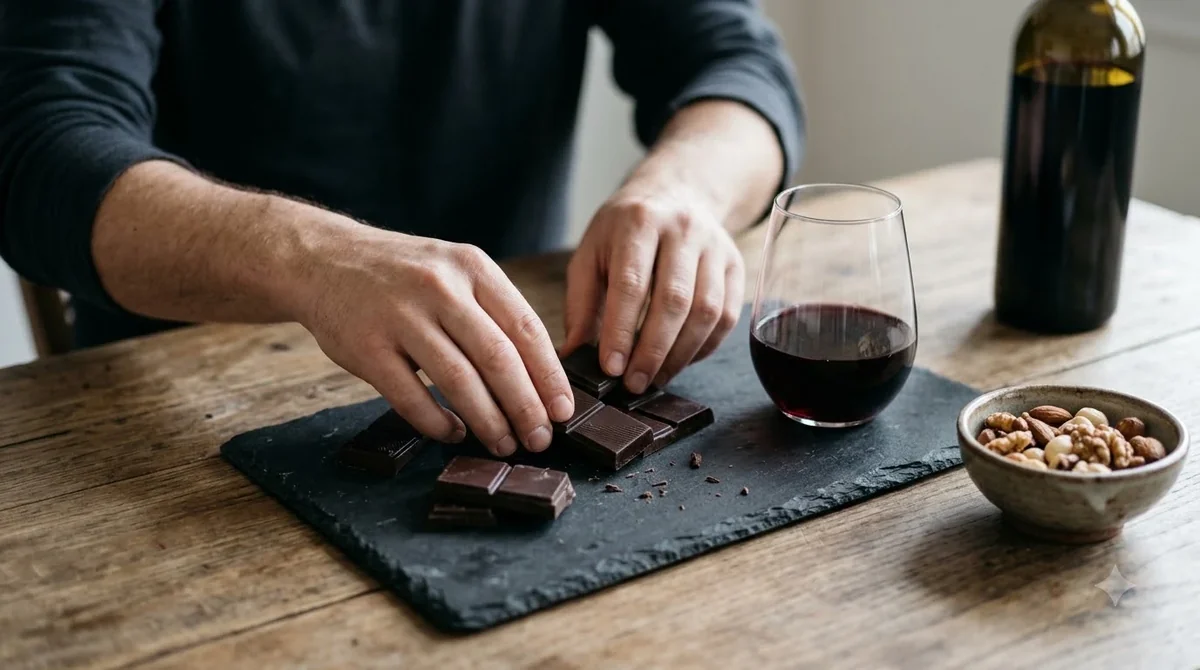
Brachetto pairs best with desserts that have some richness and fruit. Wine Folly suggests rich, creamy chocolate desserts such as ganache and mousse, along with berry tarts and strawberry ice cream. The sweetness of the wine matches the sugar in these dishes, while the acidity keeps the finish from feeling cloying.
It can also work with lighter foods. A fruit salad, a plate of soft cheese and fresh berries, or a simple shortbread with strawberries all suit the wine’s perfume. Avoid pairing it with very salty or heavily spiced savory dishes, which can make the sweetness taste thin. Chocolate, berries and cream are the safest starting points.
How to choose a bottle
When you buy brachetto, look for the Brachetto d’Acqui name, the producer and the vintage. Check whether the label says frizzante or spumante, because that tells you how much fizz to expect. Read the description for sweetness, since the difference between an off-dry and a clearly sweet style is large on the palate.
If you are buying for a group, a sweet sparkling red can be a good crowd pleaser because it suits guests who do not usually drink red wine. Many of them enjoy the fruit and the gentle fizz, and the lower alcohol makes it easier to pace the evening. Keep a dry white or a sparkling wine on hand as well, so anyone who prefers a drier style has a choice.
Price is not the only guide to quality. Bottles from producers who describe their wines clearly, with notes about fruit and style, are usually a safer bet than an unclear label. For a wider view of how grape families compare, the wine types guide places brachetto alongside other red styles.
Common mistakes with brachetto
The most common mistake is serving brachetto too warm. At room temperature the sweetness can feel heavy and the bubbles fall flat quickly, so the wine loses the freshness that makes it appealing. Giving it a short time in the refrigerator is usually enough to fix this, and it is worth doing before the meal rather than during it.
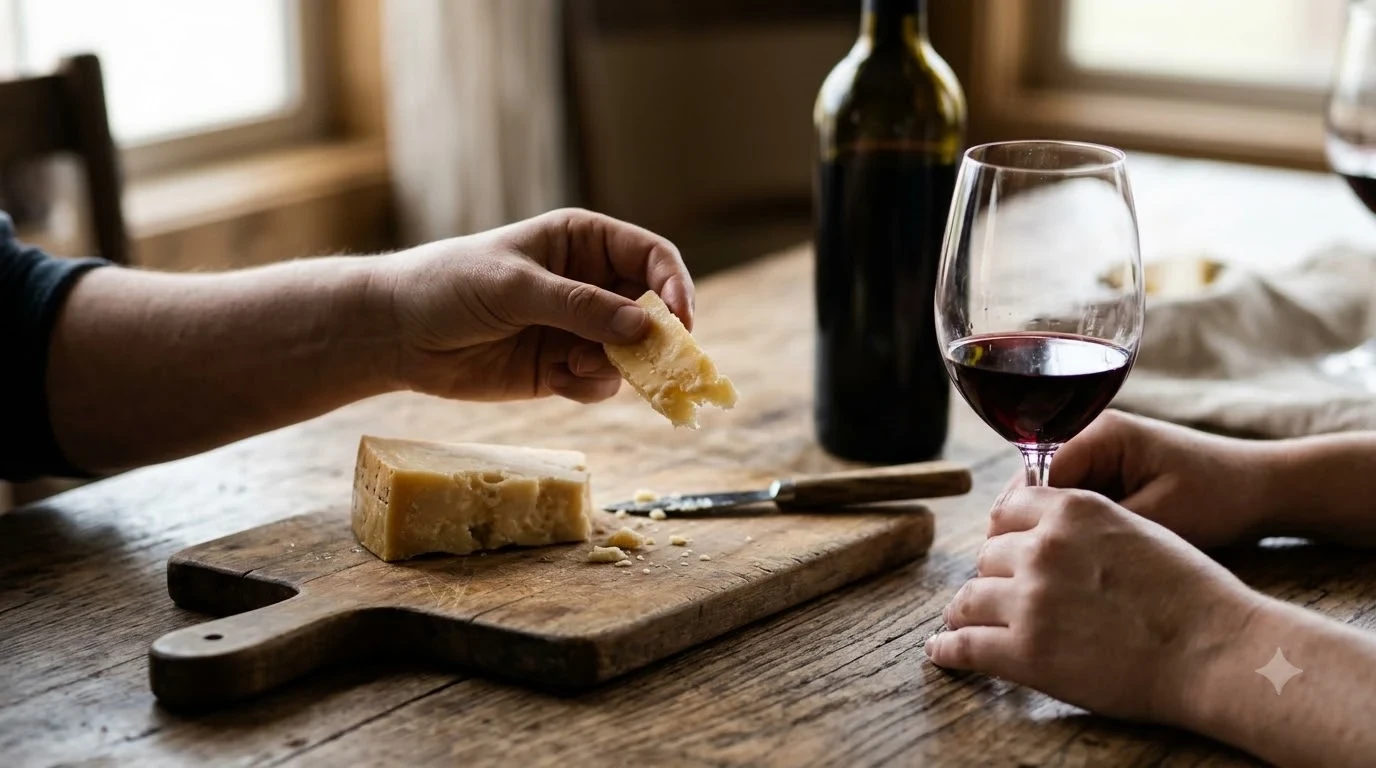
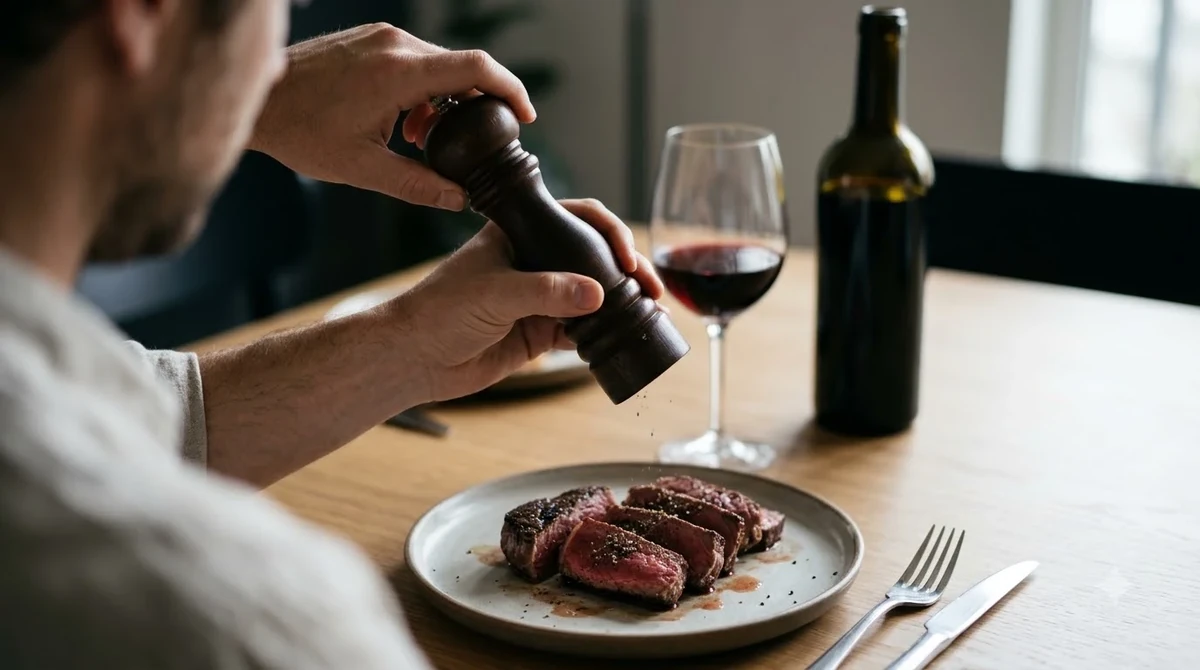
Another mistake is treating brachetto like a dry red. Because it is sweet and low in tannin, it does not match a steak or a firm aged cheese the way a Barolo would. Serving it with a dessert, or with something light and fruity, keeps the pairing balanced. Many people also forget that brachetto is best young, so a bottle bought for a future cellar will taste far better when drunk within a year or two of its vintage.
Frequently Asked Questions
Is brachetto wine sweet?
Yes, brachetto is usually sweet, with candied fruit flavors and a soft texture. Sweetness can vary between producers, so check the label or the description before you buy.
Is brachetto a red or a white wine?
Brachetto is a red wine made from a red grape. Its color can look light, and the bubbles are gentle, so it often gets mistaken for a rosé or a sparkling white.
How much alcohol is in brachetto?
Wine Folly lists brachetto as under 10% ABV, which is lower than most dry reds. Always confirm the exact figure on the bottle, because it can vary by producer.
Should brachetto be served chilled?
Yes. Serving it at about 55–60°F (12–15°C) keeps the fruit fresh and the bubbles lively. Chill the bottle before opening and drink it within a few days once it has been opened.
Brachetto wine is an easygoing choice for people who want a red with sweet fruit and little tannin. Serve it cold, pair it with chocolate or berry desserts, and check the label for sweetness. For a closer look at another Italian red built on a different style, read about Brunello di Montalcino, which is much drier and firmer.
More in Wine Types & Grapes
 Zinfandel Sugar Content: Dry Red vs. White Zinfandel GramsUpdated Nov 21, 2026
 Best Zinfandel Substitute Options for Sipping and CookingUpdated Nov 21, 2026
 Zweigelt Food Pairing: Best Dishes, Cheeses, and Serving TipsUpdated Nov 21, 2026
 Zinfandel Tannins Explained: How Structure Shapes Every BottleUpdated Nov 21, 2026
 Zinfandel Sweetness Level: Dry Red vs. Sweet White Zin ExplainedUpdated Nov 21, 2026
 Xinomavro Food Pairing: Best Dishes, Styles, and Serving TipsUpdated Nov 21, 2026