

We may earn a commission when you buy through links on this page, at no extra cost to you. Learn more.
Cote de nuits wine tasting introduces you to some of Burgundy’s finest Pinot Noir, with distinctive expressions ranging from the powerful reds of Gevrey-Chambertin to the delicate, aromatic wines of Chambolle-Musigny and the refined, complex bottles of Vosne-Romanée. Located between Dijon and Beaune in eastern France, the Côte de Nuits is renowned for its vineyards, carefully defined growing sites, and historic wine-producing villages. Understanding its appellations, vineyard classifications, and winemaking differences makes it easier to recognize what distinguishes each bottle and plan a rewarding tasting experience.
The Côte de Nuits is one of the most celebrated sections of Burgundy’s wine landscape. Its reputation rests largely on Pinot Noir, a grape that responds noticeably to differences in soil, slope, exposure, and vineyard location. Rather than expecting every bottle to taste alike, visitors can compare individual villages and vineyard sites to understand how a relatively small geographical area produces such a broad range of wine styles. Whether you are visiting Burgundy or exploring its bottles at home, learning the regional distinctions provides a useful starting point.
Understanding the Côte de Nuits Wine Region
The Côte de Nuits is the northern section of Burgundy’s celebrated Côte d’Or wine-growing area. Its vineyards extend south from the outskirts of Dijon toward Nuits-Saint-Georges, with Beaune farther south, and include approximately 15 wine-growing communes. The landscape combines sloping vineyards, limestone-rich soils, clay, and different exposures that influence the character of individual wines.
Pinot Noir dominates the region’s production. It produces red wines with recognizable red-fruit aromas, fresh acidity, and tannins that vary according to vineyard location, grape ripeness, and winemaking decisions. Typical aromas include cherry, raspberry, strawberry, red currant, and sometimes darker fruit. With development in the bottle, additional notes of dried flowers, forest floor, earth, spice, and savory herbs can emerge.
White wines are less common but remain part of the regional picture. Chardonnay is the principal white grape, and some villages also have notable white wine holdings. Marsannay is particularly interesting because its appellation produces red, white, and rosé wines. This diversity makes it a useful starting point for visitors who want to understand more than the famous red Burgundy styles.
The region is also known for its individual vineyard sites, traditionally called climats. These are precisely identified parcels whose names can appear on wine labels. Differences in elevation, slope, soil depth, and exposure contribute to variations between wines produced only a short distance apart.
For a broader introduction to Burgundy’s geographical divisions and classifications, explore our guide to Wine Regions. Understanding the relationship between the Côte de Nuits and the wider Burgundy region helps explain why village names and vineyard designations are so important.
Tip: Start a tasting by comparing two village-level Pinot Noirs before moving to Premier Cru and Grand Cru wines. This makes differences in fruit, acidity, tannin, and structure easier to recognize without relying on famous vineyard names alone.
Recognizing the Main Côte de Nuits Villages
Each major village has a recognizable general style, although individual producers and vineyard locations create important variations. Comparing Gevrey-Chambertin, Morey-Saint-Denis, Chambolle-Musigny, Vougeot, Vosne-Romanée, and Nuits-Saint-Georges offers an effective introduction to the region’s diversity.
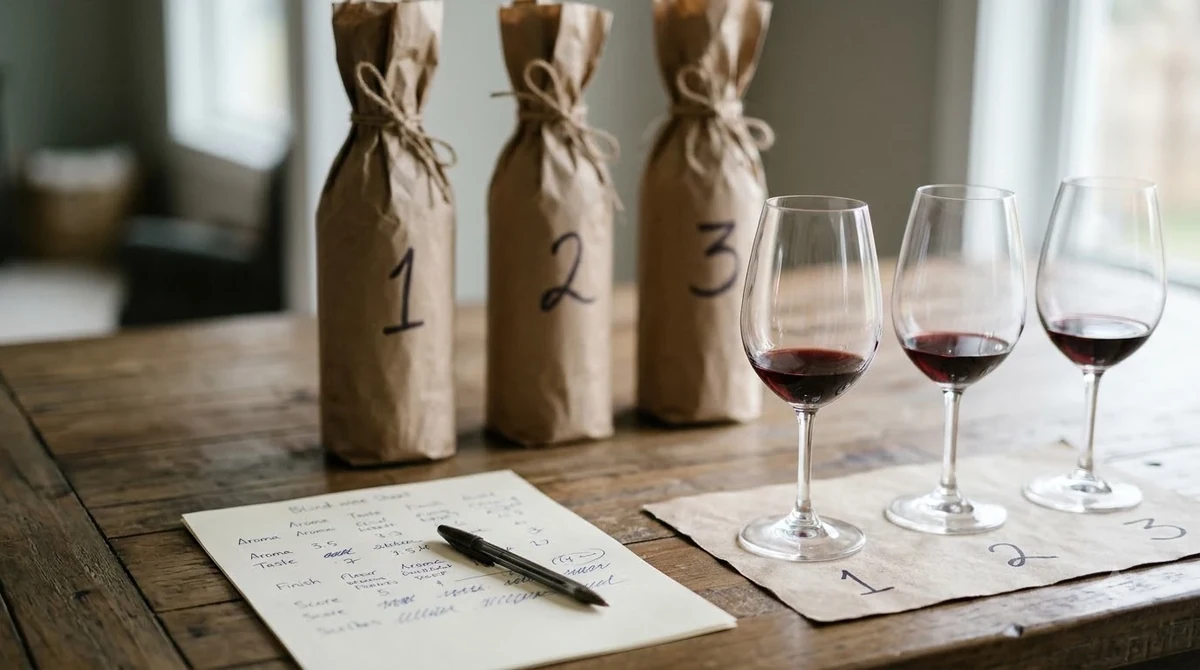
Gevrey-Chambertin is an excellent choice for tasters who enjoy structured, concentrated Pinot Noir. Its wines can show black cherry, ripe red fruit, earth, spice, and firm tannins. The upper hillside vineyards are often associated with particularly distinctive mineral and spicy characteristics. Chambertin and Clos de Bèze are two celebrated Grand Cru sites in this village.
Morey-Saint-Denis occupies an interesting position between Gevrey-Chambertin and Chambolle-Musigny. Its wines can combine the structure of the former with some of the aromatic delicacy of the latter. Limestone close to the surface contributes to freshness and tension in certain vineyard sites. The village is associated with Clos de Tart, Clos des Lambrays, and Clos de la Roche.
Chambolle-Musigny is especially attractive to those who prefer fragrant, elegant Pinot Noir. Expect red berries, cherry, floral aromas, and a more delicate impression than many Gevrey-Chambertin wines. Bonnes-Mares and Musigny are its best-known Grand Cru vineyards, although the wines from individual sites can differ substantially.
Vougeot is recognized for Clos de Vougeot, a historic Grand Cru vineyard. Its wines can be dense, structured, and tannic, although producer decisions and differences between vineyard parcels have a considerable influence on the finished wine. Village and Premier Cru wines from Vougeot can offer a different experience from the famous Grand Cru bottlings.
Vosne-Romanée is associated with aromatic complexity, richness, spice, and refined tannins. Its wines can combine ripe cherry and raspberry with floral, earthy, and savory characteristics. Romanée-Conti, La Tâche, Richebourg, and Romanée-Saint-Vivant are among the celebrated Grand Cru vineyard names associated with this village.
Nuits-Saint-Georges generally produces structured reds with earthy and savory characteristics. Northern vineyard sites can show some stylistic similarities to neighboring Vosne-Romanée, while southern locations with heavier clay soils are associated with richer expressions. The appellation also produces white wine, although red Pinot Noir remains its principal identity.
These are broad stylistic tendencies, not rigid rules. Vintage conditions, vineyard age, fermentation choices, oak treatment, and bottle development can make two wines from the same village taste quite different.
Exploring Grand Cru and Premier Cru Vineyards
Burgundy’s classification system provides an important framework for understanding wine labels and planning a comparative tasting. Regional and village appellations introduce the general character of an area, while Premier Cru and Grand Cru designations identify specific vineyard sites with established reputations and distinct growing conditions.
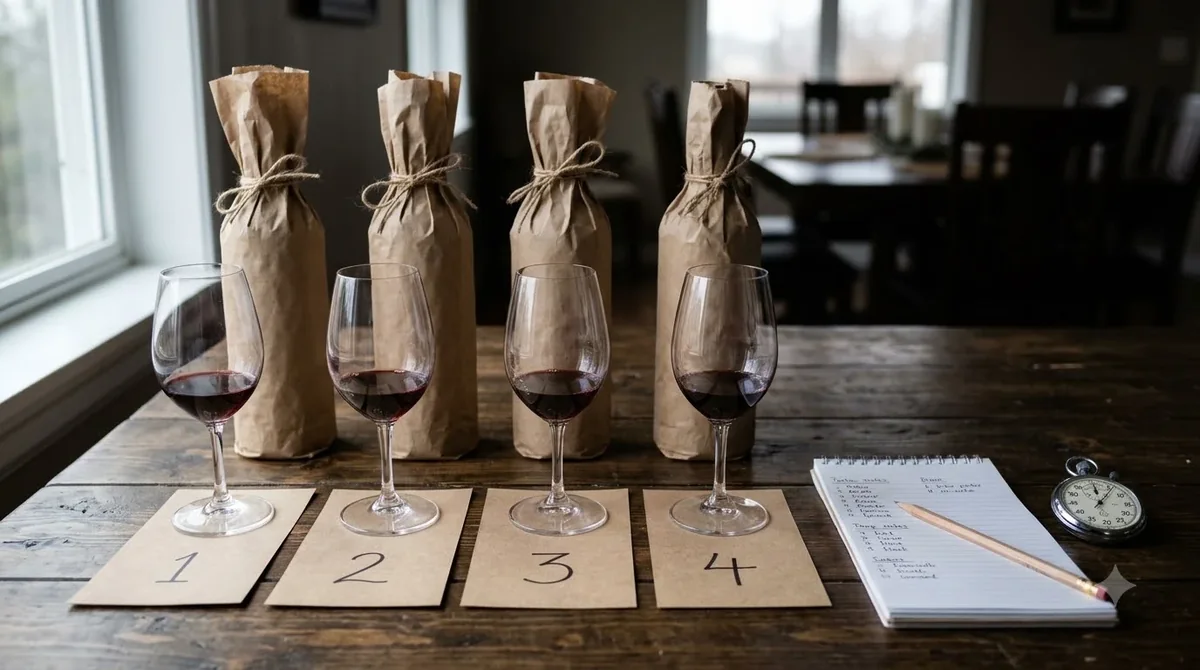
Village wines generally carry the name of the commune, such as Gevrey-Chambertin or Vosne-Romanée. These bottles are useful introductions because they express the overall character associated with a village without focusing on a particular Premier Cru or Grand Cru parcel. They are often the most practical wines to begin with when organizing a tasting flight.
Premier Cru wines come from designated vineyards within a village appellation. Their labels normally include the village name followed by the vineyard designation. For example, a Gevrey-Chambertin Premier Cru may identify a named site that contributes its own characteristics to the finished wine. These bottles allow tasters to explore more detailed differences within an appellation.
Grand Cru wines occupy the highest vineyard classification in Burgundy. The vineyard name generally takes priority on the label, making familiarity with individual sites especially useful. In the Côte de Nuits, celebrated examples include Chambertin, Musigny, Clos de Vougeot, Clos de la Roche, and Romanée-Conti.
Grand Cru vineyards worth recognizing
- Chambertin: A famous Gevrey-Chambertin vineyard associated with powerful, structured Pinot Noir.
- Clos de Bèze: Another distinguished Gevrey-Chambertin Grand Cru, known for its aromatic complexity and concentration.
- Clos de Tart: A historic Grand Cru in Morey-Saint-Denis.
- Clos de la Roche: A notable Morey-Saint-Denis vineyard associated with structured, expressive wines.
- Bonnes-Mares: A Grand Cru shared between the Chambolle-Musigny and Morey-Saint-Denis vineyard areas.
- Musigny: A prestigious Chambolle-Musigny Grand Cru known for elegance and fragrance.
- Clos de Vougeot: A large historic walled vineyard with varied soils and numerous individual holdings.
- Richebourg: A renowned Vosne-Romanée Grand Cru associated with rich, concentrated Pinot Noir.
The classification is not a guarantee that every bottle will suit every preference. A well-made village wine can provide tremendous drinking pleasure, while a Grand Cru bottle may need additional bottle age to show its full character. Comparing different levels side by side is more informative than assuming that a higher classification automatically means a more enjoyable wine.
For a closer look at the individual growing sites, our guide to Côte de Nuits vineyards explains why vineyard names are central to understanding Burgundy.
How to Taste Côte de Nuits Pinot Noir
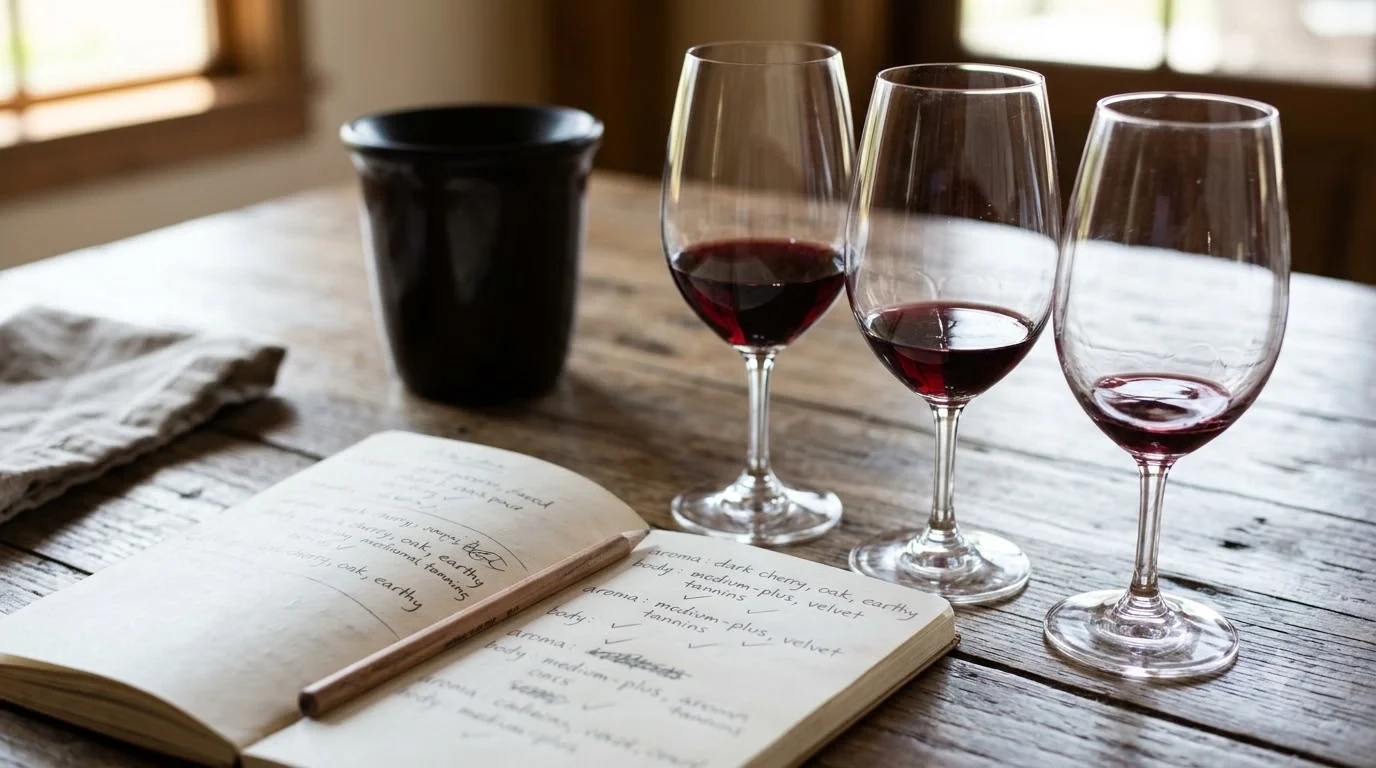
A structured tasting helps reveal the differences between wines without becoming overly technical. Focus on appearance, aromas, acidity, tannin, texture, and finish, then compare your impressions with the village and vineyard information on each bottle.
Begin by pouring a small amount into a clear, reasonably large wine glass. Pinot Noir is usually lighter in color than Cabernet Sauvignon, so a translucent ruby or garnet appearance is entirely normal. Older wines may develop paler edges and more brick-like tones, while younger examples can show brighter ruby or purple-red shades.
Evaluate the aromas
Swirl the glass gently and identify the first aromas. Look for red cherry, raspberry, strawberry, cranberry, or red currant. More concentrated examples may introduce darker fruit, while developed bottles can show dried leaves, mushrooms, forest floor, earth, leather, or spice.
Try to distinguish primary fruit aromas from the additional characteristics created by fermentation, oak treatment, and aging. Vanilla, toast, smoke, and baking spice may indicate oak influence, although the exact profile depends on the producer’s approach.
Assess acidity and tannin
Acidity is an important part of Pinot Noir’s appeal. It gives the wine freshness and helps it work well with food. Tannin creates a drying sensation on the gums and tongue, contributing structure and texture. Côte de Nuits Pinot Noir generally has low-to-medium tannin compared with varieties such as Cabernet Sauvignon, although more concentrated wines can feel substantially firmer.
Notice whether the wine feels light, medium-bodied, or full-bodied. Consider how the fruit, acidity, alcohol, and tannin interact rather than judging each element independently. A balanced wine should feel coherent, with no single characteristic dominating the experience.
Consider the finish
After swallowing or spitting, notice how long the flavors remain. A wine with a longer finish may continue to show cherry, spice, floral notes, or savory characteristics. Also consider whether the finish feels fresh, dry, earthy, or particularly concentrated.
For a useful comparison, taste a Gevrey-Chambertin and a Chambolle-Musigny at the same temperature. Their contrasting structure and aromatic profiles can demonstrate the importance of village identity more clearly than tasting either bottle alone.
Planning Winery Visits and Tasting Experiences
Visiting producers is one of the most effective ways to understand the Côte de Nuits. A cellar tasting can connect the wine in your glass with the vineyard, the producer’s decisions, and the particular appellation being discussed.
Begin by selecting a manageable group of villages rather than attempting to visit every important location in one day. Gevrey-Chambertin, Morey-Saint-Denis, Chambolle-Musigny, and Vosne-Romanée provide an excellent selection for comparing different Pinot Noir styles. Nuits-Saint-Georges is another useful destination because it offers a range of winegrowers and trading houses.
The Gevrey-Chambertin Nuits-Saint-Georges tourist office maintains information about winegrowers, trading houses, and tasting locations. Its listings include producers and establishments in several communes, including Domaine Dujac in Morey-Saint-Denis, Domaine Méo-Camuzet in Vosne-Romanée, and numerous other local wine businesses.
Some estates receive visitors by appointment, while others organize tastings through designated cellar spaces or wine merchants. Contact the establishment before traveling, particularly if you want to taste specific appellations or compare several vineyard classifications. Ask about the available wines, appointment duration, language options, and whether the tasting requires advance arrangements.
Build a practical tasting itinerary
A northern-to-southern itinerary follows the general geography of the vineyard strip. Marsannay and Fixin provide a useful introduction before Gevrey-Chambertin. Continue through Morey-Saint-Denis and Chambolle-Musigny, then visit Vougeot and Vosne-Romanée before finishing around Nuits-Saint-Georges.
Rather than scheduling too many tastings, choose two or three appointments and leave time for lunch, vineyard walks, and village exploration. A longer tasting at one producer can be more informative than rushing through several cellars without time to compare the wines.
The Gevrey-Chambertin Nuits-Saint-Georges tourist office’s winegrower directory is a practical resource for identifying local producers and planning appointments.
Visitors should also consider the broader Route des Grands Crus. This celebrated Burgundy wine route connects vineyard villages, wine estates, and historic sites, making it possible to combine tasting with an appreciation of the landscape and local heritage.
Serving Temperatures, Food Pairings, and Tasting Preparation
Correct serving temperature and thoughtful food pairings can make a significant difference to the experience of Côte de Nuits wines. Pinot Noir benefits from moderate temperatures that preserve its fruit and aromatic detail without emphasizing alcohol or suppressing its more delicate characteristics.
For most Côte de Nuits red wines, a serving temperature of approximately 55–60°F is a good starting point, particularly for lighter village bottlings. More concentrated and structured examples can be served toward 60–65°F. Avoid serving the wines excessively warm, because higher temperatures can make alcohol feel more prominent and reduce the impression of freshness.
Use a reasonably large Burgundy-style glass with a wide bowl. This shape provides room for aromas to develop and makes it easier to evaluate the wine’s fragrance. A standard tasting pour of approximately 5 ounces is suitable for a normal glass of wine, while smaller pours make more sense when comparing several bottles.
Young, concentrated red wines may benefit from some exposure to air. Decanting a young full-bodied red for approximately 30–60 minutes can help soften its initial impression and release aromas. Delicate or mature Pinot Noir requires more caution because extended exposure to oxygen can cause its more fragile aromas to fade.
Food pairings for Pinot Noir
Côte de Nuits Pinot Noir works particularly well with dishes that complement its acidity, fruit, and moderate tannin. Roasted chicken, duck, pork, veal, and mushroom-based dishes are excellent starting points. The earthy characteristics found in some wines can also complement truffles, lentils, and slow-cooked vegetables.
Roast duck with cherry sauce is a particularly appealing combination. The wine’s red-fruit character echoes the sauce, while its acidity helps balance the richness of the duck. Mushroom risotto is another good option because its savory flavors complement the earthy notes that can develop in mature Pinot Noir.
Cheese pairings can also be successful. Brie, Camembert, and moderately aged soft cheeses provide creamy textures that complement Pinot Noir’s freshness. Époisses, a traditional Burgundy cheese, is another regional pairing worth exploring.
Avoid pairing tannic red wine with delicate oily fish such as salmon or tuna when the wine’s structure is particularly firm. The combination can create an unpleasant metallic impression. For fish dishes, a fresh white Burgundy or a lighter, less tannic red may be a better option.
| Wine or tasting element | Recommended temperature or quantity | Practical purpose |
|---|---|---|
| Light village Pinot Noir | 55–60°F | Preserves freshness and red-fruit aromas |
| Structured Premier Cru | 58–62°F | Balances fruit, tannin, and aromatic detail |
| Concentrated Grand Cru red | 60–65°F | Allows complex aromas to develop |
| Standard tasting pour | 5 ounces | Provides a consistent serving size |
| Standard wine bottle | 750 ml | Approximately five standard 5-ounce glasses |
| Young, full-bodied red decanting | 30–60 minutes | Allows controlled exposure to air |
These temperatures are practical starting points rather than strict requirements. Personal preference, wine age, and concentration can influence the ideal serving temperature. The most important consideration is preserving the wine’s balance and aromatic character.
Choosing Bottles and Understanding Wine Labels
Understanding Burgundy labels makes selecting wines for a Côte de Nuits tasting considerably easier. The most useful information includes the producer, appellation, vineyard designation, classification, and vintage. Together, these details help explain what is in the bottle and how it relates to other wines from the region.
Start with the appellation. A label reading Gevrey-Chambertin identifies a village wine, while a label reading Gevrey-Chambertin Premier Cru identifies a wine from a designated Premier Cru site within that appellation. A label naming Chambertin identifies the Grand Cru vineyard itself.
Producer identity is equally important. Burgundy’s vineyard holdings are divided among numerous individual owners and wine businesses. Different producers may make wine from the same named vineyard, but their vineyard management, harvesting decisions, fermentation methods, and aging choices can produce distinct results.
Vintage information also deserves attention. Weather conditions influence grape ripeness, acidity, tannin, and overall concentration. A warmer growing season may produce riper fruit and a broader impression, while cooler conditions can favor freshness and firmer acidity. These are general tendencies rather than fixed rules, and individual vineyards and producers can respond differently.
Build a balanced tasting flight
A thoughtful flight should progress from simpler wines to more concentrated examples. This allows the palate to understand the regional differences without immediately moving to the most powerful or complex bottle.
- First: Begin with a Marsannay or regional Burgundy Pinot Noir to establish a reference for fruit, acidity, and body.
- Second: Add a village-level Gevrey-Chambertin to explore more structured Pinot Noir.
- Third: Compare Chambolle-Musigny to identify a more delicate, floral expression.
- Fourth: Include Morey-Saint-Denis to explore a balance between structure and fragrance.
- Fifth: Finish with a Premier Cru or Grand Cru bottling to examine the effect of a more specifically identified vineyard.
For a more complete regional overview, see our article on the Côte de Nuits wine region. It provides additional context for understanding how village designations, vineyard classifications, and regional geography fit together.
Keep tasting notes for each bottle. Record the producer, appellation, vineyard, vintage, color, dominant aromas, acidity, tannin, body, and finish. Even brief observations make it easier to recognize recurring characteristics and remember which villages best match your preferences.
When purchasing bottles for a tasting, prioritize a consistent selection of producers and vintages where practical. This makes it easier to compare the influence of village and vineyard location rather than introducing too many different variables at once.
Frequently Asked Questions
How long should a Côte de Nuits wine tasting last?
A focused comparative tasting of five wines can take approximately 60–90 minutes, depending on the amount of discussion and food served. Some producer visits include vineyard explanations or cellar tours that require additional time. Allowing around two hours for an appointment provides room for a more detailed discussion of the wines.
Is Pinot Noir the only grape used in Côte de Nuits wines?
No. Although Pinot Noir dominates the region’s red wine production, Chardonnay is used for white wines, and Aligoté is also permitted in certain regional Burgundy appellations. Marsannay is especially distinctive because its appellation includes red, white, and rosé wines.
Can you visit Clos de Vougeot without participating in a wine tasting?
Yes. Château du Clos de Vougeot is a historic cultural and architectural site that can be visited as a heritage destination. The château is associated with the Cistercian monks and the Chevaliers du Tastevin, making it interesting even for visitors whose primary interest is Burgundy’s history.
What does the term climat mean on a Burgundy wine label?
A climat is a precisely identified vineyard parcel with its own recognized geographical identity and characteristics. The term is particularly important in Burgundy because individual vineyard locations can have different soils, slopes, and exposures. The Climats of Burgundy’s Côte de Nuits and Côte de Beaune were recognized as a UNESCO World Heritage property in 2015.
Are Côte de Nuits wines suitable for long-term cellaring?
Some are, particularly well-made Premier Cru and Grand Cru wines with sufficient concentration, acidity, and structure. The aging potential varies considerably according to producer, vintage, vineyard, and storage conditions. Consistent storage near 55°F, away from strong light and temperature fluctuations, helps preserve the wine’s development potential.
Côte de Nuits wine tasting is an opportunity to understand Burgundy through its villages, vineyards, producers, and distinctive Pinot Noir styles. Comparing Gevrey-Chambertin, Chambolle-Musigny, Morey-Saint-Denis, and Vosne-Romanée provides a practical foundation for recognizing the region’s diversity. With a little preparation and an open mind, each tasting can reveal something new about one of France’s most respected wine-growing landscapes.
More in Wine Regions
 Willcox Wine Trail: Discover Arizona’s High-Elevation Wine CountryUpdated Nov 20, 2026
 Yakima Valley Wine Region: Find the Best Styles to TryUpdated Nov 20, 2026
 Vosne Romanee Wine Tasting: Identify Aromas and Choose Better PairingsUpdated Nov 20, 2026
 Yakima Valley Wine Festival: Find the Best Seasonal Wine EventsUpdated Nov 20, 2026
 Wales Vineyards: Discover Cool-Climate Wines and Where to VisitUpdated Nov 20, 2026
 Yountville Wine Festival: Discover Napa Wines and Local FoodUpdated Nov 20, 2026