

We may earn a commission when you buy through links on this page, at no extra cost to you. Learn more.
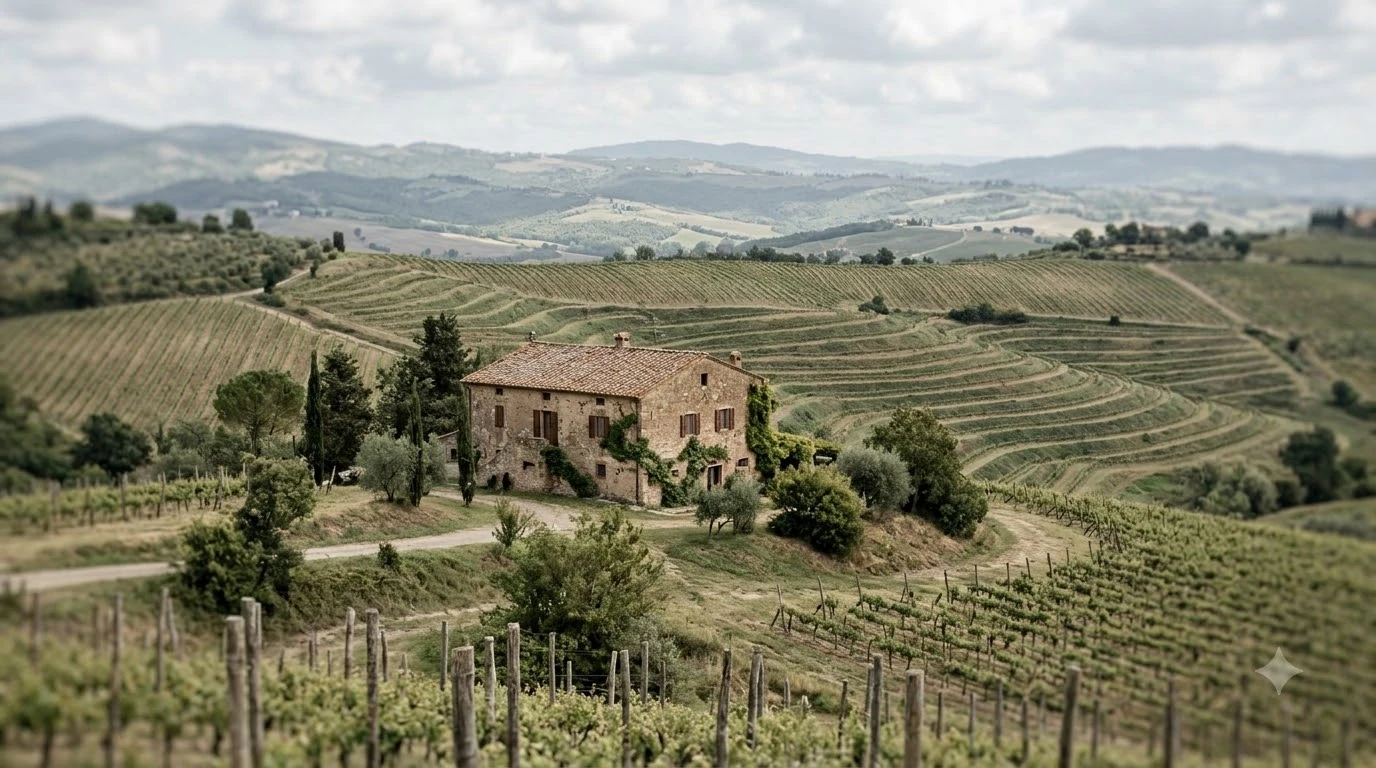
The cote de nuits wine region is the northern section of Burgundy’s Côte d’Or in eastern France, famous for producing some of the world’s most celebrated Pinot Noir wines. Stretching approximately 20 kilometers south of Dijon, this narrow vineyard corridor includes prestigious villages such as Gevrey-Chambertin, Chambolle-Musigny, Vosne-Romanée, and Nuits-Saint-Georges. Its limestone-rich soils, carefully distinguished vineyard sites, and cool continental climate create reds known for their fragrance, structure, complexity, and aging potential.
For wine lovers, the Côte de Nuits offers an unusually detailed expression of Burgundy’s vineyard traditions. A change in slope, soil composition, or vineyard exposure can produce a noticeably different wine, even when neighboring producers grow the same grape. Understanding its geography, appellations, and principal villages makes it easier to choose bottles that match your preferences, whether you are exploring Burgundy for the first time or building a collection of distinctive Pinot Noir.
Where the Côte de Nuits Is Located and Why It Matters
The Côte de Nuits occupies the northern portion of the Côte d’Or, Burgundy’s famous limestone escarpment. Its vineyards extend south from the outskirts of Dijon toward Corgoloin, forming a relatively narrow strip of wine country between the higher hills to the west and the plains to the east.
The regional vineyard corridor is approximately 20 kilometers long, according to the Bourgogne wine trade organization. Although the distance is relatively short, the area contains numerous villages, individual vineyard sites, and appellations. The main vineyard slopes generally face east or southeast, helping vines receive morning sunlight while benefiting from the natural drainage of the hillside.
The Côte de Nuits is particularly important because it contains an extraordinary concentration of Burgundy’s prestigious red wine vineyards. Pinot Noir dominates local production, although Chardonnay and occasional Aligoté plantings contribute smaller quantities of white wine. The neighboring Côte de Beaune is also famous for Pinot Noir, but it has a much larger international reputation for Chardonnay.
The name Côte de Nuits comes from Nuits-Saint-Georges, one of the area’s principal wine villages. The wider Côte d’Or takes its name from the golden appearance of its slopes, particularly during autumn when vineyard leaves change color.
Geographically, the region can be divided into two related areas:
- Côte de Nuits: The principal vineyard slopes, including the famous villages and many of Burgundy’s celebrated Premier Cru and Grand Cru sites.
- Hautes Côtes de Nuits: Higher vineyard areas farther west, where elevation and different growing conditions produce another expression of Burgundy Pinot Noir and Chardonnay.
The distinction matters when reading a wine label. A bottle from the main Côte de Nuits slope may have a different structure and reputation from one carrying a Hautes Côtes de Nuits designation, even if both feature Pinot Noir.
For a broader introduction to the region’s appellations and neighboring wine districts, explore our Wine Regions resource. The Côte de Nuits is one of the most important areas to understand when studying Burgundy’s classification system.
Climate, Limestone Soils, and the Influence of Terroir
The Côte de Nuits has a continental climate with cold winters, warm summers, and a growing season that can present considerable challenges. Its limestone and clay-rich soils, varied elevations, and vineyard exposures help explain why wines from neighboring parcels can taste remarkably different.
According to Bourgogne’s regional wine organization, the geological foundation of the Côte de Nuits dates back approximately 175 million years to the Jurassic period. Geological movements associated with the formation of the Alps exposed and displaced different layers of rock, creating the varied terrain found throughout Burgundy.
The resulting soils include limestone, marl, clay-limestone mixtures, and stony material derived from weathered bedrock. These differences are important because they affect water retention, drainage, root development, and vine growth.
How the hillside affects wine character
The Côte de Nuits hillside is not uniform. Lower slopes generally have deeper and more fertile soils, while higher elevations can have thinner topsoil and greater exposure to changing weather. The middle slopes are particularly important because their drainage, soil composition, and exposure often provide favorable conditions for quality winegrowing.
East-facing vineyards receive morning sunshine, which helps grapes ripen during the growing season. Elevation also influences temperatures and ripening speed. A relatively small difference in altitude or slope can affect how quickly grapes develop their aromas and reach maturity.
Spring frost, hail, and variable summer weather remain important risks for growers. Pinot Noir is relatively delicate compared with thicker-skinned red varieties, so careful vineyard management is essential in this northern Burgundy climate.
Why individual vineyard sites matter
Burgundy uses the term Climat to describe a precisely defined vineyard parcel with its own identity. These parcels are distinguished by natural characteristics such as geology and exposure, as well as by the history of cultivation and wine production.
UNESCO recognizes the Climats of Burgundy as a World Heritage cultural landscape. The designation covers vineyard parcels on the Côte de Nuits and Côte de Beaune, together with associated villages and historic elements of the region.
The UNESCO description of Burgundy’s Climats explains why these individual vineyard boundaries are so important to the area’s identity.
Tip: When comparing two Côte de Nuits wines, look beyond the village name. A Premier Cru vineyard designation can identify a specific site within a commune, helping you understand why two Pinot Noir wines from the same village may have different aromas, textures, and structures.
The Main Villages and Their Distinctive Wine Styles
The villages of the Côte de Nuits form a north-to-south sequence along the eastern slopes of Burgundy. Each has its own collection of vineyard sites and recognizable wine styles, although individual producers and vintages can create considerable variation.
Gevrey-Chambertin, Morey-Saint-Denis, Chambolle-Musigny, Vougeot, Vosne-Romanée, and Nuits-Saint-Georges are among the most important names to recognize. Their wines provide a useful introduction to the range of Pinot Noir produced within this compact region.
Gevrey-Chambertin
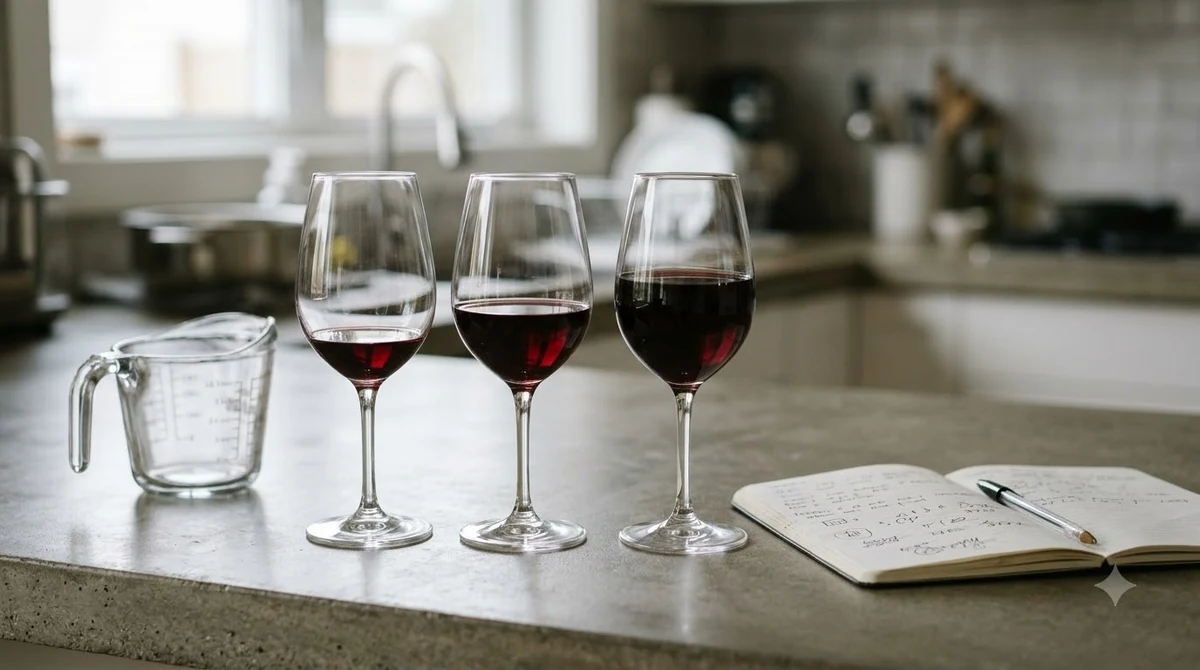
Gevrey-Chambertin is one of the northern Côte de Nuits’ most recognized wine villages. It is especially associated with structured, substantial Pinot Noir, often showing dark cherry, blackberry, earthy notes, and savory spice.
Its prestigious Grand Cru vineyards include Chambertin, Chambertin-Clos de Bèze, and several other sites bearing the Chambertin name. These vineyards have helped establish the commune’s reputation for age-worthy red Burgundy.
Morey-Saint-Denis
Morey-Saint-Denis sits between Gevrey-Chambertin and Chambolle-Musigny. Its wines can combine the firmness associated with Gevrey-Chambertin with the aromatic detail and texture found farther south.
Important Grand Cru vineyards include Clos de la Roche, Clos Saint-Denis, Clos des Lambrays, and Clos de Tart. The village is particularly interesting for drinkers who appreciate Pinot Noir with both structure and aromatic complexity.
Chambolle-Musigny
Chambolle-Musigny is widely associated with elegant, fragrant Pinot Noir. Red cherry, raspberry, violet, and delicate spice are common descriptors, while the wines often emphasize fine texture rather than sheer weight.
Its two especially famous Grand Cru sites are Musigny and Bonnes-Mares. These vineyards demonstrate how individual locations can produce distinctive wines within a relatively small geographical area.
Vougeot and Flagey-Échezeaux
Vougeot is best known for Clos de Vougeot, a historic walled vineyard and one of Burgundy’s most recognizable Grand Cru names. The vineyard covers approximately 50 hectares and is divided among numerous growers, resulting in differences between individual producers’ wines.
Nearby Flagey-Échezeaux is associated with Échezeaux and Grands Échezeaux. These Grand Cru vineyards are important destinations for collectors interested in the variety of expressions Pinot Noir can achieve within the Côte de Nuits.
Vosne-Romanée
Vosne-Romanée is among the most prestigious villages in Burgundy. Its wines are often associated with concentrated red fruit, floral aromas, fine spice, and a combination of richness and delicacy.
Its celebrated Grand Cru vineyards include Romanée-Conti, La Tâche, Richebourg, Romanée-Saint-Vivant, and La Grande Rue. These names are among the most recognizable in fine Burgundy, although the village also produces excellent wines at less exalted classification levels.
Nuits-Saint-Georges
Nuits-Saint-Georges lies toward the southern end of the Côte de Nuits and gives the wider region its name. Its Pinot Noir often has a firm structure, with red and dark fruit, earthy notes, and noticeable savory character.
The commune has a strong reputation for Premier Cru wines, but it does not have an officially classified Grand Cru vineyard within its boundaries. This is an important distinction for anyone learning Burgundy’s classification system.
For a closer look at individual vineyard locations, our guide to Côte de Nuits vineyards explores the sites that contribute to the region’s reputation.
Grapes, Wine Styles, and Burgundy Classification
Pinot Noir is the defining grape of the Côte de Nuits, producing red wines that range from delicate and aromatic to powerful and structured. Chardonnay accounts for a much smaller share of production, but it provides an alternative for drinkers interested in the region’s white wines.
Pinot Noir is a relatively thin-skinned grape with naturally moderate tannin and high acidity. In the Côte de Nuits, it can develop aromas of cherry, raspberry, strawberry, violet, rose, and spice. With bottle age, some wines develop additional notes of mushroom, forest floor, dried flowers, and leather.
Understanding the red wines
The style of Côte de Nuits Pinot Noir depends on several factors, including the vineyard, producer, vintage, grape maturity, and winemaking approach.
Some wines emphasize freshness, red fruit, and delicate floral aromas. Others have darker fruit, more pronounced tannins, and a firmer structure that benefits from additional bottle age.
Oak aging is common, although its use varies considerably. New oak can contribute spice, toast, and additional structure, while older barrels generally have a less obvious influence on the finished wine.
White wines from the region
Chardonnay is responsible for most of the Côte de Nuits’ white wines. These bottles are less common than the reds, but they can offer citrus, apple, pear, mineral impressions, and a balanced combination of acidity and texture.
Some producers also make white wine from Aligoté. This grape typically produces lighter-bodied wines with fresh acidity, making it a useful alternative to richer Chardonnay styles.
Understanding Burgundy’s classification system
The Côte de Nuits follows Burgundy’s appellation hierarchy. The classification identifies the geographical origin and status of the vineyard rather than simply describing a producer’s quality.
| Classification | What it identifies | Example |
|---|---|---|
| Regional | Wine produced under a wider Burgundy appellation | Bourgogne Pinot Noir |
| Village | Wine associated with a specific commune | Gevrey-Chambertin |
| Premier Cru | Wine from a designated vineyard within a village appellation | Les Amoureuses |
| Grand Cru | Wine from one of Burgundy’s highest-classified vineyard appellations | Musigny |
There are 4 broad classification levels to understand when exploring Burgundy labels. The important distinction is that Premier Cru identifies a particular vineyard site, while Grand Cru has its own appellation designation.
Grand Cru wines are not automatically better suited to every drinker. A well-made village wine can provide a more approachable introduction to the region, while an excellent Premier Cru may offer an appealing combination of vineyard identity, complexity, and structure.
For a practical explanation of labels and styles, see our guide to Côte de Nuits wine.
How to Choose a Côte de Nuits Wine
Choosing a Côte de Nuits bottle becomes easier when you consider the village, classification, producer, and style you prefer. You do not need to begin with the most prestigious Grand Cru names to discover the character of Burgundy Pinot Noir.
A good starting point is to decide whether you prefer aromatic, delicate red wine or a more structured style. Chambolle-Musigny and Vosne-Romanée are useful names to investigate if fragrance and finesse are priorities. Gevrey-Chambertin and Nuits-Saint-Georges are worth exploring if you prefer firmer structure and more pronounced savory character.
Start with the appellation level
Regional Bourgogne Pinot Noir is a practical introduction to Burgundy. These wines offer a broad expression of the region without focusing on one particular village.
Village wines provide a more specific geographical identity. A Gevrey-Chambertin or Chambolle-Musigny label tells you where the grapes were grown and gives you a useful starting point for understanding the wine’s expected style.
Premier Cru wines provide an additional level of detail. The vineyard name on the label identifies a specific recognized site, allowing you to compare different parcels within the same village.
Grand Cru wines are associated with the region’s most prestigious vineyard appellations. They can have substantial complexity and aging potential, but their reputation should not replace consideration of the producer and vintage.
Consider the producer and vintage
Producer style is particularly important in Burgundy because the same vineyard can be divided among different owners. Clos de Vougeot is a useful example: its approximately 50 hectares are farmed by numerous growers, so wines carrying the same Grand Cru name can differ in style.
Vintage conditions also influence ripeness, acidity, tannin, and overall balance. A cooler growing season may produce fresher, more restrained wines, while warmer conditions can encourage riper fruit and a fuller impression.
Think about when you plan to drink the bottle. Younger regional and village wines may offer enjoyable primary fruit, while more structured Premier Cru and Grand Cru examples can benefit from additional bottle development.
Look beyond famous vineyard names
The Hautes Côtes de Nuits deserves attention from drinkers who want to explore beyond the best-known villages. Its higher-elevation vineyards can produce fresh, lively wines, and the area includes both red and white styles.
Côte de Nuits-Villages is another useful appellation to recognize. According to France’s INAO, its geographical area covers 5 communes: Brochon, Fixin, Premeaux-Prissey, Comblanchien, and Corgoloin.
These appellations offer a broader view of the region and help demonstrate that the Côte de Nuits is more than a collection of famous Grand Cru vineyards.
Food Pairings, Serving Temperature, and Storage
Côte de Nuits Pinot Noir is particularly versatile at the dinner table because its acidity, moderate tannin, and aromatic character complement many dishes. Lighter examples work well with poultry and mushrooms, while more structured wines can accompany richer meat dishes.
The Bourgogne wine organization specifically recommends red wines from the region with beef preparations, including grilled and braised dishes. It also identifies sweet-and-savory combinations such as duck with orange as suitable partners.
Food pairings for Pinot Noir
- Roast chicken: The delicate texture and savory flavors of poultry work well with lighter Chambolle-Musigny and village-level Pinot Noir.
- Duck breast: The richness of duck complements the acidity and red-fruit character of Vosne-Romanée and other aromatic Pinot Noir styles.
- Beef bourguignon: The region’s traditional beef stew is a natural match for structured Gevrey-Chambertin and Nuits-Saint-Georges.
- Roast pork: Pork tenderloin with herbs or mushrooms pairs nicely with medium-bodied Pinot Noir.
- Mushroom dishes: Earthy mushroom sauces complement the forest-floor and savory notes that can develop in mature Burgundy.
- Soft and medium cheeses: Brie, Camembert, and other moderately rich cheeses can work well with fresh, balanced Pinot Noir.
Pinot Noir’s moderate tannin makes it more flexible with food than many powerful Cabernet Sauvignon or Syrah wines. Salt and fat can soften the perception of tannin, while acidity helps balance richer preparations.
One pairing to approach carefully is oily fish with tannic red wine. The combination can create an unpleasant metallic impression. For fish dishes, a Côte de Nuits Chardonnay or another fresh white Burgundy may be a more suitable choice.
Serving temperature
Serving temperature has a noticeable effect on Pinot Noir. Excessive warmth can make alcohol more apparent and soften the impression of freshness, while excessive chilling can make tannins seem firmer and mute aromatic development.
A practical serving range for light red wines is 55–60°F. More substantial red wines can be served at 60–65°F, depending on their structure and the surrounding conditions.
For a delicate Côte de Nuits Pinot Noir, begin around 55–60°F and allow the wine to warm slightly in the glass if needed. A structured Gevrey-Chambertin can be served closer to 60–65°F.
Decanting and storing
Young, full-bodied red wines can benefit from 30–60 minutes of decanting. This allows the wine to interact with oxygen and can help its aromas become more expressive. Lighter or older Pinot Noir may need less aeration, since extended exposure to oxygen can reduce freshness.
Store unopened bottles on their sides in a cool, dark location near 55°F, with relatively stable temperatures and limited vibration. Avoid placing valuable Burgundy bottles near heating equipment or in locations exposed to direct sunlight.
Once opened, refrigerate the remaining wine and use a suitable closure. Most still wines retain reasonable quality for approximately 3–5 days under refrigeration, although delicate older Pinot Noir may show changes sooner.
Exploring the Côte de Nuits and Planning a Wine Tasting
Visiting the Côte de Nuits provides an opportunity to understand how Burgundy’s villages, slopes, and vineyard parcels fit together. The short distance between major communes makes it possible to explore several distinctive wine areas without extensive travel.
Dijon provides a convenient northern starting point, while Nuits-Saint-Georges offers an important southern reference point. Between them, the vineyard corridor passes Gevrey-Chambertin, Morey-Saint-Denis, Chambolle-Musigny, Vougeot, and Vosne-Romanée.
Follow the Route des Grands Crus
The Route des Grands Crus is one of the best-known ways to explore the vineyards of Burgundy. It connects many of the region’s celebrated wine villages and provides access to vineyard landscapes, historic villages, and tasting opportunities.
Allow enough time to appreciate the differences between villages rather than treating the area as a quick sightseeing route. Even a short stop in Gevrey-Chambertin, followed by a visit to Chambolle-Musigny and Vosne-Romanée, can demonstrate the range of local wine identities.
Understand the vineyards before tasting
A useful tasting itinerary includes wines from different classification levels. For example, compare a regional Bourgogne Pinot Noir with a Gevrey-Chambertin village wine and a Premier Cru from the same general area.
Pay attention to color, aromas, acidity, tannin, and finish. Look for differences in fruit character and texture rather than assuming that a higher classification must always taste more powerful.
Comparing wines from Chambolle-Musigny and Nuits-Saint-Georges can also be informative. The former is frequently associated with aromatic finesse, while the latter often shows a firmer, more savory structure.
Make reservations and allow time
Many Burgundy producers operate small tasting rooms or receive visitors by appointment. Contact wineries before arriving, particularly if you want to taste several wines or discuss specific vineyard sites.
Harvest season, generally around September and October depending on the vintage, can be a particularly busy time for growers and cellar teams. Visitors interested in quieter tastings may prefer another period of the year.
Our Côte de Nuits wine tasting guide provides additional ideas for understanding the region through comparative tastings and vineyard-focused experiences.
For further background on the region’s geography and vineyard classification, the Decanter exploration of Côte de Nuits vineyards also discusses the Hautes Côtes and the different areas surrounding the main vineyard corridor.
Frequently Asked Questions
Is Côte de Nuits the same as Côte d’Or?
No. The Côte de Nuits is the northern section of the larger Côte d’Or wine-growing area. The Côte d’Or also includes the Côte de Beaune farther south. Together, these districts form the heart of Burgundy’s famous vineyard escarpment.
How do you pronounce Côte de Nuits?
The French pronunciation is approximately “koht duh NWEE.” The final consonant in Nuits is silent. Learning the pronunciation can be useful when discussing Burgundy wines with restaurant staff, wine merchants, or producers.
Does Côte de Nuits produce sparkling wine?
Yes, Burgundy has a regional sparkling wine category called Crémant de Bourgogne. These wines are made using the traditional method, which involves a second fermentation in the bottle. They are separate from the still Pinot Noir and Chardonnay wines for which the Côte de Nuits is best known.
What does the word lieu-dit mean on a Burgundy label?
A lieu-dit is a named geographical location, often associated with a particular vineyard or small parcel of land. It does not automatically indicate Premier Cru or Grand Cru classification. A lieu-dit name can appear on a village-level wine label and provide more precise information about its origin.
Are Côte de Nuits wines always dry?
Traditional still red and white wines from the Côte de Nuits are generally made in dry styles. Pinot Noir is fermented to produce a wine without noticeable residual sweetness, while Chardonnay is typically dry and balanced by acidity. Their fruit aromas may seem ripe or sweet, but that does not mean the wines contain significant sugar.
The Côte de Nuits remains one of Burgundy’s most compelling regions because its compact geography contains an exceptional variety of vineyard expressions. From the structured Pinot Noir of Gevrey-Chambertin to the fragrant wines of Chambolle-Musigny and the celebrated sites of Vosne-Romanée, there is plenty to discover beyond the most famous labels. Start with a village-level bottle, compare different vineyard classifications, and explore the region one distinctive Pinot Noir at a time.
More in Wine Regions
 Willcox Wine Trail: Discover Arizona’s High-Elevation Wine CountryUpdated Nov 20, 2026
 Yakima Valley Wine Region: Find the Best Styles to TryUpdated Nov 20, 2026
 Vosne Romanee Wine Tasting: Identify Aromas and Choose Better PairingsUpdated Nov 20, 2026
 Yakima Valley Wine Festival: Find the Best Seasonal Wine EventsUpdated Nov 20, 2026
 Wales Vineyards: Discover Cool-Climate Wines and Where to VisitUpdated Nov 20, 2026
 Yountville Wine Festival: Discover Napa Wines and Local FoodUpdated Nov 20, 2026