

We may earn a commission when you buy through links on this page, at no extra cost to you. Learn more.
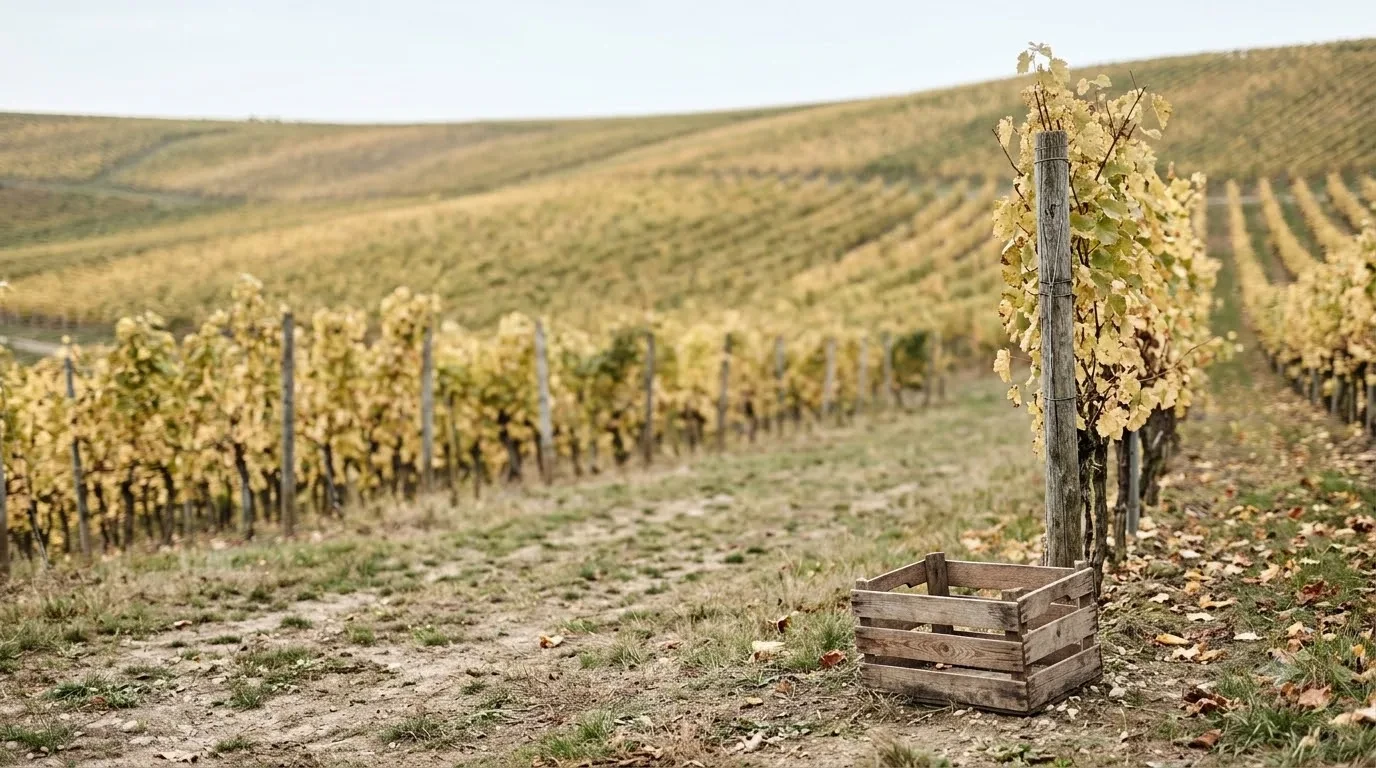
Cote de nuits vineyards are Burgundy’s celebrated hillside wine parcels, particularly renowned for producing some of the world’s finest Pinot Noir in eastern France. Located south of Dijon, these vineyards stretch through villages such as Gevrey-Chambertin, Morey-Saint-Denis, Chambolle-Musigny, Vougeot, and Vosne-Romanée. Their limestone-rich soils, carefully defined vineyard boundaries, and distinctive growing conditions create important differences between individual wines. The region contains 24 of Burgundy’s 33 Grand Cru vineyards, making it an essential destination for understanding fine Burgundy.
The Côte de Nuits is more than a collection of prestigious wine names. It is a detailed landscape of slopes, individual vineyard parcels, historic stone walls, and neighboring communities whose wines can differ considerably despite growing only a short distance apart. Understanding its geography and classification system helps wine enthusiasts recognize what makes a bottle distinctive and why particular vineyard names carry such importance. This guide explores the principal sites, their geology, their history, and the characteristics that define their wines.
Where the Côte de Nuits Vineyards Are Located
The Côte de Nuits occupies the northern section of Burgundy’s famous Côte d’Or, extending south from the outskirts of Dijon toward Corgoloin and the northern edge of the Côte de Beaune. Its vineyards occupy a relatively narrow hillside landscape, where differences in elevation, sunlight, and soil influence the character of individual growing sites.
The principal vineyard communities include Marsannay-la-Côte, Fixin, Gevrey-Chambertin, Morey-Saint-Denis, Chambolle-Musigny, Vougeot, Vosne-Romanée, and Nuits-Saint-Georges. Each has its own collection of appellations and named vineyard parcels. Although the Côte de Nuits is especially associated with red wine, Chardonnay is also grown here, producing distinctive white wines in smaller quantities.
The landscape is not a continuous blanket of vines. Woodlands, limestone outcrops, small valleys, roads, villages, and agricultural land interrupt the vineyard slopes. The most prestigious parcels generally occupy carefully positioned sections of the hillside rather than every available piece of ground. Their positions reflect centuries of observation about drainage, sunlight, exposure, and soil composition.
One important distinction is between the Côte de Nuits and the Hautes-Côtes de Nuits. The latter refers to vineyards situated farther west, at higher elevations behind the main escarpment. These areas have their own growing conditions and appellations, and their wines should not automatically be assumed to share the same characteristics as those from the celebrated hillside villages.
For a broader introduction to the wines and their geographical identity, see our guide to the Côte de Nuits wine region. Understanding the location of its principal villages provides a useful starting point before exploring individual vineyards.
How Limestone, Clay, and Hillside Exposure Shape the Vineyards
The Côte de Nuits owes much of its distinctive vineyard character to a complex geological history. Jurassic limestone, marl, clay-limestone mixtures, and weathered rock occur in different combinations across the slopes, creating variations that can influence vine growth, drainage, and wine structure.
According to the Bourgogne Wine Board, the Côte de Nuits geological foundation formed approximately 175 million years ago. Later geological movements associated with the formation of the Alps exposed and displaced different layers of rock. The resulting landscape contains folded geological strata and limestone-rich soils that vary significantly over relatively short distances.
These differences are important because grapevines respond to their immediate growing environment. Shallow, stony limestone soils can drain quickly and restrict excessive vegetative growth. Clay-rich soils generally retain more water and can provide different growing conditions, particularly during dry periods. Marl, which combines clay and limestone, contributes another variation to the geological picture.
The Bourgogne Wine Board also explains that vine roots can extend as far as 10 yards into the soil. This illustrates why the composition and structure of the ground matter beyond the thin surface layer visible between the rows. Root development, available water, and the physical structure of the soil all influence how vines respond to their surroundings.
Aspect is equally important. Many of the principal Côte de Nuits vineyard slopes face east or southeast, receiving useful morning sunlight while benefiting from hillside drainage. Elevation and local topography create additional differences in temperature and exposure. A parcel sheltered by a ridge or positioned near a valley opening may experience different conditions from another vineyard just a short distance away.
The combination of these influences explains why neighboring parcels do not necessarily produce interchangeable wines. Two vineyards may grow the same grape variety, share a village appellation, and use similar winemaking methods, yet produce noticeably different expressions because their soils and positions differ.
For a detailed explanation of the regional geological foundation, the Bourgogne Wine Board’s geological overview explains how the region’s ancient limestone and clay formations contribute to its vineyard diversity.
The Climats: Understanding Individual Vineyard Parcels
The concept of the Climat is central to understanding Burgundy’s vineyard identity. A Climat is a precisely defined vineyard site with an established name and boundaries, distinguished by its natural conditions, historical development, and the wine associated with it.
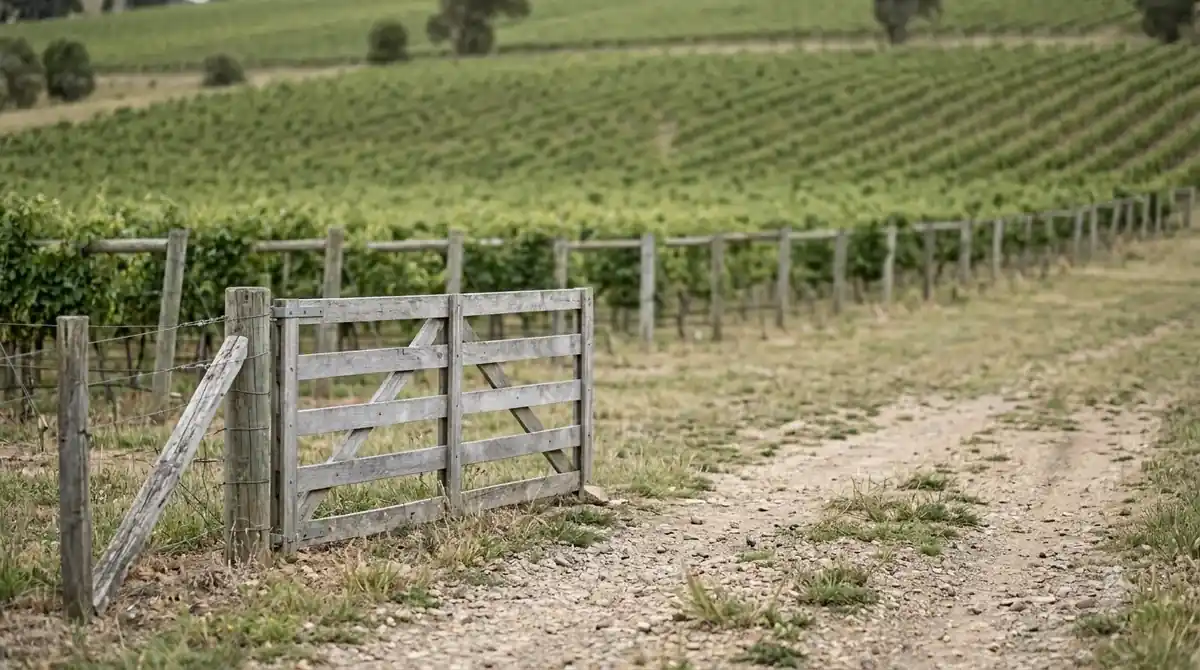
Unlike a general geographical description, a Climat identifies a particular piece of land. Its characteristics can include slope position, geological composition, exposure, drainage, and local growing conditions. The name represents an accumulated understanding of that parcel rather than simply a marketing description chosen by a producer.
UNESCO recognizes 1,247 individual Climats within the Burgundy World Heritage landscape. These parcels lie across the slopes of the Côte de Nuits and Côte de Beaune and reflect centuries of work by vineyard owners, growers, religious communities, and local authorities.
The distinction between neighboring parcels became increasingly important during the Middle Ages. Benedictine and Cistercian communities contributed to the development of vineyard management and the identification of individual growing sites. Over generations, growers observed that different sections of the hillside produced wines with recognizable characteristics.
Stone walls and other physical boundaries still help identify many historical parcels. The French term clos is commonly associated with an enclosed vineyard, often surrounded by a stone wall. These walls were not simply decorative. They helped protect vines from animals and marked ownership boundaries between individuals and institutions.
Some famous examples include Clos de Bèze in Gevrey-Chambertin, Clos de Tart in Morey-Saint-Denis, and Clos de Vougeot in Vougeot. Each has a distinctive historical identity, and their names are associated with particular vineyard locations rather than broad regional wine styles.
The UNESCO designation recognizes the cultural importance of this system. Its description emphasizes the relationship between the physical characteristics of individual parcels and the wines produced from them. The UNESCO World Heritage description of the Burgundy Climats provides additional historical and geographical context.
For wine buyers, understanding Climats makes Burgundy labels easier to interpret. A named vineyard can communicate more precise geographical information than a village designation alone. It also explains why bottles from two neighboring producers can have different identities even when both originate from the same village.
The Most Important Côte de Nuits Vineyard Villages
The Côte de Nuits contains several well-known wine villages, each associated with recognizable appellations and vineyard names. Their differences are useful starting points for understanding how Pinot Noir changes across Burgundy’s northern Côte d’Or.
Gevrey-Chambertin
Gevrey-Chambertin is one of the region’s most important red wine communities. It contains nine Grand Cru vineyards covering approximately 85 hectares, according to the Gevrey-Chambertin and Nuits-Saint-Georges tourist office. Its famous names include Chambertin, Chambertin-Clos de Bèze, Charmes-Chambertin, and Mazis-Chambertin.
Wines from this village are often associated with structure, depth, and concentrated fruit. Depending on the producer, vineyard, and vintage, Pinot Noir can display black cherry, dark raspberry, earthy notes, and firm tannins. Premier Cru sites also provide opportunities to explore the village’s character without moving directly to its Grand Cru vineyards.
Morey-Saint-Denis
Morey-Saint-Denis sits between Gevrey-Chambertin and Chambolle-Musigny. Its five Grand Cru vineyards include Clos de Tart, Clos Saint-Denis, Clos de la Roche, Clos des Lambrays, and Bonnes-Mares, the latter extending into Chambolle-Musigny.
The village offers a range of styles, often balancing concentration with aromatic detail. Its famous clos vineyards have long histories and distinctive parcel identities. Clos de Tart, for example, dates to 1141, when it was established by Cistercian nuns.
Chambolle-Musigny
Chambolle-Musigny is particularly associated with elegant, aromatic Pinot Noir. Its wines frequently emphasize red cherries, raspberries, violets, and fine textures rather than the more forceful structure often associated with some Gevrey-Chambertin examples.
Musigny and Bonnes-Mares are its two celebrated Grand Cru vineyards. Musigny is particularly notable because it produces both red Pinot Noir and a small quantity of white wine. The village also contains several Premier Cru sites that demonstrate its characteristic aromatic finesse.
Vougeot
Vougeot is internationally recognized for Clos de Vougeot, one of Burgundy’s most famous enclosed vineyards. The vineyard’s historical association with the Cistercian monks of Cîteaux makes it an important landmark in the development of Burgundy viticulture.
Its extensive vineyard area contains different soil conditions and slope positions. As a result, wines carrying the Clos de Vougeot name can vary considerably according to the precise parcel and producer. The Grand Cru designation establishes the vineyard’s classification, but it does not guarantee that every bottle will have an identical style.
Vosne-Romanée
Vosne-Romanée is associated with some of Burgundy’s most prestigious Pinot Noir vineyards. Romanée-Conti, La Tâche, Richebourg, Romanée-Saint-Vivant, and La Romanée are among its famous names.
Its wines are frequently associated with aromatic complexity, fine texture, and a combination of ripe red fruit, spice, and earthy detail. The reputation of its top vineyards has made the village one of the most recognizable addresses in fine Burgundy.
Nuits-Saint-Georges
Nuits-Saint-Georges gives the wider Côte de Nuits its name. Its appellation includes vineyards in both Nuits-Saint-Georges and the neighboring southern area around Prémeaux-Prissey.
The wines are often structured, with firm tannins, fresh acidity, and flavors of red and dark berries. Both red Pinot Noir and a smaller amount of white wine are produced. The village is particularly useful for understanding the diversity of the southern Côte de Nuits.
Other northern villages, including Marsannay and Fixin, also deserve attention. Marsannay produces red, white, and rosé wines, while Fixin is particularly associated with structured red Pinot Noir. Together, these communities show why the region should not be reduced to its most famous Grand Cru names.
Grand Cru, Premier Cru, and Village Vineyard Classifications
Burgundy uses a hierarchical appellation system that identifies the geographical origin of a wine. In the Côte de Nuits, the distinction between regional, Village, Premier Cru, and Grand Cru designations helps buyers understand how precisely a wine’s origin is defined.
The four principal classification levels are regional appellations, Village appellations, Premier Cru vineyards, and Grand Cru vineyards. The system developed through centuries of vineyard observation and formal regulation, with the modern AOC framework established in 1935.
Grand Cru represents the highest geographical classification. These wines carry the name of the specific Grand Cru vineyard on the label, such as Chambertin, Musigny, or Clos de Vougeot. The village name may not appear as the primary appellation designation, so recognizing individual vineyard names is especially useful.
The Côte de Nuits is home to 24 of Burgundy’s 33 Grand Cru vineyards. This concentration explains its importance to collectors and enthusiasts interested in the region’s most prestigious vineyard sites.
Premier Cru wines come from specifically designated parcels within a Village appellation. Their labels generally combine the village name with the individual vineyard name and the words Premier Cru. For example, a bottle may identify Gevrey-Chambertin followed by a named Premier Cru site.
Village wines are identified primarily by their village appellation. They can originate from multiple approved vineyard parcels within the designated area. Regional Burgundy wines have a broader geographical origin and generally provide a less specific expression of the landscape.
| Classification | Typical label identification | Geographical scope | Example |
|---|---|---|---|
| Regional | Bourgogne | Broader Burgundy area | Bourgogne Pinot Noir |
| Village | Village appellation | Approved village vineyards | Gevrey-Chambertin |
| Premier Cru | Village plus vineyard name | Designated Premier Cru parcel | Gevrey-Chambertin Premier Cru |
| Grand Cru | Individual Grand Cru name | Specifically delimited vineyard | Chambertin |
The proportions reported by the local tourist office illustrate how limited the highest classifications are across Burgundy. Approximately 53% of Burgundy wines carry regional classification, 46% are Village or Premier Cru, and only 1% are Grand Cru. These figures help explain why Grand Cru wines occupy such a distinctive position in the region’s reputation.
However, classification should not be treated as a complete measure of personal preference or wine quality. A well-made Village wine can be more enjoyable than a Grand Cru bottle that is too young, poorly stored, or simply not aligned with a drinker’s preferences. Producer reputation, vintage conditions, and vineyard management all matter.
Tip: When reading a Burgundy label, identify the appellation first, then look for the vineyard name and classification. A bottle labeled with a specific Premier Cru or Grand Cru site provides more precise geographical information than one carrying only a broad regional designation.
Famous Historic Vineyards and Their Stories
Several Côte de Nuits vineyards are famous not only for their wines but also for their histories. Their stories reveal how religious communities, noble families, land ownership, and centuries of cultivation helped establish Burgundy’s vineyard boundaries.
Clos de Bèze
Clos de Bèze is one of the oldest documented enclosed vineyards in Burgundy. Its history is connected to the Abbey of Saint-Pierre de Bèze, founded in 630, when land and vineyard plots were granted to the religious community.
The vineyard expanded to approximately 15 hectares during the 13th century. Today, Chambertin-Clos de Bèze is recognized as a Grand Cru vineyard in Gevrey-Chambertin. Its name is a reminder that the region’s prestigious vineyard boundaries developed through centuries of land cultivation and administration.
Clos de Vougeot
Clos de Vougeot is perhaps the most recognizable walled vineyard in the Côte de Nuits. Cistercian monks began developing the site in 1098, and the vineyard was first mentioned in historical documents in 1212.
The monks expanded their holdings and constructed substantial working facilities. The large cellar and dormitory date to the 12th century, while the current vat room was rebuilt around 1476–1477. The château and vineyard buildings remain important architectural reminders of Burgundy’s medieval wine culture.
The vineyard’s extensive size and multiple owners also explain its variation. Although the entire clos carries Grand Cru status, individual producers work with different parcels and make their own winemaking decisions. Consequently, two bottles of Clos de Vougeot may express substantially different interpretations of the site.
Clos de Tart
Clos de Tart is located in Morey-Saint-Denis and was established in 1141 by the Cistercian nuns of Tart. It is a particularly important example of a historically enclosed vineyard with a distinctive identity.
The vineyard received Grand Cru classification in 1939. Its long history and carefully defined boundaries have made it one of the most recognizable names in the village. Its status as a monopole, meaning a vineyard controlled by a single estate, also distinguishes it from many other Burgundy Grand Cru sites divided among several growers.
Chambertin
Chambertin is among the best-known vineyards in Gevrey-Chambertin. According to the local tourist office, it covers 13.62 hectares, while neighboring Chambertin-Clos de Bèze covers 14.67 hectares.
These relatively limited vineyard areas help illustrate the precision of Burgundy’s classification system. A Grand Cru name identifies a defined geographical origin rather than simply indicating that a wine comes from a famous village.
The history of Gevrey-Chambertin itself is connected to the vineyard’s reputation. In 1847, King Louis Philippe granted the village permission to add Chambertin to its original name. This historical change demonstrates how closely the community became associated with its most celebrated vineyard.
How to Explore the Vineyards and Choose Their Wines
Exploring the Côte de Nuits can involve visiting historic villages, walking along vineyard roads, learning about individual Climats, and tasting wines from different appellations. A little geographical preparation makes it easier to understand the landscape and appreciate the differences between producers.
For a first visit, Gevrey-Chambertin, Morey-Saint-Denis, and Vosne-Romanée make useful stops because they offer access to several famous vineyard names. Vougeot is also worthwhile for visitors interested in the architecture and history of Clos de Vougeot. Nuits-Saint-Georges provides another convenient base for exploring the southern portion of the region.
Visitors should remember that many vineyard parcels are privately owned agricultural land. Walking along public roads and designated paths is a better approach than entering planted rows without permission. Harvest periods can also make vineyard roads particularly busy with tractors and other agricultural vehicles.
Wine tasting is best approached by comparing wines from different villages and classifications rather than focusing exclusively on prestigious labels. A tasting that includes a Bourgogne Pinot Noir, a Village Gevrey-Chambertin, a Chambolle-Musigny Premier Cru, and a Grand Cru can reveal how geographical precision and vineyard conditions influence the finished wine.
When choosing bottles, consider these practical differences:
- For fresh fruit and approachable structure: Explore regional Burgundy and Village wines from reliable producers.
- For more defined village character: Compare Gevrey-Chambertin, Chambolle-Musigny, and Nuits-Saint-Georges.
- For specific vineyard expression: Look for named Premier Cru parcels.
- For collectible vineyard wines: Explore Grand Cru names such as Chambertin, Musigny, and Clos de Vougeot.
- For white Burgundy: Investigate Chardonnay from producers working in the Côte de Nuits rather than assuming the region produces exclusively red wines.
Vintage conditions are another important consideration. Burgundy’s continental climate can produce substantial differences between growing seasons. Spring frost, summer hail, rainfall, and harvest conditions influence grape development and the quantity and quality of the resulting wine.
Producer choices also matter. Decisions involving whole-cluster fermentation, extraction, oak maturation, and bottling can produce different styles from the same vineyard. Some winemakers favor a more transparent expression of fruit and site, while others use greater extraction or oak influence to create a fuller impression.
Serving conditions can help show the wines at their best. A light or medium-bodied Côte de Nuits Pinot Noir is generally enjoyable at approximately 55–60°F. More structured examples can be served closer to 60–65°F, depending on their age and concentration. Excessive warmth can make alcohol more noticeable and obscure delicate aromas.
For older bottles, careful handling is preferable to automatically decanting for an extended period. Younger, fuller-bodied red wines may benefit from 30–60 minutes of aeration, while mature Pinot Noir can lose delicate aromatic detail if exposed to too much air. Taste first and adjust the approach to the wine’s condition.
Wine enthusiasts interested in developing a more detailed understanding of these differences can arrange a Côte de Nuits wine tasting that compares multiple villages and vineyard classifications. Exploring several wines side by side is one of the clearest ways to understand how individual Climats influence Pinot Noir.
Frequently Asked Questions
How many Grand Cru vineyards are in Gevrey-Chambertin?
Gevrey-Chambertin has nine Grand Cru vineyards covering approximately 85 hectares. These include Chambertin, Chambertin-Clos de Bèze, Charmes-Chambertin, and Griotte-Chambertin. The appellation’s Grand Cru vineyards were formally classified in July 1937.
Why is the village called Gevrey-Chambertin?
The original village name was Gevrey. King Louis Philippe granted permission to add Chambertin in 1847, recognizing the importance of the famous vineyard to the community’s identity. The name subsequently became one of Burgundy’s most recognizable wine appellation names.
What is the difference between a Climat and a lieu-dit?
A Climat is a historically recognized and precisely defined Burgundy vineyard parcel associated with specific growing conditions and wine characteristics. A lieu-dit is a named geographical locality, which may or may not have the same status or appellation significance as a Climat. The two terms can overlap, but they are not automatically interchangeable in Burgundy’s classification system.
Can a Grand Cru vineyard have multiple producers?
Yes. Many Burgundy Grand Cru vineyards are divided among several owners, each producing wine from their own holdings. Clos de Vougeot is a well-known example of this fragmented ownership structure. By contrast, a monopole such as Clos de Tart is controlled by a single estate.
When did Burgundy’s Climats receive UNESCO recognition?
The Climats, terroirs of Burgundy, were inscribed on the UNESCO World Heritage List in 2015. The designation recognizes the cultural landscape created by centuries of vineyard cultivation and the precise identification of individual growing parcels. It includes historic vineyard areas as well as the historic center of Dijon.
The Côte de Nuits offers an exceptional introduction to Burgundy’s relationship between vineyard geography and wine character. From the structured Pinot Noir of Gevrey-Chambertin to the aromatic elegance of Chambolle-Musigny and the historic clos of Vougeot and Morey-Saint-Denis, each area contributes a distinct perspective on the region. Learning the village names, individual Climats, and classification levels makes exploring its wines considerably more rewarding.
More in Wine Regions
 Willcox Wine Trail: Discover Arizona’s High-Elevation Wine CountryUpdated Nov 20, 2026
 Yakima Valley Wine Region: Find the Best Styles to TryUpdated Nov 20, 2026
 Vosne Romanee Wine Tasting: Identify Aromas and Choose Better PairingsUpdated Nov 20, 2026
 Yakima Valley Wine Festival: Find the Best Seasonal Wine EventsUpdated Nov 20, 2026
 Wales Vineyards: Discover Cool-Climate Wines and Where to VisitUpdated Nov 20, 2026
 Yountville Wine Festival: Discover Napa Wines and Local FoodUpdated Nov 20, 2026