

We may earn a commission when you buy through links on this page, at no extra cost to you. Learn more.
Hermitage wine is a French red, and a small amount of white, from a steep granite hill above the town of Tain-l’Hermitage in the northern Rhône Valley. The reds are made almost entirely from Syrah and are known for dark fruit, earthy aromas and firm tannins that can keep developing for many years. The whites are rich, dry blends of Marsanne and Roussanne. This guide explains how the wine tastes, how it is made, how to serve it and what to pair with it.
Hermitage is one of the most famous names in French wine, yet many American drinkers have only seen the word on a label. Knowing what the name means makes it easier to shop for a bottle and to understand why it costs more than most Syrah from other places. The sections below cover the basics first and then move to practical buying and serving advice.
What Hermitage Wine Is
Hermitage is a French appellation, which is a legally protected area with rules about where grapes are grown and how the wine is made. The vineyards sit on a steep hill of granite that rises above the town of Tain-l’Hermitage, on the right bank of the Rhône River south of Lyon. The modern appellation was established in 1937, but the name is much older. A popular legend credits a knight named Gaspard de Stérimberg, who retreated to the hill as a hermit in 1224, with giving the place its name. Whatever the origin, the hill has been known for wine for centuries.
The vineyards cover a modest area. According to the reference summary of the appellation, about 345 acres of vines produce roughly 730,000 bottles a year, and most of that is red. Because the supply is limited, the wine has a reputation for scarcity that adds to its price. For a broader view of the wine regions of France and elsewhere, the wine regions guide places Hermitage alongside other famous appellations.
Grapes and Main Styles
Most Hermitage is red and made from Syrah alone. The rules allow a small share of white grapes in the red blend, so a red may include up to 15 percent Marsanne and Roussanne. The white Hermitage is a separate style made from those two white varieties, and it is dry, rich and textured. Both styles are aged in oak, and the reds in particular are built to age.
The table below summarizes the main styles and their typical character.
| Style | Main grapes | Typical character | Aging potential |
|---|---|---|---|
| Red Hermitage | Syrah, with up to 15 percent Marsanne and Roussanne allowed | Dark fruit, leather, earth, cocoa and coffee notes | Often long-lived; reference sources mention aging of up to 40 years |
| White Hermitage | Marsanne and Roussanne | Rich, dry and textured with a broad structure | Often aged for up to 15 years |
Tip: Most bottles you will see are red. If the label says white Hermitage, expect a fuller, more textured wine than the everyday white most people drink.
Flavor Profile and Tannins
A young red Hermitage is dark, full-bodied and structured. Tasting notes from wine reference sites describe Syrah from the Northern Rhône as dark and powerful, with a profile that often includes blueberry, black plum, tobacco and green peppercorn. Hermitage tends to show the earthy and savory side of Syrah more than the bright fruit of warmer regions. The VinePair guide to Syrah and Shiraz describes the grape as very dark in color, deeper than Cabernet Sauvignon, and full in body with a large amount of drying tannin.
Tannin is the main reason many Hermitage reds need time in the bottle. Young wines can feel tight and grippy, and the fruit may seem hidden behind the structure. With age, the tannins soften and the earthy, leathery notes become more integrated. Typical alcohol levels for Syrah fall roughly between 13.5 and 15 percent ABV, according to the Wine Folly Syrah guide, and the body tends to feel substantial even at the lower end of that range.
History and Notable Producers
Hermitage has a long record of prestige. In 1642 King Louis XIII made the wine a court wine, which helped establish its standing among French nobility. In the 19th century, Bordeaux producers often blended in Hermitage to raise the quality and price of their own wines. The Australian connection is also important: in 1832 James Busby, often called the father of the Australian wine industry, took Syrah vine cuttings from France to Australia, where the grape became known as Shiraz.
Several houses are closely linked with the appellation. Domaine Jean-Louis Chave has roots that go back to 1481 and is among the best-known names. Other producers frequently mentioned in reference material include Chapoutier, Jaboulet and Delas. Because so many bottles carry famous names, a label’s producer matters as much as its region when you want a particular style.
How to Serve and Pair Hermitage
Serving temperature matters with a wine this structured. The Wine Folly Syrah guide recommends serving Syrah at 60 to 68 degrees Fahrenheit, or 15 to 20 degrees Celsius, which is slightly cooler than many people expect for a red. Serving it a little cool helps keep the fruit lively and stops the alcohol from feeling heavy. Give the glass a few minutes to open up, and let the wine breathe if it is young.
Hermitage pairs well with rich, savory food. Wine Folly suggests rich meats and boldly spiced dishes, such as lamb shawarma, gyros, Chinese five-spice pork and Indian tandoori dishes. Grilled lamb, a beef roast or a dish with dried herbs and black pepper also suits the wine. The white Hermitage works best with rich fish, poultry in cream sauce or aged cheeses, where its texture can match the food.
How to Choose a Bottle
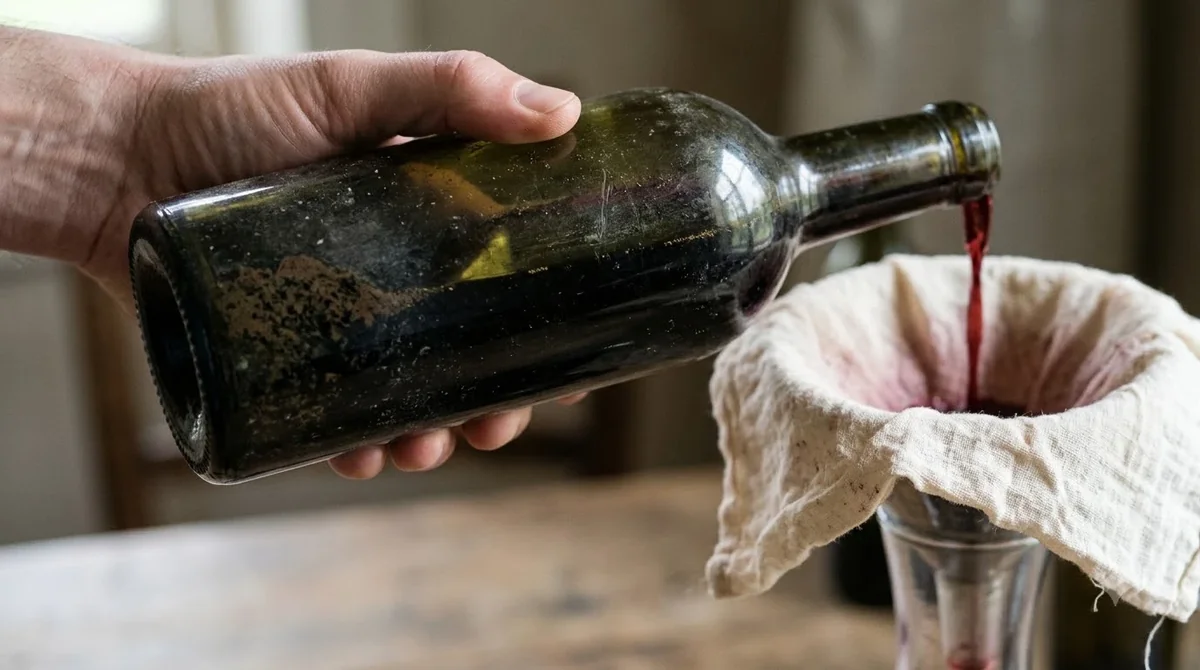
Start by checking the label for the appellation name and the producer. A bottle labeled Hermitage is from the protected hill, and that designation is the first thing to confirm. Next, look at the vintage. Weather varies from year to year in the Northern Rhône, so the same producer can make a bold wine in one year and a leaner one in another. Reading reviews from established critics and wine magazines can help you see how a vintage was received.
If you are new to the wine, consider starting with a younger bottle that you can drink sooner, or with a cheaper Northern Rhône Syrah to learn the style before you commit to Hermitage. Visiting a local shop that can explain the producers in stock is also useful. The Hermitage vineyards guide goes deeper into the slopes and the individual sites that give the wine its character.
Frequently Asked Questions
What does Hermitage wine taste like?
Red Hermitage is dark and full-bodied with notes of dark fruit, leather, earth and tobacco. Young bottles are firm and tannic, and older ones tend to show softer, more savory flavors.
Is Hermitage made from Syrah?
Yes. Most Hermitage is red and made from Syrah. The red blend can include a small share of Marsanne and Roussanne, and the white wine is made from those two grapes.
How long can Hermitage age?
Red Hermitage is built to age, and reference sources mention aging for many years, sometimes up to several decades. Check the producer and vintage, since the right time to drink a bottle depends on its structure.
Should Hermitage be served chilled?
Serve red Hermitage slightly cool rather than warm. Wine Folly suggests 60 to 68 degrees Fahrenheit for Syrah, which keeps the fruit fresh and the alcohol in balance.
Hermitage rewards patience and curiosity. Once you know the hill, the grapes and the producers, the label tells you much more about what is in the glass. Start with a bottle you can afford, drink it with a rich meal, and compare it with other Northern Rhône wines to see how the style develops.
More in Wine Regions
 Willcox Wine Trail: Discover Arizona’s High-Elevation Wine CountryUpdated Nov 20, 2026
 Yakima Valley Wine Region: Find the Best Styles to TryUpdated Nov 20, 2026
 Vosne Romanee Wine Tasting: Identify Aromas and Choose Better PairingsUpdated Nov 20, 2026
 Yakima Valley Wine Festival: Find the Best Seasonal Wine EventsUpdated Nov 20, 2026
 Wales Vineyards: Discover Cool-Climate Wines and Where to VisitUpdated Nov 20, 2026
 Yountville Wine Festival: Discover Napa Wines and Local FoodUpdated Nov 20, 2026