

We may earn a commission when you buy through links on this page, at no extra cost to you. Learn more.
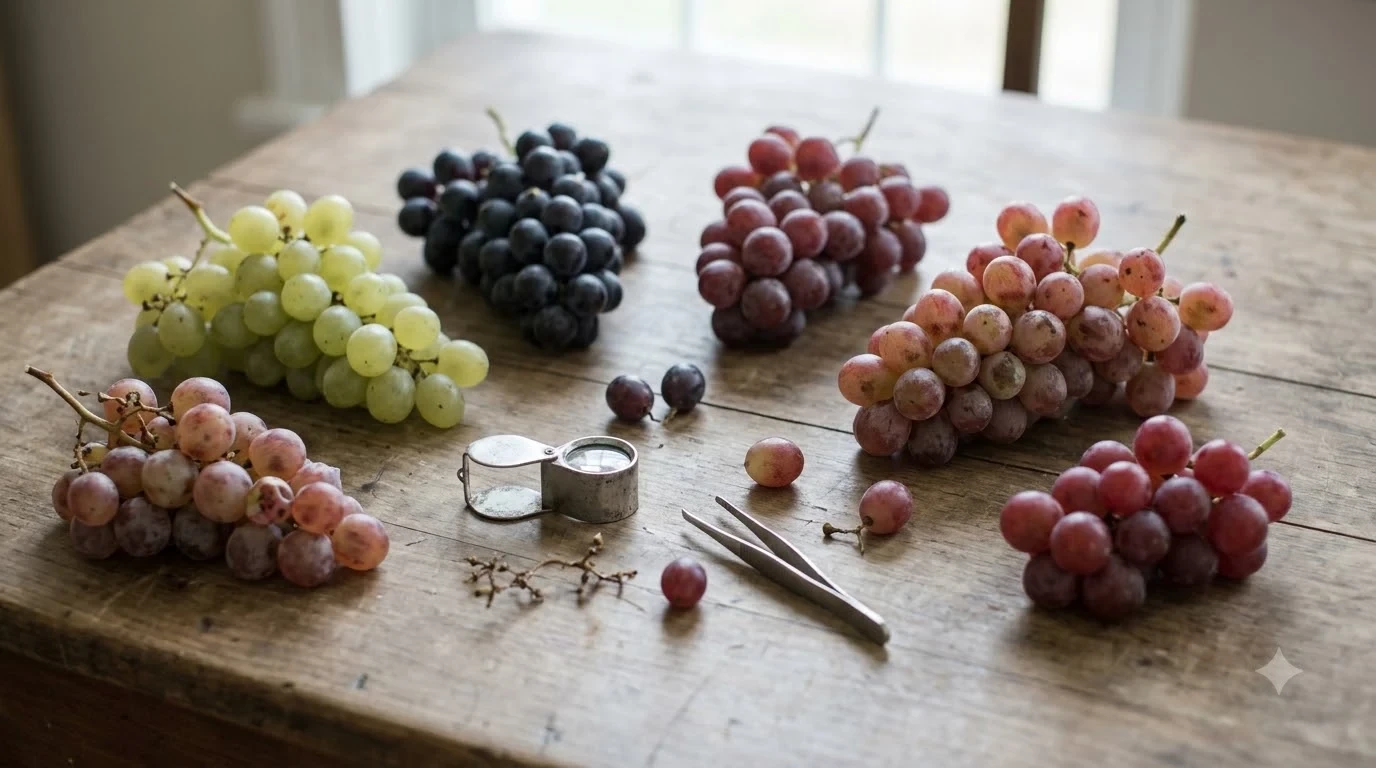
The grenache grape is a red variety with roots in northeastern Spain, where it is called garnacha, and it is widely grown across southern France and the Mediterranean. It makes generous, fruit-forward wines with flavors of strawberry, plum and dried herbs, medium tannin and a rich, round body. Grenache is the main grape in many southern Rhône blends and is also bottled on its own in Spain and California.
Grenache is one of the most planted red grapes in the world, yet many wine drinkers meet it only as a blend partner. This guide explains where the grape comes from, how its wines taste, how to serve them and what to eat with them. If you are working through the main red varieties, the wine by type guide is a useful place to compare grenache with other styles.
Where the Grenache Grape Comes From
The grape is generally traced to northeastern Spain, where it is known as garnacha and has been grown for centuries. Wine Folly describes its roots in that region, and the variety spread from there along the Mediterranean coast. The French took it up in the Southern Rhône Valley, where it became one of the defining grapes of Châteauneuf-du-Pape and the wider Rhône blend tradition.
From Spain and France, grenache moved to other warm, dry parts of the world. It is grown in Sardinia, where it is called cannonau, and it is planted in Australia and the United States, especially in California. Its heat tolerance and tendency to ripen fully make it well suited to these sunny sites, which is why it is one of the grapes that performs best in hot climates.
Flavor and Body of Grenache Wine
Young grenache smells of ripe red fruit, and on the palate Wine Folly lists stewed strawberry, grilled plum and blood orange as the main flavors. Dried herbs and a leathery note appear as the wine develops. The overall impression is warm and generous, with a fruit-forward style that many drinkers find easy to enjoy.
The body is medium to full, and tannin is medium, so the wine feels soft without being thin. Acidity is medium, and it keeps the fruit lively enough to balance the alcohol. Many grenache wines are rich in style, and it is common to see bottles above 15 percent ABV, which gives them the warm, weighty feel that sets the grape apart from lighter reds like pinot noir.
| Trait | Typical grenache wine |
|---|---|
| Body | Medium to full |
| Tannin | Medium |
| Acidity | Medium |
| Alcohol | Often above 15 percent ABV |
| Main flavors | Strawberry, plum, blood orange, dried herbs |
| Aging | Wine Folly suggests 10 or more years for some structured bottles |
Grenache also matters because of how it is grown. Vines are often old and low-yielding in parts of Spain and the Rhône, and older vineyards can produce concentrated fruit. Growers in hot climates often manage canopy and crop levels carefully, since the grape can make very ripe, heavy wine if it is left to ripen without restraint. The result is a grape that rewards careful farming and produces a wide range of styles.
Styles and Blends Made With Grenache
Grenache shows up in two broad forms. The first is the single-varietal wine, which is common in Spain and in warm regions of California and Australia. These bottles tend to be fruit-forward and approachable, and they often list the grape clearly on the label. The second is the blend, where grenache is combined with syrah, mourvèdre and other southern French varieties to build structure and color.
Within the blends, grenache usually supplies the fruit and body while the other grapes add tannin, spice or backbone. Rosé is another important style. Many dry rosés from Provence and the Rhône are based on grenache, and the pale color and crisp, berry-driven taste make it a popular warm-weather wine. Read the label to see whether a bottle is a varietal, a blend or a rosé, since each style tastes quite different.
Because grenache is so versatile, the way you use it at the table depends on the style. A fruit-forward single-varietal bottle suits a casual dinner, while a structured southern Rhône blend can handle a longer meal and a more formal setting. Rosé styles based on grenache are best served cool and fresh, often before a meal rather than with one.
How to Serve Grenache
Wine Folly recommends serving grenache between 60 and 68 degrees Fahrenheit, or about 15 to 20 degrees Celsius. That range is cooler than many people expect for a red, and it helps the fruit stay bright while keeping the alcohol from feeling heavy. A universal wine glass is a good choice for most bottles.
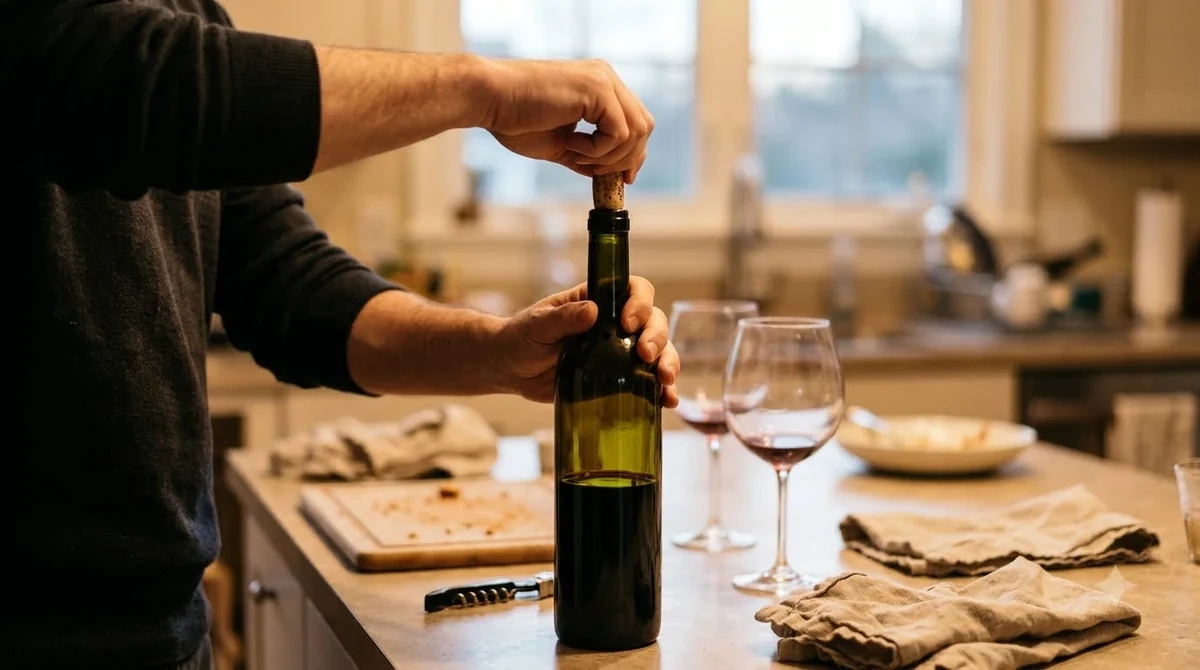
Decanting can help a young, rich grenache open up. Wine Folly suggests about 30 minutes in a decanter for many bottles, which softens the first impression and lets the herbal and leathery notes come through. Older structured wines can be decanted more gently, so the sediment stays behind.
Think about the sauce as much as the meat. Grenache carries ripe fruit, so sweet-savory glazes, smoky grilling and herb-rich marinades tend to match well. Avoid very delicate fish dishes or light salads with sharp vinaigrette, since they can make the wine taste heavier than it is.
Food Pairings for Grenache
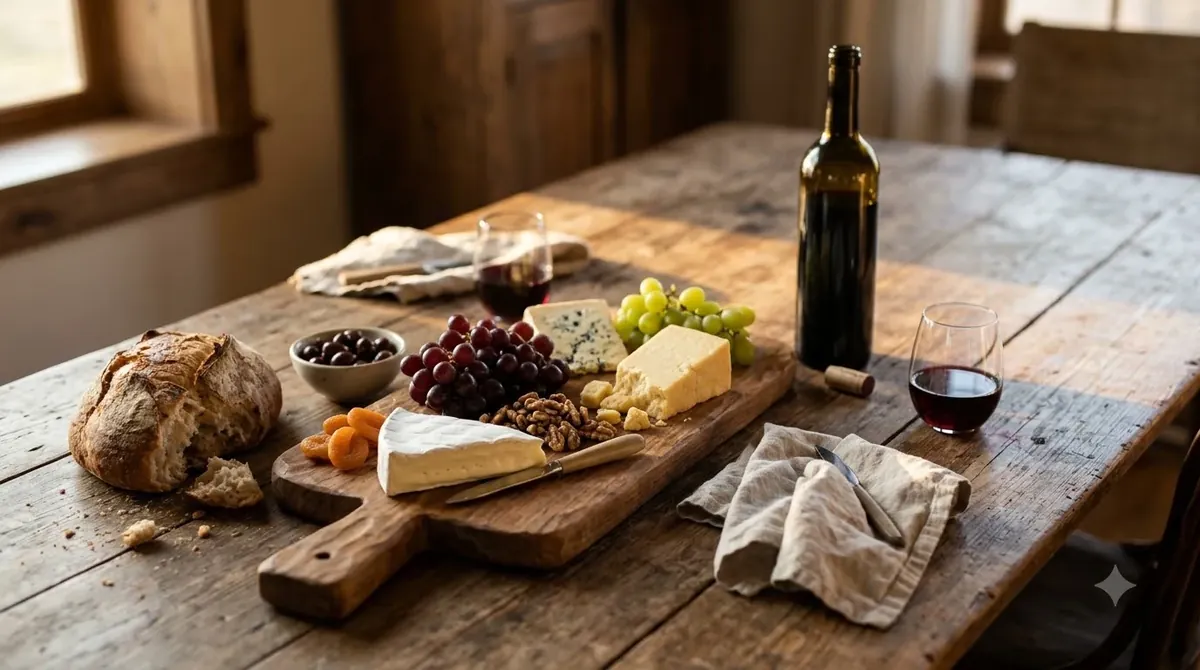
Grenache pairs well with foods that have some char or spice. Wine Folly points to roasted meats and vegetables seasoned with Asian five-spice and cumin, and the wine’s fruit and soft tannin handle those flavors without clashing. Grilled lamb, roasted chicken with herbs and barbecued pork all suit the wine’s warmth.
Because grenache has plenty of ripe fruit, it also works with tomato-based dishes, such as a rich ragù or a Mediterranean stew. Keep the sauce bold and the cooking simple, and let the wine carry the fruit. For a contrast in style, a lighter nebbiolo from northern Italy shows how a grape with more acid and tannin changes the match, and melon de Bourgogne is a crisp white that goes in the opposite direction on the table.
For a grape-level profile with the serving details used here, Wine Folly’s grenache guide is a good reference.
Grenache is also a good reference point for other warm-climate reds. Its soft tannin and generous fruit make it easy to understand, and tasting a few styles side by side shows how much climate, blending and oak can change the same grape.
Frequently Asked Questions
What does grenache taste like?
Grenache usually tastes of ripe strawberry, plum and blood orange, with dried herbs and a soft leathery note as the wine ages. The body is medium to full and the tannin is medium.
Is grenache the same as garnacha?
Yes. Garnacha is the Spanish name for the same grape. Grenache is the French name, and the wine is often called garnacha on Spanish labels.
Should grenache be served chilled?
It is served cooler than many reds, around 60 to 68 degrees Fahrenheit or 15 to 20 degrees Celsius. A short time in the refrigerator before serving helps keep the fruit bright.
Does grenache need to be decanted?
A young, rich bottle often benefits from about 30 minutes in a decanter. Older bottles with more structure can be poured gently to keep any sediment in the bottle.
The grenache grape rewards curiosity. Try a single-varietal Spanish garnacha to taste the fruit clearly, then compare it with a southern Rhône blend to see how the other grapes change the wine.
More in Wine Types & Grapes
 Zinfandel Sugar Content: Dry Red vs. White Zinfandel GramsUpdated Nov 21, 2026
 Best Zinfandel Substitute Options for Sipping and CookingUpdated Nov 21, 2026
 Zweigelt Food Pairing: Best Dishes, Cheeses, and Serving TipsUpdated Nov 21, 2026
 Zinfandel Tannins Explained: How Structure Shapes Every BottleUpdated Nov 21, 2026
 Zinfandel Sweetness Level: Dry Red vs. Sweet White Zin ExplainedUpdated Nov 21, 2026
 Xinomavro Food Pairing: Best Dishes, Styles, and Serving TipsUpdated Nov 21, 2026