

We may earn a commission when you buy through links on this page, at no extra cost to you. Learn more.
Bergerac vineyards are located in southwestern France’s Dordogne Valley, where they produce an exceptional range of red, rosé, dry white, and sweet wines across 10 appellations. Centered on the historic town of Bergerac, this winegrowing area shares several grape varieties with Bordeaux but offers its own distinctive regional expressions. From structured Merlot-based reds in Pécharmant to concentrated sweet wines in Monbazillac, the region provides plenty of variety for wine enthusiasts exploring French wine beyond its most famous appellations.
Stretching across the countryside along the Dordogne River, Bergerac’s vineyards combine a long winemaking history with a diverse collection of grape varieties, landscapes, and wine styles. The surrounding communities include several distinctive appellations, each with its own character. Understanding these differences makes it easier to choose bottles, appreciate regional traditions, and plan a rewarding vineyard visit. Whether you prefer Cabernet-based reds, crisp Sauvignon Blanc, or richly textured dessert wines, Bergerac offers a broad introduction to the wines of southwestern France.
Where the Bergerac Vineyards Are Located and Why They Matter
Bergerac’s vineyards occupy the Dordogne Valley in the Périgord region of southwestern France, with vines extending along both banks of the river. Their location between Bordeaux’s wine country and the inland landscapes of the Périgord has helped shape a wine culture that combines familiar Bordeaux grape varieties with distinctive local appellations.
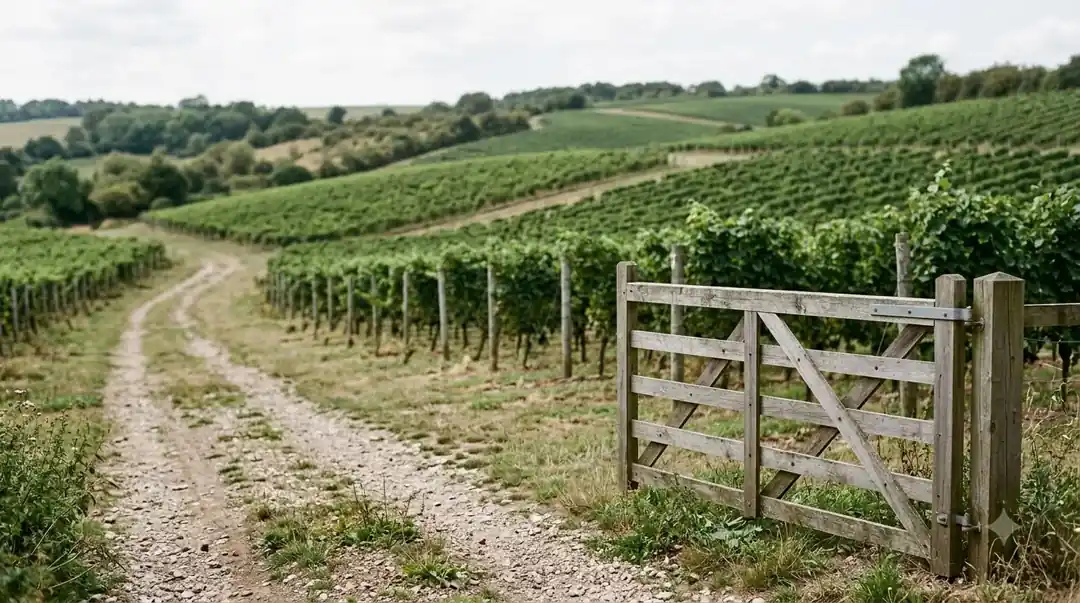
The historic town of Bergerac provides a useful starting point for understanding the region. Vineyards surround the town and extend toward neighboring winegrowing communities, including Monbazillac, Pécharmant, Saussignac, and Montravel. The broader Bergerac-Duras winegrowing area also reaches into Lot-et-Garonne, where the Duras vineyards form part of the same regional wine identity. The Dordogne River has historically played an important role in transportation and trade, helping local wines reach markets beyond the immediate countryside.
The area’s winegrowing history goes back many centuries. Regional tourism sources trace viticulture to the Roman period, while historical accounts describe how river transport supported the movement of wine barrels toward Bordeaux and the Atlantic. During the 19th century, phylloxera devastated vineyards throughout France, including those around Bergerac. The region subsequently rebuilt its wine industry, establishing the appellation framework that now distinguishes its different wine styles.
Bergerac received Appellation d’Origine Contrôlée recognition in 1936, while Côtes de Bergerac received its own AOC status in 1955. These designations established geographical and production requirements that help preserve the identity of wines made in the area. The wider Bergerac-Duras region is organized around seven principal terroirs and 10 appellations covering 17 appellation wines.
Its scale is substantial but remains closely connected to local communities. The Bergerac appellation alone encompasses approximately 7,350 hectares of vines and 800 winegrowers, with average annual production of around 380,000 hectoliters, according to Pays de Bergerac Tourism. These figures help explain why Bergerac is more than a small collection of specialist producers: it is an important regional wine center with a broad selection of everyday and distinctive wines.
For American wine drinkers, the easiest comparison is to think of Bergerac as a neighboring wine region with familiar Bordeaux varieties but a wider range of regional identities to discover. Exploring Wine Regions provides additional context for understanding how French appellations connect grape varieties, geography, and production traditions.
The Main Bergerac Appellations and Their Wine Styles
The Bergerac-Duras area contains 10 appellations producing 17 designated wines, with styles ranging from dry reds and refreshing whites to concentrated dessert wines. Learning seven principal terroir names provides a practical starting point for understanding the region’s diversity.
Bergerac is the broad regional appellation and offers red, rosé, and dry white wines. Côtes de Bergerac includes additional expressions, notably red wines and sweet white wines. These categories give consumers an accessible introduction to the region before moving on to smaller, more specialized appellations.
Pécharmant is particularly important for red wine enthusiasts. Located northeast of Bergerac, it is associated with more structured reds that can develop additional complexity with bottle age. Merlot, Cabernet Sauvignon, Cabernet Franc, and Malbec contribute to the traditional regional red-wine palette. These grapes provide familiar dark-fruit, herbal, and savory characteristics while allowing individual producers to create different blends.
Monbazillac is the region’s best-known sweet wine appellation. Situated on the opposite side of the Dordogne from Bergerac, it produces concentrated white wines that often feature honey, ripe stone fruit, candied citrus, and floral notes. Saussignac is another specialist sweet-wine appellation, while Rosette is associated with softer, gently sweet white wines.
Montravel offers a particularly varied selection, including dry white, red, and sweet white expressions. Its neighboring appellations, Côtes de Montravel and Haut-Montravel, contribute further sweet-white styles to the wider regional selection. Duras, meanwhile, lies farther west in Lot-et-Garonne and produces red, rosé, dry white, and sweet white wines.
| Appellation | Main wine styles | Typical character |
|---|---|---|
| Bergerac | Red, rosé, dry white | Fresh, versatile regional wines |
| Côtes de Bergerac | Red, sweet white | Fruit-driven reds and rounded whites |
| Pécharmant | Red | Structured, complex, age-worthy |
| Monbazillac | Sweet white | Honeyed, concentrated, rich |
| Saussignac | Sweet white | Freshness balanced with concentrated sweetness |
| Rosette | Sweet white | Soft, floral, gently sweet |
| Montravel | Red, dry white, sweet white | Fresh, mineral, varied |
| Côtes de Montravel | Sweet white | Rounded, sweet white expressions |
| Haut-Montravel | Sweet white | Concentrated dessert-wine styles |
| Duras | Red, rosé, dry and sweet white | Broad range of approachable styles |
The table provides a practical overview rather than a complete classification of every permitted wine category and production rule. Individual appellations have their own specifications, and producers may interpret their local conditions differently. For a detailed regional overview, the Pays de Bergerac appellation directory outlines the seven principal terroirs and their designations.
For buyers, the main lesson is that the name on the bottle matters. A Bergerac Rouge and a Pécharmant may share several grape varieties, but their appellation identities and typical wine styles are not interchangeable. Similarly, Monbazillac and Rosette are both sweet whites, yet they offer different levels of concentration and richness.
Grape Varieties That Define Bergerac Wines
Bergerac’s grape varieties closely resemble those found in Bordeaux, especially among its red wines. Merlot, Cabernet Sauvignon, Cabernet Franc, and Malbec form the principal red-wine group, while Sauvignon Blanc, Sauvignon Gris, Sémillon, and Muscadelle are important for white wines.
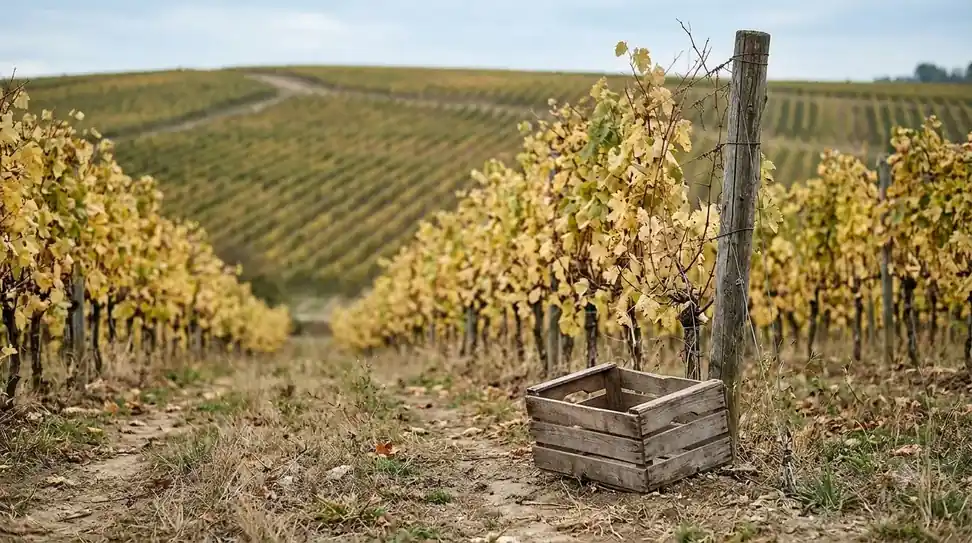
Merlot is particularly significant because it provides a softer, fruit-focused foundation for many regional reds. Its plum, blackberry, and cherry characteristics can make Bergerac Rouge approachable, especially when the wine is intended for relatively early drinking. Depending on the producer’s blending decisions and winemaking approach, Merlot may also contribute body and a rounded texture.
Cabernet Sauvignon brings a firmer tannic structure, darker fruit, and greater capacity for development in the bottle. Cabernet Franc can add freshness, red-fruit character, and herbal notes, while Malbec contributes deeper color and dark-fruit intensity. Blending these varieties allows winemakers to balance fruit, structure, and texture.
Pécharmant provides a useful example of how these grapes can work together. Traditional blends may combine at least three of the four principal red varieties, creating wines with pronounced fruit, cassis, spice, and earthy complexity. The precise proportions differ between producers, so two bottles from the same appellation can still show noticeably different personalities.
White wines follow another pattern. Sauvignon Blanc is valued for its acidity and fresh citrus, green-fruit, and herbal aromas. Sauvignon Gris offers another aromatic expression, while Sémillon contributes texture and body. Muscadelle can provide floral and fragrant qualities that complement the other varieties.
These grapes are used across several white-wine styles, from dry Bergerac Blanc to the sweet wines of Monbazillac, Rosette, and Saussignac. In a dry blend, Sauvignon Blanc can provide freshness while Sémillon adds weight. In a dessert wine, concentrated Sémillon and other permitted varieties can produce a richer texture with complex fruit and honeyed characteristics.
The difference between dry and sweet wine is not simply a matter of grape variety. Harvest timing, grape condition, fermentation decisions, and the concentration of natural sugars all contribute to the final style. A bottle made predominantly from Sémillon might therefore taste quite different depending on its appellation and production method.
For shoppers who already enjoy Bordeaux wines, Bergerac offers an opportunity to explore familiar grapes in another regional setting. Someone who prefers Merlot-based reds may start with Bergerac Rouge, while drinkers looking for firmer tannins can explore Pécharmant. Sauvignon Blanc enthusiasts should consider dry Bergerac Blanc or dry Montravel wines.
Monbazillac, Saussignac, and the Tradition of Sweet Wine
Sweet wine is one of Bergerac’s most recognizable specialties, particularly in Monbazillac. The combination of suitable autumn weather, noble rot, and selective harvesting allows producers to make concentrated wines with substantial sweetness balanced by acidity.
Monbazillac vineyards occupy hillsides on the left bank of the Dordogne, opposite the town of Bergerac. The local landscape and autumn conditions can encourage morning mist followed by sunshine. This pattern can support the development of Botrytis cinerea, commonly called noble rot, a fungus that reduces water content in healthy grapes and concentrates their sugars and flavors under suitable conditions.
Rather than harvesting every grape at once, producers may pick affected bunches or individual grapes in successive passes. This labor-intensive process is known as selective harvesting or tries successives. It allows winemakers to collect fruit when it reaches the desired concentration rather than relying on a single harvest date for the entire vineyard.
Sémillon is a central grape in Monbazillac, supported by Sauvignon and Muscadelle. The resulting wines can show honey, apricot, fig, candied citrus, ripe peach, and dried-fruit characteristics. Their sweetness is often balanced by acidity, preventing the wines from feeling simply heavy or sugary.
Some Monbazillac bottles carry the designation Sélection de Grains Nobles. According to Dordogne-Périgord Tourism, these particularly concentrated wines contain more than 85 grams per liter of residual sugar. This provides a useful reference point for understanding the richness associated with the designation.
Saussignac also produces sweet wines through the concentration of grapes affected by noble rot. Its vineyards lie southwest of Bergerac, and its production is associated with successive selective harvests. The permitted grape varieties include Sauvignon, Sémillon, Muscadelle, and Chenin.
Rosette provides a different expression of regional sweetness. Its wines are generally softer and more gently sweet, with floral and peach-like characteristics. They are useful choices for drinkers who enjoy a touch of sweetness but do not necessarily want the intensity of a concentrated dessert wine.
These distinctions are important at the table. Monbazillac can accompany rich desserts and strongly flavored regional foods, while Rosette may suit lighter fruit-based desserts or dishes with a gentle sweetness. Saussignac offers another option for people interested in the relationship between natural grape concentration, sweetness, and acidity.
Tip: Serve sweet Bergerac wines at approximately 43–50°F. Pair a concentrated Monbazillac with blue cheese, fruit desserts, or foie gras, and choose a less concentrated sweet wine when the food has a more delicate flavor.
For anyone unfamiliar with noble-rot wines, the most useful starting point is to compare two styles side by side. A younger Monbazillac can reveal fresh stone-fruit and floral notes, while a more concentrated example may show deeper honey, dried apricot, and candied citrus characteristics.
How Bergerac Wines Taste and What to Expect in the Glass
Bergerac wines cover a wide range of aromas, textures, acidity, tannin, and sweetness. Their character depends on grape variety, appellation, harvest conditions, blending, and the decisions made by each producer.
Bergerac Rouge commonly offers red and dark fruit aromas, including cherry, plum, blackberry, and sometimes cassis. Merlot-led versions may feel softer and more rounded, while wines with a greater proportion of Cabernet Sauvignon can show more noticeable tannins and firmer structure. Cabernet Franc may introduce herbal or savory details that add complexity.
Pécharmant is generally a stronger choice for drinkers who appreciate structured reds. Its traditional grape combinations can produce wines with concentrated fruit, spice, and earthy notes. Some examples are enjoyable while young, while more substantial bottles can benefit from additional bottle age.
Dry Bergerac Blanc often emphasizes freshness and aromatic fruit. Sauvignon Blanc can contribute lemon, grapefruit, green apple, and herbal aromas, while Sémillon provides additional texture. These wines are generally useful with seafood, salads, fresh cheeses, and lighter poultry dishes.
Bergerac rosé offers another approachable option. Its fresh fruit character can include strawberry, raspberry, and other red-berry notes. The style is suitable for casual meals, outdoor dining, and dishes where a substantial red would feel too heavy.
Sweet whites offer a contrasting experience. Monbazillac is typically richer and more concentrated than a dry Bergerac Blanc, with honeyed fruit and a fuller texture. Rosette usually provides a gentler sweetness, while Saussignac can deliver concentrated fruit with refreshing acidity.
Serving temperature has a significant effect on how these wines appear in the glass. A white wine served too warm can seem less refreshing, while a red served excessively cold may appear harder and more tannic. The following temperature ranges offer practical starting points.
| Wine style | Suggested serving temperature |
|---|---|
| Dry Bergerac white | 45–50°F |
| Fuller-bodied white | 50–55°F |
| Bergerac rosé | 45–50°F |
| Light-bodied red | 55–60°F |
| Full-bodied red or Pécharmant | 60–65°F |
| Monbazillac and other sweet whites | 43–50°F |
Young, full-bodied reds can benefit from 30–60 minutes of decanting, particularly when their tannins feel firm. Lighter Bergerac reds may need little or no decanting. For regular storage, keep bottles away from direct sunlight and significant temperature fluctuations, ideally on their sides in a cool environment near 55°F when using cork closures.
Once opened, still Bergerac wines generally remain in good condition for approximately 3–5 days when refrigerated and properly sealed. Sweet wines may also benefit from refrigeration after opening. The exact drinking window depends on the wine’s structure, age, and storage conditions.
Food Pairing Ideas for Bergerac Red, White, and Sweet Wines
Bergerac’s variety makes food pairing relatively straightforward because the region offers wines for everything from casual lunches to rich regional dishes. Matching the wine’s acidity, tannin, sweetness, and body with the food is more useful than choosing solely by color.
Merlot-led Bergerac Rouge works particularly well with roasted chicken, grilled pork, mushroom dishes, and moderately seasoned beef. Its softer tannins and ripe fruit complement foods with savory flavors without overwhelming lighter ingredients. A fruit-driven red can also accompany charcuterie and moderately aged cheeses.
Pécharmant is a natural option for heartier meals. Its firmer structure and dark-fruit character can complement grilled beef, lamb, duck, and slow-cooked meat dishes. Salt and fat help soften the perception of tannin, which explains why structured red wines can work so well with rich meat preparations.
Dry Bergerac Blanc is a useful match for seafood, shellfish, grilled white fish, and fresh salads. Sauvignon Blanc’s acidity helps balance dishes with lemon, vinaigrette, and fresh herbs. The wine’s aromatic character can also complement goat cheese and vegetable dishes.
Rosé offers flexibility with picnic foods, grilled vegetables, roast chicken, and lighter pork preparations. Its red-fruit flavors can work with tomato-based dishes, while its freshness helps keep the pairing from feeling too heavy.
Sweet Monbazillac has some particularly interesting traditional pairings. Foie gras is a well-known regional match because its rich texture and savory character complement the wine’s concentrated fruit and sweetness. Blue cheese also provides a useful contrast, as its saltiness can balance the wine’s sugar.
For desserts, match the sweetness of the wine to the sweetness of the food. A wine that is less sweet than the dessert may taste thin or overly acidic. Monbazillac can accompany fruit tarts, apricot desserts, and pastries, provided the dessert does not overwhelm the wine’s own sweetness.
Acidity matters just as much as sweetness. A dish with a pronounced acidic component, such as a citrus dressing, needs a wine with comparable or greater acidity to avoid making the wine taste flat. Dry Sauvignon-based Bergerac whites are therefore often more suitable than soft, low-acidity wines for lemon-seasoned seafood.
Spicy dishes require a little more care. Alcohol and tannin can amplify the sensation of chili heat, so a high-tannin Pécharmant may not be the most comfortable match for very spicy food. A fresh white or a gently sweet wine is often a more practical option.
Oily fish can also be difficult with tannic reds. Rather than pairing a structured Cabernet-based Bergerac red with oily fish, choose a fresh dry white or another wine with enough acidity to complement the fish’s richness. These basic principles make it easier to choose between the region’s different appellations at the dinner table.
Planning a Visit to the Bergerac Wine Country
A vineyard visit is one of the best ways to understand the differences between Bergerac’s appellations. The winegrowing area offers producer visits, tasting rooms, local food experiences, and scenic routes linking vineyards with historic towns and countryside attractions.
Bergerac is a convenient base for organizing a visit. Its central position makes it possible to explore nearby winegrowing communities without changing accommodation every night. Visitors can begin at Quai Cyrano, a wine and tourism center in Bergerac, where tasting facilities and regional information help travelers plan their vineyard stops.
Monbazillac is a particularly worthwhile destination for visitors interested in sweet wines. Its château and surrounding vineyards provide a recognizable setting for understanding the local relationship between landscape and noble-rot wine production. A visit can combine an exploration of the historic property with a tasting of regional sweet whites.
Pécharmant offers another useful destination, especially for travelers who prefer red wines. Visiting estates in this area provides an opportunity to compare Merlot, Cabernet Sauvignon, Cabernet Franc, and Malbec in different blends. Asking producers about vineyard conditions, harvest decisions, and aging choices can help explain why wines from the same appellation differ.
Saussignac and Rosette are worth including for travelers who want to understand the region’s range of sweet wines. Comparing these appellations with Monbazillac can reveal differences in concentration, sweetness, and aromatic character. Montravel is another rewarding stop for visitors interested in dry whites and reds as well as sweet wines.
The regional wine route links many of these destinations. France’s official tourism information describes visits, tasting opportunities, vineyard walks, gourmet markets, and cultural events across the Bergerac-Duras wine area. The route also offers opportunities to experience local food traditions, including foie gras and Périgord cheeses.
Visitors interested in broader international wine landscapes can compare their experience with destinations such as Tasmania vineyards or Chianti Classico vineyards. These regions provide very different combinations of climate, grape varieties, and wine traditions, making them useful comparisons for understanding the importance of place in wine production.
A practical itinerary should allow enough time for tastings without trying to visit too many estates in one day. Two or three appointments can provide a better opportunity to talk with winemakers and compare different styles. Booking ahead is sensible, particularly during busy travel periods, and visitors should arrange transportation before planning multiple tastings.
When choosing producers, look for a mixture of appellations rather than visiting several estates that make almost identical wines. A dry Bergerac Blanc, a Pécharmant red, and a Monbazillac sweet white provide a useful introduction to three quite different sides of the region.
Frequently Asked Questions
Are Bergerac wines considered Bordeaux wines?
Bergerac is a separate wine region with its own appellations and geographical identity, although it shares important grape varieties with Bordeaux. The two regions also have historical and commercial connections through the Dordogne and Gironde river systems. A Bergerac bottle should therefore be understood as a wine from its own designated appellation rather than as a Bordeaux wine.
Can Bergerac wines be aged for several years?
Some Bergerac wines are intended for early drinking, while structured Pécharmant reds and concentrated Monbazillac wines can develop over several years. The aging potential depends on the producer, vintage conditions, acidity, tannin, and wine concentration. A specific bottle’s recommended drinking window is more useful than assuming every wine from the region has the same cellar potential.
What does AOP mean on a Bergerac wine label?
AOP stands for Appellation d’Origine Protégée, the European designation protecting a product’s geographical origin and production identity. French labels may also use the traditional term AOC, or Appellation d’Origine Contrôlée. Both terms are closely connected to rules governing the designated wine’s origin and production.
Is Pécharmant made exclusively from Merlot?
No. Traditional Pécharmant blends can use Merlot, Cabernet Sauvignon, Cabernet Franc, and Malbec. Regional descriptions identify combinations of at least three of these four principal red grapes as traditional for the appellation. The resulting wines can show different balances of fruit, tannin, and savory complexity.
What is the best season to visit Bergerac vineyards?
Late spring and early autumn are attractive periods for exploring the countryside, with vineyard landscapes offering different seasonal experiences. September and October can coincide with harvest activity, although exact timing varies with weather and grape maturity. Autumn is also particularly relevant to sweet-wine production because suitable conditions for noble rot are important in Monbazillac and Saussignac.
Bergerac vineyards offer much more than an alternative source of Bordeaux-style reds. Their 10 appellations cover an impressive range of wines, from fresh Sauvignon Blanc and approachable Merlot to structured Pécharmant and concentrated Monbazillac. Exploring these differences through individual bottles, regional food pairings, and vineyard visits provides a rewarding introduction to one of southwestern France’s most diverse winegrowing areas.
More in Wine Regions
 Willcox Wine Trail: Discover Arizona’s High-Elevation Wine CountryUpdated Nov 20, 2026
 Yakima Valley Wine Region: Find the Best Styles to TryUpdated Nov 20, 2026
 Vosne Romanee Wine Tasting: Identify Aromas and Choose Better PairingsUpdated Nov 20, 2026
 Yakima Valley Wine Festival: Find the Best Seasonal Wine EventsUpdated Nov 20, 2026
 Wales Vineyards: Discover Cool-Climate Wines and Where to VisitUpdated Nov 20, 2026
 Yountville Wine Festival: Discover Napa Wines and Local FoodUpdated Nov 20, 2026