

We may earn a commission when you buy through links on this page, at no extra cost to you. Learn more.
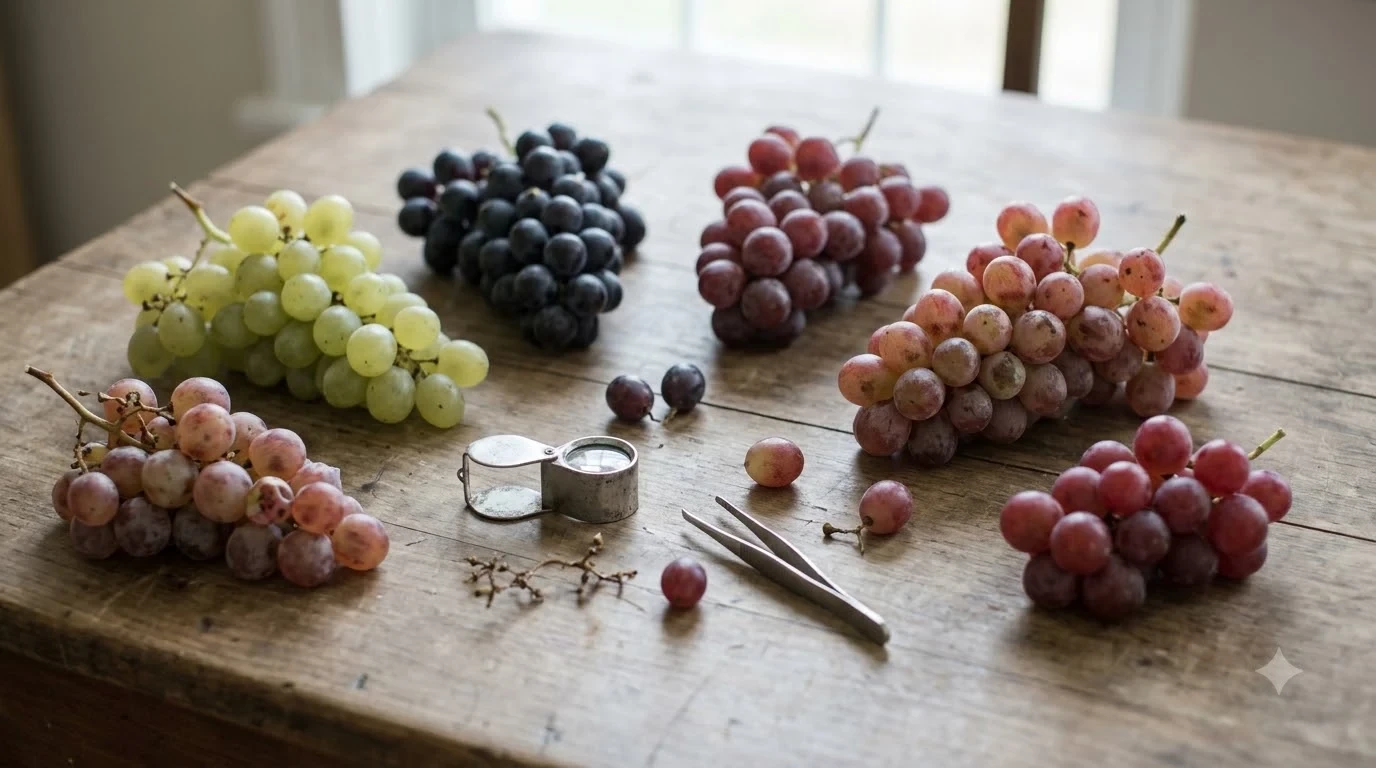
White zinfandel grape is not a separate variety. It is the red Zinfandel grape made into a pale pink, semi-sweet rosé. Producers press the red grapes with only brief skin contact, so the juice takes on little color, and they stop fermentation before all the sugar turns into alcohol. That leftover sweetness is what most drinkers notice first.
This guide explains where white zinfandel comes from, how it is made, how it tastes, and why it became so popular in the United States. It also covers how to serve and pair it, so you can decide whether this style suits your glass.
What white zinfandel actually is
White zinfandel is a rosé made from the red Zinfandel grape, and its pale color is the only thing that makes it “white.”
The name is a little misleading. The grape is Zinfandel, the same thick-skinned red variety used for bold red wines in California. The “white” in the name refers to the pale color of the finished wine, not to any white grape.
The key step is minimal skin contact. Red wine gets its color from pigments in the skins, so a producer who wants a light wine lets the juice sit on the skins only briefly before pressing it off. The result is a blush-colored wine with a light body. Because the skins contribute less tannin, the wine feels soft and easy in the mouth.
The sweetness comes from a deliberate decision. Producers stop fermentation before all the sugar has been converted to alcohol, which leaves residual sugar in the bottle. That makes the wine semi-sweet, and it is the feature that separates white zinfandel from most other rosés on the shelf.
Flavor profile and sweetness level
Most white zinfandels taste of fresh strawberry, watermelon, and other ripe red fruit, with a soft, candy-like finish. Sweetness is the dominant feature. A dry rosé from Provence or a light red such as pinot noir grape wine will feel much crisper and more savory by comparison.
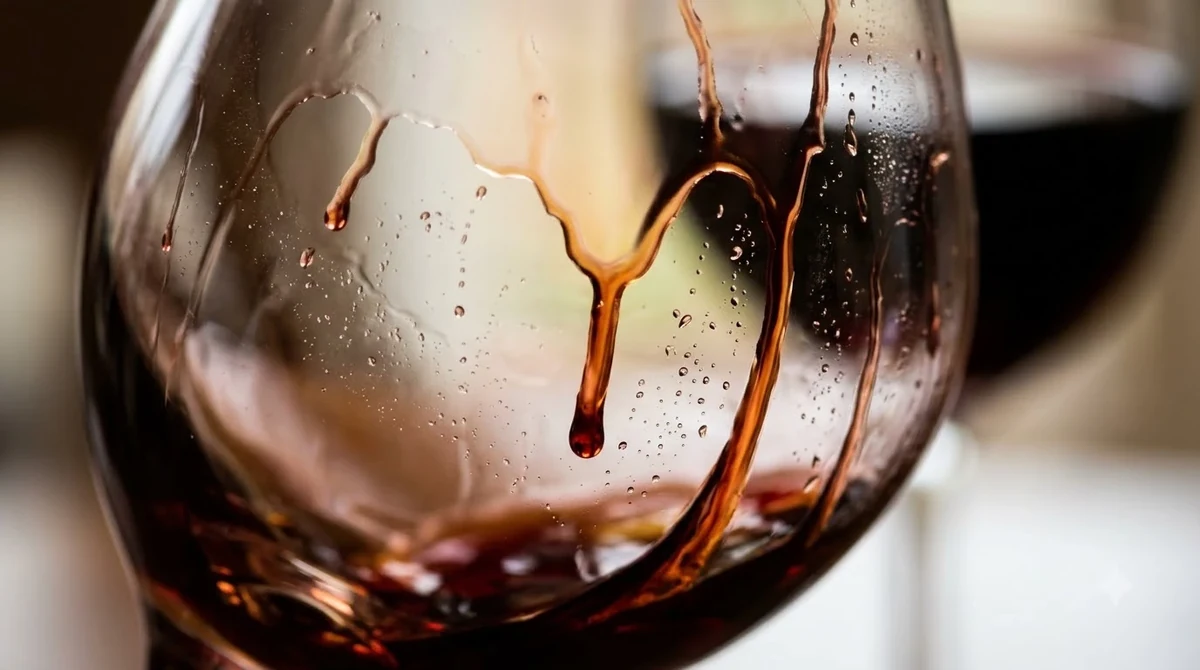
The body is light, with lower tannin than a red wine, so it feels smooth and round rather than dry on the palate. The finish is usually short, which is part of why it works well as an everyday pour.
Not every bottle tastes the same. The level of sugar varies by producer, and newer versions are often drier than the sweet pink wines of the 1980s. Critics who once dismissed the style often said it lacked structure, but the better modern examples have more fruit and less cloying sweetness. The word “white zinfandel” alone does not tell you how sweet a bottle is, so check the producer’s tasting notes before you buy.
| Style | Sweetness | Typical flavors | Best for |
|---|---|---|---|
| Classic white zinfandel | Semi-sweet | Strawberry, watermelon, candy | Easy sipping and casual meals |
| Modern, drier white zinfandel | Off-dry to medium | Red cherry, citrus, light spice | Drinkers who want less sugar |
| Dry rosé made from red Zinfandel | Dry | Raspberry, herbs, savory notes | Food pairing and warm weather |
Where the grapes come from
White zinfandel is a commercial wine made to a consistent style, so its fruit usually comes from large, warm growing areas rather than from small, cool vineyards.
According to VinePair’s Zinfandel guide, the grapes come from California’s Central Valley and are grown specifically for this pink wine.
Growing for a sweet rosé is different from growing for a serious red. Growers focus on yield and ripe, consistent fruit. Single-vineyard character matters far less than it does in a premium red, which is why the category is judged mainly on balance and drinkability rather than on terroir.
Why white zinfandel became so popular
White zinfandel became famous in the mid-1970s, and its success changed how American shoppers thought about pink wine. Demand for white wine was running ahead of the supply of white grapes, so producers made white wine from red grapes instead, and the pale, sweet style sold well to drinkers who wanted something easy.
Its reputation went through a clear arc. Early critics dismissed the style as simple and sugary, and for a time it was the butt of jokes about wine snobbery. Yet the sales figures never fully disappeared, and many people who first tried wine through a sweet pink bottle went on to explore drier styles later.
The category has since lost some of its fashion, but it still holds a meaningful share of the market. VinePair says it accounts for nearly 10 percent of wine sales across the country. Its approachable style keeps it on grocery store shelves, even as many buyers move toward dry wines.
How white zinfandel differs from other pink wines
Pink wines are easy to confuse, so it helps to draw clear lines. White zinfandel is a semi-sweet, blush-style wine, and its sweetness and soft red fruit set it apart from most other rosés.
A dry rosé from Provence is usually crisp, with a savory, mineral edge and little or no residual sugar. A blush wine is a broader style that can be sweet or dry, and white zinfandel is its best-known example. Sparkling rosé adds bubbles and usually brings higher acidity, which makes it a good match for rich food and fried dishes.
Because of its fruit-forward softness, white zinfandel is often recommended to people who are new to wine and want something that tastes familiar. Once you know your preference for sweet or dry, you can move to other rosés with more confidence.
How to serve and pair white zinfandel
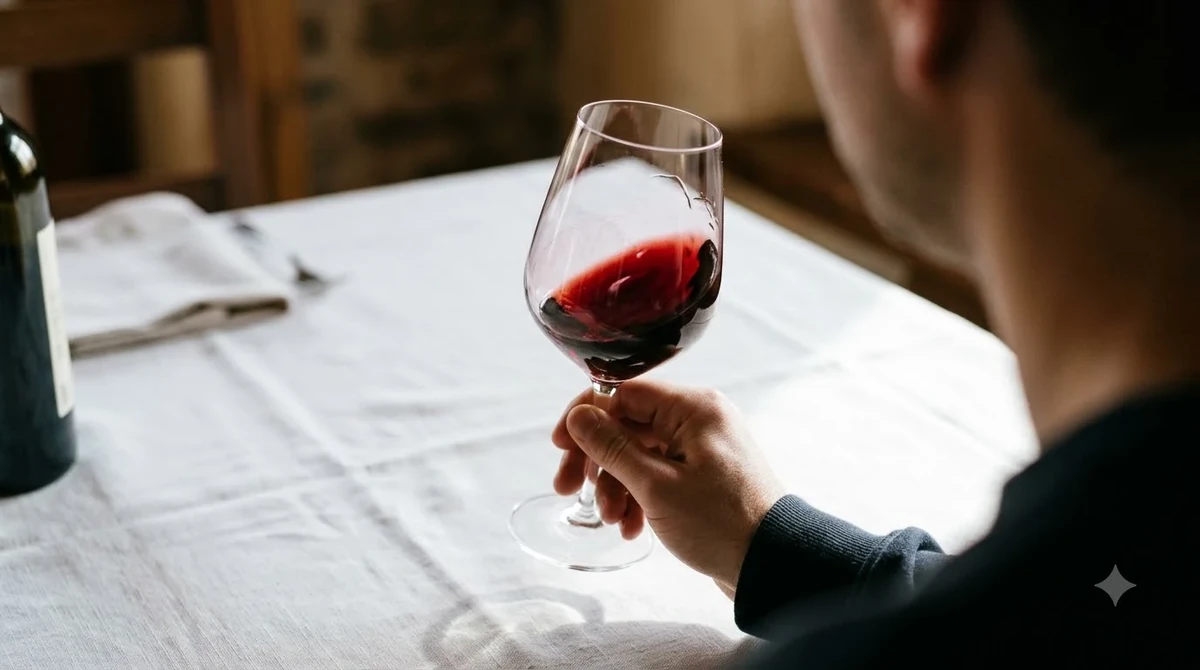
Serve it well chilled, but not ice cold, so the fruit aromas stay open. A standard white wine glass works well, and there is no need to decant or let the wine breathe. Because it is light and sweet, it suits a relaxed afternoon or a drink before dinner. A slightly tulip-shaped glass helps concentrate the strawberry and melon aromas, though any clean glass will do for a casual bottle.
Store it in the refrigerator once opened and drink it within a few days, because the fresh fruit fades quickly. An unopened bottle should be kept cool and out of direct sunlight until you are ready to serve it.
VinePair recommends pairing fresh, fruity white zinfandel with lean proteins such as chicken or pork, especially when the dish has a tomato-based sauce. The sweetness balances the acidity in the sauce, and the fruit echoes the flavors on the plate. Spicy Asian dishes and fruit-based desserts also work well with the sweetness.
Tip: If the sweetness feels too strong, look for a drier rosé and save the sweeter style for food. A white zinfandel with a spicy dish often tastes more balanced than it does on its own.
Frequently Asked Questions
Is white zinfandel made from a different grape than Zinfandel?
No. White zinfandel is made from the red Zinfandel grape. The winemaker removes the juice from the skins early, which keeps the color pale, so the grape is the same but the wine is a pink rosé.
Is white zinfandel sweet?
Yes, it is usually semi-sweet because the fermentation is stopped before all the sugar becomes alcohol. Sweetness varies by producer, so the bottle’s tasting notes are the best guide if you want a drier style.
Is white zinfandel the same as blush wine?
Blush is a broad term for light pink wines, and white zinfandel is the best-known blush-style wine. Not every blush is made from Zinfandel, but most white zinfandels fit the blush category because of their pale color and sweetness.
Should white zinfandel be aged?
It is meant to be drunk young and fresh. Its fruit character fades over time, so buy a recent vintage and drink it within a year or so of the release date, the way most rosés are enjoyed.
White zinfandel is a simple, fruit-forward wine built around one clear idea: a red grape made into a pale, sweet rosé. If you like the fruit but want less sugar, the same grape also makes dry red Zinfandel, which you can explore through the zinfandel grape guide. For a wider view of styles, the Wine by Type section covers the main categories side by side.
More in Wine Types & Grapes
 Zinfandel Sugar Content: Dry Red vs. White Zinfandel GramsUpdated Nov 21, 2026
 Best Zinfandel Substitute Options for Sipping and CookingUpdated Nov 21, 2026
 Zweigelt Food Pairing: Best Dishes, Cheeses, and Serving TipsUpdated Nov 21, 2026
 Zinfandel Tannins Explained: How Structure Shapes Every BottleUpdated Nov 21, 2026
 Zinfandel Sweetness Level: Dry Red vs. Sweet White Zin ExplainedUpdated Nov 21, 2026
 Xinomavro Food Pairing: Best Dishes, Styles, and Serving TipsUpdated Nov 21, 2026