

We may earn a commission when you buy through links on this page, at no extra cost to you. Learn more.
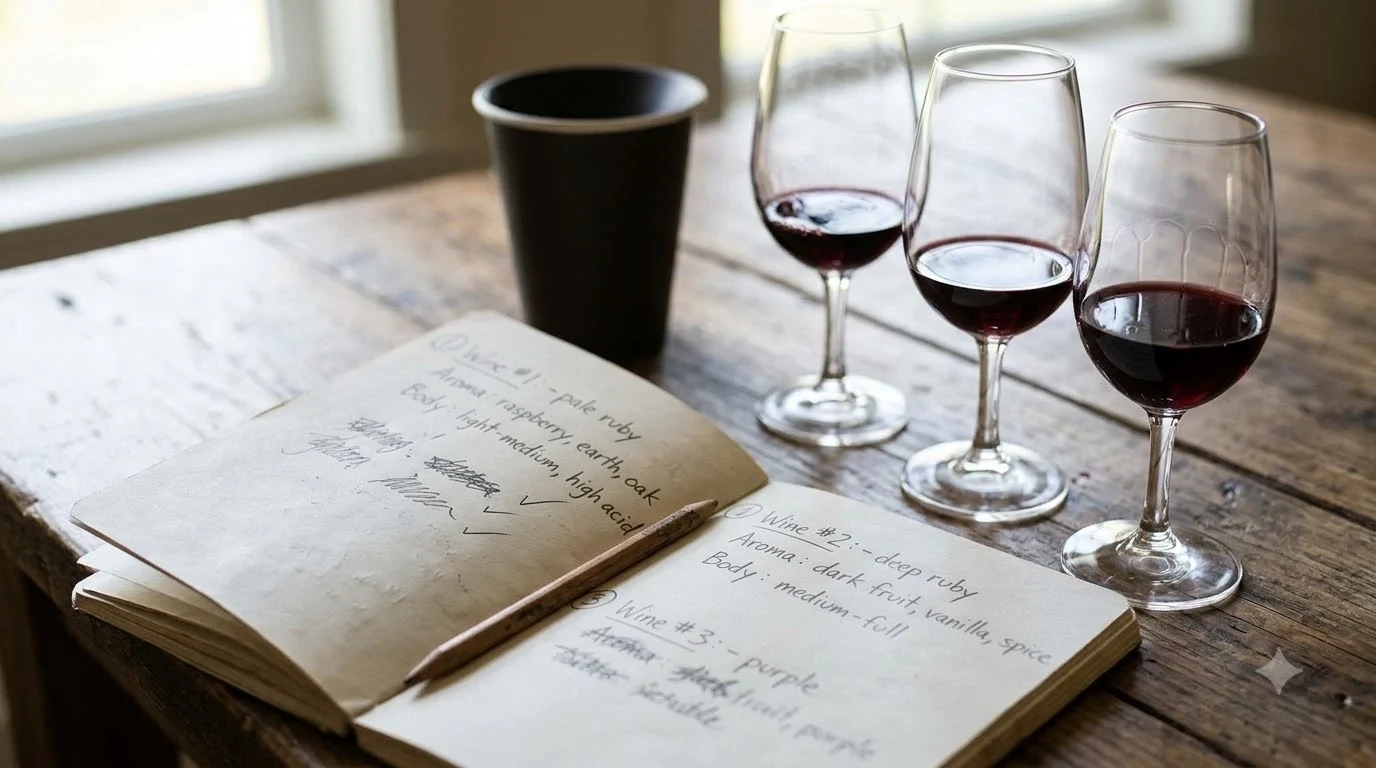
Livermore wine tasting takes place in the Livermore Valley AVA, a valley east of San Francisco Bay where daytime warmth and cool nights shape the wines, and where more than 50 wineries pour everything from classic Petite Sirah to Bordeaux-style blends. The valley is small enough to cover in one day, and most of its tasting rooms sit within easy reach of each other, so a visitor can compare several producers without a long drive between them.
This guide explains what makes the valley different from better-known California regions, how its tasting rooms usually work, which wines are worth ordering, and how to plan a visit that fits a single afternoon or a full weekend. The goal is simple: help you walk into a Livermore tasting room knowing what to ask and what to taste.
Where the Livermore Valley fits in California wine country
The Livermore Valley is an American Viticultural Area, or AVA, established in 1982. It was the nation’s 19th AVA, California’s 13th, and Alameda County’s first, according to the historical record summarized on Wikipedia. That official recognition came after a long history, since vines were first planted in the valley during the Mission Period and the area was named for Robert Livermore, who planted early vineyards in 1834.
Geography explains much of the character. The valley is shaped by San Francisco Bay and the Pacific, which bring afternoon breezes and morning fog. Those breezes keep summer temperatures moderate, while the days and nights still vary widely. Most of the valley falls in Winkler Region III, a climate band that suits grapes that need a long, slow ripening season. The growing season typically runs from March to early November, which gives the vines a long, steady ripening window.
Wineries and how the tasting rooms work
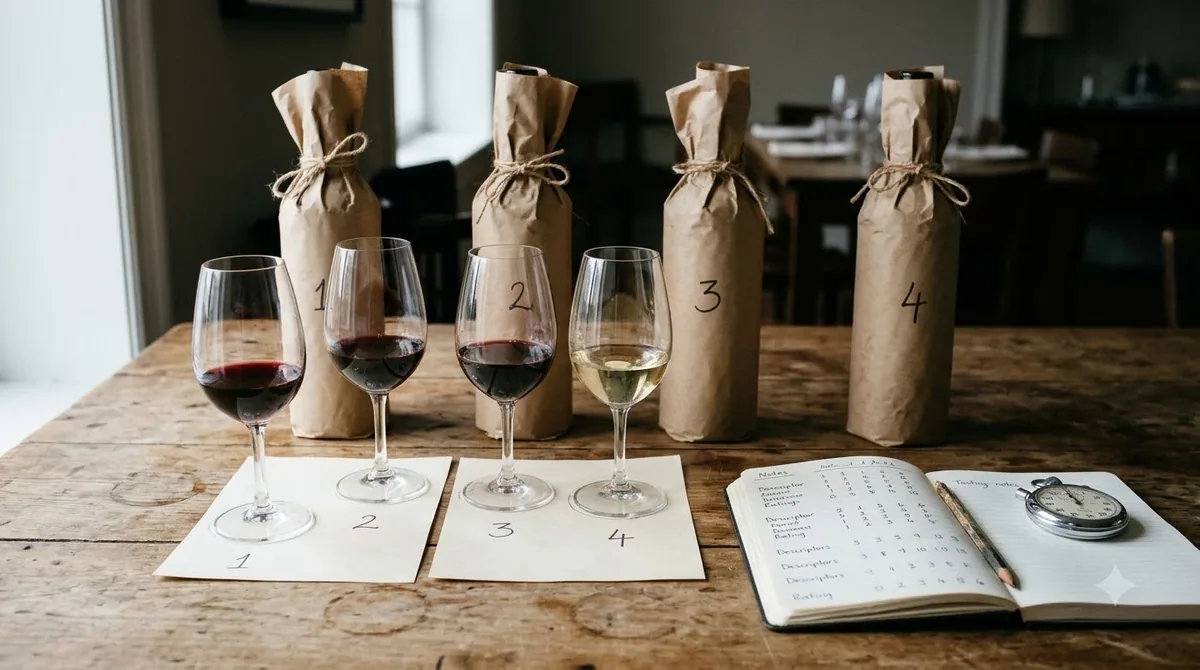
More than 50 wineries operate in the valley, which is a large number for a region of its size. Some are long-established family operations, while others are newer boutique producers that make small lots and often open tasting rooms in town rather than on a rural estate. That mix is part of the appeal, because a single afternoon can take you from a historic estate to a relaxed urban bar.
Wente Vineyards is the best-known name in the area. Its official website describes the winery as “America’s oldest, continuously operated, family-owned winery,” dating its origins to 1883, and says the property sits about 30 miles from San Francisco Bay. Its Tasting Lounge offers cave tours, seated tastings and a walk-up bar, and the winery recommends reserving a tasting in advance. Concannon, another long-running producer, also survived the Prohibition era by making sacramental wine, according to the same historical summary.
The valley’s history also explains why its wineries feel so varied. Vineyards expanded in the 1880s, and by the peak of planting the valley held about 15,000 acres and more than two dozen wineries. Prohibition shut most of that down, and the valley’s reputation was rebuilt slowly over the following decades. Today’s visitors see the result in the mix of historic cellars and newer boutique rooms.
Many smaller rooms work differently. Some accept walk-ins during set hours, some require a reservation for a seated flight, and some run tastings only on weekends. Check the hours and booking policy before you go, because the valley’s tasting rooms change their schedules often, especially outside peak season.
Grapes and styles you will taste
The valley grows a wide range of grapes, which is one reason the tasting menus can look so varied. Cabernet Sauvignon, Merlot, Cabernet Franc, Chardonnay, Sauvignon blanc, Sémillon and Sangiovese all have a presence here, and the valley is also well suited to dessert wines and Rhône-style varieties.
Petite Sirah has the strongest historical link to Livermore. Its dark color, firm tannins and dense fruit made it the best-known red in the valley for generations, and many producers still bottle it as a varietal. If you see one on a flight, it is a good wine to taste for context, because it shows what the valley’s warm days and cooler nights can do with a thick-skinned grape.
Whites and rosés are worth tasting too. Sauvignon blanc from the valley tends to show bright citrus and herbal notes, while Sémillon can bring a richer, honeyed texture. Bordeaux-style reds, built from Cabernet Sauvignon and Merlot, round out most menus and make a good comparison point if you already know Napa or Sonoma.
| Valley feature | What it means for your tasting |
|---|---|
| Climate | Breezes and fog keep temperatures moderate, so reds stay balanced rather than heavy |
| Growing season | Roughly March to early November, which gives the vineyards a long ripening window |
| Signature red | Petite Sirah, historically the best-known red in the valley |
| Winery count | More than 50 wineries, many with tasting rooms in town |
| Typical tasting | A flight of four to six wines, often a mix of white, rosé and red |
Planning a Livermore wine tasting day
A single day is enough for three or four tasting rooms if you plan the route. Start with a larger estate in the morning, when the staff has time for longer explanations, then move to smaller rooms in town for the afternoon. Keep the stops close together, and leave room for a meal, since many visitors find that food helps them pace the day.
Plan for a designated driver or a ride service, and build in a break between stops rather than tasting back to back. Tasting rooms in the valley are spread across a rural landscape and a small downtown area, so travel time between them can be longer than the map suggests. Pour sizes are small, but several tastings in a row add up, and the valley’s roads are not built for a long walk between rooms. If you are visiting on a weekend, book early, because popular seated tastings fill quickly. Weekday visits are often calmer and make it easier to ask questions.
Tip: Ask the host to pour the lightest wines first and the heaviest reds last. Spit if you plan to keep tasting, and drink water between pours.
What to ask at the tasting bar
A good tasting is partly a conversation. Hosts can tell you which wines come from estate fruit, which are sourced from other vineyards in the valley, and how the winemaker handles oak. Those answers help you understand why two wines from the same valley can taste so different.
Ask about the vineyard sites as well. Some producers can tell you which blocks or sub-appellations supply a given wine, and that detail explains a great deal about the glass in front of you. Ask which grapes the winery grows itself and which it buys in. Ask how long the reds spend in barrel and whether any wines are blends. If you like a bottle, ask whether the winery offers club membership or shipping, since many valley producers sell most of their wine direct to visitors.
Buying a bottle at the winery is often the best way to remember a visit. Many producers keep their current releases on hand in the tasting room, and some offer small-lot wines that are not sold in stores. Ask the staff whether a particular bottle will be available to ship to your state, since shipping rules for wine vary widely across the country.
Frequently Asked Questions
Do I need a reservation for Livermore wine tasting?
Not always, but it is wise to book for weekends and for seated tastings with cave tours. Walk-ins are often welcome at bars and smaller rooms, though hours can change, so check each winery’s current booking policy before you leave.
How many wineries are in the Livermore Valley?
More than 50 wineries operate in the valley, which is a large number for a region of its size. Many are small producers, so you can plan a visit around the ones that fit your tastes.
What wine is Livermore known for?
Petite Sirah has the longest association with the valley and was its best-known red for many years. The area also produces Cabernet Sauvignon, Merlot, Sauvignon blanc, Chardonnay and Sémillon, so most visitors find a wide range of styles.
Is Livermore Valley close to San Francisco?
Yes. The valley lies east of San Francisco Bay, and the Wente Vineyards website places its property about 30 miles from the bay. That closeness makes Livermore a practical day trip for people staying in the Bay Area.
Livermore rewards visitors who like to compare styles and talk with the people who make the wine. Plan a short route, book the tastings you care about most, and taste with curiosity. For a broader view of how California regions differ, explore our wine regions guide, and if you are comparing valley wines with other destinations, our Lodi wine tasting guide covers another Central Valley option.
More in Wine Regions
 Willcox Wine Trail: Discover Arizona’s High-Elevation Wine CountryUpdated Nov 20, 2026
 Yakima Valley Wine Region: Find the Best Styles to TryUpdated Nov 20, 2026
 Vosne Romanee Wine Tasting: Identify Aromas and Choose Better PairingsUpdated Nov 20, 2026
 Yakima Valley Wine Festival: Find the Best Seasonal Wine EventsUpdated Nov 20, 2026
 Wales Vineyards: Discover Cool-Climate Wines and Where to VisitUpdated Nov 20, 2026
 Yountville Wine Festival: Discover Napa Wines and Local FoodUpdated Nov 20, 2026