

We may earn a commission when you buy through links on this page, at no extra cost to you. Learn more.
Switzerland wine is mostly dry white and red wine grown on steep Alpine slopes in six regions, with Chasselas as the leading white and Pinot Noir as the most important red. The official Swiss wine promotion site reports 14,569 hectares of vineyards tended by more than 2,500 winegrowers. Very little of it is exported, which is why most American wine drinkers rarely see a bottle on the shelf, even though the wines are worth knowing once you find them.
This guide explains where Swiss wine comes from, which grapes matter, how the wines are usually served, and what to order when you want to try one. It also covers the country’s wine tourism, which is a good way to taste the wines where they are made.
What makes Swiss wine different
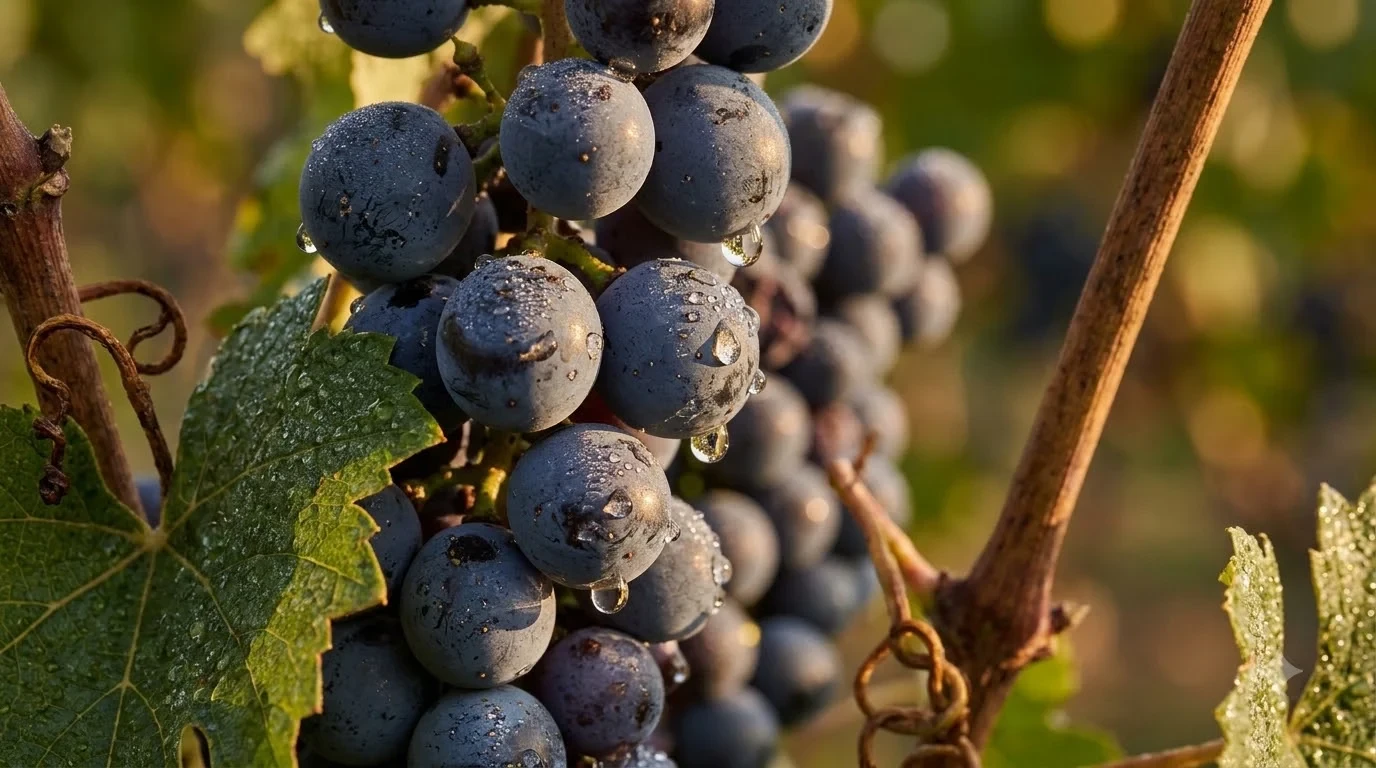
Swiss wine is shaped by terrain more than by size. Most vineyards sit on slopes with strong relief, often next to lakes or along river valleys, and the work is done largely by hand. The official site describes the vineyards as supporting viticulture “on a human scale,” where the winemaker’s care matters as much as the weather. The steep, terraced banks have some resemblance to the slopes of the Douro wine country in Portugal, though the climate and grapes are very different. That small-scale farming is one reason many Swiss producers focus on quality over volume.
The country also follows strict origin rules. According to VinePair’s Swiss wine guide, Switzerland has more than 60 controlled designations of origin, and each one must be made in a specific region. For a buyer, that means a label usually tells you more about where the grapes grew than a brand name does.
The six wine regions
Switzerland’s wine map is split into six regions, and each one has its own climate and character. The regions are spread across the French-speaking west, the German-speaking north, and the Italian-speaking south, so the language on the label often hints at the region.
| Region | Where it is | What it is known for |
|---|---|---|
| Valais | Upper Rhône valley | Sunny, dry slopes; many of the country’s best-known reds and whites |
| Vaud | Shores of Lake Geneva | Terraced vineyards; Chasselas wines from steep banks |
| German-speaking Switzerland | Northern and eastern cantons | Pinot Noir and German-style whites |
| Geneva | Near the city and the French border | Light, fresh whites and Gamay-based reds |
| Ticino | Italian-speaking south | Merlot-led reds with a Mediterranean feel |
| Three Lakes | Around Neuchâtel, Biel and Murten lakes | Chasselas and Pinot Noir from lakeside sites |
Tip: If you cannot choose, start with a Valais or Vaud bottle. Both are widely available in Switzerland and are good introductions to the country’s style.
Key grapes and styles
Chasselas is the grape most closely tied to Swiss white wine. VinePair describes it as one of the nation’s leading varieties, and it is often dry, light, and mineral. Many foreign drinkers have never tasted it, which makes it a good conversation starter at a dinner table.
Pinot Noir is the main red. VinePair notes that it makes up about 27 percent of Swiss red wine production, and that Swiss versions compete on price with Burgundy. Cornalin, a red grown mostly in Valais, is another variety the country highlights. Gamay appears mainly as an easy, entry-level red, and it was the wine that importer Daniel Hess used to introduce American consumers to Swiss wine.
| Style | Common grapes | Typical character |
|---|---|---|
| Dry white | Chasselas | Light body, fresh, often with a saline or stony note |
| Light red | Gamay | Juicy, low tannin, easy to drink young |
| Medium red | Pinot Noir | Red fruit and a silky texture, often close to Burgundy |
| Structured red | Cornalin, Merlot | Deeper color and firmer tannin |
How to serve Swiss wine
Most Swiss whites and light reds are meant to be served cooler than you might expect for a red, with the lighter styles chilled and the Pinot Noir served slightly cool rather than warm. The aim is to keep the fresh acidity in front. Chasselas is usually poured in a standard white wine glass, and Pinot Noir works well in a Burgundy-style glass that gives the aromas room.
When you buy a bottle, look for the region and the producer on the label before you look at the grape. A Valais Chasselas and a Vaud Chasselas can taste quite different because of their slopes, altitude, and lake influence. Shops that carry Swiss wine usually group bottles by region, which makes it easier to compare styles side by side. If you find a producer you like, the next step is to try their other wines, since small estates often make several styles from the same vineyard.
Because the wines are often lighter in style, they show best when they are not overpoured or left sitting in a hot room. Open a bottle of Chasselas a little before you plan to drink it, and give a Pinot Noir a short rest after pulling it from the cellar.
Food pairing with Swiss wine
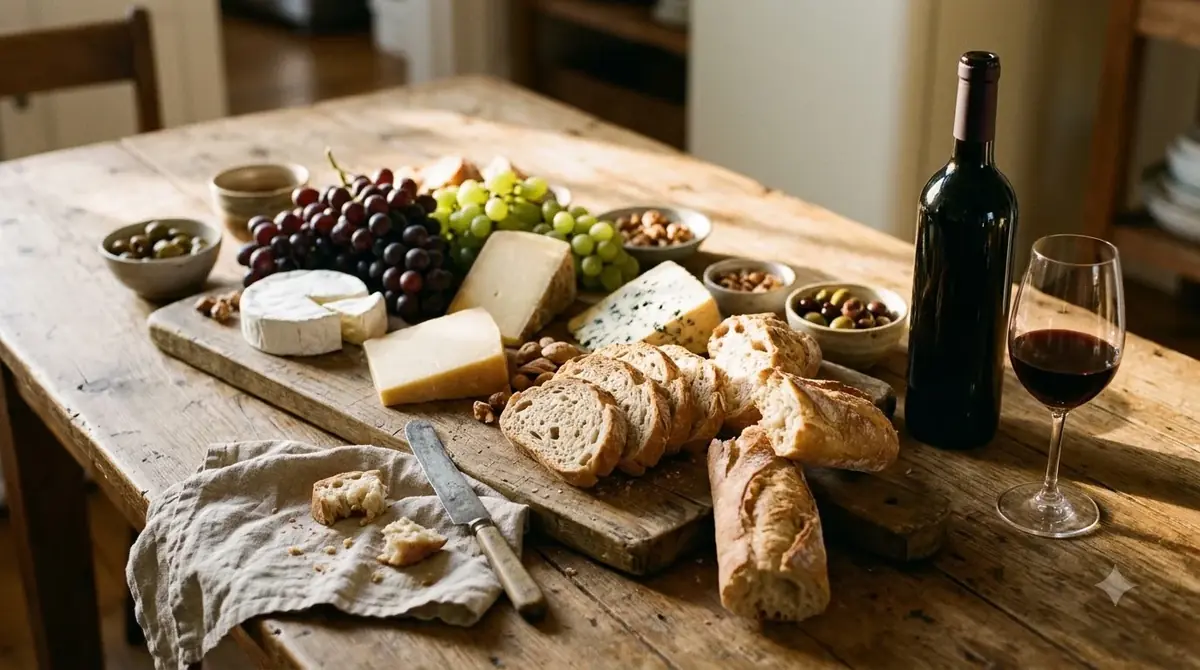
Swiss wine pairs naturally with the country’s own food. A Chasselas from Vaud or Valais is a classic partner for cheese fondue, because its acidity cuts through melted cheese. VinePair mentions a New York wine bar that serves Swiss wine with light bites and fondue, which shows how well these bottles fit with cheese.
Pinot Noir suits roast chicken, mushroom dishes, and grilled salmon. The official site notes that pairing wine with food “doesn’t have to be complicated,” and that a good wine can round off a dish. That is a useful rule when you are choosing bottles for a meal rather than for a tasting.
Wine tourism in Switzerland
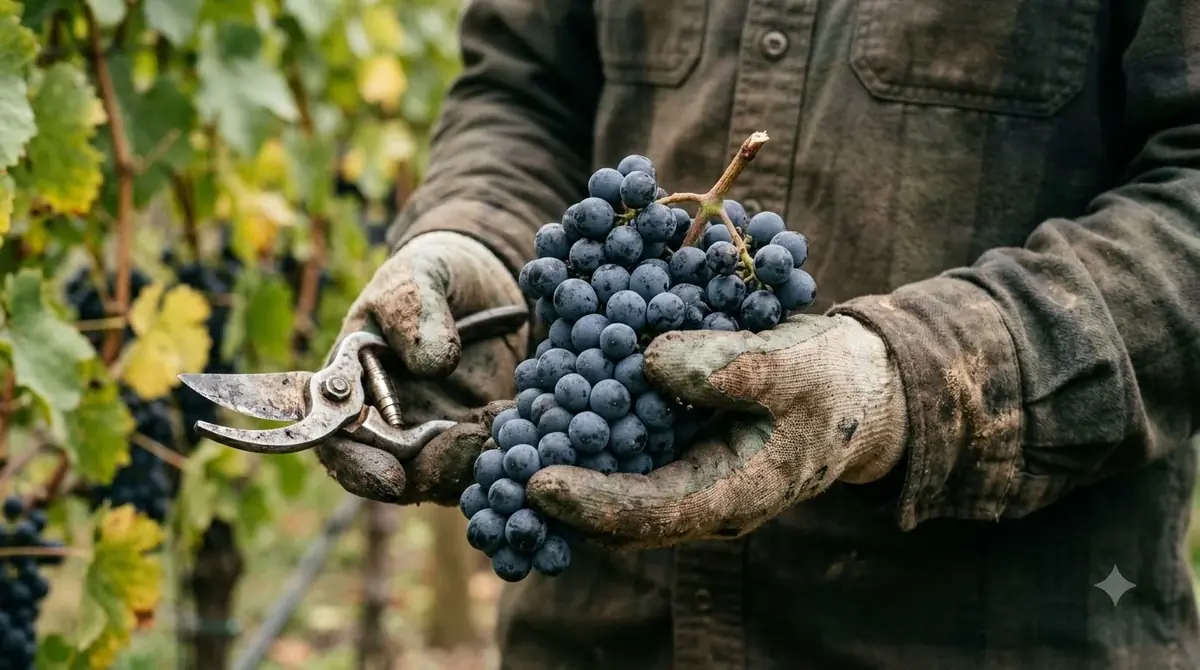
If you travel to Switzerland, the wine country is one of the easiest places to visit. Organized wine walks work much like the Hermann wine trail in Missouri, with tasting stops spaced along a route. The official Swiss wine site promotes wine hiking, tastings, open cellars, and even taking part in the harvest. Many of the best routes run along the lake shores in Vaud and through the Rhône valley in Valais, where the vines climb steep slopes above the water.
Visiting in the early autumn gives you the best chance to see harvest activity, while spring is quieter and better for long walks between cellars. If you are comparing wine trips at home, the guide to wine regions can help you match your interests to the right place.
Frequently Asked Questions
Is Swiss wine good?
Swiss wine is good and often underrated. The best examples are fresh, well made, and clearly regional. Quality varies by producer and region, so a bottle from a known estate in Valais or Vaud is a safer first choice than an unknown label.
What is the most common Swiss wine grape?
Chasselas is the most closely associated white grape, and Pinot Noir is the most important red. VinePair notes that Pinot Noir makes up about 27 percent of Swiss red wine production.
Why is Swiss wine hard to find in the United States?
Most Swiss wine is consumed at home, and the country produces relatively small volumes. VinePair describes the difficulty of finding it on American shelves, which is why importers and specialty shops are the usual sources.
Should I try Chasselas or Pinot Noir first?
Try Chasselas first if you like crisp, dry whites, and Pinot Noir if you already enjoy Burgundy or other light, elegant reds. Both show the character of Swiss winemaking clearly, so the choice depends on your taste rather than on which one is more important.
Many visitors also find that the easiest way to learn Swiss wine is to taste a flight at a cellar and then buy the one that stood out. That approach fits the country’s small-scale production, where a single estate can offer a full range from one vineyard. Ask the staff which bottles are made in limited amounts, since those are often the ones that are hardest to find later.
Swiss wine rewards a little curiosity. Start with one white and one red from different regions, compare them with a simple cheese plate, and you will see how much the terrain shapes the glass. For more regional ideas, browse the wine regions guide and find the next bottle to try.
More in Wine Regions
 Willcox Wine Trail: Discover Arizona’s High-Elevation Wine CountryUpdated Nov 20, 2026
 Yakima Valley Wine Region: Find the Best Styles to TryUpdated Nov 20, 2026
 Vosne Romanee Wine Tasting: Identify Aromas and Choose Better PairingsUpdated Nov 20, 2026
 Yakima Valley Wine Festival: Find the Best Seasonal Wine EventsUpdated Nov 20, 2026
 Wales Vineyards: Discover Cool-Climate Wines and Where to VisitUpdated Nov 20, 2026
 Yountville Wine Festival: Discover Napa Wines and Local FoodUpdated Nov 20, 2026