

We may earn a commission when you buy through links on this page, at no extra cost to you. Learn more.
What is Barolo? It is a dry, full-bodied red wine from Piedmont in northwestern Italy, made from 100% Nebbiolo grapes. Italian law requires long aging before release, so Barolo is known for firm tannins, high acidity, and flavors of red fruit, rose, and tar that can develop for a decade or more in the bottle.
If you have seen Barolo on a restaurant wine list and wondered why it costs what it does, or why people talk about it as one of Italy’s great reds, this guide covers the basics. It explains what the wine is, where it comes from, how it tastes, how to serve it, and what to eat with it.
What Barolo Is Made Of
Barolo is a single-variety wine. Winefolly describes Piedmont’s most famous red as being made with 100% Nebbiolo grapes, and Italian DOCG regulations for Barolo set the same requirement. Nebbiolo is a thick-skinned grape that ripens late, and it is the reason the wine tends to be pale in color for a red, with more tannin and acidity than most Italian reds.
Nebbiolo ripens late, so it needs a warm, sheltered site to reach full ripeness, and the best vineyards are on the hillsides of the Langhe area. The grape is the same whether the bottle is a young, fresh example or an old, complex one. What changes is how the winemaker handles ripeness, extraction, and oak.
Where Barolo Comes From
Barolo is named for a DOCG zone in the province of Cuneo, in the hills of Piedmont. According to Wikipedia’s summary of the appellation, the zone covers the communes of Barolo, Castiglione Falletto, Serralunga d’Alba, and parts of several neighboring villages, and it was elevated to DOCG status in 1980.
The soils and slopes matter here. Many producers name single vineyards on the label. Wikipedia reports that 1,734 hectares were planted to nebbiolo in the zone as of 2004, which gives a sense of how concentrated the area is. Wine lovers often talk about differences between villages, with some communes described as firmer and others as more perfumed, but these are informal impressions rather than legal categories, so treat them as a starting point for tasting rather than a rule.
How Barolo Tastes
Expect a wine that is bone dry, with high tannin and high acidity. Winefolly lists raspberry, cherry, rose, tar, and licorice as typical flavors, and the wine usually lands between 13.5% and 15% alcohol by volume. Wikipedia notes that the legal minimum is 13% ABV, and that most bottles come in above 15%.
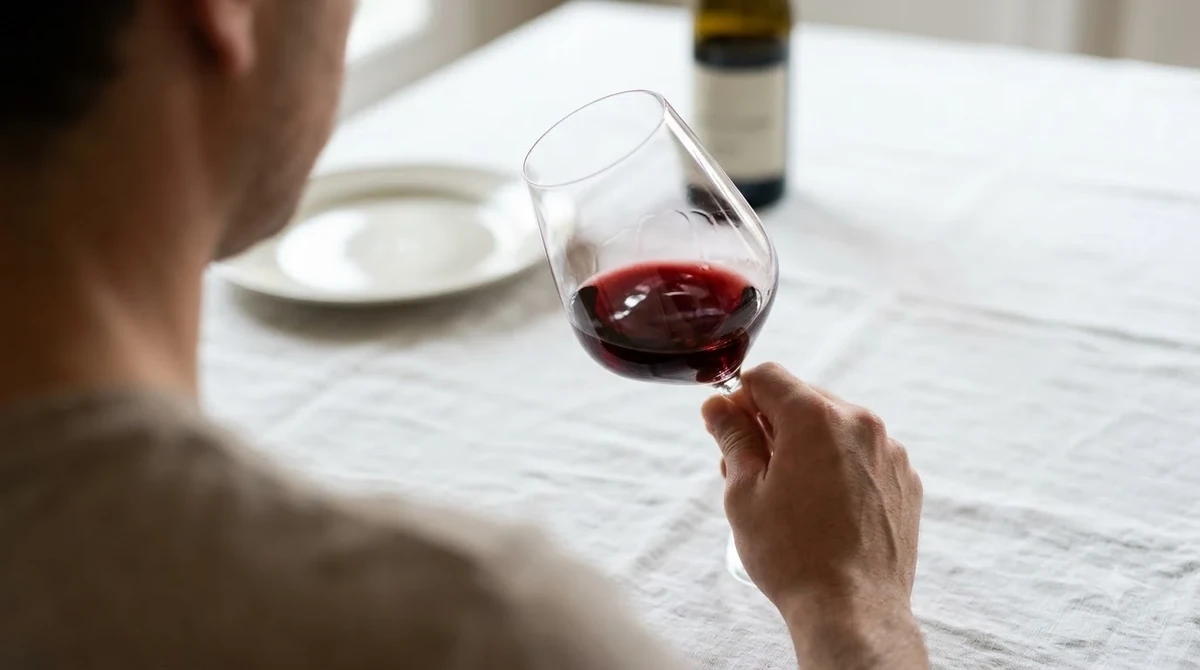
The Wine Folly Barolo guide describes the style as one where the tannins and acidity provide the structure, and the fruit comes second. Young Barolo can taste tight and grippy, with the tannins dominating the fruit. With time, the wine softens and shifts toward dried roses, leather, truffle, and savory notes. This is why many drinkers say that a bottle needs patience before it shows its best side.
| Feature | What to expect |
|---|---|
| Grape | 100% Nebbiolo |
| Style | Dry, full-bodied, high tannin, high acidity |
| Typical flavors | Raspberry, cherry, rose, tar, licorice |
| Alcohol (ABV) | Minimum 13% by law; most bottles above 15% |
| Aging rule (Barolo) | At least 38 months from November 1 of the harvest year, with at least 18 months in wood |
| Aging rule (Riserva) | At least 62 months from November 1 of the harvest year, with at least 18 months in wood |
How Long Barolo Ages
Aging is the defining feature of Barolo. Under Italian rules, the wine cannot be released until it has spent a set number of months maturing, and a Riserva label requires even longer. The Wikipedia summary gives a minimum of 38 months for Barolo and 62 months for Riserva, counted from November 1 of the harvest year, with at least 18 months in barrel for each.
Winefolly suggests cellaring Barolo for 10 years or more, which fits the structure of many well-made bottles. Younger examples can be enjoyed with food, but they reward decanting and a little patience. If you want a Barolo that is ready to drink right away, look for a bottle from an older vintage that a shop has already aged for you.
How to Serve Barolo
Serve Barolo a bit cooler than most reds. Winefolly recommends 60 to 68 degrees Fahrenheit (15 to 20 degrees Celsius), which keeps the aromas lifted and stops the alcohol from feeling heavy. Use a large glass with room for the aroma to gather, because the wine has a lot of scent to give.
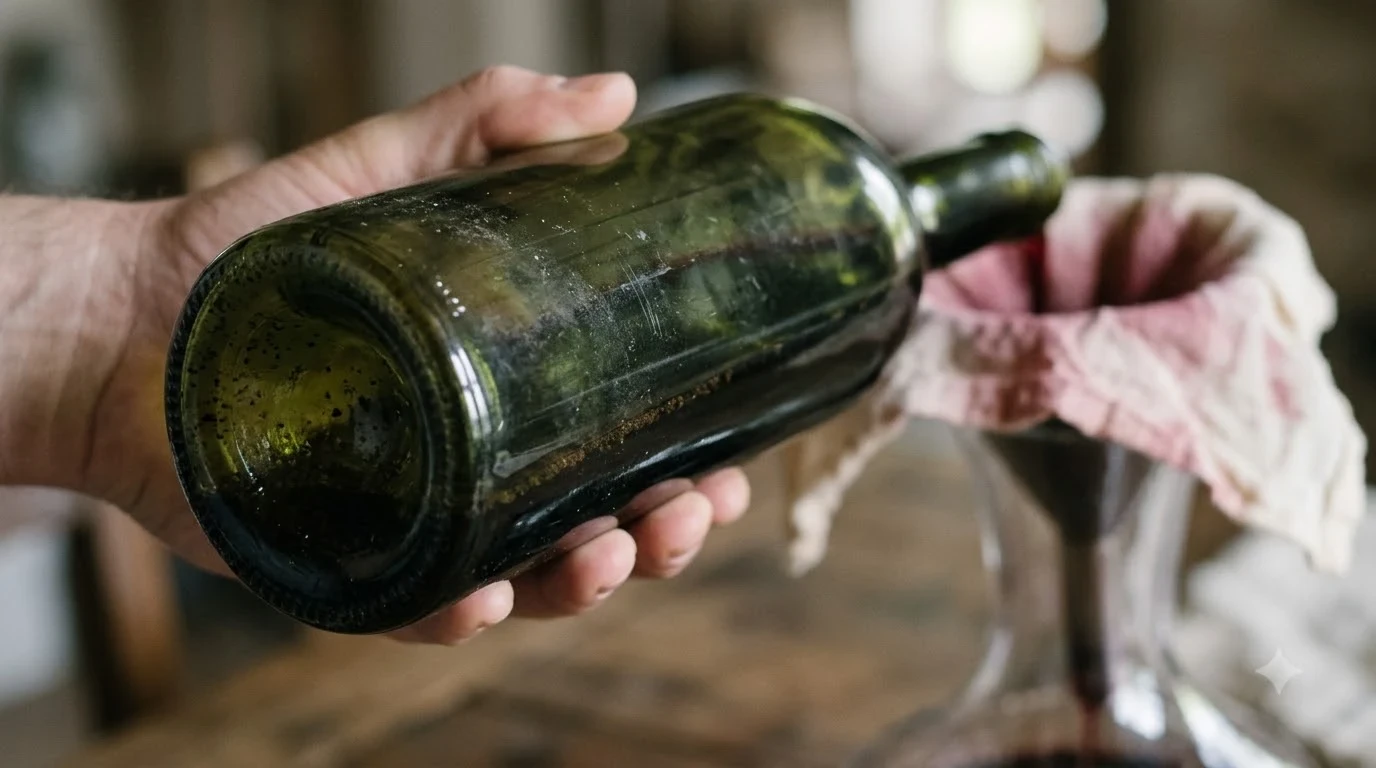
Decanting helps, especially for young bottles. Winefolly suggests decanting for about one hour, which softens the tannins and lets the wine open up. Older bottles need a gentler approach, because a long time in the air can fade their aromas quickly, so pour them shortly before serving.
Tip: If you are unsure whether a Barolo is young or mature, decant it and taste it before dinner. A young bottle will show grip and fruit together, while a mature one will smell more of dried flowers and earth.
What to Eat with Barolo
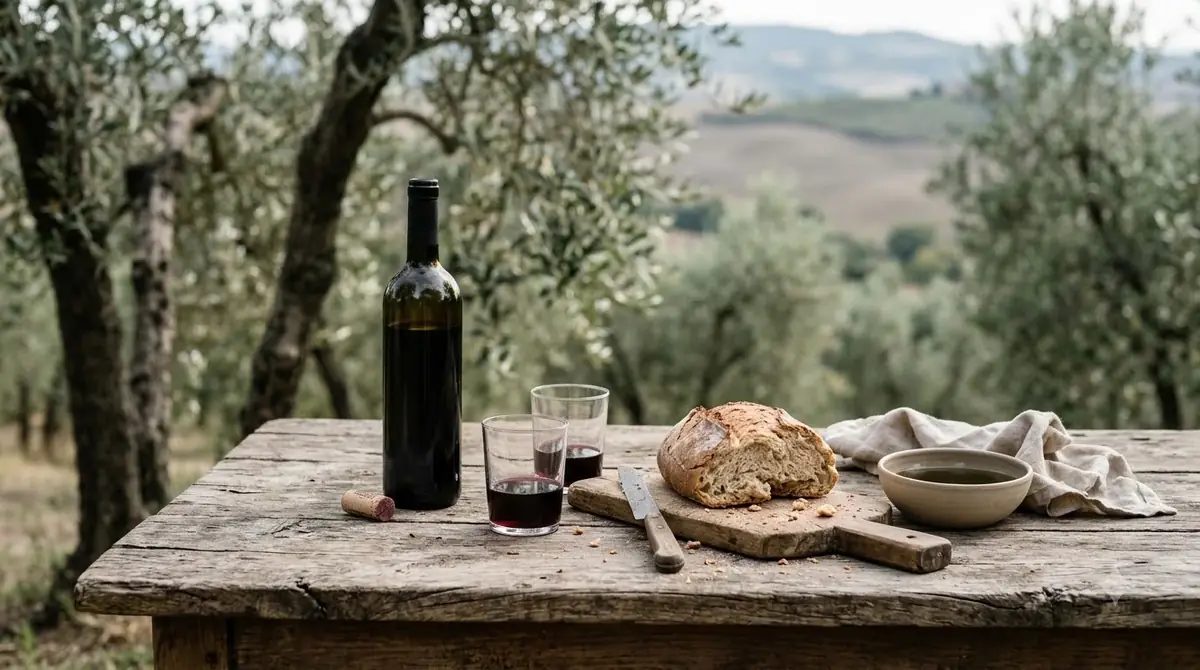
Barolo is a food wine. Its acidity and tannin cut through rich dishes, and its earthy notes match mushrooms, truffles, and aged cheese. Winefolly points to truffle risotto, handmade pasta, and thinly sliced charcuterie as classic pairings, and those are good starting points.
Pairing is also about balance rather than rules. A rich, fatty dish softens the tannins, while a simple dish lets the wine’s own character come forward. Cheese is a natural partner, especially aged hard cheeses with salt and crystals, because their savory notes echo the wine’s earthy side. Many hosts choose a Barolo for a long dinner because it keeps its interest from the first glass to the last.
Roasted meats, braised beef, and game birds also work well, as long as the sauce is not too sweet. Avoid pairing Barolo with very spicy food, since heat makes the tannins feel harsher. If you want a lighter meal, try a simple tomato pasta with herbs, which has enough acidity to keep the wine in balance.
How to Choose a Bottle of Barolo
Look for the words Barolo DOCG on the label, which confirms the wine follows the regional rules. Vintage matters, since some years produce wines with more structure and others produce softer, earlier-drinking bottles. Single-vineyard labels tell you more about the place the grapes came from, but they are not a guarantee of quality on their own.
Labels can be confusing at first. Barolo DOCG is the standard designation, and you will see the word Riserva on some bottles. Because Riserva has a longer legal aging requirement, it is usually priced and marketed as a special release, and it often shows more mature flavors when it reaches the shelf. Read the back label too, since it may name the vineyard and the importer, which tells you more about the source than a single adjective ever could.
If you are just starting, a bottle labeled Barolo from a good producer is a fine place to begin. If you want to learn more about how Nebbiolo tastes compared with other red varieties, you can read the guide to Brunello di Montalcino grape, which covers another Italian red built on a serious, tannic structure.
Frequently Asked Questions
Is Barolo sweet or dry?
Barolo is dry. It has very little residual sugar, and its character comes from tannin, acidity, and fruit rather than sweetness.
Is Barolo the same as Barbaresco?
No. Both are Nebbiolo wines from Piedmont, but they come from different zones and follow different rules. Many drinkers describe Barolo as the bigger, more tannic of the two.
How long can you keep a bottle of Barolo?
Many well-made bottles can age for 10 years or more. The best vintages can last longer, though their fruit gradually gives way to earthier, more savory flavors.
What is a good first Barolo to try with dinner?
Choose a bottle that has already had some time in the cellar, and serve it with pasta, mushrooms, or a roast. A slightly older wine is easier to enjoy than a very young one, and it shows the style more clearly.
Barolo is one of the clearest examples of how a single grape and a single place can produce a wine with a strong identity. Once you know its firm structure and patient aging, it is easier to match it with food and to judge a bottle. For more background on Italian reds, browse the Wine by Type guide, or check the chardonnay alcohol content page to compare how alcohol levels differ across wine styles.
More in Wine Types & Grapes
 Zinfandel Sugar Content: Dry Red vs. White Zinfandel GramsUpdated Nov 21, 2026
 Best Zinfandel Substitute Options for Sipping and CookingUpdated Nov 21, 2026
 Zweigelt Food Pairing: Best Dishes, Cheeses, and Serving TipsUpdated Nov 21, 2026
 Zinfandel Tannins Explained: How Structure Shapes Every BottleUpdated Nov 21, 2026
 Zinfandel Sweetness Level: Dry Red vs. Sweet White Zin ExplainedUpdated Nov 21, 2026
 Xinomavro Food Pairing: Best Dishes, Styles, and Serving TipsUpdated Nov 21, 2026