

We may earn a commission when you buy through links on this page, at no extra cost to you. Learn more.
Sweet red wine alcohol content spans roughly 5% to 23% ABV depending on how the winemaker halts fermentation. Unfortified sparkling and still sweet reds like Brachetto d’Acqui and Lambrusco typically land between 5.5% and 12.5% ABV because yeast stops converting sugar early. Fortified sweet reds such as Port, Banyuls, and Maury reach 16% to 23% ABV because grape spirit is added during fermentation to preserve natural grape sugars.
Knowing the strength of a sweet red bottle before you pull the cork prevents surprises at the table and helps you pour the right glass size. Unlike dry reds, which cluster reliably around 13% to 15% alcohol by volume, sweet red wines split into two distinct winemaking camps with dramatically different alcohol levels, serving temperatures, and culinary uses.
What It Is and Why Alcohol Varies
Sweet red wine alcohol content depends directly on how residual sugar stays behind in the finished bottle, creating a sharp divide between low-alcohol unfortified styles and high-strength fortified dessert wines. Because yeast converts grape sugar into ethanol and carbon dioxide, stopping that conversion early leaves the wine sweet while keeping natural alcohol low—unless neutral grape spirit is poured into the tank.
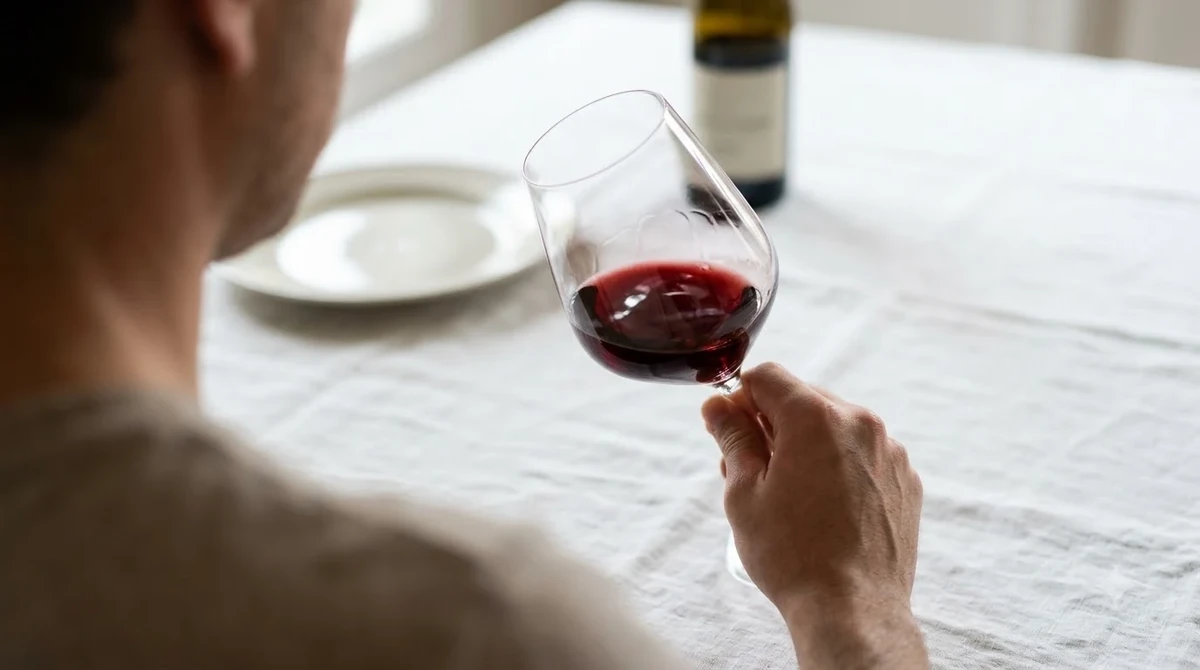
In standard winemaking, yeast consumes nearly all available sugar, yielding a dry wine with higher alcohol and less than 10 grams per liter of residual sugar. When a winemaker wants a sweet unfortified red, they chill the fermentation tank or filter out the yeast mid-process. Because fermentation stops halfway through, plenty of natural grape sugar remains unfermented, leaving the wine sweet and the alcohol level modest, often between 5.5% and 12.5% ABV.
Fortified sweet reds follow the opposite trajectory. During fermentation, the winemaker adds a high-proof distilled grape spirit—often brandy—directly to the fermenting must. Once the liquid reaches roughly 16% to 23% ABV, the alcohol environment becomes toxic to yeast, halting fermentation immediately and locking in rich sweetness alongside warming strength. Exploring Wine by Type makes it clear why two bottles labeled sweet red can behave like completely different beverages.
A third method concentrates grape sugars before fermentation even begins. Winemakers dry harvested red grapes on wooden racks or straw mats for weeks—a technique known in Italy as passito—so water evaporates and sugars intensify. When pressed and fermented, these concentrated grapes produce lush, sweet reds like Recioto della Valpolicella or Brachetto d’Acqui Passito that sit in a middle tier around 11% to 15% ABV without any added spirits.
Sweet Red Wine Alcohol Content by Style
Comparing major sweet red styles side by side shows how production methods translate into specific ABV ranges, residual sugar levels, and serving temperatures. While a light Italian frizzante drinks almost like a fruit spritzer, a Portuguese fortified red carries nearly four times the alcohol per ounce.
| Wine Style | Origin | Typical ABV | Sweetness Method | Ideal Serving Temp |
|---|---|---|---|---|
| Brachetto d’Acqui (Rosso / Spumante) | Piedmont, Italy | 5.5%–6.5% | Chilled fermentation arrest | 45°F–54°F |
| Brachetto d’Acqui Passito | Piedmont, Italy | 11% | Air-dried grapes (passito) | 50°F–55°F |
| Lambrusco (Amabile / Dolce) | Emilia-Romagna, Italy | 10%–12.5% | Interrupted fermentation | 45°F–54°F |
| Dornfelder (Süss / Lieblich) | Rheinhessen & Pfalz, Germany | 11.5%–12% | Early arrest or sweet reserve | 54°F–59°F |
| Recioto della Valpolicella | Veneto, Italy | 12%–15% | Air-dried grapes (passito) | 55°F–60°F |
| Ruby, LBV & Vintage Port | Douro Valley, Portugal | 19%–20% | Fortified with grape spirit | 59°F–64°F |
| Banyuls & Maury | Roussillon, France | 16%–20% | Fortified (mutage) | 55°F–60°F |
| Mavrodaphne of Patras | Peloponnese, Greece | 15%–16% | Fortified with grape spirit | 55°F–60°F |
According to Wine Folly’s guide to sweet red wines, understanding this spread prevents the common mistake of pouring a fortified red into a large Burgundy bowl. Low-alcohol sparkling reds like Brachetto d’Acqui Spumante hover near 6% ABV—similar to many craft beers—making them effortless to sip over brunch or dessert without heavy alcohol fatigue.
In the middle of the spectrum, German Dornfelder labeled süss (sweet) and Italian Lambrusco labeled amabile (semi-sweet, roughly 40 to 50 grams per liter of residual sugar) or dolce (sweet, over 50 grams per liter) offer vibrant berry character around 10% to 12.5% ABV. These bottles bridge the gap between casual table wines and dedicated dessert pours, offering enough acidity and gentle effervescence to keep the palate refreshed.
Flavor Profiles and Regional Traditions
Geography and local grape varieties shape whether a sweet red wine tastes of fresh crushed strawberries and rose petals or dark cocoa, dried figs, and baking spice. Cooler European regions tend to produce lighter, aromatic, lower-alcohol styles, whereas sun-drenched Mediterranean valleys specialize in dense, fortified expressions.
Northern Italy is the heartland of lightly sweet, low-ABV sparkling reds. In Piedmont, Brachetto d’Acqui bursts with aromas of candied strawberry, raspberry, and violet, paired with delicate bubbles and almost zero harsh tannin. Just southeast in Emilia-Romagna, Lambrusco Salamino di Santa Croce and Lambrusco Grasparossa di Castelvetro deliver dark violet hues, boysenberry and black cherry notes, and a frothy mousse that cuts through rich food.
Southern France and Portugal dominate the high-alcohol fortified tradition. As VinePair notes in its sweet red wine overview, French vins doux naturels like Banyuls and Maury rely on at least 75% Grenache to yield plush flavors of stewed plums, prunes, and sweet spices around 16% to 20% ABV. Across the Iberian Peninsula in Portugal’s Douro Valley, Port blends indigenous grapes such as Touriga Nacional and Tinta Roriz into deeply structured wines layered with blackberry compote, licorice, and cocoa, which differ markedly from oxidative styles discussed in our guide to tawny port alcohol content.
How to Serve Sweet Red Wine
Serving sweet red wine at the right temperature and in the proper glass size keeps sugar from tasting syrupy and prevents high alcohol from burning your nose. Because warmth amplifies both ethanol vapors and perceived sweetness, almost every sweet red benefits from cooler service than a standard dry Cabernet Sauvignon.
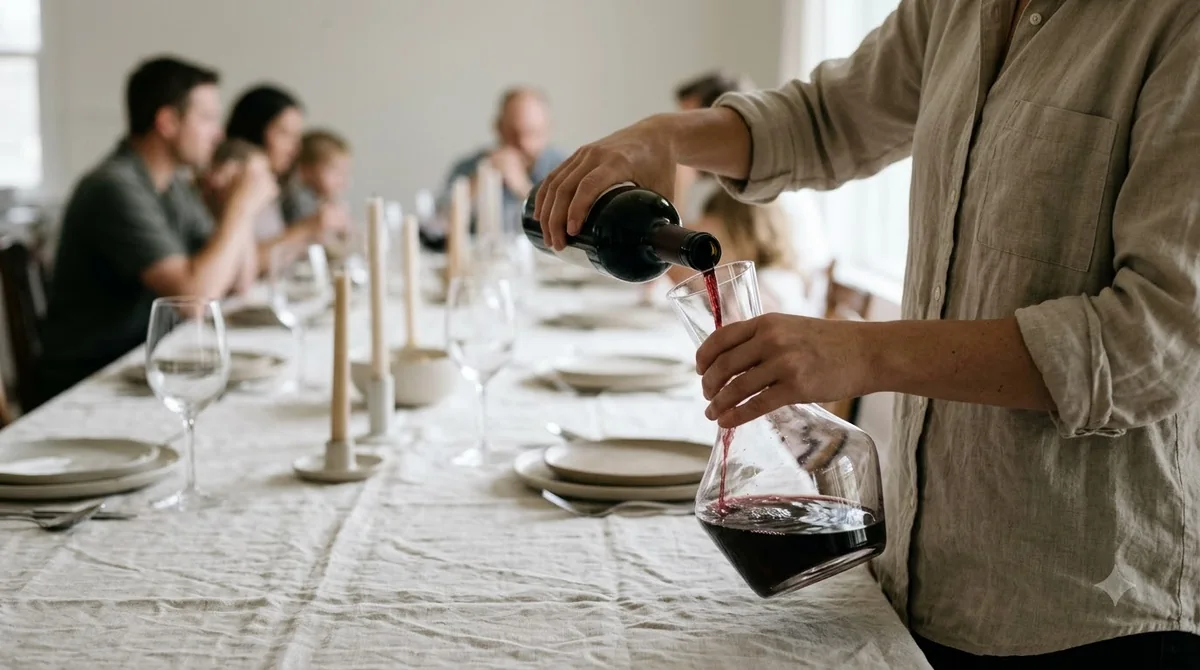
Chill light, fizzy bottles like Brachetto d’Acqui and sweet Lambrusco to between 45°F and 54°F—roughly 30 to 45 minutes in a standard home refrigerator before opening. At this temperature, crisp acidity and carbonation balance the residual sugar, keeping floral and red-berry aromas lifted. If served at warm room temperature, the bubbles dissipate rapidly and the wine can feel cloying on the finish.
For fortified reds like Ruby Port, Vintage Port, and Banyuls, aim for a cool cellar temperature between 55°F and 64°F, and downsize your glassware. Instead of a standard 5-ounce table wine pour, serve fortified sweet reds in 2.5- to 3-ounce portions using smaller tulip-shaped dessert wine glasses. That smaller pour delivers roughly the same total alcohol as a regular glass of dry table wine while funneling complex aromas of dried fruit and cocoa toward the nose.
Tip: Once opened, low-ABV sparkling sweet reds lose their fizz within one to two days even with a sparkling stopper in the fridge, whereas fortified sweet reds like Ruby Port or Banyuls stay fresh for three to four weeks when recorked and stored upright in a cool dark spot.
Food Pairing Principles
Pairing sweet red wine works best when you match the weight and sweetness of the dish to the wine’s sugar level, acidity, and alcohol strength. A classic culinary rule holds that the wine should always be at least as sweet as the food on the plate, otherwise the dessert will strip the wine of its fruit and make it taste thin or sour.
Lightly sweet, low-alcohol sparkling reds excel alongside both brunch dishes and fruity or creamy desserts. A chilled 6% ABV Brachetto d’Acqui pairs naturally with strawberry tarts, berry pavlova, or milk chocolate mousse because its bright acidity and gentle fizz cleanse the palate after each creamy bite. Sweet Lambrusco amabile also creates a memorable sweet-and-salty contrast with aged Parmigiano-Reggiano, prosciutto, and spicy pepperoni pizza.
High-alcohol fortified reds require equally bold, intense flavors that can stand up to 19% or 20% ABV. Dark chocolate torte, flourless chocolate cake, and bittersweet brownies thrive alongside Ruby Port or Banyuls, where the wine’s dark berry sweetness softens chocolate’s natural bitterness. Savory blue cheeses such as Stilton or Roquefort also pair famously with Vintage or Late Bottled Vintage Port, balancing pungent saltiness with rich fruit.
How to Choose the Right Bottle
Reading the front and back labels carefully lets you predict both the sweetness level and the alcohol strength of a red bottle before buying. Because American and European wine labels rarely print residual sugar numbers directly on the front, checking the ABV percentage and regional sweetness terms gives you reliable clues.
Start by scanning the bottom corner of the label for the exact ABV percentage. Any red wine below 12% ABV—especially from Italy or Germany—almost certainly retains noticeable residual sugar, since fully fermented dry reds rarely finish that low. Conversely, a red wine between 16% and 21% ABV signals a fortified style with concentrated sweetness and warming strength, much like the fortified expressions covered under marsala alcohol content.
Next, look for traditional European sweetness designations rather than relying solely on grape names. On Italian Lambrusco bottles, skip secco (dry) and look specifically for amabile (semi-sweet) or dolce (sweet). On German reds like Dornfelder, choose bottles marked halbtrocken (off-dry), lieblich (semi-sweet), or süss (sweet), and avoid trocken, which indicates a bone-dry wine.
Frequently Asked Questions
Does sweet red wine have more alcohol than dry red wine?
Unfortified sweet red wines actually have less alcohol than dry red wines, typically ranging from 5.5% to 12.5% ABV because fermentation stops before all grape sugar turns into alcohol. Only fortified sweet reds like Port and Banyuls contain more alcohol than dry reds, reaching 16% to 23% ABV due to added grape spirits.
Which sweet red wine has the lowest alcohol content?
Brachetto d’Acqui from Italy’s Piedmont region consistently offers the lowest alcohol among classic sweet reds, usually landing between 5.5% and 6.5% ABV. Its fermentation is halted early by chilling, leaving plenty of natural strawberry-scented sweetness and delicate sparkle with roughly half the alcohol of standard table wine.
Why is Port so high in alcohol compared to Lambrusco?
Port is fortified during fermentation with a neutral grape spirit, raising its strength to around 19% or 20% ABV and killing the yeast so natural grape sugars remain intact. Sweet Lambrusco is unfortified and relies on cold temperatures to stop fermentation early, keeping its alcohol around 10% to 12.5% ABV.
How does sweet red wine alcohol compare to ice wine?
Unfortified sweet reds sit in a similar alcohol bracket to traditional ice wine alcohol content, which typically falls between 9% and 12% ABV because yeast struggles to ferment ultra-concentrated frozen grape juice. Both styles achieve intense sweetness without fortification, keeping their alcohol well below the 16% to 23% range of Port or Banyuls.
Checking the ABV percentage on the label is the fastest way to match a sweet red wine to the occasion, whether you want an airy, chilled 6% sparkler for afternoon fruit tarts or a rich 20% fortified pour beside dark chocolate. Keep light sweet reds cold in the fridge and pour fortified styles into smaller dessert glasses to get the cleanest balance of fruit, sweetness, and warmth.
More in Wine Types & Grapes
 Zinfandel Sugar Content: Dry Red vs. White Zinfandel GramsUpdated Nov 21, 2026
 Best Zinfandel Substitute Options for Sipping and CookingUpdated Nov 21, 2026
 Zweigelt Food Pairing: Best Dishes, Cheeses, and Serving TipsUpdated Nov 21, 2026
 Zinfandel Tannins Explained: How Structure Shapes Every BottleUpdated Nov 21, 2026
 Zinfandel Sweetness Level: Dry Red vs. Sweet White Zin ExplainedUpdated Nov 21, 2026
 Xinomavro Food Pairing: Best Dishes, Styles, and Serving TipsUpdated Nov 21, 2026