

We may earn a commission when you buy through links on this page, at no extra cost to you. Learn more.
Sparkling wine tasting notes span bright orchard fruit, crisp citrus, white blossoms, and toasted brioche, shaped by grape variety, climate, and secondary fermentation. Dry styles emphasize green apple, lemon zest, and chalky minerality, while bottles aged on their lees develop rich flavors of almond, biscuit, and cream. Sweeter or tank-fermented bottlings lean toward white peach, honeysuckle, and ripe pear with softer effervescence.
Understanding how these descriptors connect to winemaking makes reading a bottle label far easier than guessing at the wine shop. Whether you are pouring a weeknight Prosecco or opening a vintage Champagne, every aroma and texture cue points back to how the bubbles were trapped in the bottle and how much sugar remains after disgorgement.
What Sparkling Wine Tasting Notes Reveal
Tasting notes for bubbly do more than list fruit flavors; they translate production choices—such as yeast contact, fermentation vessel, and dosage—into sensory expectations. Unlike still Wine by Type categories, sparkling wines undergo a second fermentation that creates dissolved carbon dioxide and fundamentally alters aroma delivery.
As Wine Folly notes, sparkling wine styles divide cleanly along two primary winemaking approaches: reductive methods that lock in fresh fruit and flowers, and autolytic methods that build savory depth through extended aging. When bubbles rise to the surface and burst, they carry volatile aromatic compounds straight to the nose, amplifying crisp citrus or toasted yeast before the wine even touches your palate.
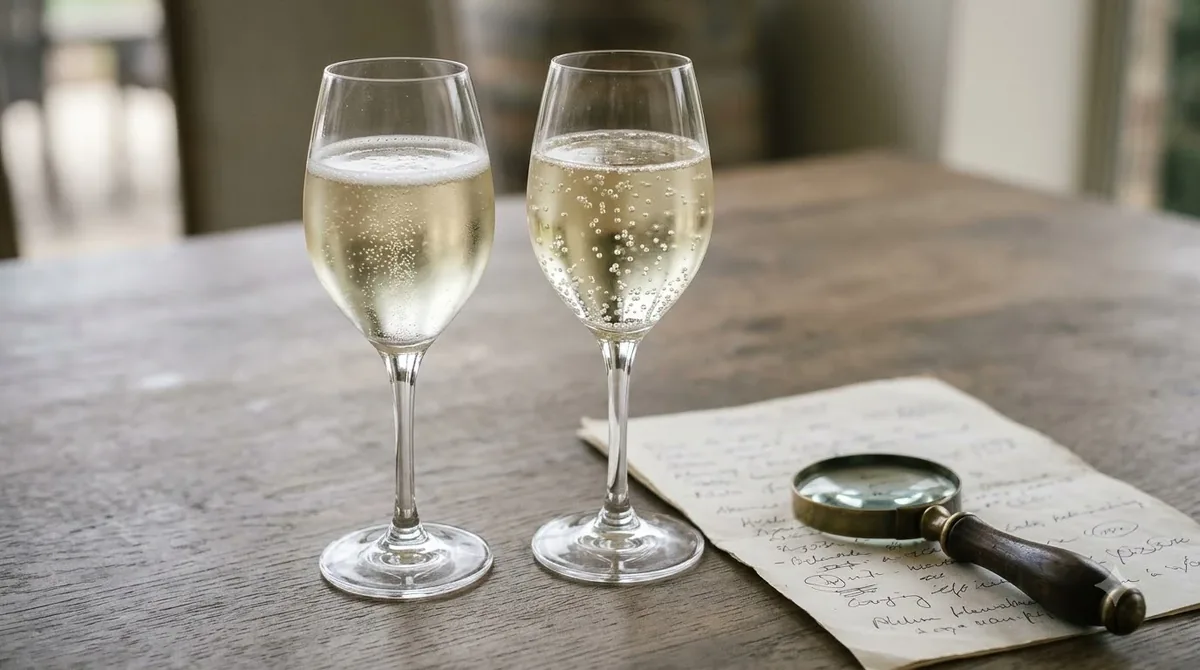
Texture plays an equally important role in any professional tasting description. Reviewers evaluate the mousse—the tactile sensation of foam and carbonation in the mouth—alongside acidity and body. A fine, persistent bead feels creamy and integrated, whereas larger, more aggressive bubbles deliver a brisk, cleansing snap across the tongue.
Core Flavor Profiles and Styles
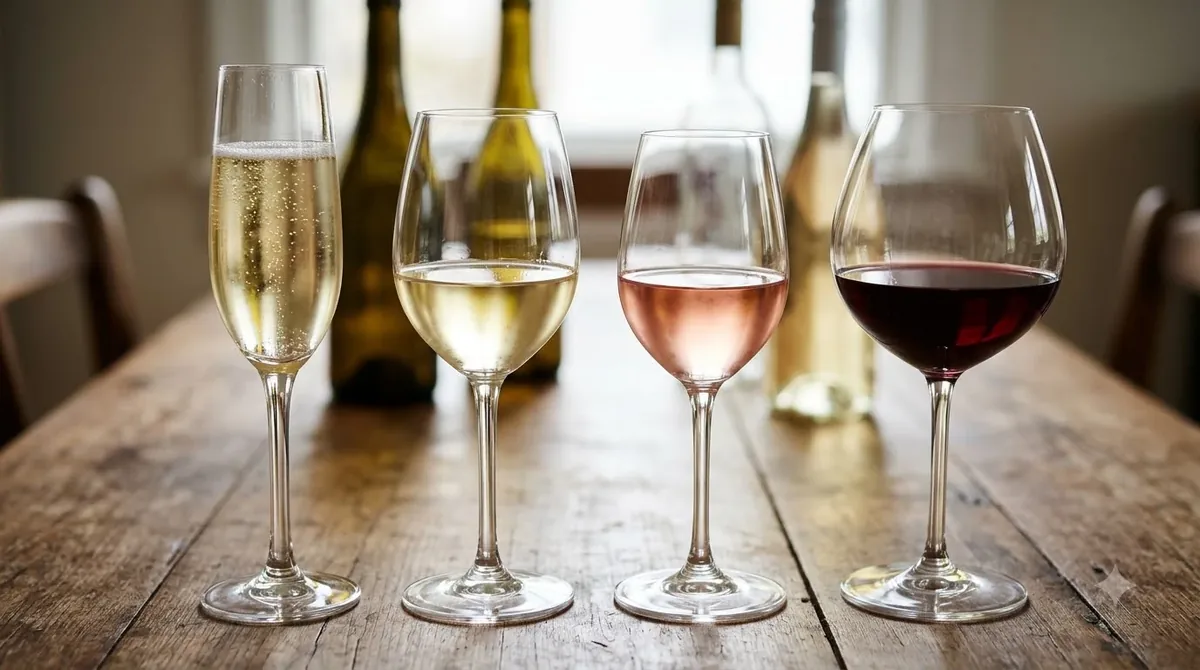
Sparkling wine flavors fall into four distinct sensory profiles ranging from razor-sharp and citrus-driven to lush, nutty, and pastry-scented. Knowing which flavor camp a bottle occupies helps match the wine to both your palate and the occasion.
Dry, lean, and zesty bottles represent the classic benchmark for non-vintage Champagne, traditional Cava, and Brut-level sparklers from cool climates. Expect high-toned aromas of Meyer lemon, green apple, underripe pear, and wet stone backed by brisk acidity. Because minimal oxygen enters during fermentation, the fruit stays taut and refreshing rather than jammy.
Light, dry, fruity, and floral wines include most Prosecco, sparkling rosé, Riesling Sekt, and warmer-climate American or South African bottlings. According to VinePair, flavor expression depends heavily on regional grapes and climate, allowing varieties like Glera to showcase white peach, melon, and orange blossom without heavy yeast interference. Sparkling rosé adds wild strawberry, red currant, and subtle rose petal notes to that crisp foundation.
Rich, creamy, and nutty profiles emerge when wine rests on spent yeast cells—known as lees—for several years, a process called autolysis. Vintage Champagne, Franciacorta, and Gran Reserva Cava aged three to seven years on the lees develop layered notes of toasted brioche, hazelnut, baked apple, and salted butter. Finally, sweet and perfumed styles like Asti Spumante, Brachetto d’Acqui, and Demi-Sec bottlings burst with candied citrus, apricot, and honeyed florals.
Decoding Sweetness Levels and Residual Sugar
Label terms from Brut Nature to Doux measure exact grams of residual sugar per liter, directly controlling how tart or plush a sparkling wine tastes on the finish. Even small additions of sweetness soften piercing acidity and round out citrus flavors.
| Sweetness Term | Residual Sugar (g/L) | Sensory Impression | Common Examples |
|---|---|---|---|
| Brut Nature / Zero Dosage | 0–3 g/L | Bone-dry, austere, chalky, sharp lemon and green apple | Grower Champagne, Gran Reserva Cava |
| Extra Brut | 0–6 g/L | Ultra-dry, crisp mineral edge with subtle orchard fruit | Cool-climate Brut cuvées, Oregon sparklers |
| Brut | 0–12 g/L | Dry and balanced; citrus, pear, and light toasted brioche | Most Champagne, Crémant, Franciacorta |
| Extra Dry / Extra-Sec | 12–17 g/L | Off-dry with a round, fruity mid-palate of peach and apple | Classic Valdobbiadene Prosecco |
| Sec / Dry | 17–32 g/L | Noticeably sweet; ripe stone fruit, honey, and floral notes | Select Demi-Sec style blends |
| Demi-Sec | 32–50 g/L | Richly sweet; baked pear, marzipan, and candied orange | Dessert Champagne, Vouvray Mousseux |
| Doux | Over 50 g/L | Luscious and syrupy; apricot jam, honey, and sweet blossom | Rare traditional dessert cuvées |
One of the most common pitfalls for wine shoppers is assuming “Extra Dry” is drier than “Brut.” In sparkling wine terminology, Brut is genuinely dry, while Extra Dry sits one tier sweeter at 12 to 17 grams per liter—roughly half to three-quarters of a teaspoon of sugar per five-ounce pour. Because sparkling base wines possess naturally high acidity, a Brut bottling with eight or ten grams of residual sugar still finishes crisp rather than sweet.
Winemakers adjust this balance just before corking by adding a small mixture of wine and cane sugar called dosage. A zero-dosage bottle highlights pure vineyard minerality and tart citrus, whereas a higher dosage cushions the acid and brings out warmer notes of ripe stone fruit and pastry.
How Production Methods Shape Aroma and Texture
The way bubbles are created determines whether a sparkling wine smells like fresh-picked fruit or warm bakery crust. Two primary production techniques govern the vast majority of bottles on the market today.
In the Traditional Method (Méthode Champenoise), secondary fermentation happens inside each individual bottle. Once the yeast consumes the added sugar and dies, the lees remain in contact with the wine for months or years before disgorgement. That prolonged yeast contact breaks down cell walls and releases amino acids that create signature tasting notes of biscuit, roasted almond, sourdough, and cream, alongside bottle pressures reaching 5 to 7 atmospheres for a fine, persistent mousse.
In the Tank Method (Charmat or Martinotti method), secondary fermentation takes place in large pressurized stainless-steel vats at lower pressures of 2 to 4 atmospheres. Because the wine is filtered and bottled shortly after fermentation without extended lees aging, it avoids autolytic yeast flavors entirely. Instead, Prosecco and Lambrusco preserve primary varietal aromatics—crisp pear, honeysuckle, blackberry, and fresh herbs—with a lighter, frothier bubble texture.
Tip: When reading a tasting note for unfamiliar bubbly, look for bakery words like “brioche,” “toast,” or “biscuit” as a reliable shortcut for Traditional Method lees aging, while “blossom,” “peach,” and “melon” point toward fresh Tank Method styles.
Where Sparkling Wine Grows and Key Regional Styles
Cool-climate regions produce the highest natural acidity and finest bubbles, though warm-weather appellations contribute riper fruit profiles to the sparkling spectrum. Geography dictates both the grape varieties planted and the structural backbone of the finished wine.
Northern France leads with Champagne, where chalky soils and cool temperatures yield high-acid Chardonnay, Pinot Noir, and Pinot Meunier typically bottled between 10% and 12.5% ABV. Just outside Champagne, regional French Crémant wines from the Loire Valley, Alsace, and Burgundy use local grapes like Chenin Blanc or Pinot Blanc to deliver orchard fruit, honey, and gentle toast. Across the border in Spain, Cava relies on Xarel-lo, Macabeo, and Parellada, offering crisp green apple, lime, and a distinctive savory, herbal earthiness.
Italy offers two contrasting benchmarks: Prosecco from Veneto, crafted from Glera for bright pear and white flower aromatics, and Franciacorta from Lombardy, which mirrors Champagne grapes and aging rules for a rich, creamy palate. Meanwhile, California’s Sonoma Coast and Oregon’s Willamette Valley produce vibrant Pinot Noir and Chardonnay sparklers that balance Pacific freshness with ripe stone fruit, much like the bright citrus and mineral tension found in sancerre tasting notes.
How to Serve and Taste Sparkling Wine Properly
Serving sparkling wine at the right temperature and in the proper glassware ensures you taste its full aromatic range without sacrificing carbonation. Chilling a bottle too aggressively mutes delicate brioche and orchard fruit notes, while serving it too warm causes bubbles to foam over and dissipate quickly.
Aim to chill white and rosé sparkling wines to 38°F to 45°F (3°C to 7°C) for crisp, youthful styles, allowing complex vintage or extended-lees cuvées to warm slightly toward 45°F to 50°F (7°C to 10°C) in the glass. Sparkling reds like Lambrusco perform best slightly warmer at 50°F to 57°F (10°C to 14°C) so their tannins stay supple rather than astringent.
Skip wide, shallow coupes when evaluating aroma, as their broad surface area lets carbon dioxide and volatile scents escape within minutes. Narrow flutes preserve bubbles visually for casual toasts, but a tulip-shaped glass or standard white wine glass gives complex aromas room to swirl and concentrate toward the rim. Hold the glass by its stem to keep hand warmth from heating the bowl, and skip decanting unless opening a tightly wound young cuvée that benefits from gentle aeration.
Food Pairing by Flavor Profile
Sparkling wine’s combination of high acidity and scrubbing effervescence makes it one of the most versatile partners at the dinner table. Rather than saving bubbly strictly for celebratory toasts, match the weight and sweetness of the wine to the richness of the dish.
Crisp, high-acid Brut and Blanc de Blancs styles cut effortlessly through salty, fried, or creamy foods—think oysters on the half shell, tempura vegetables, triple-cream Brie, or classic potato chips. The carbonation lifts fat from the palate after every bite, resetting your taste buds for the next forkful.
Fuller-bodied Blanc de Noirs, aged vintage cuvées, and sparkling rosé carry enough structure to handle roasted poultry, mushroom risotto, seared salmon, and charcuterie boards. If you are serving spicy Thai curries, salty blue cheese, or fruit-driven tarts, reach for an Extra Dry Prosecco or Demi-Sec sparkler; the touch of residual sugar cools chili heat and mirrors dessert sweetness without feeling cloying, offering a lighter counterpoint to structured still reds explored in grenache tasting notes.
Frequently Asked Questions
Why do some sparkling wines smell like toasted bread or brioche?
Toasty, bready, and nutty aromas come from autolysis, a process where sparkling wine ages on spent yeast cells (lees) inside the bottle after secondary fermentation. Over months or years, the yeast breaks down and releases savory compounds that create flavors of brioche, biscuit, and roasted almond.
What is the difference between Brut and Extra Dry sparkling wine?
Despite the name, Extra Dry is noticeably sweeter than Brut. Brut sparkling wine is dry with 0 to 12 grams of residual sugar per liter, whereas Extra Dry contains 12 to 17 grams per liter, giving it a rounder, slightly sweeter impression of ripe peach and apple.
What glass is best for appreciating sparkling wine tasting notes?
A tulip-shaped sparkling glass or standard white wine glass is ideal because its wider bowl allows complex fruit and yeast aromas to open up while tapering at the rim to focus scents toward your nose. Traditional narrow flutes preserve bubbles longer for toasts, while wide coupes let carbonation and aroma escape too quickly.
What does Blanc de Blancs mean on a sparkling wine label?
Blanc de Blancs translates to “white from whites” and means the sparkling wine was made exclusively from white grape varieties, most commonly 100% Chardonnay. These bottlings typically show bright lemon zest, green apple, white flowers, and chalky minerality with a crisp, focused finish.
Paying attention to sweetness terms, grape varieties, and lees aging transforms how you read any bottle of bubbly before pulling the cork. Whether you crave razor-sharp citrus or rich, pastry-layered complexity, using sparkling wine tasting notes as your roadmap makes finding the right style straightforward.
More in Wine Types & Grapes
 Zinfandel Sugar Content: Dry Red vs. White Zinfandel GramsUpdated Nov 21, 2026
 Best Zinfandel Substitute Options for Sipping and CookingUpdated Nov 21, 2026
 Zweigelt Food Pairing: Best Dishes, Cheeses, and Serving TipsUpdated Nov 21, 2026
 Zinfandel Tannins Explained: How Structure Shapes Every BottleUpdated Nov 21, 2026
 Zinfandel Sweetness Level: Dry Red vs. Sweet White Zin ExplainedUpdated Nov 21, 2026
 Xinomavro Food Pairing: Best Dishes, Styles, and Serving TipsUpdated Nov 21, 2026