

We may earn a commission when you buy through links on this page, at no extra cost to you. Learn more.
Chardonnay alcohol content usually falls between 12 and 15% ABV, with lean, unoaked styles near the low end and rich, ripe styles reaching the top. Winemaking and climate drive most of the difference: cool regions and crisp styles tend to sit lower, while warm sites and fuller, oaked bottles push the number up, and the exact figure is always printed on the label.
Shoppers who watch their intake often ask how Chardonnay compares with lighter whites, and the answer depends on more than the grape name. This guide explains the usual ABV range, why it varies, how style and climate change the number, and what to check on the bottle before you buy.
The usual ABV range
Wine Folly’s Chardonnay profile gives a practical range: most lean styles fall between 12 and 13.5% ABV, while richer styles can reach 14.5 to 15%. Its summary tag lists the full spread as 12 to 15% ABV. That is a useful benchmark because it covers the bottles most shoppers will see on shelves and wine lists.
Those figures are guides, not promises. The alcohol in a specific bottle depends on how ripe the grapes were at harvest and how the winemaker handled fermentation. Two Chardonnays from the same region can land a percent or more apart, so the number on the label is the one to trust.
Why Chardonnay can be high in alcohol
Chardonnay ripens to high sugar levels fairly easily, even in cooler climates. Wikipedia’s summary of the grape notes that it usually reaches high sugar levels in many regions, which means high potential alcohol and less need for chaptalization, the practice of adding sugar before fermentation. In other words, the grape itself does not have to be warm to produce a wine that climbs above 13%.
Ripeness is the main lever. California producers shifted in the 1970s toward picking at riper stages and higher sugar levels, which produced bigger, richer wines. Those choices lifted alcohol in many bottles, and critics have sometimes faulted very high alcohol in California Chardonnays for making some wines seem unbalanced.
How climate changes the number
Cool regions usually produce lower-alcohol, sharper wines because the grapes ripen more slowly. Wikipedia notes that cool, foggy coastal conditions slow ripening and give the grapes more time to develop flavor. New York’s cooler growing season works in a similar way, keeping sugar levels more moderate while complexity builds.
Warmer sites push the other way. Wine Folly’s notes on the Côte d’Or describe Chardonnays as warmer and fuller when the vineyards sit further south, which often means more alcohol and a rounder texture. The same winemaking choices that deliver more body in a warm site also tend to raise the ABV, so a warm-region bottle is more likely to sit at the high end of the range.
| Style | Typical ABV range | What you taste |
|---|---|---|
| Lean, unoaked, cool climate | About 12 to 13.5% | Crisp, high acidity, green apple and pear |
| Oaked, medium body | Often mid-range, depending on ripeness | Creamy, fuller body, moderate acidity |
| Rich, ripe, warm climate | Up to 14.5 to 15% | Tropical, peach, and richer texture |
Tip: If you want a lower-alcohol Chardonnay, look for a cooler-climate label and a note that the wine is unoaked or lean. Those details usually point to a crisper bottle with a lower number.
Winemaking tools that lower alcohol
Some producers actively bring alcohol down. Wikipedia’s summary of recent winemaking notes that some winemakers have used reverse osmosis and spinning cones to bring alcohol levels down to between 12 and 14%. These methods remove alcohol or concentrate the wine in other ways, and they are one reason a modern Chardonnay can sit lower than its warm-climate roots would suggest.
The same article notes that Montrachet wines from Burgundy are often above 13% ABV, which shows that even classic, traditional Chardonnays can be fairly strong. The lesson is that style and process matter as much as the grape, so check the bottle rather than assuming a number from the variety alone.
Serving temperature and alcohol
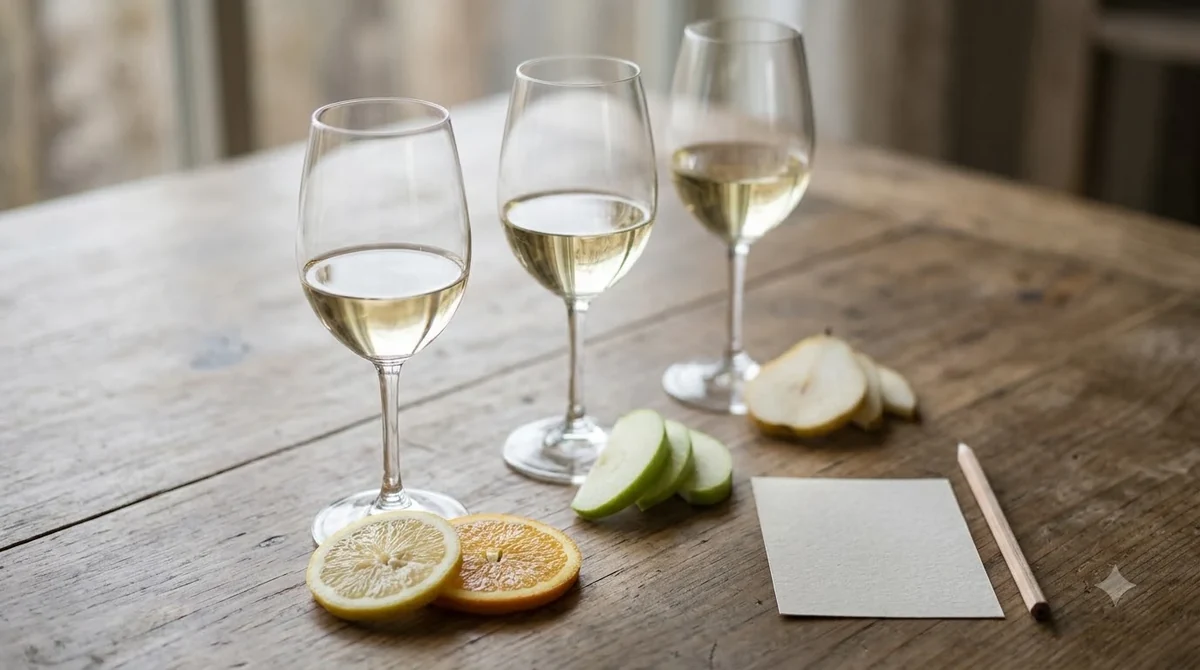
Serving temperature changes how strong a wine tastes. Wine Folly suggests that sparkling Chardonnay should be served between 38 and 45 °F (3 to 7 °C), leaner styles like Chablis around 45 °F (7 °C), and oaked styles around 55 °F (12 °C). A wine served too warm can taste hotter and heavier, while one served properly often shows better balance.
Chilling a lean Chardonnay and serving a richer oaked one a little warmer is a simple way to get the best out of each style. It also helps you judge the alcohol: a fuller wine at a slightly cooler temperature will often feel less hot.
How alcohol compares across white wines
Chardonnay sits in the middle of the white wine range for many drinkers. Lighter options such as the pinot grigio alcohol content guide covers wines that are often lower in alcohol, while sweeter styles like Moscato tend to come in lower again. Comparing the labels within each style is more useful than comparing grape names alone.
If you are tracking calories or alcohol, the simplest habit is to check the ABV line and the producer’s technical notes. Pairing the number with the style tells you more than either one does alone. For a broader overview of white varieties by style, see the wine by type section.
Reading the label before you buy
The ABV is printed on the label in most markets, so it is the most reliable guide. Look for a range rather than a precise number only if the producer uses a vintage blend, since the figure can change between years. Tasting notes that mention cool-climate sourcing, lean structure, or unoaked production usually point to a lower-alcohol style.
When a bottle is labeled as rich, ripe, or full-bodied, expect the alcohol to sit near the top of the range. Those words are not a substitute for the number, but they are a fair clue when the label is short on details.
Ask the tasting room or the producer’s website for the technical sheet if the label is short on detail. Many wineries publish the alcohol, residual sugar, and acidity for each release, and those numbers help you compare two bottles that look similar on the shelf. A short question at the counter often tells you more about the wine than the front label does.
Keep in mind that the ABV affects how a wine feels with food as well as how it tastes. Higher-alcohol Chardonnays can handle rich dishes such as roast chicken with butter sauce, while lighter bottles are often a better fit for salads, seafood, and fresh vegetables. Matching the alcohol level to the meal is a simple way to enjoy a glass without it overwhelming the food.
Frequently Asked Questions
What is the typical alcohol content of Chardonnay?
Most Chardonnays fall between 12 and 15% ABV. Lean styles tend to sit around 12 to 13.5%, while richer, riper bottles can reach 14.5 to 15%.
Is unoaked Chardonnay lower in alcohol?
Not always, but unoaked styles are often leaner and crisper, which usually goes with a lower-alcohol bottle. Check the ABV on the label, since the vineyard and harvest ripeness matter as much as oak.
Why do some Chardonnays have more alcohol than others?
Ripeness at harvest, climate, and winemaking choices all play a role. Warm sites and later picking can push alcohol higher, while cool sites and certain winemaking methods can keep it lower.
Should Chardonnay be served chilled?
Most Chardonnays taste better chilled, though the best temperature depends on style. Lean bottles often show well at a cool temperature, while oaked styles can be served a little warmer.
Chardonnay alcohol content is a range, not a fixed number, and the label is the best guide for any bottle. Choose by style and climate, check the ABV, and serve at a temperature that suits the wine.
More in Wine Types & Grapes
 Zinfandel Sugar Content: Dry Red vs. White Zinfandel GramsUpdated Nov 21, 2026
 Best Zinfandel Substitute Options for Sipping and CookingUpdated Nov 21, 2026
 Zweigelt Food Pairing: Best Dishes, Cheeses, and Serving TipsUpdated Nov 21, 2026
 Zinfandel Tannins Explained: How Structure Shapes Every BottleUpdated Nov 21, 2026
 Zinfandel Sweetness Level: Dry Red vs. Sweet White Zin ExplainedUpdated Nov 21, 2026
 Xinomavro Food Pairing: Best Dishes, Styles, and Serving TipsUpdated Nov 21, 2026