

We may earn a commission when you buy through links on this page, at no extra cost to you. Learn more.
Yes, should tokaji be chilled is a question every wine drinker answers with an affirmative, though the exact temperature depends on whether the bottle is dry, sparkling, or lusciously sweet. Most bottles of Hungarian Tokaji taste best served cool rather than ice-cold, landing between 45°F and 55°F (7°C to 13°C) so bright acidity stays crisp without muting complex aromas of apricot, honey, and orange peel. Serving Tokaji at typical room temperature around 70°F makes sweet styles feel syrupy and flat, whereas straight-from-the-fridge coldness locks away delicate floral and nutty nuances.
Because Tokaji spans everything from crisp dry Furmint to nectar-thick Aszú and rare Eszencia, treating every bottle the same way in your refrigerator can dull what makes this historic Hungarian region special. Dialing in the right chill brings the grape’s natural vibrancy into sharp focus and lets every layer open up in the glass.
Why Temperature Matters So Much for Tokaji
Chilling Tokaji balances its signature high acidity against residual sugar, keeping sweet styles refreshing and dry styles razor-sharp. Too much heat exaggerates sweetness and alcohol, while extreme cold numbs the palate and suppresses aromatic complexity.
In northeastern Hungary’s Tokaj region, volcanic soils and indigenous grapes—led by Furmint, Hárslevelű, and Sárga Muskotály—produce wines with remarkable natural tension. Even when noble rot (Botrytis cinerea) concentrates sugar in the berries, electric acidity keeps the finish clean rather than cloying. Temperature acts as the volume knob on that balance. When a sweet Tokaji warms past 60°F, sugar perception jumps dramatically, masking nuances of dried apricot, ginger, and saffron under a heavy, syrupy impression.
At the opposite extreme, pulling a bottle straight out of a standard 38°F kitchen refrigerator and pouring immediately hides the wine’s aromatics. Cold temperatures slow the evaporation of volatile aroma compounds, making an expressive vintage taste tight and one-dimensional. According to Wine Folly’s guide to Tokaji Aszú, serving sweet styles in the 45°F to 55°F (7°C to 12°C) window keeps the structure lively while allowing layered fruit and spice notes to shine.
Ideal Serving Temperatures by Tokaji Style
Every style of Tokaji calls for its own slice of the thermometer, ranging from briskly chilled sparkling bottlings to cellar-cool aged Aszú. Matching the chill to the wine’s sweetness, oak aging, and texture ensures the best balance from first sip to last.
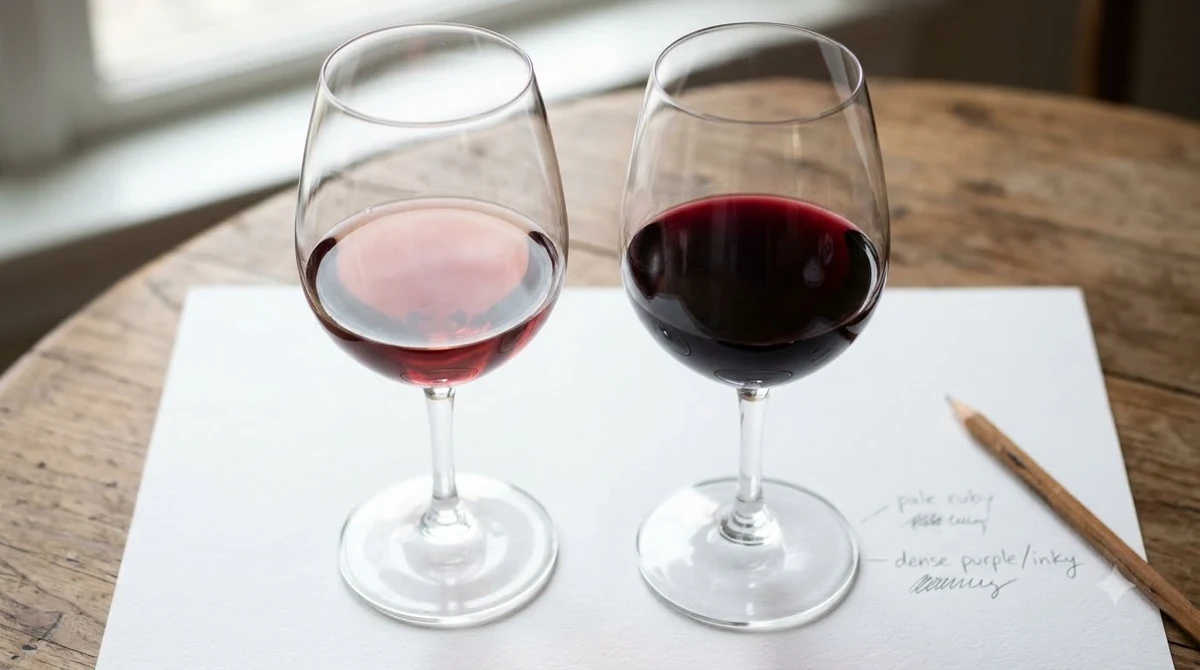
Sparkling Tokaji, usually crafted from Furmint using the traditional method, needs the deepest chill—around 43°F to 46°F (6°C to 8°C)—to preserve lively bubbles and citrusy snap. Crisp, unoaked dry Furmint or Hárslevelű shines just slightly warmer at 46°F to 50°F (8°C to 10°C), which highlights green apple, pear, and stony minerality. If you are exploring broader Wine by Type categories, think of young dry Furmint similarly to a crisp dry Riesling or Albariño in how it responds to a solid fridge chill.
Full-bodied or barrel-aged dry Tokaji benefits from a gentler chill around 50°F to 54°F (10°C to 12°C), giving smoky oak, beeswax, and stone-fruit aromatics room to breathe. Dry Szamorodni, which develops savory, nutty, and gently oxidative notes under a veil of yeast, shows best lightly chilled at 54°F to 57°F (12°C to 14°C). For classic sweet Tokaji Aszú, producer Disznókő recommends 52°F to 55°F (11°C to 13°C) for Aszú, Late Harvest, and Eszencia, while serving dry Furmint cool at 50°F (10°C).
| Tokaji Style | Target Temp (°F) | Target Temp (°C) | Flavor & Texture Effect |
|---|---|---|---|
| Sparkling Tokaji | 43°F–46°F | 6°C–8°C | Keeps mousse fine and citrus acidity crisp |
| Fresh Dry Furmint / Hárslevelű | 46°F–50°F | 8°C–10°C | Accentuates orchard fruit and volcanic minerality |
| Barrel-Aged Dry Tokaji | 50°F–54°F | 10°C–12°C | Opens richer texture, spice, and oak integration |
| Dry Szamorodni | 54°F–57°F | 12°C–14°C | Highlights nutty, savory, oxidative complexity |
| Late Harvest & Sweet Szamorodni | 48°F–54°F | 9°C–12°C | Balances honeyed fruit with bright freshness |
| Tokaji Aszú (5 & 6 Puttonyos) | 45°F–55°F | 7°C–13°C | Prevents syrupy heaviness while unlocking apricot and spice |
| Tokaji Eszencia | 48°F–55°F | 9°C–13°C | Lifts intense nectar sweetness with vibrant acidity |
How to Chill Tokaji Properly Without Overcooling It
The safest way to chill Tokaji is gradually in the refrigerator, followed by a brief rest on the counter before pouring. Quick-chilling in an ice-and-water bath works well when you are short on time, whereas freezers risk thermal shock and muted flavor.
Because most home refrigerators run around 37°F to 40°F, storing a bottle inside for two to three hours will bring it down below the sweet spot for richer styles. Pulling a bottle of Tokaji Aszú or barrel-aged Furmint from the fridge 15 to 20 minutes before serving lets it climb gently into the 48°F to 54°F zone. Once poured into a small tulip-shaped white wine or dessert glass, the wine continues warming by roughly a degree every few minutes, letting you experience how its aromatics evolve across the tasting.
If your bottle starts at room temperature and guests are arriving soon, submerge it up to the neck in a bucket filled with equal parts ice and cold water. Water conducts heat far faster than cold air, bringing a 70°F bottle down to 50°F in about 15 to 20 minutes. Just as you would consider when asking should ice wine be chilled, avoid stashing Tokaji in the freezer; intense cold dulls delicate aromatics and, if forgotten, can freeze liquid and push out the cork.
Tip: Start slightly cooler than your target temperature—around 46°F—because small 2- to 3-ounce dessert pours warm quickly in a room-temperature glass.
Glassware, Pour Size, and Decanting
Proper glassware and modest pour sizes help maintain your ideal chill while concentrating Tokaji’s intricate bouquet. Most bottles do not require decanting, though giving older vintages a few minutes in the glass lets secondary aromas unfold naturally.

For sweet Tokaji Aszú and Late Harvest wines, choose a smaller, slightly tapered white wine or dessert glass rather than a tiny cordial cup or a wide red-wine bowl. A tulip-shaped bowl holds aromatic compounds near the rim while limiting surface area so the wine warms slowly. Keep pours modest—around 2 to 3 ounces (60 to 90 milliliters)—so the wine stays cool until the last sip rather than turning lukewarm halfway through dessert.
Dry Furmint and Szamorodni feel right at home in a standard universal white wine glass with a 4- to 5-ounce pour. Neither dry nor sweet Tokaji generally needs decanting, and Wine Folly explicitly advises against decanting Tokaji Aszú. Pouring chilled wine into a room-temperature decanter warms it prematurely and exposes fragile aged aromatics to unnecessary oxygen, so uncorking shortly before service is usually the best move.
Food Pairings That Rely on the Right Chill
Serving temperature directly shapes how Tokaji interacts with food, especially when pairing sweet Aszú with salty cheeses or rich pâté. Cool wine cuts through fat and salt, while overly warm wine can clash with savory dishes or feel heavy alongside dessert.
Classic savory pairings—such as Roquefort or Stilton blue cheese, seared foie gras, or chicken liver pâté—depend on a crisp chill around 48°F to 52°F. At that temperature, Tokaji Aszú’s brisk acidity cleanses the palate between rich, salty bites while its honeyed apricot notes echo the savory depth of the food. If the wine warms past 60°F, that refreshing contrast softens and the pairing can quickly feel overwhelming.
When serving Tokaji with dessert, keep the dish less sweet than the wine and serve the bottle well chilled at 45°F to 50°F. Almond tarts, baked stone-fruit desserts, crème brûlée, and spiced poached pears all shine alongside cool Aszú or sweet Szamorodni. For dry Furmint chilled to 46°F to 50°F, lean into roast chicken, pan-seared trout, grilled pork chops, or creamy mushroom dishes where bright acidity keeps every bite balanced—much like the refreshing contrast you look for when wondering should sparkling wine be chilled before a meal.
Storing Opened and Unopened Bottles of Tokaji
Unopened Tokaji belongs in a cool, dark spot around 50°F to 55°F, while opened bottles should always be recorked and kept upright in the refrigerator. Thanks to high sugar and natural acidity, opened sweet Tokaji stays fresh far longer than dry table wine.
Underground cellars in Tokaj naturally hold steady at roughly 50°F to 54°F (10°C to 12°C) with high humidity, providing ideal conditions for decades of slow maturation. At home, store unopened bottles on their side in a wine fridge or dark basement closet away from kitchen heat and direct sunlight. Top-tier Aszú vintages routinely age for 10 to 30 years or more, deepening from bright candied citrus and apricot into complex waves of caramel, roasted nuts, and toasted spice.
Once you pull the cork, reseal the bottle tightly with its original stopper or a vacuum pump and place it upright in the refrigerator. Dry Furmint will stay vibrant for about three to five days under refrigeration, while sweet Tokaji Aszú and Eszencia easily hold their poise for two to four weeks—and sometimes even longer—because high sugar and acidity act as natural preservatives. Simply take the bottle out 15 minutes before your next pour to let it warm back to serving temperature.
Frequently Asked Questions
Can you put Tokaji in the fridge?
Yes, putting Tokaji in the refrigerator is the easiest way to chill it before serving and to store it after opening. Because standard kitchen fridges sit around 37°F to 40°F, let sweet Tokaji Aszú or barrel-aged Furmint rest on the counter for 15 to 20 minutes before pouring so cold temperatures do not mute its aromas.
What happens if you drink Tokaji at room temperature?
Serving Tokaji at typical 70°F room temperature makes sweet styles taste overly syrupy, heavy, and flat while amplifying alcohol warmth in dry styles. A proper chill between 45°F and 55°F keeps Furmint’s natural high acidity crisp so the wine feels balanced and refreshing.
Should dry Tokaji be chilled differently than sweet Tokaji Aszú?
Crisp, unoaked dry Furmint and Hárslevelű taste best slightly colder at 46°F to 50°F to emphasize citrus and minerality, whereas barrel-aged dry Tokaji and sweet Aszú shine at 50°F to 55°F. Dry Szamorodni is the warmest of the group, showing its nutty, savory character best around 54°F to 57°F.
How long does opened Tokaji last in the refrigerator?
An opened bottle of sweet Tokaji Aszú keeps remarkably well in the refrigerator for two to four weeks when tightly recorked and stored upright, thanks to its high natural acidity and sugar content. Opened dry Furmint is more delicate and should be enjoyed within three to five days.
Chilling Tokaji to the right temperature unlocks the electric tension between honeyed richness and volcanic acidity that has made Hungarian wine famous for centuries. Whether you are uncorking a crisp dry Furmint for weeknight dinner or pouring a small glass of aged Aszú beside blue cheese, a thoughtful chill ensures every nuance lands cleanly on the palate.
More in Wine Types & Grapes
 Zinfandel Sugar Content: Dry Red vs. White Zinfandel GramsUpdated Nov 21, 2026
 Best Zinfandel Substitute Options for Sipping and CookingUpdated Nov 21, 2026
 Zweigelt Food Pairing: Best Dishes, Cheeses, and Serving TipsUpdated Nov 21, 2026
 Zinfandel Tannins Explained: How Structure Shapes Every BottleUpdated Nov 21, 2026
 Zinfandel Sweetness Level: Dry Red vs. Sweet White Zin ExplainedUpdated Nov 21, 2026
 Xinomavro Food Pairing: Best Dishes, Styles, and Serving TipsUpdated Nov 21, 2026