

We may earn a commission when you buy through links on this page, at no extra cost to you. Learn more.
Yes, should pinotage be chilled is a question with a clear answer: red Pinotage tastes best slightly chilled to cellar temperature, between 57°F and 64°F (14°C to 18°C), rather than warm household room temperature. Putting a standard bottle of red Pinotage in the refrigerator for 15 to 45 minutes before pouring keeps the alcohol in check, sharpens the dark berry fruit, and softens oak heaviness. Rosé, white, and sparkling styles of Pinotage require a full refrigerator chill down to 43°F to 50°F (6°C to 10°C).
Most American living rooms and kitchens sit between 70°F and 73°F, which pushes red wine past its sweet spot and makes Pinotage taste jammy and hot. Because this South African red carries generous dark fruit, smoky earth, and medium-high tannins, a modest drop in temperature brings immediate balance to the glass without muting its signature character.
What Pinotage Is and Why Temperature Matters
Pinotage is South Africa’s signature red grape, bred in 1925 by Stellenbosch University professor Abraham Izak Perold as a cross between Pinot Noir and Cinsault, a variety known locally in South Africa at the time as Hermitage. Although it inherits bright red-berry aromatics from its parents, Pinotage develops deep color from high anthocyanin levels along with dense flavors of black cherry, mulberry, fig, and roasted meat.
Understanding Wine by Type helps explain why serving heat affects this grape so dramatically. Unlike delicate, low-tannin reds that turn thin when warm, Pinotage often reaches full ripeness in sun-drenched Western Cape vineyards, resulting in substantial body and noticeable alcohol. When poured at 72°F, ethanol evaporates faster from the bowl, masking subtle notes of clove, licorice, and plum behind a wave of heat.
According to Wine Folly, serving Pinotage at cellar temperature amplifies its complex aromatics without highlighting the alcohol. Cooling the bottle by ten degrees slows down volatility in the glass, allowing the wine’s natural acidity to lift the palate and keeping its medium-high tannins feeling crisp instead of soupy.
Pinotage Styles and Their Ideal Serving Temperatures
Not every bottle labeled Pinotage belongs in the fridge for the exact same amount of time, because South African winemakers craft the grape in five distinct styles ranging from crisp sparkling wines to age-worthy, oak-aged reds. Lighter, fruit-driven reds and rosés reward a deeper chill, while structured, barrel-matured bottles need a gentler touch so their tannins do not turn astringent.
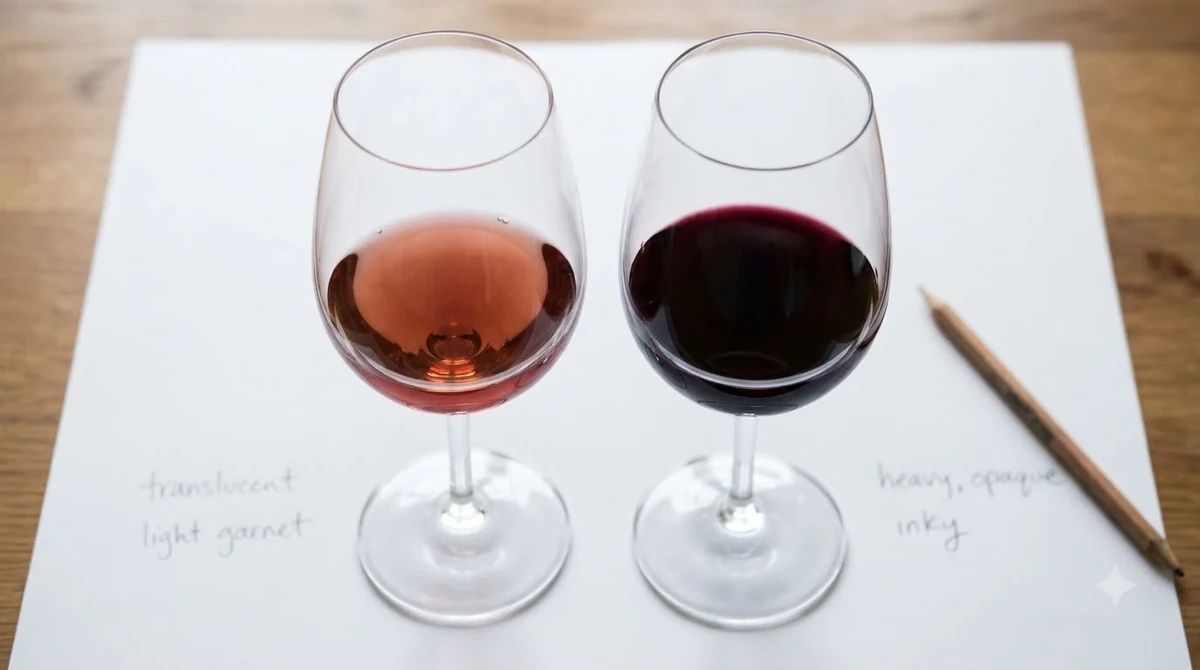
Winemakers working in cooler or higher-altitude coastal sites often produce bright, unoaked or lightly oaked red Pinotage bursting with raspberry, red cherry, and gentle spice. These fresher expressions thrive at 57°F to 61°F (14°C to 16°C), which highlights their crunchy acidity and makes them easy-drinking warm-weather reds. Conversely, classic medium-bodied and full-bodied, oak-aged bottles from Stellenbosch or Paarl carry richer notes of mocha, dark chocolate, and smoke that open up best between 61°F and 64°F (16°C to 18°C).
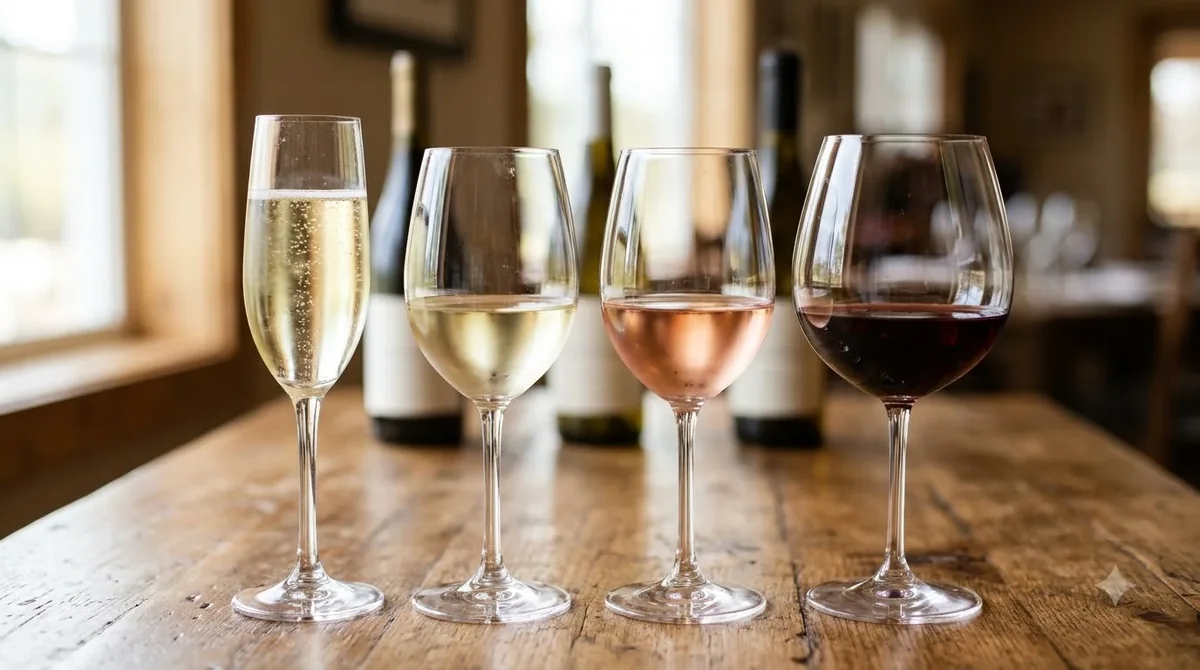
Beyond traditional reds, South African producers also bottle Pinotage as a pale rosé, a rare white vinified without skin contact, and a traditional-method sparkling wine. Similar to how you approach should sparkling wine be chilled, bubbly and pink versions of Pinotage need cold temperatures to preserve crispness and effervescence, whereas cooling a heavy red down to 45°F locks up its bouquet and makes the tannins taste bitter and metallic.
| Pinotage Style | Ideal Serving Temp | Fridge Time from 72°F Room Temp | Key Tasting Notes |
|---|---|---|---|
| Light, fruit-forward red | 57°F–61°F (14°C–16°C) | 30 to 45 minutes | Red cherry, raspberry, bright acidity, soft tannin |
| Classic medium-bodied red | 61°F (16°C) | 30 minutes | Black cherry, mulberry, plum, gentle spice |
| Full, oak-aged red | 61°F–64°F (16°C–18°C) | 15 to 20 minutes | Dark fruit, mocha, licorice, smoke, firm structure |
| Pinotage rosé or white | 46°F–50°F (8°C–10°C) | 2+ hours (remove 5 min before pouring) | Strawberry, watermelon, crisp citrus, refreshing finish |
| Sparkling Pinotage | 43°F–46°F (6°C–8°C) | 3+ hours or ice bucket | Red berries, lively mousse, snappy acidity |
How to Chill Pinotage Without Overdoing It
The easiest way to bring a room-temperature bottle of red Pinotage down to cellar range is a short stint in a standard kitchen refrigerator, which typically holds around 37°F to 40°F. Because a home fridge is significantly colder than your target temperature, timing matters if you want to avoid numbing the wine’s aromatics.
For a classic bottle sitting on a kitchen counter at 72°F, 30 minutes in the refrigerator drops the liquid roughly ten degrees into the ideal 60°F to 62°F zone. If you are short on time before dinner, submerge the bottle up to its neck in an ice bucket filled with equal parts cold water and ice cubes, checking it after five to seven minutes. Water conducts heat away from glass much faster than cold air, making an ice-water bath the fastest way to rescue an overly warm bottle.
Tip: Pour your slightly chilled Pinotage a couple of degrees cooler than your target temperature, because the wine warms up by roughly two to three degrees within minutes of hitting a room-temperature glass.
If you accidentally leave a red Pinotage in the refrigerator for two hours and it comes out icy, do not worry—you have not harmed the wine. Simply pour it into large wine glasses and cup the bowls gently with your hands for two or three minutes, or let the bottle stand on the counter for 15 minutes until the fruit aromas wake back up. Just as with should sangria be chilled for outdoor gatherings, keeping an insulated wine sleeve nearby helps hold that sweet-spot temperature on warm afternoons.
Decanting, Glassware, and Storage Considerations
Temperature works hand in hand with aeration and glassware to shape how Pinotage expresses itself in the glass. Young, structured red Pinotage often benefits from 30 to 60 minutes in a decanter to soften firm tannins and blow off any initial reductive, smoky tightness, while lighter, fruit-led reds, rosés, and sparkling bottles are best poured straight from the bottle.
When decanting a structured red in a warm dining room, chill the bottle first for 20 minutes before transferring it to the decanter so the wine does not climb past 65°F while breathing. Serving red Pinotage in a wide-bowled universal or Bordeaux-style glass gives the dense dark fruit room to swirl and aerate, whereas Pinotage rosé and sparkling styles hold their chill longer in narrower white-wine or tulip glasses.
For long-term storage before you ever open the cork, keep bottles in a dark, vibration-free spot at a steady 55°F (13°C), laying natural-cork bottles on their sides so the cork stays moist. According to Pinotage.com’s tasting guide, once a bottle of red Pinotage is opened, recorking it and placing it in the refrigerator preserves freshness for three to five days; simply take the bottle out 30 minutes before pouring your next glass so it returns to cellar temperature.
Food Pairings That Shine at Cellar Temperature
Serving Pinotage with a slight chill makes it one of the most versatile food wines on the table, especially alongside smoky, savory, and spiced dishes. In South Africa, Pinotage is the classic partner for a traditional braai—wood-fired barbecue—where the wine’s natural smoke and dark berry notes mirror charred meats while its refreshed acidity cuts through rich fat.
A lightly chilled, medium-bodied Pinotage at 60°F pairs effortlessly with grilled lamb chops, baby back ribs, smash burgers, and pulled pork, because the cooler temperature keeps the wine from feeling heavy against rich sauces. If you are serving a fuller, oak-aged bottle around 63°F, match its mocha and spice depth with braised beef short ribs, pepper-crusted steak, roasted duck, or wild mushroom risotto.
Chilled Pinotage rosé at 48°F handles warm-weather menus with ease, standing up to grilled salmon, spiced chicken skewers, charcuterie boards, and tomato-based flatbreads. Keeping the serving temperature calibrated to the weight of both the wine and the dish prevents alcohol warmth from clashing with chili heat or smoky glazes.
Frequently Asked Questions
What happens if you serve red Pinotage too cold?
Serving red Pinotage below 54°F (12°C) mutes its dark cherry, plum, and spice aromas while making its natural tannins taste harsh, bitter, and overly astringent. If a bottle gets too cold, let it sit at room temperature for 15 minutes or warm the glass bowl briefly with your hands.
Should you put an opened bottle of Pinotage in the fridge?
Yes, resealing an opened bottle of red Pinotage and storing it in the refrigerator slows oxidation and keeps the wine fresh for three to five days. Take the bottle out of the fridge 20 to 30 minutes before pouring so it warms back up to ideal cellar temperature.
Is coffee-style Pinotage served chilled or at room temperature?
Coffee-style Pinotage—a popular South African style fermented or aged with toasted oak to bring out mocha and espresso notes—should be served slightly chilled at 60°F to 62°F (16°C to 17°C). Serving it at warm room temperature makes the alcohol feel heavy and causes the roasted oak flavors to overpower the fruit.
How does chilling Pinotage compare to chilling dessert wines?
Red Pinotage only needs a brief 15-to-45-minute chill to reach cellar temperature, whereas sweet dessert styles require much colder temperatures to balance their sugar. For comparison, rules around should ice wine be chilled call for serving temperatures around 43°F to 46°F so intense sweetness stays crisp rather than syrupy.
Giving Pinotage a quick 15-to-45-minute rest in the refrigerator transforms it from a warm, heavy red into a vibrant, balanced pour with crisp dark fruit and clean tannins. Match the chill time to the weight of your bottle—lighter for oak-aged reds, longer for juicy young styles, and fully cold for rosé and sparkling—and you will taste South Africa’s signature grape at its best.
More in Wine Types & Grapes
 Zinfandel Sugar Content: Dry Red vs. White Zinfandel GramsUpdated Nov 21, 2026
 Best Zinfandel Substitute Options for Sipping and CookingUpdated Nov 21, 2026
 Zweigelt Food Pairing: Best Dishes, Cheeses, and Serving TipsUpdated Nov 21, 2026
 Zinfandel Tannins Explained: How Structure Shapes Every BottleUpdated Nov 21, 2026
 Zinfandel Sweetness Level: Dry Red vs. Sweet White Zin ExplainedUpdated Nov 21, 2026
 Xinomavro Food Pairing: Best Dishes, Styles, and Serving TipsUpdated Nov 21, 2026