

We may earn a commission when you buy through links on this page, at no extra cost to you. Learn more.
When asking should Petite Sirah be chilled, the answer is yes—lightly chill it to cellar temperature between 60°F and 68°F (15°C to 20°C) rather than serving it at warm modern room temperature. Placing a room-temperature bottle in the refrigerator for 15 to 20 minutes brings it into this ideal window. Serving Petite Sirah slightly cool keeps its high alcohol from feeling hot on the palate while preserving its bold blueberry, blackberry, and black pepper aromas.
Most American kitchens and dining rooms sit around 70°F to 74°F, which is noticeably warmer than the historic European stone cellars that originally inspired the phrase “room temperature.” Because Petite Sirah is famous for its dense concentration, rich fruit, and assertive structure, a gentle chill makes the difference between a balanced glass and one that feels heavy or jammy.
What Petite Sirah Is and Why Temperature Matters
Petite Sirah is a full-bodied, inky-dark red wine grape known in France as Durif, originally bred in the 1880s by botanist François Durif as a cross between Syrah and the rare alpine grape Peloursin. Because of its thick skins, high tannin structure, and substantial alcohol levels, its serving temperature directly controls how smooth or harsh the wine tastes.

Despite the word “petite” in its name, there is nothing delicate about the wine inside the bottle. The moniker refers strictly to the small size of the individual berries, which grow in tight, compact clusters. Small berries mean a high ratio of grape skins to juice during fermentation, giving Petite Sirah one of the highest concentrations of color pigments and natural tannins in the wine world.
Those dense compounds react dramatically to heat and cold. According to Wine Enthusiast’s varietal overview of Petite Sirah, the grape is prized for producing wines with high tannin and color, alongside medium-to-high alcohol and full body. When a wine with that kind of power sits on a warm kitchen counter, ethanol evaporates rapidly in the glass, making the first sip burn your nose and flatten the fruit. Conversely, dropping the bottle down to standard refrigerator temperatures around 38°F locks away its floral and spice aromatics while making those heavy tannins feel bitter and astringent.
Flavor Profile and Regional Styles
At its best, Petite Sirah delivers intense flavors of blueberry, blackberry, plum, dark chocolate, and freshly cracked black pepper. Depending on where the vines grow, the wine can lean either plush and jammy or savory and mineral-driven, which subtly shifts where within the 60°F to 68°F window it shines brightest.
Although the grape originated in eastern France, fewer than 10,000 acres are planted worldwide today, with California serving as its true modern home. In warmer inland regions such as Lodi and California’s Central Valley, Petite Sirah develops lush, ripe flavors of blackberry jam, boysenberry, and sweet baking spice from oak aging. Serving these fruit-forward bottles toward the cooler end of the spectrum—around 60°F to 63°F—reins in their plushness and adds a refreshing lift to the finish.
In cooler coastal zones like Sonoma, Mendocino, and parts of Napa Valley, the wines often show firmer acidity alongside notes of crushed rocks, graphite, lavender, and espresso. Reviewers at Wine Folly’s comprehensive Petite Sirah guide note that serving the wine around 65°F brings out more floral and mineral aromas alongside its signature dark fruit. Older, cellar-aged bottles with softened tannins also benefit from sitting near 65°F to 68°F so their tertiary leather and cocoa nuances can unfurl.
Ideal Serving Temperature Guide by Wine Style
Not every bottle on your table needs the exact same chill, and comparing Petite Sirah to lighter reds, whites, and sparkling wines makes temperature management much easier. While Petite Sirah needs only a brief cooldown, lighter styles require deeper refrigeration to keep their crisp acidity intact.
| Wine Style | Target Temperature | Fridge Time from Room Temp | Effect of Over-Chilling |
|---|---|---|---|
| Petite Sirah & Full-Bodied Reds | 60°F–68°F (15°C–20°C) | 15–20 minutes | Harsh, drying tannins and muted fruit |
| Pinot Noir & Light-Bodied Reds | 55°F–60°F (12°C–15°C) | 25–35 minutes | Thin body and overly sharp acidity |
| Oaked Chardonnay & Full Whites | 50°F–55°F (10°C–13°C) | 1.5–2 hours | Masks oak spice, vanilla, and creamy texture |
| Sparkling Wine & Champagne | 38°F–45°F (3°C–7°C) | 3+ hours | Dulls complex brioche notes in vintage bottles |
Understanding these tiers helps when you are hosting dinner and pouring multiple bottles across an evening. If you are browsing different Wine by Type to build a multi-course menu, grouping bottles by body weight lets you pull them from the refrigerator in stages. White and bubbly bottles go in hours ahead of time, while heavy reds only need a quick stint near the end of prep.
Notice how differently chill interacts with sweetness and bubbles compared to heavy red tannins. If you have ever wondered should sparkling wine be chilled, the answer is a firm yes because cold temperatures keep carbonation fine and lively. Similarly, anyone asking should ice wine be chilled will find that deep cold balances intense residual sugar. Petite Sirah has neither bubbles nor noticeable sweetness, so it only wants a gentle touch of cool air rather than an icy blast.
How to Chill Petite Sirah at Home
Getting a bottle of Petite Sirah to 60°F–65°F takes less than half an hour with a standard kitchen refrigerator or an ice bucket. You do not need a dedicated wine fridge or a digital thermometer to hit the sweet spot consistently.
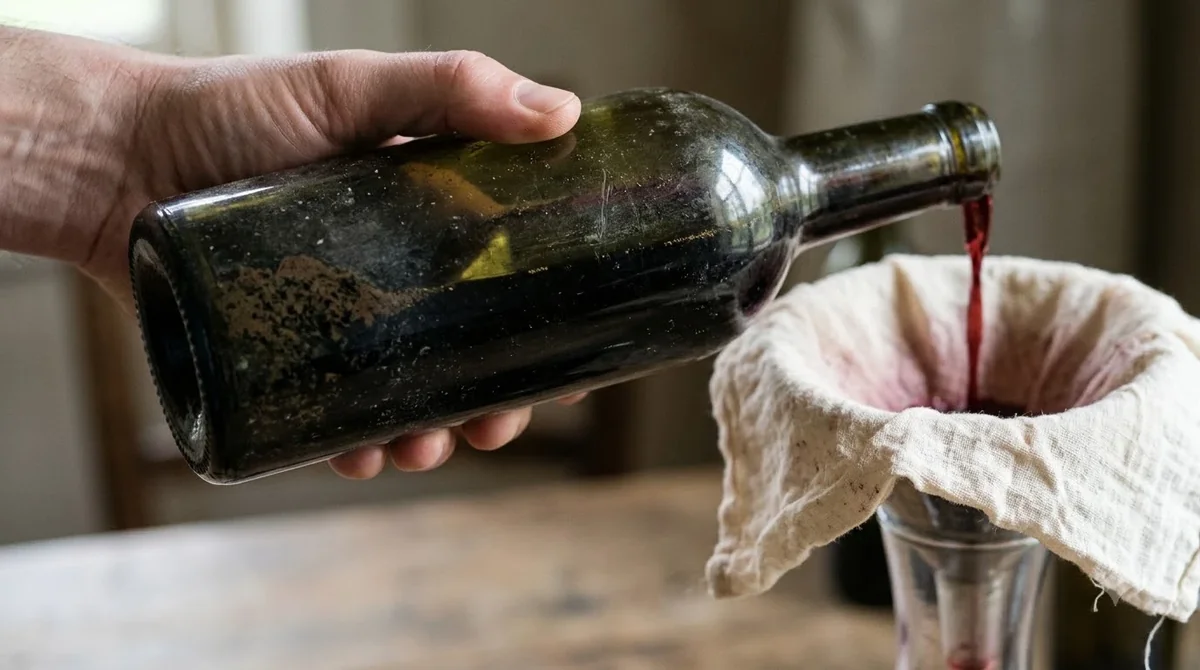
For a bottle stored in a pantry or wine rack at roughly 72°F, place it in your kitchen refrigerator for 15 to 20 minutes before pulling the cork. Standard household refrigerators run near 37°F to 40°F, which drops the wine’s temperature by roughly one degree every three to four minutes. When you take the bottle out, the glass should feel slightly cool against your palm—like a shaded basement stone—rather than cold to the touch.
If guests have already arrived and you are short on time, submerge the bottle in a bucket filled with equal parts cold tap water and ice for 5 to 10 minutes. Water transfers heat far faster than cold refrigerator air, so keep an eye on the clock and pull the bottle as soon as the glass feels cool. Once poured, hold your wine glass by the stem rather than cupping the bowl, since body heat will warm a pour by several degrees in just a few minutes.
Tip: Decant young Petite Sirah for about 1 hour before serving so oxygen can soften its firm tannins while the wine settles into its ideal 60°F–65°F range.
Food Pairings That Benefit from a Light Chill
Petite Sirah’s bold tannins and dark fruit call for rich, savory dishes loaded with fat, umami, or warm spices. Serving the wine slightly cool sharpens its natural acidity just enough to cut through heavy meats and creamy sauces without letting the alcohol overwhelm your palate.
Grilled ribeye steak, smoked brisket, and braised short ribs are classic matches because the proteins and fats in the meat bind to the wine’s assertive tannins, making the finish taste remarkably smooth. When you serve these dishes straight off a hot grill or out of a slow cooker, a 62°F pour provides a refreshing contrast to the warmth of the food. Roast duck, pork belly, and beef stroganoff also pair smoothly with a lightly chilled glass.
Temperature becomes even more important when pairing Petite Sirah with spiced dishes like chicken mole, blackened meats, or pepper-crusted roasts. Warm alcohol amplifies the burning sensation of chili heat and black pepper, whereas a cool 60°F serving temperature tames that heat and lets the cocoa and berry notes shine through. Even if you decide to use an inexpensive bottle in a batch cocktail—much like asking should sangria be chilled before a summer barbecue—keeping the base wine cool prevents the drink from tasting heavy.
Common Mistakes When Serving Petite Sirah
Even experienced wine drinkers occasionally misjudge how temperature interacts with a wine as structured as Petite Sirah. Avoiding a few everyday habits ensures every bottle opens up cleanly from the first pour to the last glass.
The most common mistake is leaving a bottle sitting in a warm kitchen near a stove, sunny window, or outdoor patio table before dinner. Once red wine climbs above 70°F, its fruit flavors turn soupy and the alcohol dominates the aroma. If you are dining outdoors in warm weather, start the bottle closer to 58°F so it warms gradually into the low 60s as you eat.
The opposite error is forgetting a bottle of Petite Sirah in the refrigerator overnight and pouring it straight at 38°F. At fridge temperatures, Petite Sirah smells muted and tastes overly grippy and bitter. If that happens, simply let the uncorked bottle rest on the counter for 30 to 40 minutes, or swirl your poured glass gently to bring the wine back up into its expressive cellar range.
Frequently Asked Questions
Can you put Petite Sirah in the fridge before drinking?
Yes, putting a room-temperature bottle of Petite Sirah in the refrigerator for 15 to 20 minutes before serving is one of the easiest ways to improve its flavor. This brief chill cools the wine down to roughly 60°F–65°F, which keeps the alcohol balanced and highlights its dark fruit aromas. Just avoid leaving it in the fridge for hours, as serving it ice-cold will make the tannins taste overly bitter.
What happens if Petite Sirah is served too warm?
When Petite Sirah is served above 68°F, its relatively high alcohol evaporates faster and creates a sharp, hot sensation on the nose and palate. Warm temperatures also flatten the wine’s natural acidity, making its rich blueberry and blackberry flavors taste jammy, heavy, and less defined.
Should you decant Petite Sirah before or after chilling it?
If your room is warm, chill the bottle in the fridge for 15 to 20 minutes first, then pour it into a decanter for about an hour. Decanting exposes the wine to oxygen to soften its heavy tannins, while starting slightly cool ensures the wine reaches the table right around 62°F–65°F.
How should you store an opened bottle of Petite Sirah?
Recork the bottle tightly and place it in the refrigerator to slow down oxidation, which preserves its dark fruit flavors for two to four days. When you are ready for another glass, take the bottle out of the fridge 30 to 40 minutes ahead of time so it can warm back up to cellar temperature.
Giving Petite Sirah a quick 15-minute chill brings out the exact balance of plush dark fruit, cracked pepper, and firm structure that makes the grape so rewarding. Treat “room temperature” as a cool cellar rather than a warm dining room, and every bottle you open will taste noticeably cleaner, brighter, and more expressive.
More in Wine Types & Grapes
 Zinfandel Sugar Content: Dry Red vs. White Zinfandel GramsUpdated Nov 21, 2026
 Best Zinfandel Substitute Options for Sipping and CookingUpdated Nov 21, 2026
 Zweigelt Food Pairing: Best Dishes, Cheeses, and Serving TipsUpdated Nov 21, 2026
 Zinfandel Tannins Explained: How Structure Shapes Every BottleUpdated Nov 21, 2026
 Zinfandel Sweetness Level: Dry Red vs. Sweet White Zin ExplainedUpdated Nov 21, 2026
 Xinomavro Food Pairing: Best Dishes, Styles, and Serving TipsUpdated Nov 21, 2026