

We may earn a commission when you buy through links on this page, at no extra cost to you. Learn more.
If you are wondering should fruit wine be chilled before serving, the answer is yes—ideally to between 45°F and 55°F (7°C to 13°C) depending on the style, body, and residual sugar. Crisp, dry, and sparkling fruit wines taste brightest at the colder end of that spectrum around 45°F to 50°F, whereas fuller-bodied, barrel-aged, or tannic berry bottlings open up better near 50°F to 55°F. Serving fruit wine at standard room temperature dulls its natural acidity, exaggerates sweetness, and lets alcohol notes overpower delicate orchard or berry aromatics.
Whether you have a bottle of tart Michigan cherry wine, dry Maine wild blueberry bubbles, or sweet Georgia peach wine sitting on your counter, temperature controls almost everything you taste in the glass. Understanding how chill interacts with fruit sugars, acids, and tannins helps you serve every bottle at its peak.
Ideal Serving Temperatures by Fruit Wine Style
Most fruit wines belong in the refrigerator prior to pouring, though the exact target window shifts according to carbonation, sweetness, and skin contact. Treating every non-grape wine identically can either flatten delicate stone-fruit aromatics or leave a sweet berry wine feeling heavy on the palate.
According to Wine Enthusiast’s serving temperature guide, colder temperatures preserve effervescence and sharpen crisp acidity, while slightly warmer temperatures let complex, fuller-bodied wines express layered aromatics. Sparkling fruit wines—such as bottle-fermented blueberry or crisp apple cuvées—perform best between 41°F and 48°F, where cold liquid keeps the bubbles fine rather than foamy. Light, dry orchard wines made from apples or pears mirror Unoaked Pinot Grigio or Sauvignon Blanc, shining at 45°F to 50°F.
Sweeter dessert-style fruit wines, including late-harvest peach, raspberry, or blackcurrant bottlings, benefit from a thorough chill around 43°F to 48°F. Cold suppresses how strongly your taste buds register sugar, preventing high residual sweetness from tasting syrupy. Conversely, rich, dry red-style fruit wines—such as oak-aged elderberry, blackberry, or tart cherry—carry noticeable tannins and deeper structure, making 50°F to 55°F the sweet spot so you avoid harsh astringency while keeping the fruit lively.
| Fruit Wine Style | Common Fruits | Target Temp (°F) | Target Temp (°C) | Fridge Time from Room Temp |
|---|---|---|---|---|
| Sparkling Fruit Wine | Wild blueberry, apple, pear, cranberry | 41°F – 48°F | 5°C – 9°C | 2 to 2.5 hours |
| Sweet & Dessert Fruit Wine | Peach, raspberry, blackberry, plum | 43°F – 48°F | 6°C – 9°C | 2 hours |
| Crisp, Dry Orchard & Tropical | Apple, pear, pineapple, rhubarb | 45°F – 50°F | 7°C – 10°C | 1.5 to 2 hours |
| Off-Dry Stone Fruit & Berry | Apricot, strawberry, cherry | 46°F – 52°F | 8°C – 11°C | 1 to 1.5 hours |
| Full-Bodied / Oak-Aged Berry | Elderberry, blackcurrant, dry dark cherry | 50°F – 55°F | 10°C – 13°C | 45 to 60 minutes |
Why Temperature Changes How Fruit Wine Tastes
Temperature directly governs three sensory elements in any fermented beverage: volatile aroma release, acid-to-sugar perception, and alcohol warmth. Getting the chill right balances these competing forces so the wine tastes like fresh fruit rather than cooked jam or spiked juice.
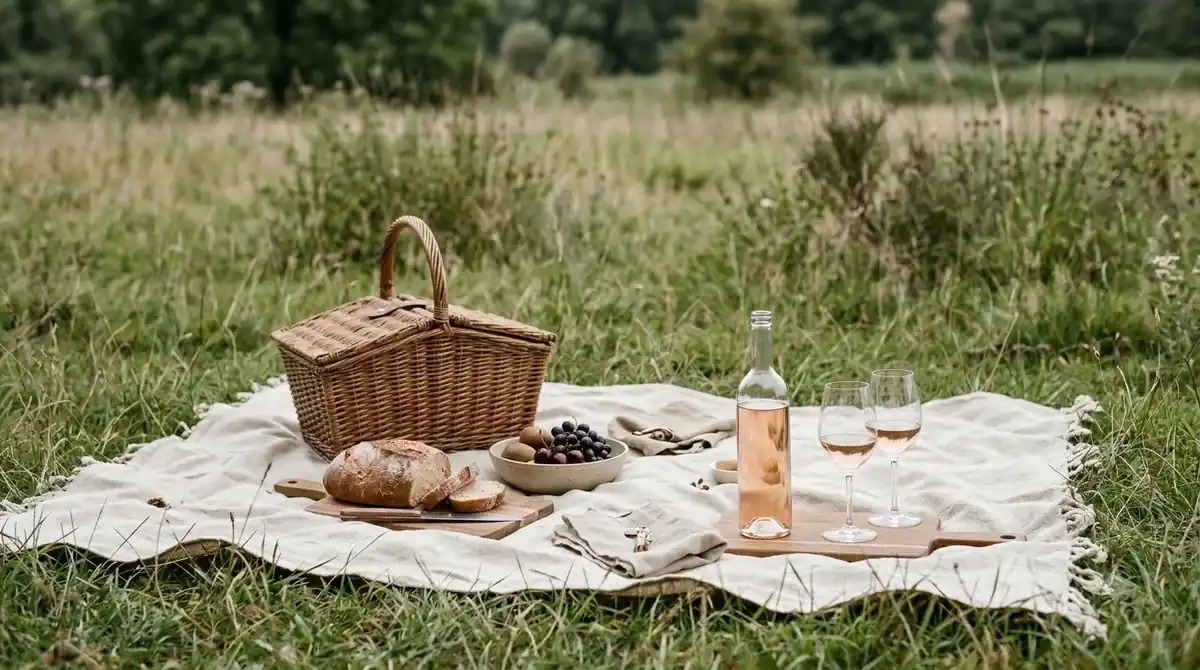
First, warmth accelerates the evaporation of volatile aromatic compounds and ethanol. When a fruit wine sits at modern American room temperature—typically 68°F to 72°F—alcohol vapors rise aggressively from the bowl, masking subtle floral notes in apricot or green-apple crispness in pear wine. Cooling the bottle slows evaporation just enough to keep the nose clean, focused, and expressive.
Second, human taste receptors perceive sweetness and acidity differently across temperature bands. Chilling a wine emphasizes bright malic and citric acids naturally abundant in apples, berries, and stone fruits while dialing back the perceived weight of residual sugar. For traditional Wine by Type categories as well as non-grape fermentations, that interplay is what makes a wine feel refreshing rather than cloying.
Finally, overly cold temperatures create the opposite problem by locking aromas inside the glass. Standard household refrigerators run near 35°F to 38°F for food safety, which is too cold for still fruit wines. Pulling a bottle straight from the back of the kitchen fridge and pouring immediately can mute its bouquet and make dry, high-acid fruit wines taste sharp or hollow until they warm up a few degrees.
How Modern Craft Fruit Wines Affect Serving Choice
Not all fruit wines are sweet novelty souvenirs anymore, and the rise of dry, vineyard-style non-grape bottlings has changed how they should be chilled. Knowing whether your bottle is crafted like a crisp white, a light red, or a traditional sparkling wine prevents under- or over-chilling.
As Wine Enthusiast’s guide to modern fruit wines highlights, craft producers across the United States are fermenting local crops—from wild Maine blueberries at Bluet to Hawaii pineapples at MauiWine and Michigan cherries at Chateau Grand Traverse—into dry, balanced wines meant for the dinner table. Many of these bottles sit between 7% and 14% ABV and rely on crisp natural acidity rather than added sugar for structure.
Because dry craft fruit wines lack heavy residual sugar to cushion their acidity, serving them slightly warmer than sweet dessert styles—closer to 48°F to 52°F—allows textural complexity, yeast character, and barrel nuances to emerge. Just as should sparkling wine be chilled depends on whether you are pouring a fresh tank-method bubbly or an aged vintage bottle, a traditional-method sparkling fruit wine benefits from warming a couple of degrees in the glass to reveal brioche and orchard complexity.
Tip: Pull still fruit wines out of a standard kitchen refrigerator 10 to 15 minutes before pouring so they rise from 38°F into the ideal 45°F to 52°F tasting window.
Best Ways to Chill and Serve Fruit Wine at Home
Chilling a bottle properly requires little equipment, provided you plan ahead or use an ice-water bath when guests arrive unexpectedly. Choosing the right glassware and temperature-holding habits also keeps the second glass tasting as lively as the first.
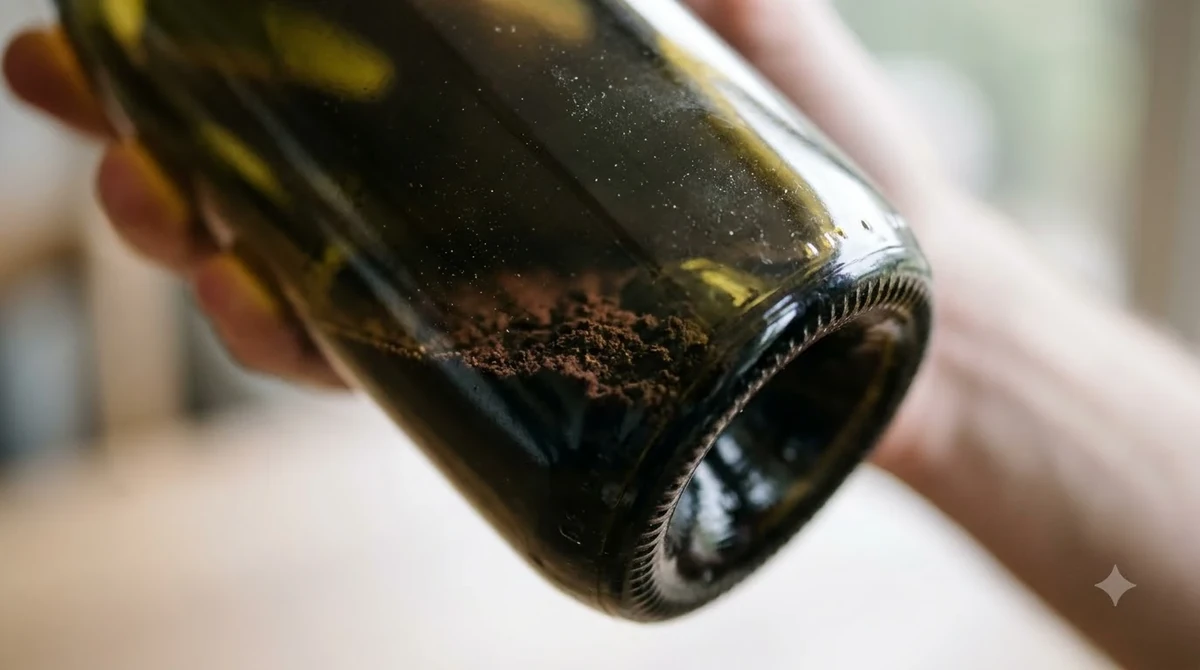
For planned meals, placing a room-temperature bottle in a standard refrigerator for 90 minutes to two hours brings most still fruit wines right into their target zone. If you are short on time, submerge the bottle up to its neck in a bucket filled with equal parts ice and cold water plus a small handful of table salt. Water transfers heat far faster than cold air, and salt lowers the freezing point, chilling a room-temperature bottle to around 45°F in 15 to 20 minutes. Avoid stashing bottles in the freezer and walking away, as forgotten bottles can freeze, push out the cork, or crack.
Once poured, serve fruit wine in a standard tulip-shaped white wine glass rather than an oversized Bordeaux bowl. A narrower bowl concentrates delicate berry and orchard aromatics toward your nose while slowing down heat transfer from the room. If you are drinking outdoors on a warm afternoon, keep the open bottle in an insulated chiller sleeve or an ice bucket rather than leaving it in direct sunlight.
Adding ice cubes directly to your glass is generally best reserved for casual, high-sweetness fruit wines or spritzers, since melting ice dilutes flavor and aroma. However, if a sweet berry wine feels overly rich on a hot patio, dropping in one large clear ice cube or topping it with chilled club soda is a practical adjustment. For intensely sweet fortified or late-harvest styles, the same rules explored in should ice wine be chilled apply: serve small pours cold so acidity stays crisp against the sugar.
Storage Temperature vs. Serving Temperature
Keeping unopened fruit wine at the right storage temperature protects its freshness, even though storage temperature and serving temperature are rarely the same number. Proper storage ensures the wine tastes clean when you eventually chill it for the table.
Most fruit wines are made to be enjoyed young—typically within one to three years of bottling—because their appeal relies on vibrant primary fruit character rather than decades of tertiary bottle development. Store unopened bottles in a dark, cool spot away from kitchen ovens, sunny windows, and heating vents, ideally around 50°F to 59°F. Heat accelerates oxidation, turning bright strawberry or peach notes brown and flat within months.
If you do not own a dedicated wine refrigerator set to 55°F, a dark interior closet or basement shelf works well for short-term keeping, followed by a couple of hours in the kitchen fridge before dinner. Once opened, recork the bottle tightly and store it upright in the refrigerator. Most still fruit wines stay fresh for three to five days under refrigeration, while sparkling fruit wines hold their bubbles for one to two days with a proper Champagne stopper.
Frequently Asked Questions
Can you serve fruit wine at room temperature?
Serving fruit wine at modern room temperature around 70°F is not recommended because warmth amplifies alcohol heat and makes residual sugar taste heavy. Even full-bodied, dry berry wines like elderberry or dark cherry show much better clarity and balance when given a 45-minute chill to reach 50°F to 55°F.
How long should you chill fruit wine in the refrigerator?
A bottle starting at room temperature needs roughly 1.5 to 2 hours in a standard refrigerator to reach 45°F to 50°F. Lighter, fuller-bodied dry red-style fruit wines need only 45 to 60 minutes, whereas sparkling fruit wines benefit from at least two hours so the carbonation stays crisp and fine.
Is it okay to put ice cubes in fruit wine?
For dry, nuanced craft fruit wines, ice cubes dilute subtle aromatics and flatten the mid-palate, so chilling the bottle beforehand is a much better approach. For sweet, casual fruit wines served outdoors in summer, adding a single large ice cube or mixing a half-wine, half-soda spritz is completely acceptable if you prefer a lighter, colder drink.
Does homemade or sangria-style fruit wine need a different chill?
Homemade fruit wines and citrus-infused blends follow the same temperature rules as commercial bottlings, tasting cleanest between 45°F and 50°F. When serving fruit-infused wine punches, check out should sangria be chilled for guidance on pre-chilling both the base wine and fresh fruit garnishes so melting ice does not water down the pitcher.
Chilling fruit wine to the 45°F to 55°F window brings out the crisp acidity and fresh orchard or berry character that make non-grape wines so rewarding. Keep sparkling and sweet styles colder, give dry oak-aged berry bottlings a slightly gentler chill, and let each glass warm naturally as you sip.
More in Wine Types & Grapes
 Zinfandel Sugar Content: Dry Red vs. White Zinfandel GramsUpdated Nov 21, 2026
 Best Zinfandel Substitute Options for Sipping and CookingUpdated Nov 21, 2026
 Zweigelt Food Pairing: Best Dishes, Cheeses, and Serving TipsUpdated Nov 21, 2026
 Zinfandel Tannins Explained: How Structure Shapes Every BottleUpdated Nov 21, 2026
 Zinfandel Sweetness Level: Dry Red vs. Sweet White Zin ExplainedUpdated Nov 21, 2026
 Xinomavro Food Pairing: Best Dishes, Styles, and Serving TipsUpdated Nov 21, 2026