

We may earn a commission when you buy through links on this page, at no extra cost to you. Learn more.
Yes, should madeira be chilled depends on the sweetness style, with drier bottles served chilled around 54°F (12°C) and sweeter bottles served slightly chilled around 61°F (16°C). Most Madeira wines fall into an overall serving range of 55°F to 60°F (12°C to 15°C), which is cooler than standard American room temperature. Serving Madeira too warm emphasizes its 17% to 22% alcohol by volume and makes the texture feel heavy, while chilling it slightly sharpens its trademark acidity and caramel aromatics.
Because Madeira spans everything from bone-dry aperitifs to unctuous dessert pours, treating every bottle the exact same way guarantees a flat first impression. A crisp Sercial poured at 72°F will taste fiery and unbalanced, whereas an ice-cold Malmsey pulled straight from a standard kitchen refrigerator will lock up its roasted nut and dried fig aromas. Understanding how temperature interacts with sweetness, alcohol, and volatile acidity lets you pour every style in its ideal window.
What Madeira Is and Why Temperature Matters
Madeira is a fortified Portuguese wine from the volcanic island of Madeira that undergoes deliberate heating and oxidation during aging. Because it sits between 17% and 22% ABV and carries intense natural acidity, serving temperature controls whether the glass tastes balanced or overwhelmingly alcoholic.
Unlike delicate table wines that winemakers protect from heat and oxygen at every stage, Madeira is intentionally exposed to both. Producers add clear, neutral grape spirit at 96% ABV during fermentation, which halts yeast activity and leaves behind varying levels of natural grape sugar. Afterward, the wine is warmed and cooled repeatedly—either in heated stainless-steel tanks called estufas that reach up to 122°F (50°C) for at least three months, or slowly in wooden casks stored in warm lofts under the traditional canteiro method. This deliberate maderization caramelizes sugars, concentrates acidity, and builds oxidative notes of walnut oil, burnt caramel, orange peel, and roasted hazelnut.
That high alcohol and concentrated acidity make temperature management essential at the table. Alcohol becomes noticeably more volatile as a liquid warms past 65°F (18°C), creating a sharp, spirit-forward burn on the nose that masks subtle barrel nuances. At the same time, Madeira possesses searing natural acidity driven by the island’s cool Atlantic climate and volcanic soils. A gentle chill tames the alcohol heat while keeping that brisk acidity lively on the palate, giving the wine lift rather than letting its residual sugar feel syrupy.
Even though Madeira is famously heat-tolerant in the cellar, “heat-tolerant” does not mean you should serve it at warm living-room temperatures. Modern American homes typically sit around 70°F to 72°F, which is far warmer than the historic stone dining rooms of previous centuries. Bringing a bottle down by ten to fifteen degrees before pouring bridges that gap and brings every layer of flavor into focus.
Ideal Serving Temperatures by Madeira Style
Dry and medium-dry Madeiras belong in the cooler 54°F to 57°F (12°C to 14°C) range, while medium-sweet and sweet styles shine slightly warmer at 59°F to 61°F (15°C to 16°C). Matching the chill to the grape variety prevents cold from muting rich dessert styles or warmth from dulling crisp aperitifs.
According to the Madeira Wine Company, dry and medium-dry styles are best served chilled at 12°C (54°F), while medium-rich and rich styles show best slightly chilled at 16°C (61°F). Those two anchor points correspond directly to Madeira’s four classic noble white grape varieties—Sercial, Verdelho, Bual, and Malmsey—as well as blended styles like Rainwater. Each grape occupies a specific rung on the sweetness ladder, with residual sugar ranging from under 49 grams per liter in Extra Dry bottlings to more than 100 grams per liter in full Sweet bottlings.
| Madeira Style / Grape | Sweetness Level | Target Serving Temp (°F / °C) | Chilling Method from Room Temp |
|---|---|---|---|
| Sercial | Extra Dry to Dry | 50°F–54°F (10°C–12°C) | 45 to 60 minutes in the refrigerator |
| Verdelho & Rainwater | Medium-Dry | 54°F–57°F (12°C–14°C) | 35 to 45 minutes in the refrigerator |
| Bual (Boal) | Medium-Sweet | 57°F–61°F (14°C–16°C) | 20 to 30 minutes in the refrigerator |
| Malmsey (Malvasia) | Sweet | 59°F–61°F (15°C–16°C) | 15 to 25 minutes in the refrigerator |
| Aged Frasqueira (20+ Years) | Dry to Sweet (Varies) | 57°F–63°F (14°C–17°C) | 15 to 20 minutes in the refrigerator |
Sercial sits at the driest end of the spectrum, grown at high elevations where grapes retain brisk lemon zest and green almond character. Serving Sercial around 50°F to 54°F treats it much like a full-bodied white wine, emphasizing its mouthwatering salinity and clean finish. Verdelho and light, medium-dry Rainwater blends carry a touch more roundness and smoky dried apricot notes, making 54°F to 57°F the sweet spot where fruit and acid stay in lockstep.
Moving up the sweetness scale, Bual and Malmsey require a gentler chill so their dense aromatics do not shut down. Bual brings layers of toffee, roasted walnut, and dried fig that open beautifully around 57°F to 61°F. Malmsey—made from Malvasia grapes and representing the richest style on the island—offers dark caramel, espresso, and marmalade depth that tastes flat if served ice-cold, so a brief chill to around 61°F keeps its sweetness crisp without hiding its complexity.
How to Chill Madeira at Home Without Overcooling It
The easiest way to chill a room-temperature bottle of Madeira is placing it in a standard kitchen refrigerator for 20 to 45 minutes before pouring. Because a household fridge runs near 37°F to 40°F, leaving a bottle inside overnight will overchill it and mute its aromatics.
If your bottle has been sitting on a dining room sideboard at 72°F, a short stint in the refrigerator drops the liquid roughly one degree Fahrenheit every two minutes. Give a dry Sercial or Verdelho 40 to 45 minutes, and pull a sweet Bual or Malmsey after 20 to 25 minutes. If you are short on time before guests arrive, submerge the bottle up to its neck in a bucket filled with equal parts ice and cold water for 10 to 15 minutes, then dry the glass with a towel before uncorking.
When a bottle has been stored long-term in the refrigerator and comes out around 40°F, let it rest on the counter for 20 to 30 minutes before serving. You can also pour a small measure into the glass and cup the bowl gently with your palm for a minute or two. As the wine warms gradually in the glass, volatile compounds release in waves, letting you experience how the bouquet shifts from bright citrus peel to warm roasted nuts.
Tip: Because Madeira sits at 17% to 22% ABV, pour smaller 2.5- to 3-ounce servings in a tulip-shaped port or copita glass rather than a oversized Bordeaux goblet so the wine stays cool while you sip.
Chilling Madeira Compared to Other Wines
Madeira requires a gentler chill than crisp table whites or sparkling wines, placing it closer to a light red or an oaked Chardonnay on the temperature scale. Comparing it against familiar bottles makes it much easier to plan fridge space before dinner.
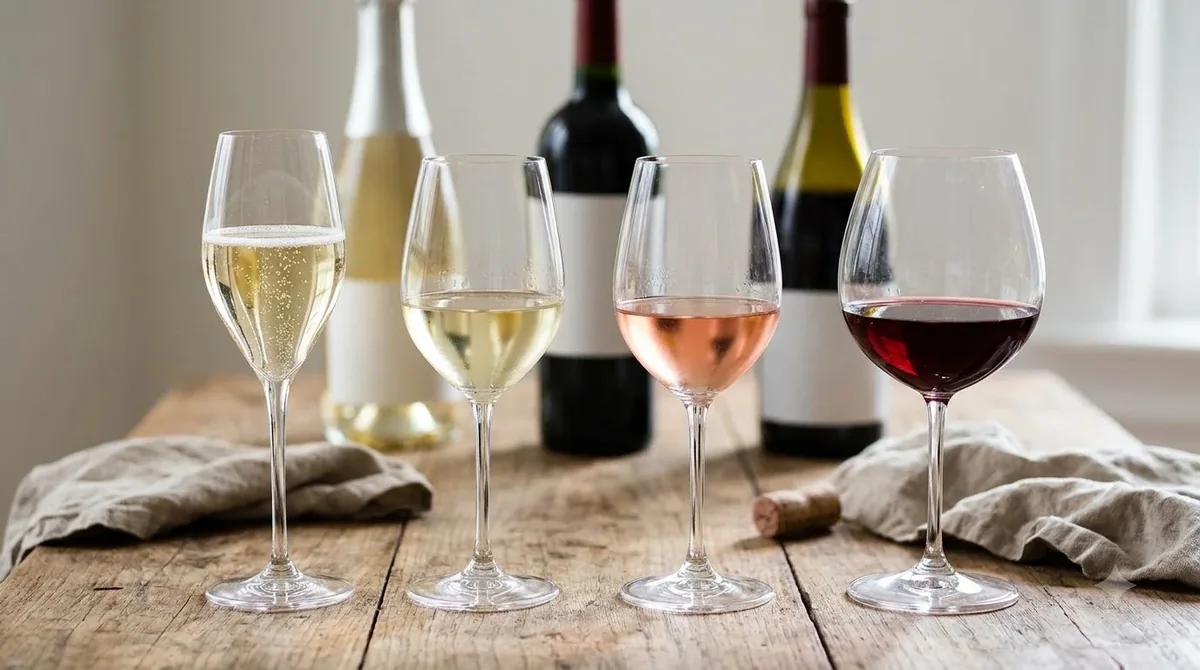
Every wine category relies on temperature to balance its structural pillars—acid, sugar, tannin, and alcohol. When you ask should sparkling wine be chilled, the answer is a firm yes down to 40°F to 45°F because cold liquid traps carbon dioxide bubbles and keeps effervescence brisk. Similarly, people wondering should ice wine be chilled will find that intense, unfortified dessert wines need a colder 45°F to 50°F serve to keep their high residual sugar from feeling heavy.
Madeira behaves differently because fortification elevates its alcohol while barrel aging builds oxidative depth that cold temperatures easily suppress. In that sense, Madeira sits right in the middle of the broader spectrum of Wine by Type—warmer than crisp Sauvignon Blanc or Pinot Grigio, yet noticeably cooler than a full-bodied Cabernet Sauvignon. Even a mixed wine punch follows its own rules; if you have ever checked should sangria be chilled, you know fruit-forward, lower-ABV pitchers want plenty of cold time, whereas a 20-year-old Canteiro Madeira rewards restraint.
If you are serving multiple bottles across a multi-course dinner, arrange your chilling schedule from coldest to warmest. Pour sparkling wine or dry white first, move to a chilled dry Sercial alongside salty starters, serve your main-course reds at cellar temperature, and finish the evening with slightly chilled Bual or Malmsey next to cheese or tart desserts.
Storing Open and Unopened Bottles of Madeira
Unlike standard table wines that spoil within a few days of uncorking, an opened bottle of Madeira stays fresh for months—and often years—thanks to its prior exposure to heat and oxygen. Proper storage still matters, however, to protect the cork and keep flavors sharp.
As Wine Folly notes, Madeira wines are remarkably stable once opened and can be kept for six months or longer when stored properly. Because the wine has already undergone controlled oxidation in cask or tank, oxygen in the headspace of an open bottle will not turn it into vinegar the way it ruins an open Pinot Noir. Simply push the original T-stopper cork back into the neck firmly after each pour.
Store both open and unopened bottles upright in a cool, dark cupboard or wine cellar around 55°F to 60°F (13°C to 15°C). Keeping the bottle upright is especially important for high-ABV fortified wines because prolonged contact with 17% to 22% alcohol can slowly degrade natural cork over many years. While keeping an open bottle in the kitchen refrigerator will not spoil the wine, cold storage over many months can occasionally cause harmless tartrate crystals or sediment to precipitate, and you will need to let the bottle warm slightly before every pour.
Serving Mistakes That Dull Madeira’s Flavor
The most common mistakes with Madeira are serving it at warm modern room temperature, pouring it into oversized glasses, or decanting young bottles unnecessarily. Avoiding these habits preserves both the wine’s aromatic lift and its vibrant finish.
First, skip the habit of leaving a bottle next to a warm stove or sunny window before dinner. Above 65°F, the 96% ABV grape spirit used during fortification starts to dominate the aroma, masking delicate notes of dried apricot, salted caramel, and roasted walnut. Second, avoid pouring Madeira over ice cubes unless you are intentionally mixing a warm-weather spritz with tonic and citrus peel, as melting ice dilutes the concentrated viscosity that makes Madeira distinctive.
Third, do not automatically decant every bottle you open. Most blended Madeiras, age-indicated reserves, and younger styles are bottled clean and ready to drink straight from the bottle. Only very old vintage Frasqueira or Colheita bottles that have spent decades in glass tend to throw fine sediment; if you open a decades-old vintage bottle, stand it upright for 24 hours beforehand and decant it slowly a couple of hours before serving so any deposit stays behind.
Frequently Asked Questions
Can you put Madeira wine in the fridge?
Yes, placing Madeira in the refrigerator for 20 to 45 minutes before serving is the simplest way to reach its ideal 54°F to 61°F serving window. You can also store an opened bottle in the fridge between pours, though letting it warm on the counter for 20 minutes before drinking prevents the cold from muting its nutty aromas.
Should dry Madeira be served colder than sweet Madeira?
Yes, dry styles like Sercial and medium-dry Verdelho taste best around 50°F to 57°F (10°C to 14°C), which highlights their brisk citrus acidity and saline edge. Sweeter styles like Bual and Malmsey show better slightly warmer at 59°F to 61°F (15°C to 16°C) so their caramel, fig, and roasted nut flavors stay expressive.
How long does Madeira last after opening?
An opened bottle of Madeira easily lasts six months or longer when recorked tightly and stored upright in a cool, dark place. Because the wine is fortified to 17% to 22% ABV and already intentionally oxidized during production, air exposure does not spoil it like standard table wine.
What glass should you use for chilled Madeira?
A small, tulip-shaped port glass, sherry copita, or compact white wine glass works best for serving Madeira. The narrower rim concentrates the wine’s complex toasted aromas while keeping portion sizes around 3 ounces so the liquid stays in its ideal temperature range.
Chilling Madeira lightly before pouring transforms a wine that can otherwise feel heavy or overly spirited into one of the most balanced pours at the table. Aim for around 54°F for crisp, dry styles and 61°F for rich, sweet bottles, and use a small stemmed glass so every sip stays bright from the first pour to the last.
More in Wine Types & Grapes
 Zinfandel Sugar Content: Dry Red vs. White Zinfandel GramsUpdated Nov 21, 2026
 Best Zinfandel Substitute Options for Sipping and CookingUpdated Nov 21, 2026
 Zweigelt Food Pairing: Best Dishes, Cheeses, and Serving TipsUpdated Nov 21, 2026
 Zinfandel Tannins Explained: How Structure Shapes Every BottleUpdated Nov 21, 2026
 Zinfandel Sweetness Level: Dry Red vs. Sweet White Zin ExplainedUpdated Nov 21, 2026
 Xinomavro Food Pairing: Best Dishes, Styles, and Serving TipsUpdated Nov 21, 2026