

We may earn a commission when you buy through links on this page, at no extra cost to you. Learn more.
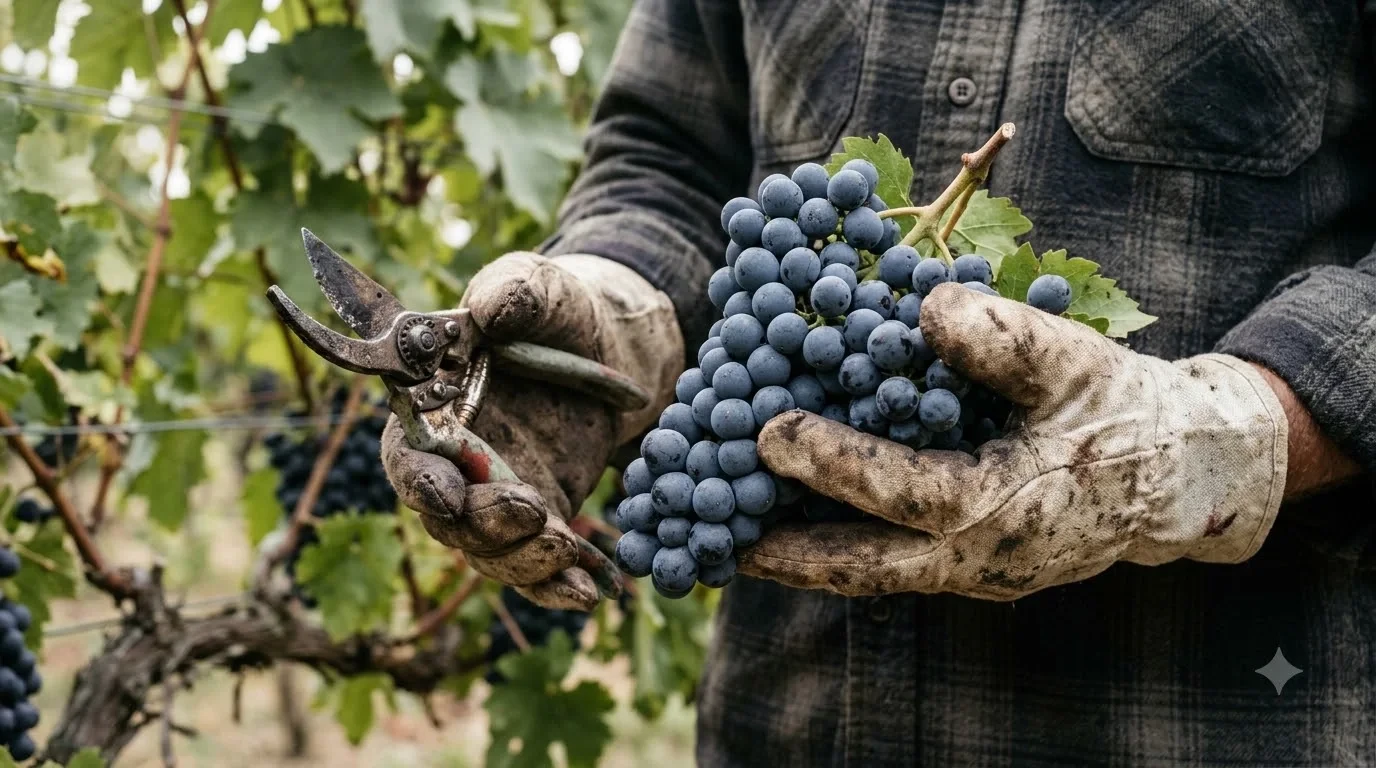
Burgundy wine comes from eastern France and is made mainly from Pinot Noir for reds and Chardonnay for whites, with a famously detailed system of named vineyards. The region produces both still and some sparkling wine, and its labels often name a village or single vineyard rather than the grape. That makes Burgundy harder to decode than many New World wines, but once the label system makes sense, it tells you a great deal about what is in the glass. This guide focuses on the wine itself: its grapes, styles, classification, and how to choose a bottle.
Burgundy is one of the most admired wine regions in the world, and it is also one of the most confusing for newcomers. Its bottles rarely name the grape in large type, and the regional name can mean a basic bottle or a rare single vineyard depending on the words that follow it. Learning a few simple ideas makes the whole region easier to read. The sections below cover the grapes, the classification ladder, the main styles, and practical advice for buying and serving.
Where Burgundy Is and What It Produces
Burgundy sits in eastern France, with its best-known vineyards clustered on a narrow strip of slopes known as the Côte d’Or. Wikipedia’s article on Burgundy wine describes the Côte d’Or as roughly 40 kilometers long and mostly less than 2 kilometers wide, which helps explain why small differences in slope and soil matter so much. The region also includes Chablis to the north, the Côte Chalonnaise, the Mâconnais to the south, and Beaujolais at the southern end, which shares some of the wider Burgundy identity but makes its own style of Gamay-based red.
Dry red wines are made mainly from Pinot Noir. White wines are mainly Chardonnay, and in Chablis the Chardonnay style is especially crisp and mineral. Gamay and Aligoté also appear in the region, and small amounts of rosé and sparkling wine are made. The variety of styles is one of the reasons Burgundy rewards curiosity. Two bottles from neighboring villages can taste very different even when they share a grape.
Pinot Noir and Chardonnay: The Two Core Grapes
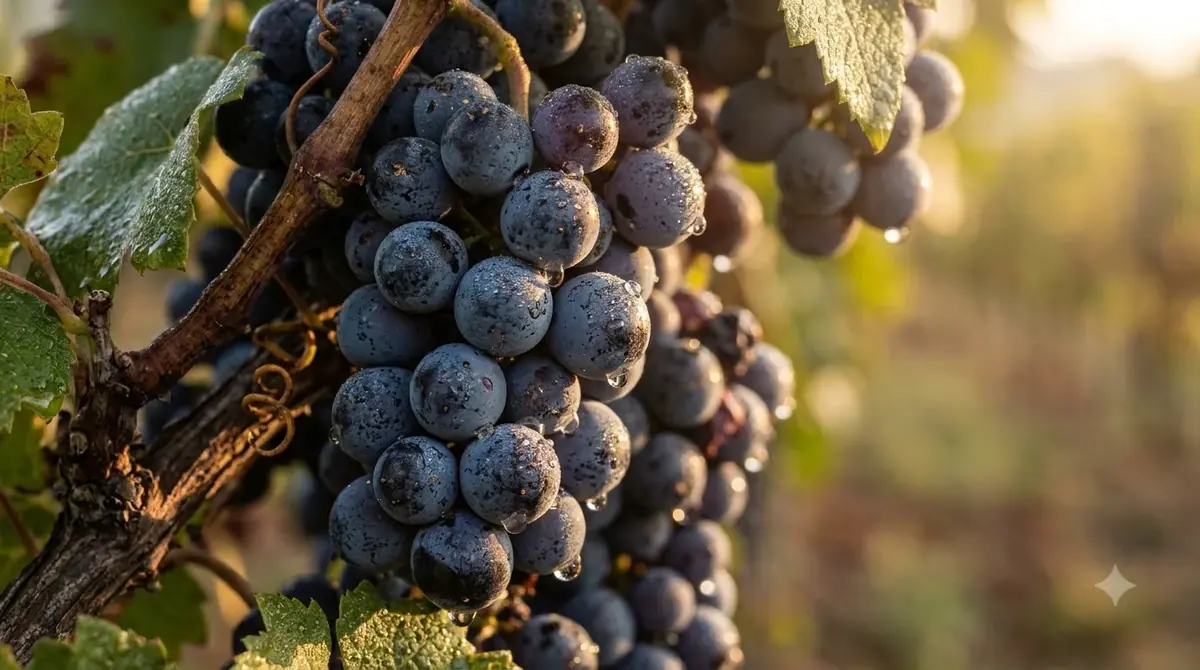
Pinot Noir is a thin-skinned grape that is sensitive to weather and site, which is why it has such a strong link to place in Burgundy. At its best, it gives reds with bright cherry and raspberry notes, silky texture, and a savory, earthy edge as the wine ages. Pinot Noir does not produce the deep color or heavy tannin of some other red grapes, so the wines are often lighter in color than people expect.
Chardonnay covers a wider range. In Burgundy it can be lean and steely in Chablis, richer and nuttier in the Côte de Beaune, and more generous and round in the Mâconnais. Oak aging adds toast, vanilla, and spice in some styles, while others are made with little or no oak. Because the grape takes on so much from the site and the winemaker, two Chardonnays from the same region can be surprisingly different.
How the Classification System Works
Burgundy’s label system is built around four levels of appellation, from broadest to most specific. Regional wines carry the name Bourgogne and can come from many areas. Village wines name a specific village, such as Volnay or Puligny-Montrachet. Premier Cru wines come from named vineyards within a village, and Grand Cru wines come from the best named vineyards in the region. The Wikipedia overview gives approximate shares of production for each level, which show how rare the top wines are. The regional trade body’s website, bourgogne-wines.com, describes the region’s famous vineyards as Climats, which are classified as Premier and Grand Crus, and notes that the Climats are a UNESCO World Heritage Site.
| Level | What the label shows | Share of production (approximate) |
|---|---|---|
| Regional (Bourgogne) | The broad region name, with no village | Varies, and yields are the highest of the four levels |
| Village | A named village, such as Gevrey-Chambertin | About 36 percent |
| Premier Cru | A village name plus a named vineyard | About 12 percent |
| Grand Cru | A named vineyard alone, such as Montrachet | About 2 percent |
Tip: A village wine is often the best value for everyday drinking. It gives a clear sense of place without the price and scarcity of a Grand Cru.
Styles You Are Likely to Meet
Most Burgundy reds are light to medium bodied, with cherry, strawberry, and forest floor flavors in the lighter examples and deeper plum and spice in the richer villages. Their structure comes from acidity rather than heavy tannin, which makes them easy to pair with food. Older Burgundy reds can develop a gamey, mushroom-like character that many lovers of the region prize.
White Burgundy ranges from crisp and unoaked to rich and buttery. Chablis tends to be the leanest, with citrus, green apple, and chalky notes. The Côte de Beaune is known for fuller whites with more texture, and the Mâconnais offers rounder, fruit-forward styles that are often the easiest to find at a reasonable cost. Sparkling wines labeled Crémant de Bourgogne offer a lively alternative for celebrations.
How to Serve and Pair Burgundy
Serve Burgundy reds slightly cooler than room temperature, which keeps the fruit lively and stops the alcohol from feeling heavy. White Burgundy works well when it is chilled but not ice cold, because the aromas and texture open up as the wine warms slightly in the glass. A wide-bowled glass helps the aromas gather, and a short decant can help a young, tight red breathe. Older bottles usually need less time, since too much air can fade the delicate fruit.
Pinot Noir from Burgundy pairs naturally with roasted poultry, mushroom dishes, salmon, and charcuterie, because its acidity and earthiness suit savory food. Chardonnay from the Côte de Beaune is a classic match for creamy sauces, roast chicken, and lobster. Chablis is a good partner for oysters and simple seafood, and Mâconnais whites suit lighter fare and soft cheeses.
How to Choose a Burgundy Bottle
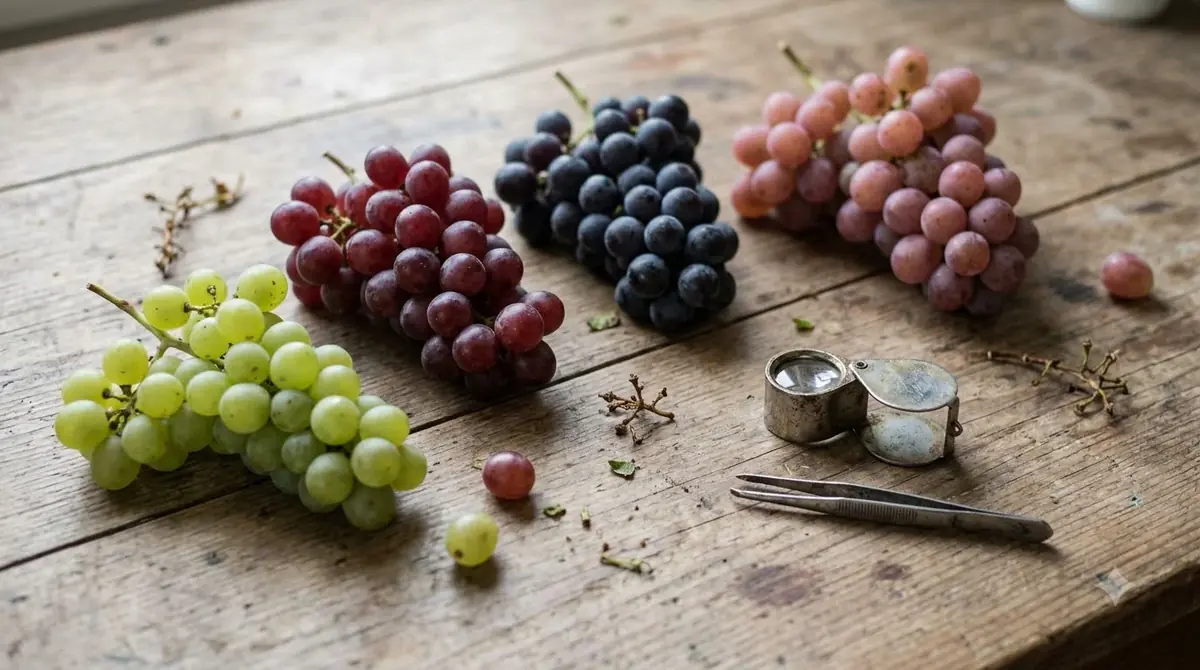
Start with the style you want. If you enjoy fresh, fruit-forward reds, a village wine from a producer with a good reputation is a sensible choice. If you prefer lean, precise whites, look for Chablis. If you are buying for a special occasion or for keeping, a Premier or Grand Cru from a respected producer will reward patience and careful storage. Look for the producer’s name on the label, since in Burgundy the winemaker and the vineyard can matter as much as the appellation.
Vintage matters too. Weather varies from year to year, and a cool, difficult season can produce wines that are lighter and more tense. Shop by vintage and read notes from several reliable critics before you buy a bottle at a higher level. For many drinkers, a good village bottle from a strong vintage is the best way to learn the region.
Frequently Asked Questions
Is Burgundy wine always made from Pinot Noir?
No. Pinot Noir is the main grape for dry red Burgundy, and Chardonnay is the main grape for white. Gamay is used for many reds, especially in Beaujolais, and Aligoté is a minor white grape in the region.
What does the word Bourgogne mean on a label?
Bourgogne is the French name for Burgundy. On a label, a bottle marked simply Bourgogne is a regional wine, which can come from a wide area and usually sits at the entry level of the classification.
Is Burgundy wine expensive?
Prices range widely. Regional and village wines are often more accessible, while Premier and Grand Cru bottles from famous vineyards are scarce and command high prices. Mâconnais whites and some Beaujolais offer a lower-cost way into the region.
How long should I keep a Burgundy red?
Many village reds are ready to drink within several years of release, while higher-level reds from strong vintages can improve for longer. Lighter bottles often peak sooner. Check a reliable tasting note for the specific wine and vintage before setting it aside.
Burgundy rewards patient reading. Once you know the grapes and the four-level classification, the labels start to tell a clear story about place and style. For a closer look at the producers and visiting, the guide to Burgundy wineries covers the estates and towns, and the wine regions section places Burgundy alongside other famous areas. If you are curious about another cool-climate region with a strong sense of place, the guide to Sancerre wineries offers a useful comparison.
More in Wine Regions
 Willcox Wine Trail: Discover Arizona’s High-Elevation Wine CountryUpdated Nov 20, 2026
 Yakima Valley Wine Region: Find the Best Styles to TryUpdated Nov 20, 2026
 Vosne Romanee Wine Tasting: Identify Aromas and Choose Better PairingsUpdated Nov 20, 2026
 Yakima Valley Wine Festival: Find the Best Seasonal Wine EventsUpdated Nov 20, 2026
 Wales Vineyards: Discover Cool-Climate Wines and Where to VisitUpdated Nov 20, 2026
 Yountville Wine Festival: Discover Napa Wines and Local FoodUpdated Nov 20, 2026