

We may earn a commission when you buy through links on this page, at no extra cost to you. Learn more.
For shoppers, organic viognier is a Viognier wine made from certified organic grapes, and the exact label wording explains whether the finished wine qualifies as organic wine or as wine made with organic grapes. The grape itself is known for fragrant peach, apricot, honeysuckle, and a generous texture. Most Viognier is dry, so its floral, ripe-fruit aroma should not be mistaken for sweetness. The best bottle for your table balances that perfume with enough freshness and a style that suits the meal.
Shopping for organic Viognier involves two separate decisions: confirming the farming and labeling claim, then choosing the wine style you enjoy. The guide below explains the U.S. label categories, the grape’s typical profile, where it grows, and how to serve and pair it.
Organic Wine Labels in the United States
The key distinction is whether the bottle says “organic” or “made with organic grapes.” Under U.S. rules, both categories require certified organic grapes, but the finished-wine requirements for sulfites and the USDA seal differ.
For a U.S. wine labeled “organic,” the grapes must be certified organic and the wine cannot have added sulfites; naturally occurring sulfites must remain below 10 parts per million. The wine must meet the organic-content and handling rules, and the label must identify the certifying body. A qualifying bottle may display the USDA organic seal, although the seal is optional.
“Made with organic grapes” is a distinct claim, not a casual synonym for organic wine. All grapes in the wine must be certified organic, but sulfur dioxide may be added within the U.S. limit of 100 parts per million in the finished wine. This category cannot display the USDA organic seal, and the label must identify the certifier. The USDA’s wine-labeling explanation is the clearest reference for the U.S. distinction.
| Label wording | Grape requirement | Sulfite rule | USDA seal |
|---|---|---|---|
| Organic wine | All grapes certified organic; wine must meet at least 95% organic-content rules | No added sulfites; naturally occurring sulfites below 10 ppm | Allowed, optional |
| Made with organic grapes | All grapes certified organic | Sulfur dioxide may be added; finished wine may contain up to 100 ppm | Not allowed |
“Made with organic grapes” can be a certified choice, but it is not eligible for the same USDA seal. Organic status concerns production and handling, not whether a Viognier tastes more floral or complex. A separate federal rule generally requires a sulfite declaration when total sulfur dioxide reaches 10 ppm; the TTB explanation of sulfite declarations describes that label threshold, which is distinct from the organic-wine limit. The declaration tells you that sulfites are present at the regulatory threshold; it does not explain whether they were added during winemaking or occurred naturally. Imported wines must also meet the U.S. organic labeling rules, so an overseas organic claim may appear as “made with organic grapes” on a bottle prepared for the American market.
Viognier’s Aroma, Body, and Typical Taste
Viognier is a full-bodied, highly aromatic white grape, usually made into dry wine with low acidity. Expect ripe stone-fruit character, floral notes, and a rounded texture rather than the sharp citrus line associated with Sauvignon Blanc.
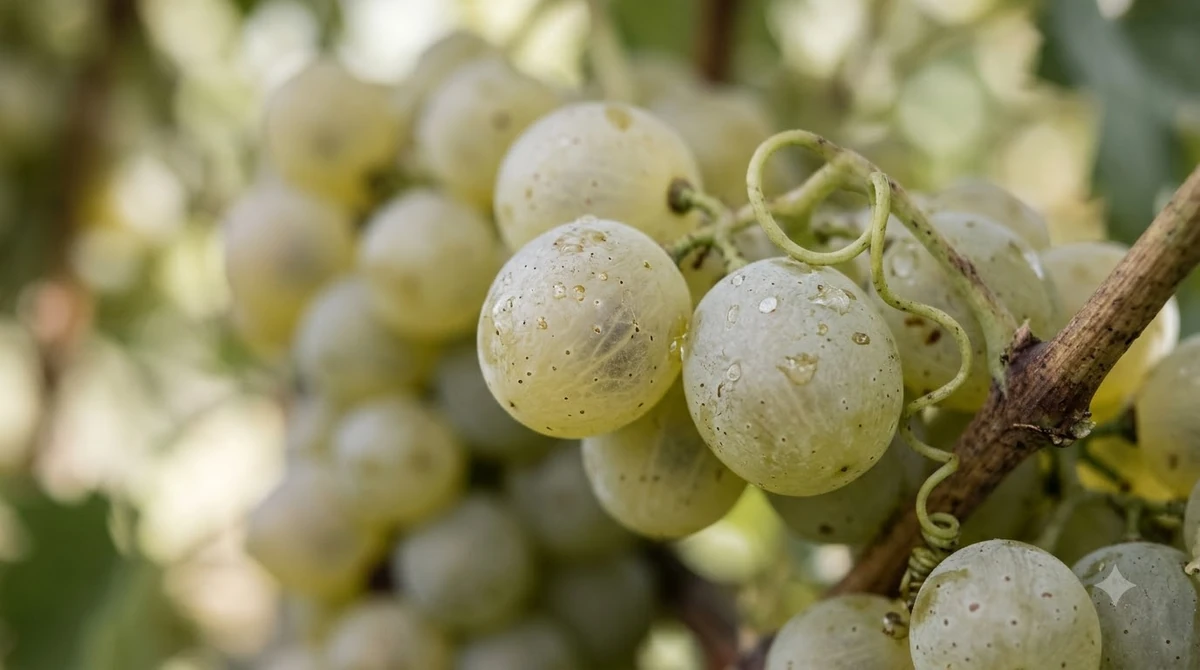
Common aromas include apricot, peach, honeysuckle, jasmine, and orange or other citrus blossom. Depending on ripeness and the winemaker’s choices, the fruit may suggest fresh peach and yellow plum or move toward pineapple, honey, and spiced apricot. The fragrance can seem sweet even when the wine is fermented dry and contains little or no perceptible residual sugar. That distinction is useful at the shelf: a perfumed nose does not mean the bottle is a dessert wine.
In the glass, Viognier often feels broad and smooth, with medium to full body and relatively low acidity. Warm growing conditions can push alcohol higher; Wine Enthusiast notes that grapes from warm regions can reach wines around 14% alcohol. Alcohol, fruit ripeness, and texture can make the finish feel warm or weighty, especially if the wine is served too warm. A fresher example may show citrus peel or a light mineral edge that keeps the ripe fruit in balance.
Viognier is often bottled as a single-variety white, but it also appears in white Rhône-style blends with grapes such as Marsanne and Roussanne, adding scent and body. Think of it as an aromatic, generous white rather than a crisp, high-acid refresher. If you enjoy Gewürztraminer’s perfume or peachy Chardonnay but prefer a dry finish, it is a strong grape to explore.
Where Organic Viognier Is Grown
Viognier’s historic home is the Northern Rhône in France, especially Condrieu and Château-Grillet. It is now grown in other French regions and in countries including the United States, Australia, Argentina, Chile, and New Zealand, so organic examples can come from several climates and wine traditions.
Condrieu is the reference point for expressive Viognier. Its steep vineyards above the Rhône River are associated with powerful aromatics, a creamy or supple texture, and low acidity. Nearby Château-Grillet is another small Northern Rhône appellation centered on Viognier. In these classic areas, the grape is made as a still dry white wine, although the richness and intensity can differ from one producer and site to another.
Outside the Northern Rhône, Viognier grows in the Languedoc and in California, Australia, Argentina, Chile, and New Zealand. Warmer conditions can produce ripe peach and apricot flavors, fuller body, and higher alcohol. Regional names help set expectations but do not prove organic farming: Condrieu identifies origin and appellation rules, not certification. Look for the organic claim and certifier information as well as the grape and place names.
Climate shapes both farming and taste. Viognier ripens early and can accumulate sugar quickly in warm sites, while its naturally modest acidity makes harvest timing important for balance. Organic management must respond to local conditions; a humid vineyard faces different disease pressure from a dry, breezy hillside.
How Farming and Winemaking Shape the Style
Organic certification describes vineyard and cellar practices, while the winemaking choices determine much of the wine’s texture and flavor. For Viognier, harvest timing, fermentation temperature, oxygen management, and oak use can make the difference between a lively aromatic white and a heavy, overly ripe one.
Organic grape production is a regulated system for inputs, soil management, and handling, not simply the avoidance of one spray. Growers use permitted materials and keep production records, with close attention to canopy growth, soil cover, pest monitoring, and disease pressure. Viognier’s susceptibility to powdery mildew makes monitoring especially important in humid conditions. The grape is aromatic but naturally low in acidity, so picking too late can bring high alcohol and heavy fruit; picking earlier can preserve freshness while still requiring ripe flavors and healthy grapes.
Stainless-steel fermentation and aging can preserve direct fruit and floral character. Oak fermentation or maturation can add spice, creaminess, and a more layered texture, but heavy new oak can compete with Viognier’s perfume and make a full-bodied wine feel even broader. Neither stainless steel nor oak proves anything about organic certification; they are stylistic decisions. Read the producer’s notes for clues such as unoaked, barrel fermented, or aged on lees.
Some producers use lees contact or gentle lees stirring to build texture. That can suit Viognier’s naturally supple body, but too much richness can soften the impression of freshness. A restrained style often lets apricot, peach, and blossom aromas stay clear. For shoppers, the useful question is not whether a bottle is made in a fashionable way, but whether the winemaking keeps the grape’s fragrance and weight in balance.
How to Choose a Bottle That Fits Your Taste
Start with the organic claim, then use the origin, harvest style, and cellar notes to predict how the wine will drink. A few label details can help you distinguish a fresher, fruit-led Viognier from a richer, oak-influenced bottle.
First, decide which organic wording you are looking for. Choose a bottle labeled “organic” when you want the U.S. category that prohibits added sulfites and allows the USDA seal. Choose “made with organic grapes” when certified organic fruit is your priority and you are comfortable with the permitted sulfur dioxide allowance. Both claims require organic grapes, but they are not identical production categories. A named certifier on the information panel is a useful sign that the wine is making a formal certification claim.
Consider origin and climate next. A Northern Rhône Viognier from Condrieu is a classic benchmark for concentrated aroma and texture, while a warm-climate bottling from California, Australia, or southern France may show riper fruit and more alcohol. These are tendencies, not guarantees, so use the producer’s description and alcohol figure as clues. “Unoaked” or “stainless steel” often points toward clear fruit and floral aromas; “barrel fermented” or “oak aged” suggests a rounder, spicier profile.
Viognier is often most expressive in its youth, when peach, apricot, and floral aromas are vivid. Wine Enthusiast lists a general handling window of 0–2 years for the variety, though age-worthiness depends on the producer, site, vintage, and cellar practices. For a first bottle, a recent release is a sensible starting point; save older examples for producers whose wines are made to develop over time. For comparisons across grape varieties, see our guides to organic merlot and, for a sweeter aromatic style, organic moscato. Both white and red bottles can share fruit aromas while differing in sweetness, acidity, and texture; our broader Wine Buying Guides cover other label details.
Tip: Choose the label claim before choosing the flavor profile. Confirm the certifier and the exact wording first, then decide whether you want a fresh, unoaked style or a richer wine with some barrel influence.
Serving Temperature and Food Pairings
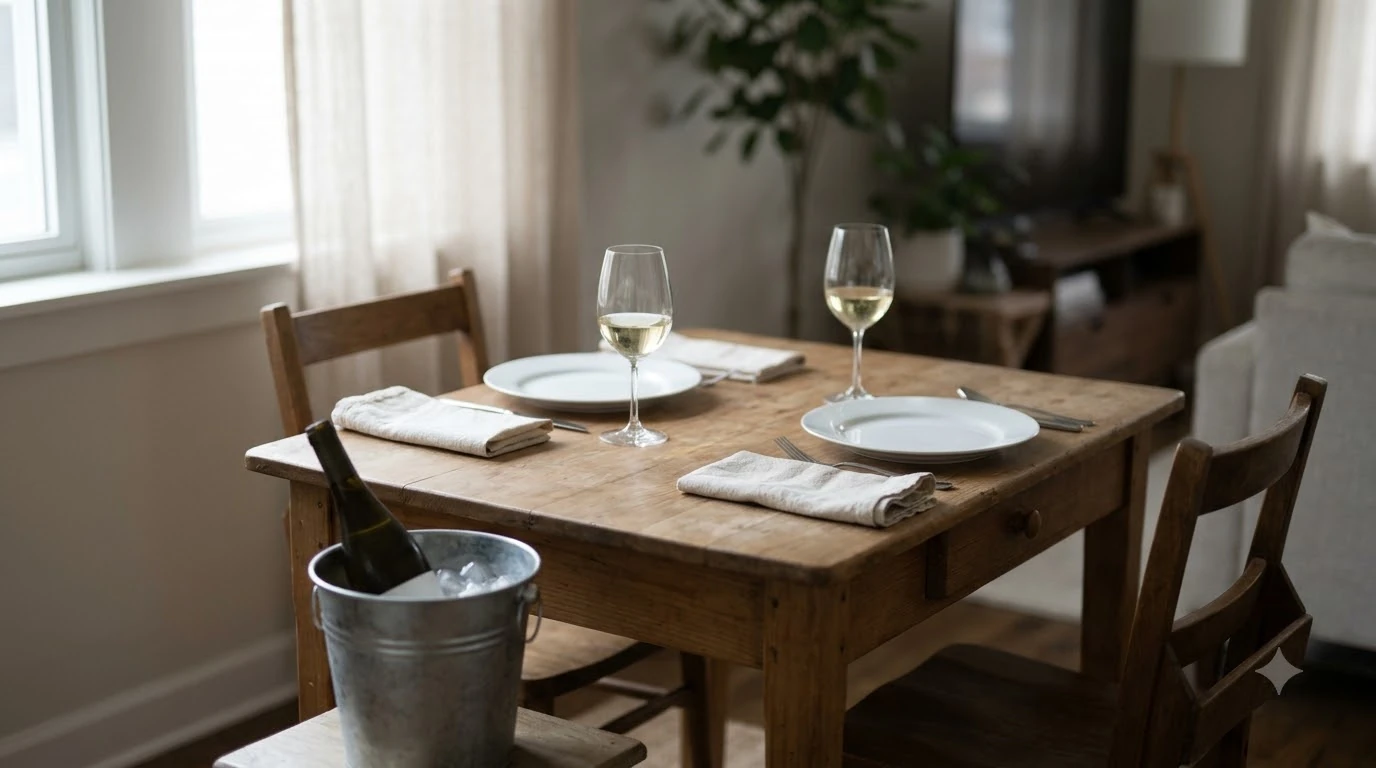
Serve Viognier cool but not ice-cold so its floral aromas and stone-fruit flavors remain easy to smell. Its low acidity and rounded body make it a good match for aromatic dishes, savory poultry, and seafood with enough richness to meet the wine’s texture.
A practical serving range is 50–55°F for a fuller-bodied white. Take the bottle out of a very cold refrigerator a short time before pouring, and use a standard 5-ounce pour to leave room for the aromas to open in the glass. A 750-milliliter bottle provides about five such servings. If the wine seems muted, allow it a few minutes in the glass rather than warming it rapidly.
Choose dishes with herbs, gentle spice, cream, or a lightly sweet element. Roast chicken with thyme, pork with apricot, seared scallops, and fish with fennel or saffron suit Viognier’s fruit and fragrance; ginger, coriander, and mild curry spices can echo its floral notes. Its acidity is lower than Sauvignon Blanc or Riesling, so very sour lemon sauces and vinegar dressings can make the wine seem softer by comparison. Match strongly acidic food with a fresher example.
Salt and fat can make a rounded white feel more balanced, so roast chicken skin, creamy sauces, soft goat cheese, or a young creamy cheese can work; grilled peach or pear can bridge the fruit in the glass. Keep chili heat moderate because alcohol can intensify its sensation. For oily fish, a fresh, restrained Viognier is a better match than a tannic red, and a genuinely sweet dessert needs a wine at least as sweet; dry Viognier is better with savory food or lightly sweet accompaniments.
Frequently Asked Questions
Can Viognier be used in red wine?
Yes. Some Northern Rhône reds made with Syrah may contain up to 20% Viognier, depending on appellation rules. Co-fermentation can contribute floral aromas and help Syrah develop a deeper color.
Was Viognier ever close to disappearing?
Yes. WSET notes that Condrieu vineyards had fallen to fewer than 10 hectares by the 1960s. Dedicated growers, including Georges Vernay, helped revive the variety before plantings spread more widely.
Is Viognier an early-budding grape?
Yes. The Rhône Valley’s grape-variety information describes Viognier as early-budding and very early-ripening. WSET notes that early budbreak can expose the vines to spring-frost risk.
Which North American region was an early champion of Viognier?
Virginia was one of the first North American wine regions to emphasize the grape. Its early adoption helped establish Viognier as a recognizable variety beyond its traditional French home.
Does Viognier have alternative names?
Yes. Wine Enthusiast lists Barbin, Rebolot, Galopine, and Viogne among its synonyms. These names may appear in regional wine references or historical descriptions, rather than indicating entirely different grape varieties.
Organic Viognier brings together a distinctive aromatic grape and a certified production standard, so read the label claim before judging the wine by its flavor. Choose a fresh, fruit-led bottle or a richer, oak-influenced style to suit your meal, then serve it cool enough to keep the aromas lively.
More in Wine Buying Guides
 Cheap Red Blend: How to Find a Flavorful Bottle for LessUpdated Nov 20, 2026
 Pinot Grigio Gift: How to Choose a Bottle They’ll EnjoyUpdated Nov 20, 2026
 Best White Wine at Total Wine for Every MealUpdated Nov 20, 2026
 Wine Fridge Replacement Shelves: Find the Right FitUpdated Nov 20, 2026
 Best Sparkling Wine Under 20: Find Bubbles Worth BuyingUpdated Nov 20, 2026
 Best Wine For Birthday Celebrations With Perfect Party PairingsUpdated Nov 20, 2026