

We may earn a commission when you buy through links on this page, at no extra cost to you. Learn more.
Yes, should fino sherry be chilled is an unequivocal yes—always serve fino sherry well chilled between 41°F and 48°F (5°C to 9°C), right alongside crisp white wines and sparkling bottles. Serving it cold keeps its 15% ABV alcohol tightly integrated while highlighting its bone-dry, saline, and almond-driven character. Once opened, store the bottle tightly stoppered in the refrigerator and finish it within five to seven days before the delicate aromatics flatten.
Many American wine drinkers still associate sherry with dusty bottles of sweet cream sherry sitting at room temperature on a sideboard. Fino is the exact opposite: it is a pale, bone-dry, biologically aged white wine from southern Spain that behaves far more like a crisp white wine than a heavy after-dinner spirit.
Why Fino Sherry Must Be Served Cold
Chilling fino sherry is essential because cold temperatures suppress perceived alcohol heat and lock in the wine’s delicate, savory aromatics. Without a proper chill, the higher alcohol level overwhelms the palate and turns a vibrant, mouthwatering aperitif into a flat, heavy pour.
Unlike red wines or sweet fortified styles, fino sherry is produced from the white Palomino grape in Spain’s Jerez region and fortified to approximately 15% ABV. That specific alcohol strength allows a living layer of indigenous yeast, known as flor, to form on top of the wine inside American oak butts. As the wine ages in the traditional solera y criaderas system for a minimum of two years, the flor shields it from oxygen and imparts distinctive notes of raw almonds, fresh bread dough, green apple peel, and sea spray.
Because biological aging preserves freshness rather than building heavy, caramelized richness, fino contains virtually zero residual sugar. At room temperature, the combination of bone-dry acidity, acetaldehyde compounds, and 15% ABV feels sharp and alcoholic on the tongue. Lowering the serving temperature tames that warmth, sharpens the briny acidity, and lets the wine cleanse the palate between bites of food.
The Ideal Serving Temperature for Fino and Other Sherry Styles
The sweet spot for fino sherry sits between 41°F and 48°F (5°C to 9°C), though not every bottle labeled sherry belongs at the back of the refrigerator. Sherry spans a wide spectrum from bone-dry biological styles to syrupy, sun-dried dessert wines, and each category needs its own temperature window.
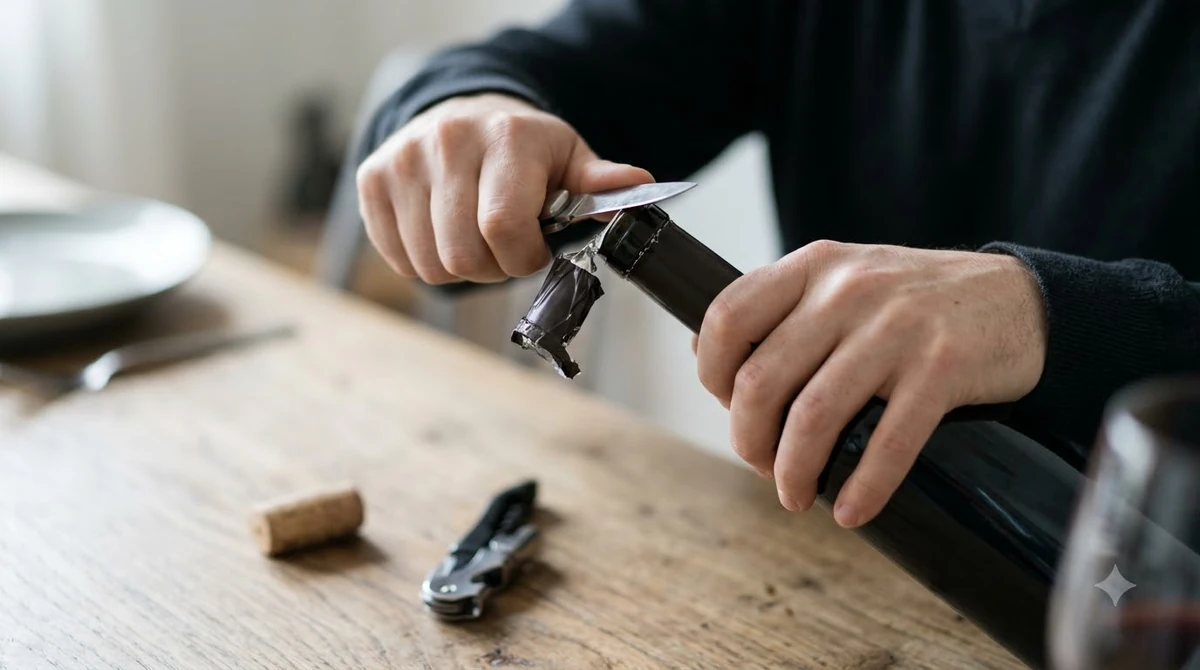
According to the Consejo Regulador de las Denominaciones de Origen Jerez-Xérès-Sherry, finos and manzanillas should always be served very cold, ideally between 41°F and 45°F (5°C to 7°C), while producers like Bodegas Lustau recommend 44°F to 48°F (7°C to 9°C) to let subtle aromatics shine. Going much colder than 40°F can temporarily mute the yeasty, herbal nuances, though the wine will quickly open up as it warms slightly in the glass. Just like knowing should sparkling wine be chilled before a toast, getting fino into the right cold zone makes all the difference on the first sip.
Oxidatively aged sherries—wines that lose their protective flor and mature in direct contact with air—require noticeably warmer service so their roasted nut, dried fig, and spice aromas can unfurl. Serving an aged oloroso or Pedro Ximénez at refrigerator temperature masks its complexity, whereas serving fino at cellar temperature ruins its crisp snap.
| Sherry Style | Aging Method | Ideal Serving Temp (°F / °C) | Open Bottle Fridge Life |
|---|---|---|---|
| Fino | Biological (under flor) | 41°F–48°F (5°C–9°C) | 5 to 7 days |
| Manzanilla | Biological (coastal flor) | 41°F–45°F (5°C–7°C) | 5 to 7 days |
| Pale Cream | Biological, lightly sweetened | 45°F–48°F (7°C–9°C) | 1 to 2 weeks |
| Amontillado | Biological, then oxidative | 54°F–57°F (12°C–14°C) | 2 to 3 weeks |
| Palo Cortado | Biological start, oxidative finish | 54°F–57°F (12°C–14°C) | 2 to 4 weeks |
| Oloroso | Oxidative | 54°F–61°F (12°C–16°C) | 4 to 6 weeks |
| Pedro Ximénez (PX) | Oxidative (sun-dried grapes) | 54°F–57°F (12°C–14°C) | Several months |
How to Chill Fino Sherry Quickly and Properly
A standard kitchen refrigerator cools a room-temperature bottle of fino sherry to serving temperature in roughly two to three hours. If guests arrive unexpectedly, an ice-and-water bath drops the bottle into the ideal 41°F to 48°F range in about 15 to 20 minutes.
When using a standard kitchen refrigerator, keep in mind that household fridges typically run around 37°F to 40°F (3°C to 4°C). Leaving a bottle inside overnight works well for service, especially if you pour small servings and let the glass warm for two or three minutes on the table. However, standard refrigerators have very low humidity, which can dry out natural cork stoppers over several weeks. Store unopened bottles in a cool, dark cabinet or wine fridge at 51°F to 59°F (11°C to 15°C), and transfer them to the kitchen fridge on the day you plan to pour.
For rapid chilling, submerge the bottle up to its neck in a bucket filled with equal parts ice and cold water rather than dry ice cubes alone. Water transfers heat away from glass much faster than air pockets between ice cubes. Adding a handful of coarse salt lowers the freezing point of the water even further, bringing a warm bottle down to crisp aperitif temperature in roughly ten minutes.
Tip: Never drop regular water ice cubes directly into a glass of fino sherry—melting ice dilutes its delicate saline structure and flattens the crisp finish. Keep the chilled bottle in an ice bucket on the table and pour small, frequent top-ups instead.
Glassware, Pour Size, and Serving Etiquette
Serve chilled fino sherry in a standard white wine glass or a traditional tulip-shaped copita, pouring modest 2- to 3-ounce servings so the wine stays cold until the final sip. Small pours are the secret to keeping fino at its peak temperature from start to finish.
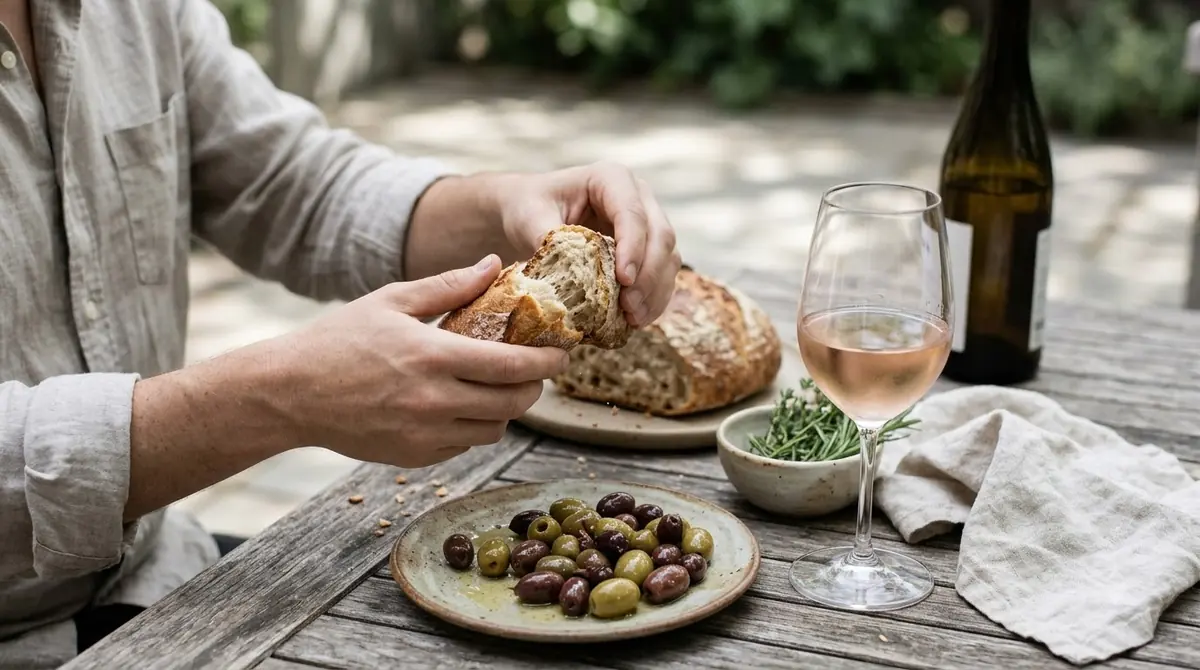
For decades, bars served sherry in tiny, narrow glasses called catavinos, which hold very little aromatic headspace. Today, sommeliers and sherry bodegas favor a medium-sized white wine glass with a tapered rim. The wider bowl gives the wine room to breathe and release its complex notes of toasted almonds, wild herbs, and green olive brine, while the inward curve concentrates those aromas toward your nose without letting the alcohol sting.
Avoid oversized red wine goblets, which expose too much surface area to warm room air, and skip wide, shallow schooners that let volatile aromatics escape too quickly. Because fino is fortified to 15% ABV, a 3-ounce pour delivers roughly the same alcohol as a standard 5-ounce glass of table wine. Pouring smaller amounts ensures every sip tastes crisp, cold, and electric rather than lukewarm.
How to Store Opened and Unopened Fino Sherry
Once opened, fino sherry is one of the most perishable wines in your kitchen and must be tightly sealed and refrigerated immediately. Treat an opened bottle exactly like a delicate dry white wine rather than a shelf-stable liquor.
Inside the bodega, fino lives protected beneath its living blanket of flor yeast. The moment the wine is filtered, bottled, and opened at home, that natural shield is gone and oxygen begins attacking the wine’s fresh green-apple and briny notes. Reviewers at Decanter emphasize that opened bottles of fino and manzanilla keep in the refrigerator for about a week before their bright acidity and salinity start to fade. Unfiltered en rama bottlings are even more expressive and fragile, often tasting best within three to five days of pulling the cork.
To stretch that window to a full seven days, push the T-top cork stopper firmly back into the neck immediately after pouring—or use an inert gas wine preserver—and stand the bottle upright on a refrigerator shelf rather than the warm door. Unopened bottles should be consumed within 12 to 18 months of purchase, as fino is bottled ready to drink and does not improve with long-term cellar aging. Unlike checking should ice wine be chilled for a special holiday toast where high sugar preserves an open bottle for weeks, fino demands prompt enjoyment.
Best Food Pairings for Chilled Fino Sherry
Chilled fino sherry is one of the most versatile food wines on the table, thriving alongside salty, briny, fried, and high-acid dishes that overwhelm standard white wines. Its bone-dry finish and mouthwatering salinity act like a squeeze of fresh lemon juice over rich or savory plates.
In Andalusia, fino is the classic companion to tapas—think salted Marcona almonds, green Manzanilla olives, thin slices of cured jamón, and aged Manchego cheese. The wine’s crisp chill cuts cleanly through rich animal fats while its nutty, yeasty undertones mirror roasted nuts and cured meats. Seafood is another natural match: raw oysters, chilled shrimp, grilled sardines, white anchovies in vinegar, and lightly battered fried calamari all come alive next to an ice-cold glass.
Fino also solves notoriously difficult wine-pairing puzzles at the dinner table. Dishes dressed with sharp vinaigrettes, pickled vegetables, artichokes, asparagus, and even sushi or sashimi clash with fruity or oaked wines, yet fino’s low acetic acid and savory mineral backbone handle them effortlessly. Much like deciding should sangria be chilled for an outdoor summer spread, serving fino frosty cold makes warm-weather appetizers and salty snacks shine.
Frequently Asked Questions
Can you put fino sherry in the freezer to chill it faster?
You can place a bottle of fino sherry in the freezer for 20 to 30 minutes in a pinch, as long as you set a timer. Because fino sits around 15% ABV, it freezes at a lower temperature than standard table wine, though forgetting the bottle overnight can still push out the stopper or crack the glass. An ice-and-water bucket is safer and chills the wine evenly in 15 to 20 minutes.
Does fino sherry go bad if you leave it out at room temperature?
An opened bottle of fino sherry left on the counter at room temperature will oxidize rapidly, losing its crisp green-apple, almond, and briny flavors within a day or two. It will not become unsafe to drink, but it quickly turns flat, dull, and overly bitter. Always recork the bottle and store it in the refrigerator immediately after pouring.
Should you decant fino sherry before serving?
No, fino sherry does not need decanting and should be poured straight from the chilled bottle. Standard finos are filtered clear before bottling and have no sediment to separate, while extended air exposure only warms the wine and dulls its fresh aromatics. If you want a fuller expression, simply pour it into a standard white wine glass rather than a tiny sherry glass.
What is the difference between chilling fino sherry and oloroso sherry?
Fino sherry is biologically aged under flor yeast and must be served very cold at 41°F to 48°F (5°C to 9°C) to preserve its crisp, saline freshness. Oloroso is aged oxidatively without flor, giving it a richer, nuttier, fuller-bodied profile that tastes best lightly chilled or at cool cellar temperature between 54°F and 61°F (12°C to 16°C). Serving oloroso as cold as fino mutes its complex toasted walnut and dried fruit notes.
Treating fino sherry like a crisp, fresh white wine unlocks everything that makes this classic Andalusian style special. Keep a bottle chilling in the fridge, pour small servings into a proper white wine glass, and enjoy it cold alongside your favorite salty snacks within a week of opening.
More in Wine Types & Grapes
 Zinfandel Sugar Content: Dry Red vs. White Zinfandel GramsUpdated Nov 21, 2026
 Best Zinfandel Substitute Options for Sipping and CookingUpdated Nov 21, 2026
 Zweigelt Food Pairing: Best Dishes, Cheeses, and Serving TipsUpdated Nov 21, 2026
 Zinfandel Tannins Explained: How Structure Shapes Every BottleUpdated Nov 21, 2026
 Zinfandel Sweetness Level: Dry Red vs. Sweet White Zin ExplainedUpdated Nov 21, 2026
 Xinomavro Food Pairing: Best Dishes, Styles, and Serving TipsUpdated Nov 21, 2026