

We may earn a commission when you buy through links on this page, at no extra cost to you. Learn more.
Yes, should cabernet franc be chilled is best answered with a gentle cellar chill rather than an ice-cold plunge, ideally between 55°F and 65°F (13°C to 18°C) depending on the style. Light, unoaked bottles from cooler regions shine near 55°F to 60°F, while structured, oak-aged expressions taste best around 60°F to 65°F. Placing a room-temperature bottle in a standard refrigerator for 20 to 30 minutes before pouring brings out its bright red fruit and herbal lift without flattening the aromatics.
Most heated American living rooms hover around 70°F to 72°F, which pushes a red wine’s alcohol to the forefront and dulls its natural freshness. Understanding how temperature interacts with acidity, tannin, and body lets you serve any bottle of Cabernet Franc at its most expressive point, whether you are pouring a crisp Loire Valley red on a patio or opening a structured Right Bank blend for dinner.
What Cabernet Franc Is and Why Temperature Matters
Cabernet Franc is a medium-bodied red wine grape famous both as a foundational blending partner in Bordeaux and as a stand-alone star in France’s Loire Valley. Serving temperature directly controls how volatile aromas release from the glass and how structural elements feel on your palate.
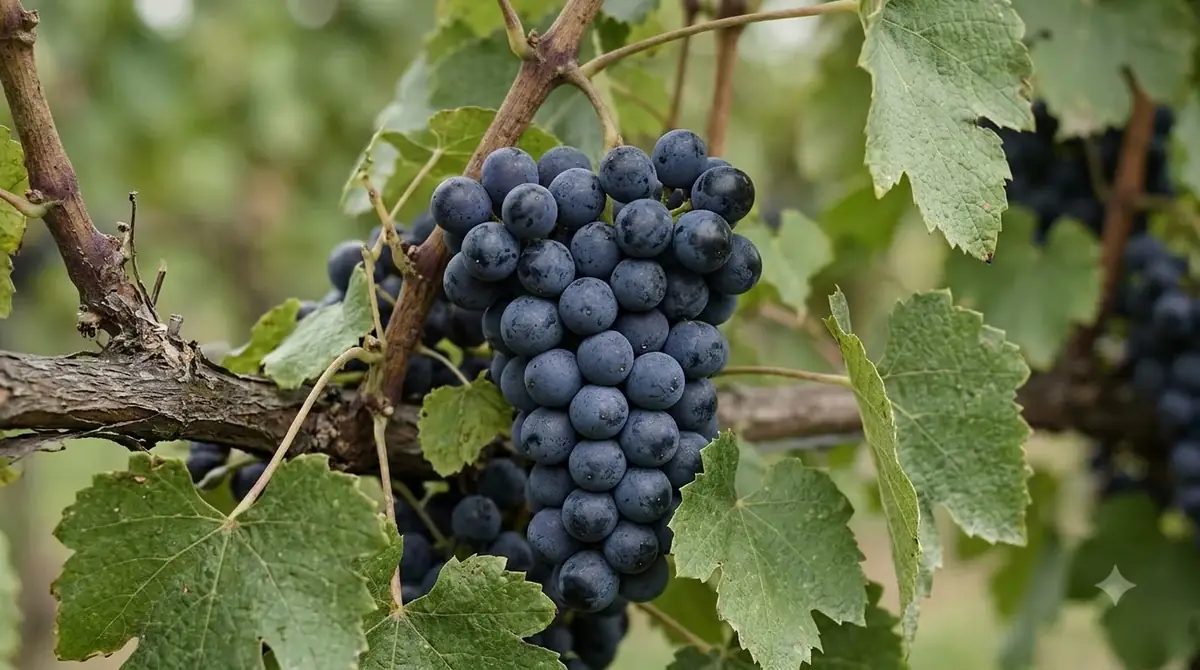
Genetically, Cabernet Franc is one of the parent grapes of Cabernet Sauvignon, Merlot, and Carménère, passing along signature aromas of crushed herbs, violet, raspberry, and green bell pepper. Compared with Cabernet Sauvignon, it typically carries softer tannins and higher zesty acidity. That lively acid backbone makes the grape far more forgiving of a light chill than heavier, high-tannin reds, though cooling it down to white-wine temperatures will still mute its delicate floral notes.
Temperature acts like a volume dial for wine structure. Warmth amplifies alcohol perception, making a wine feel heavier and slightly hot on the nose, whereas cold tightens tannins and sharpens acidity. Because standard indoor room temperature in modern homes is several degrees warmer than a traditional European stone cellar, almost every bottle of Cabernet Franc stored in a kitchen rack benefits from cooling down before the cork is pulled.
How Climate and Winemaking Shape Ideal Serving Temperatures
Not every bottle of Cabernet Franc requires the exact same chill, because growing climate and oak aging dramatically alter the wine’s weight and tannin profile. Matching the temperature to the style in your glass prevents astringency while preserving aromatic nuance.
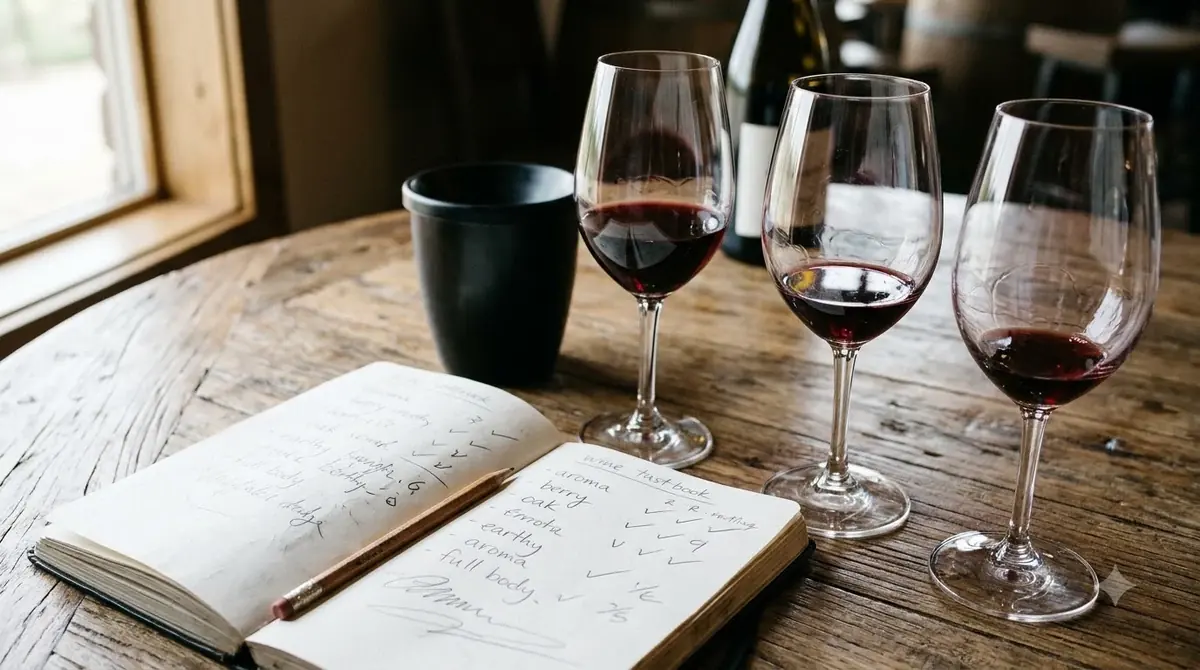
In cool-climate regions such as Chinon, Bourgueil, and Saumur-Champigny in the Loire Valley, Cabernet Franc ripens slowly and retains high natural acidity alongside moderate tannins. Producers often ferment these wines in stainless steel, concrete, or neutral older oak to highlight crunchy red berries, graphite, and fresh herbs. Lighter, unoaked bottles thrive at the cooler end of the spectrum—around 55°F to 60°F—where the chill emphasizes their snappy, refreshing character.
Conversely, Cabernet Franc grown in warmer regions like Napa Valley, Tuscany, or Stellenbosch develops riper dark fruit, fuller body, higher alcohol, and firmer tannins. Winemakers in these areas frequently age the wine in new French oak barrels, adding layers of cedar, vanilla, and baking spice. Serving a bold, oak-aged Cabernet Franc too cold makes those rich tannins taste bitter and astringent, so keeping it between 60°F and 65°F allows the texture to stay supple while keeping alcohol in check.
Rosé made from Cabernet Franc follows an entirely different rulebook. Because skin contact is brief and tannins are minimal, dry Cabernet Franc rosé should be served cold at 45°F to 50°F, right alongside crisp white wines.
Serving Temperature Guide by Cabernet Franc Style
Use the reference chart below to dial in the exact temperature and chilling method for the specific bottle on your counter. A quick adjustment in your refrigerator or freezer is usually all it takes to hit the sweet spot.
| Cabernet Franc Style | Ideal Temperature | Fridge Time from 72°F | Key Sensory Effect |
|---|---|---|---|
| Cabernet Franc Rosé | 45°F – 50°F (7°C – 10°C) | 2+ hours (full chill) | Maximizes crisp acidity and fresh strawberry notes |
| Light, Unoaked Red (Loire Valley, Finger Lakes) | 55°F – 60°F (13°C – 16°C) | 30 – 45 minutes | Highlights crunchy red fruit, floral lift, and snappy finish |
| Medium-Bodied, Neutral Oak Red | 58°F – 62°F (14°C – 17°C) | 25 – 35 minutes | Balances savory herbal notes with smooth, fine tannins |
| Full-Bodied, Oak-Aged or Bordeaux Blend | 60°F – 65°F (16°C – 18°C) | 15 – 20 minutes | Softens firm tannins while preventing alcohol heat |
| Mature / Cellar-Aged Bottle (8+ Years) | 62°F – 65°F (17°C – 18°C) | 10 – 15 minutes | Preserves delicate tertiary aromas of tobacco and forest floor |
According to Wine Folly’s Cabernet Franc guide, serving the grape slightly below room temperature allows complex aromatics to open up without letting alcohol overwhelm the nose. If you are exploring other styles across the Wine by Type spectrum, notice how Cabernet Franc bridges the gap between ultra-light chillable reds like Gamay and full-bodied reds like Cabernet Sauvignon.
When pouring at the table, remember that wine warms up quickly once it leaves the bottle. Pouring into a room-temperature glass immediately raises the liquid by two to three degrees, and warm hands cradling the bowl will push it higher. Aiming for the lower end of your target temperature range ensures the wine stays in its ideal zone throughout the meal.
Practical Ways to Chill a Bottle at Home
You do not need a dedicated dual-zone wine cooler to serve Cabernet Franc properly. A standard kitchen refrigerator, an ice bucket, or a brief stint in the freezer will cool a bottle accurately as long as you watch the clock.
The easiest everyday approach is the classic refrigerator chill. Standard kitchen refrigerators operate around 37°F to 40°F, which drops a bottle’s temperature by roughly one degree every two minutes. Placing a room-temperature bottle of Cabernet Franc on the middle shelf for 20 to 30 minutes brings it right into the 58°F to 62°F sweet spot without risking over-chilling.
If guests are already arriving and you need faster results, an ice-water bath works far more efficiently than air cooling. Submerge the bottle up to its neck in a bucket filled with equal parts ice and cold water for 8 to 10 minutes. Water conducts heat away from glass much faster than refrigerator air, cooling the wine evenly without freezing the outer layer. As VinePair’s serving temperature guide notes, you can also place a bottle in the freezer for about 15 minutes in a pinch—just set a timer on your phone so you do not forget it.
Tip: If you accidentally over-chill a bottle of Cabernet Franc and the flavors seem closed off, cup both hands around the bowl of your wine glass for 60 seconds; your body heat will gently warm the pour and release the fruit and floral aromas.
Glassware, Decanting, and Storage Habits
Temperature works hand in hand with aeration and glassware to shape how Cabernet Franc tastes. Getting the chill right is only part of the equation if the wine has not had enough air to release its signature aromatics.
A universal wine glass or a standard Bordeaux glass with a medium-to-large bowl gives Cabernet Franc enough surface area to breathe while funneling raspberry, violet, and savory herb scents toward your nose. Always hold the glass by the stem rather than the bowl so your fingers do not undo the careful chill you just applied.
Young, structured bottles—especially hillside wines from the Loire Valley or oak-aged bottlings from California and Tuscany—benefit from 20 to 30 minutes in a decanter before serving. If you plan to decant and chill the same bottle, chill the wine first and pour it into a room-temperature decanter, or place the filled decanter in the fridge for the final 15 minutes. Older bottles with delicate tertiary notes need little to no decanting and only a brief 10-minute cool-down.
For long-term storage, keep unopened bottles on their sides in a dark spot at a steady 55°F. Once opened, recork the bottle and store it in the kitchen refrigerator; the cold slows oxidation and preserves freshness for two to three days, after which you simply pull it out 30 minutes before your next pour.
Food Pairings That Shine with Slightly Chilled Cabernet Franc
Serving Cabernet Franc with a light chill transforms it into one of the most adaptable dinner wines on the table. The cool temperature sharpens its natural acidity, helping it cut through rich fats while harmonizing with herbs and earthy ingredients.
Roasted poultry and pork dishes are natural partners for a slightly chilled bottle. Herb-roasted chicken, Thanksgiving turkey with sage stuffing, and pork tenderloin with rosemary echo the wine’s savory, leafy undertones while relying on its bright red berry fruit to keep each bite lively. Charcuterie boards featuring prosciutto, pâté, and tangy goat cheese also pair effortlessly when the wine is served around 58°F.
Vegetarian dishes often clash with heavy, warm reds, yet they thrive alongside cool Cabernet Franc. Grilled portobello mushrooms, roasted root vegetables, lentil stews, and stuffed bell peppers play right into the grape’s subtle pyrazine notes of sweet pepper and crushed herbs. Even slightly spicy dishes benefit from a cooler pour, as lower serving temperatures tame alcohol heat that would otherwise amplify chili spice. For warm-weather gatherings where you want something even colder or fruitier alongside your menu, consider branching out into should sparkling wine be chilled for aperitifs or checking should sangria be chilled for batch party pitchers.
Frequently Asked Questions
Can you put Cabernet Franc in the fridge before serving?
Yes, putting a room-temperature bottle of Cabernet Franc in the refrigerator for 20 to 30 minutes before serving is one of the best ways to improve its flavor. Standard kitchen rooms are too warm for red wine, and a brief chill brings the bottle down to the ideal 55°F to 65°F range.
What happens if Cabernet Franc is served too cold?
If Cabernet Franc drops below 50°F, its delicate violet, raspberry, and herbal aromas become muted and hard to smell. Excessive cold also makes the wine’s tannins feel tight, bitter, and overly astringent on the palate.
Should Loire Valley Cabernet Franc be served colder than Napa Cabernet Franc?
Yes, cool-climate Loire Valley bottles like Chinon and Bourgueil are lighter in body and lower in tannin, so they taste best at 55°F to 60°F. Warmer-climate, oak-aged Cabernet Franc from Napa Valley or Tuscany has fuller body and firmer tannins, making 60°F to 65°F the better target.
Is it okay to put ice cubes in Cabernet Franc?
Adding ice cubes directly to Cabernet Franc will dilute its nuanced fruit, herbal notes, and crisp acidity as the ice melts. Instead, chill the bottle in an ice-water bucket for 8 to 10 minutes or use frozen reusable wine cubes if you need to cool a single glass without watering it down.
Giving Cabernet Franc a brief chill before pouring brings out the vibrant acidity, fresh red fruit, and savory herbal character that make the grape so compelling. Keep a timer handy whenever you place a bottle in the fridge, adjust by a few degrees for lighter or fuller styles, and enjoy a noticeably fresher, more balanced glass.
More in Wine Types & Grapes
 Zinfandel Sugar Content: Dry Red vs. White Zinfandel GramsUpdated Nov 21, 2026
 Best Zinfandel Substitute Options for Sipping and CookingUpdated Nov 21, 2026
 Zweigelt Food Pairing: Best Dishes, Cheeses, and Serving TipsUpdated Nov 21, 2026
 Zinfandel Tannins Explained: How Structure Shapes Every BottleUpdated Nov 21, 2026
 Zinfandel Sweetness Level: Dry Red vs. Sweet White Zin ExplainedUpdated Nov 21, 2026
 Xinomavro Food Pairing: Best Dishes, Styles, and Serving TipsUpdated Nov 21, 2026