

We may earn a commission when you buy through links on this page, at no extra cost to you. Learn more.
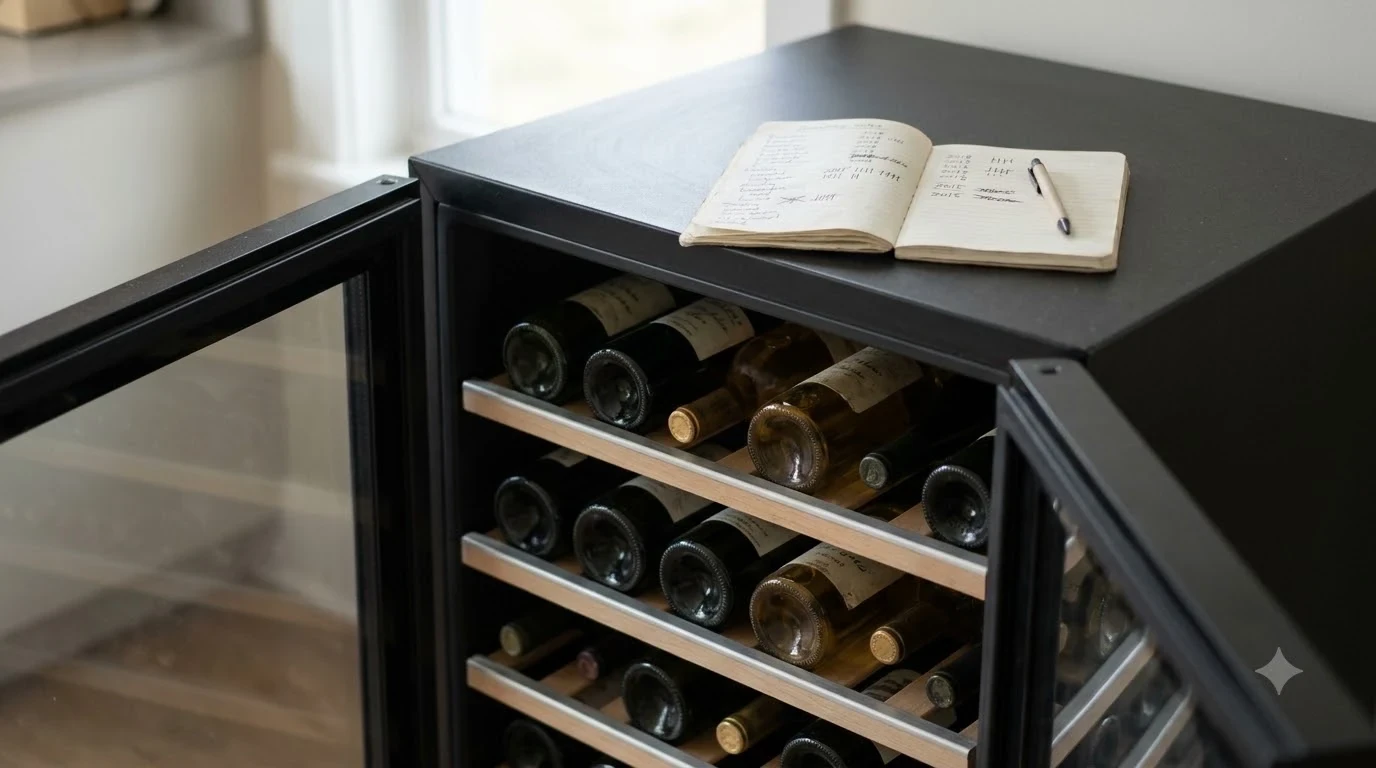
Wine fridge smells usually come from trapped moisture, mold, dirty surfaces, spills, or an overdue air-filter replacement. Most unpleasant odors can be removed by cleaning the interior, drying removable components, and checking the condensation drainage system. Identifying whether the smell is musty, sour, chemical, or burnt helps determine whether simple maintenance is enough or professional repair is necessary.
A wine refrigerator should provide a clean, stable environment for storing bottles, not an enclosed space filled with unpleasant odors. Although wine bottles are sealed, persistent smells can indicate problems with humidity, ventilation, drainage, or the appliance’s interior materials. The good news is that many odor problems have straightforward solutions. Understanding where the smell originates makes it easier to clean the right components, protect stored bottles, and prevent the problem from returning.
Common Reasons a Wine Refrigerator Develops Unpleasant Odors
Most wine refrigerator odors develop because moisture, residue, and organic material remain inside the cabinet for too long. A dirty shelf, damp door gasket, clogged drain, or aging carbon filter can gradually create a noticeable smell.
Musty odors are particularly common in wine storage appliances because these units maintain more humidity than ordinary household refrigerators. Some moisture is normal and helps prevent corks from drying out, but standing water and persistently damp surfaces create conditions that encourage mold and mildew.
Several common sources deserve attention:
- Mold and mildew: Moisture accumulating around shelves, corners, door seals, and interior walls can produce a damp basement smell.
- Spilled liquids: Wine residue, sticky bottle deposits, and other accidental spills can become unpleasant as they accumulate.
- Dirty drainage components: A blocked drain opening or poorly maintained drip tray can allow condensation to collect inside the appliance.
- Expired carbon filters: Wine refrigerators equipped with charcoal filters use them to help maintain clean interior air. An overdue replacement can reduce their effectiveness.
- New appliance materials: Plastic, protective packaging, adhesives, and other manufacturing materials can produce an unfamiliar smell during initial operation.
- External contamination: Dust, cleaning products, household chemicals, and nearby materials can contribute odors that seem to originate inside the refrigerator.
Another important factor is how the appliance circulates air. Whirlpool explains that some wine cellars circulate air between compartments, allowing odors from one section to transfer into another. Cleaning only the compartment where the smell seems strongest may therefore leave the original source untouched.
For a useful starting point, distinguish between a persistent odor and a temporary smell after opening the door. A faint smell from a recently cleaned appliance may disappear quickly, while a strong odor that remains between openings deserves closer inspection.
Identify the Type of Smell Before Cleaning
The character of the odor provides useful clues about its source. A musty smell usually points toward moisture, while sour odors often indicate residue or contamination. Chemical and burning smells require a different approach because cleaning alone may not address their underlying cause.
Use the following comparison to narrow down the likely problem before removing bottles or dismantling any components.
| Smell | Likely cause | First action |
|---|---|---|
| Musty or damp | Mold, mildew, excess moisture | Inspect seals, corners, and drainage |
| Sour or rotten | Spills, residue, contaminated surfaces | Remove bottles and clean the interior |
| Plastic or chemical | New materials or cleaning residue | Check packaging and ventilation |
| Stale or dusty | Dirty filter, accumulated dust | Inspect the filter and accessible vents |
| Burning or electrical | Possible electrical or component fault | Disconnect power and request service |
| Rotten egg or sulfur-like | Possible external contamination or unusual chemical odor | Investigate the surroundings and appliance |
Start by smelling the appliance near its door, lower interior, and ventilation openings without touching electrical components. If the smell is strongest around a particular shelf or corner, inspect that location for spills, dampness, or visible residue.
Next, inspect the bottles themselves. Wine labels, cork exteriors, cardboard packaging, and bottle carriers can retain odors from storage environments. Remove any cardboard packaging and wipe dusty bottles before returning them to the refrigerator.
Do not assume every unpleasant smell comes from the wine refrigerator. Household cleaning products, paint, solvents, and other strongly scented materials stored nearby can affect the surrounding air. Check the installation area before deciding that an internal component needs replacement.
Tip: Identify the odor before choosing a cleaning product. A musty smell calls for moisture inspection, while a sour smell usually deserves a thorough search for spills and residue. Never try to cover an unexplained chemical or burning odor with an air freshener.
Clean the Interior to Remove Persistent Wine Fridge Smells
A thorough interior cleaning is usually the most effective first treatment for ordinary wine fridge smells. Whirlpool recommends cleaning wine cellar interiors approximately once a month, using warm water, mild detergent, and a clean sponge or soft cloth.
Begin by removing the wine bottles and storing them somewhere cool and away from direct sunlight while the appliance is being cleaned. Disconnect the refrigerator from its power supply before starting. Remove accessible shelves, racks, and other removable components according to the manufacturer’s instructions.
Follow this cleaning sequence:
- Inspect the empty cabinet: Look for spilled wine, sticky deposits, damp corners, mold, and dirt around the bottom of the refrigerator.
- Clean removable shelves: Wash suitable shelves with warm water and mild detergent. Follow special instructions for wooden racks, which may require wiping rather than soaking.
- Wipe interior walls: Use a clean sponge or soft cloth with warm water and mild detergent to remove accumulated residue.
- Clean the door gasket: Carefully wipe the rubber seal, including accessible folds where dirt and moisture may collect.
- Rinse cleaning residue: Use a separate clean, damp cloth to remove remaining detergent from suitable surfaces.
- Dry everything thoroughly: Use a soft, clean cloth and allow removable components to dry completely before reinstalling them.
- Restore the appliance: Replace the shelves, reconnect power according to the manufacturer’s instructions, and return clean bottles once the interior is ready.
Baking soda can also help remove persistent interior odors. Whirlpool specifies a mixture of 2 tablespoons of baking soda in 1 quart of water, equivalent to approximately 26 grams in 0.95 liters. Use this solution on suitable interior walls, then follow the manufacturer’s rinsing and drying instructions.
Avoid aggressive cleaning products. Bleach, abrasive powders, strong solvents, concentrated detergents, and ammonia-based products may damage interior surfaces, plastic components, or door seals. Dacor specifically warns against using bleach, benzene, and thinner when cleaning its wine cellar.
It is also important not to spray water directly onto electrical controls, lighting, fans, or ventilation openings. Apply cleaning solutions to a cloth instead of spraying them into the cabinet. Never use a hair dryer or open flame to speed up drying.
For additional appliance-care guidance, the manufacturer’s instructions should take priority over general cleaning advice. Whirlpool provides a useful wine cellar interior cleaning procedure that explains how to remove shelves, wash surfaces, and use a baking soda solution.
If the smell remains after cleaning, avoid repeating the same surface wipe indefinitely. The odor may be coming from an inaccessible drainage component, saturated filter, or moisture trapped behind a removable panel. Investigating those areas is more productive than applying additional cleaning chemicals.
Check Moisture, Drainage, and Carbon Filters
Excess moisture is one of the most important causes of recurring musty odors in wine storage appliances. Inspect the condensation drainage system, drip tray, and air filter if your refrigerator includes these components.
Wine refrigerators commonly manage condensation through an internal drainage opening that directs water toward a collection area. Depending on the model, the water may collect in a tray where it evaporates during normal operation. If the drain becomes blocked, water can accumulate in places that are difficult to see.
Check the following components:
Drain opening and condensation system
Look for visible water accumulation along the bottom or rear interior wall. If the appliance has an accessible drain opening, inspect it for visible debris or blockage. Do not push sharp objects, wire, or improvised tools into the drain because they can damage internal components.
Wine Enthusiast recommends checking drip trays every few months and ensuring that drainage tubes remain clear. If the tray contains standing water, clean it according to the manufacturer’s instructions and investigate why the water is not evaporating or draining properly.
Drip tray and surrounding surfaces
A collection tray can become a source of odor if condensation, dust, or organic residue remains inside it. Inspect accessible trays for discoloration, standing water, and unpleasant smells. Empty and clean removable trays only when the appliance instructions permit it.
If the tray is inaccessible or requires removal of a mechanical panel, arrange professional assistance rather than forcing the component out of position.
Activated-carbon air filter
Some wine refrigerators include an activated-carbon or charcoal filter to help maintain clean air inside the cabinet. These filters absorb certain unwanted odors and help reduce airborne contamination.
Wine Enthusiast notes that many wine cellar filters last approximately one year, although the actual replacement interval depends on the appliance and its operating environment. Check the model’s recommended maintenance schedule rather than assuming every filter has the same lifespan.
A filter that has exceeded its recommended service life may no longer control odors effectively. Replace it with the correct compatible component, following the installation instructions. A generic household air filter is not necessarily suitable for a wine refrigerator.
Humidity also deserves attention. Wine Enthusiast describes approximately 50–75% relative humidity as a suitable range for long-term wine storage, while noting that prolonged humidity above 80% and visible moisture can create maintenance concerns.
The goal is not to eliminate all moisture. Wine storage requires appropriate humidity, but persistent standing water, visible mildew, and damp surfaces indicate that the appliance needs attention.
Understand New Appliance Smells and Chemical Odors
A newly installed wine refrigerator may have a temporary plastic or manufacturing-material smell. This can come from protective packaging, interior plastics, seals, or other new components rather than from a mechanical failure.
Start by removing every piece of packaging material, including protective films, adhesive strips, cardboard inserts, and foam supports. Inspect the bottle shelves and interior walls for overlooked packaging that could retain an odor during operation.
Clean the interior using the approved method for the specific appliance. Dacor recommends cleaning interior surfaces with lukewarm water and a soft cloth before normal use. Allow the interior to dry properly before loading bottles.
Ventilation is another consideration. A freestanding wine refrigerator may require clearance around its cabinet to maintain proper airflow. Wine Enthusiast notes that some freestanding units need approximately 2–3 inches of clearance, while built-in models may have different requirements depending on their design.
Do not apply the freestanding clearance recommendation automatically to a built-in appliance. Follow the installation requirements for the exact model, since insufficient ventilation can affect operating performance.
A chemical smell that becomes weaker after cleaning and normal ventilation may be associated with new materials or residual packaging. However, a strong solvent-like smell, an odor resembling melting plastic, or a smell that becomes progressively worse should not be dismissed as normal break-in behavior.
Never place candles, incense, air fresheners, or scented deodorizing products inside the wine refrigerator. These products can introduce additional odors and may create safety concerns. Dacor specifically warns against placing a lighted candle inside the appliance to remove bad smells.
If the smell resembles refrigerant, solvent, or burning electrical insulation, stop using the appliance and contact a qualified service provider. Do not attempt to locate a refrigerant leak or dismantle sealed cooling components yourself.
Prevent Odors With Regular Wine Refrigerator Maintenance
Preventive maintenance is easier than removing an established musty smell. A consistent schedule for cleaning, moisture inspection, and filter replacement helps keep the refrigerator’s interior fresh and its storage conditions stable.
A practical maintenance schedule can be organized as follows:
| Frequency | Maintenance task | Purpose |
|---|---|---|
| Immediately | Wipe up spills | Prevent residue and sour odors |
| Monthly | Clean interior surfaces | Reduce odor accumulation |
| Every few months | Inspect drip tray and drain | Identify standing water |
| According to model schedule | Replace carbon filter | Maintain air filtration |
| Approximately yearly | Inspect accessible condenser coils | Remove accumulated dust |
| During routine cleaning | Inspect door seals and shelves | Identify moisture and residue |
Wine Enthusiast recommends cleaning accessible condenser coils or fans approximately once a year when the appliance design permits. Dust accumulation around these components can interfere with heat transfer and affect operating efficiency.
Before cleaning any external mechanical components, consult the owner’s manual and disconnect power when instructed. Some condensers are exposed and accessible, while others are enclosed and should only be serviced by a qualified technician.
Pay attention to where the refrigerator is installed. Keep it away from direct sunlight, radiators, ovens, and other heat sources. Avoid damp locations, and maintain the manufacturer’s recommended ventilation clearance.
Wine should also be stored properly inside the cabinet. Keep bottles sealed, remove cardboard packaging, and avoid blocking internal air vents with bottles or other materials. Dacor specifically advises against covering shelves with aluminum foil or other materials that restrict air circulation.
Another useful habit is to inspect bottles when loading new purchases. Wipe away sticky residue, remove dusty packaging, and avoid placing bottles with contaminated exterior surfaces directly onto clean shelves.
If the appliance will remain unused for several months, follow the manufacturer’s storage procedure. Dacor recommends removing the contents, cleaning and drying the interior, and leaving the door slightly open to help prevent condensation, mold, and odors.
These simple practices make recurring odor problems less likely and help maintain a suitable environment for bottles intended for short-term or long-term storage.
Know When a Persistent Smell Requires Professional Repair
Not every odor can be solved with household cleaning. A smell that returns shortly after a complete cleaning may indicate a drainage problem, damaged seal, malfunctioning component, or another issue that requires inspection.
Consider professional service if you notice any of these warning signs:
- Repeated musty odors: The smell returns even after cleaning the interior and drying all accessible components.
- Water accumulation: Standing water repeatedly appears near the bottom of the refrigerator or around the drainage system.
- Damaged door seals: A loose, cracked, or distorted gasket may allow unwanted air and moisture to enter.
- Unusual operating behavior: The appliance runs continuously, stops cooling properly, or develops unusual operating sounds alongside the odor.
- Burning smells: An electrical or melting-plastic odor may indicate an unsafe component fault.
- Visible damage: Water intrusion, damaged wiring, or signs of refrigerant leakage require qualified attention.
Electrical and burning odors deserve particular caution. Disconnect the appliance from power if it is safe to do so, and do not continue operating it to see whether the smell disappears. If there is smoke, a burning smell, or a suspected refrigerant leak, follow the manufacturer’s emergency instructions and contact an authorized service provider.
For owners experiencing other appliance symptoms, related troubleshooting information may help identify whether the odor is part of a broader operating problem. See our guidance on Allavino wine fridge not cooling and Allavino wine fridge repair.
Owners of other brands can also compare symptoms with our guide to Magic Chef wine fridge not cooling. These issues are not necessarily connected to odors, but cooling problems, unusual moisture, and abnormal appliance behavior can sometimes occur together.
When contacting a technician, provide the refrigerator’s make, model number, and a description of the smell. Explain when the odor first appeared, whether it changes during operation, and whether cleaning temporarily improves the situation.
These details help the technician decide whether to inspect the drainage system, ventilation, electrical components, or cooling equipment. Avoid attempting repairs involving sealed refrigerant lines or internal electrical assemblies.
For more general maintenance guidance, visit our Wine Fridge Troubleshooting section for additional storage and appliance-care information.
Frequently Asked Questions
Can wine absorb odors from inside a wine refrigerator?
An intact, properly sealed wine bottle provides substantial protection against ordinary smells in the refrigerator’s surrounding air. However, a contaminated cork exterior or damaged closure deserves attention because the seal may not provide the same protection. Clean bottle exteriors before returning them to storage, and inspect questionable closures carefully.
Can I store cheese or other food in a wine refrigerator?
Wine refrigerators are designed primarily for wine storage, and some manufacturers explicitly restrict their intended use to wine. Foods such as cheese, onions, and strongly scented leftovers can introduce odors that transfer to nearby bottles and storage surfaces. Follow the appliance’s intended-use instructions rather than treating it as a general-purpose refrigerator.
Does a wine fridge need an odor filter if it has no carbon filter?
No. Not every wine refrigerator includes a replaceable activated-carbon filter. Some models rely on their cabinet design, ventilation arrangements, and regular cleaning to maintain interior air quality. An aftermarket filter should only be installed if the manufacturer confirms that it is compatible with the appliance.
Can a wine refrigerator develop mold while switched off?
Yes. Residual moisture can remain inside an unplugged appliance, particularly if the door stays closed after bottles have been removed. Cleaning and drying the interior before extended storage helps prevent this problem. Leaving the door slightly open during prolonged inactivity can also improve air circulation when permitted by the manufacturer’s instructions.
Should I replace wine labels if mold appears inside the refrigerator?
Not necessarily. Surface mold on a bottle label does not automatically mean the wine itself is spoiled. The condition of the closure, bottle, and wine matters more than the appearance of the exterior label. Clean the bottle carefully without soaking its closure, and address the moisture problem before returning it to the refrigerator.
Wine fridge smells are usually manageable once their source has been identified. Regular cleaning, proper drainage, suitable humidity, and timely filter maintenance can prevent most recurring problems. If an odor persists after careful cleaning or resembles burning electrical materials or chemicals, stop using the appliance when appropriate and arrange professional inspection to protect your wine and refrigerator.
More in Storage & Fridge Care
 How Long Can You Store Wine in a Wine Fridge? Protect Bottle QualityUpdated Nov 20, 2026
 Can You Store Beer in a Wine Fridge? Keep Both Drinks FreshUpdated Nov 20, 2026
 Is It Worth Repairing a Wine Fridge? Spot the Cheap Fixes Before You ReplaceUpdated Nov 20, 2026
 Wine Fridge Condensation: Identify Causes and Fix Moisture ProblemsUpdated Nov 20, 2026
 Wine Fridge Too Cold: Protect Your Wine and Fix the TemperatureUpdated Nov 20, 2026
 How to Reset Wine Fridge: Restore Cooling and SettingsUpdated Nov 20, 2026